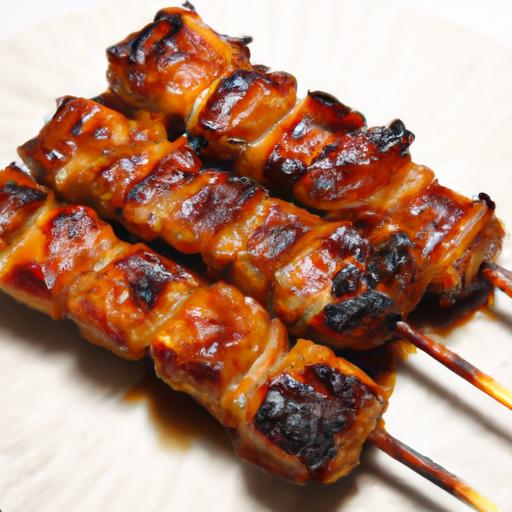

There’s a certain magic in the sizzle of skewered chicken grilling over hot coals, a timeless ritual that celebrates simplicity and flavor in every bite. At the heart of this beloved Japanese street food lies yakitori sauce-a harmonious blend of sweet, savory, and umami notes that elevates tender morsels into irresistible delicacies. Whether you’re a seasoned grill master or an adventurous home cook, mastering the art of yakitori sauce opens the door to endless culinary possibilities. In this flavorful recipe guide, we’ll unravel the secrets behind this iconic glaze, exploring its key ingredients, techniques, and tips to help you create your own perfect balance of taste. Get ready to transform your yakitori into an unforgettable experience, one luscious brushstroke at a time.Yakitori Sauce
Master the Art of Yakitori Sauce by unlocking the exquisite harmony between sweetness and umami – a balance that elevates every skewer to unforgettable heights. This iconic Japanese glaze combines traditional ingredients such as soy sauce, mirin, and sugar, crafting an umami-rich syrup that caramelizes perfectly on grilled chicken. Whether you’re a seasoned home cook or a culinary adventurer, learning how to finesse thes elements will transform your yakitori into a glowing, mouthwatering masterpiece.Yakitori Sauce
Prep and Cook time
- Planning: 10 minutes
- Cooking: 15 minutes
- Total Time: 25 minutes
Yield
About 1 cup of Yakitori sauce – enough for 12-16 skewers
Difficulty Level
Easy to Medium
Ingredients
- 1/2 cup soy sauce (preferably japanese light soy sauce for subtle saltiness)
- 1/4 cup mirin (sweet rice wine)
- 1/4 cup sake (Japanese rice wine)
- 3 tbsp granulated sugar (adjust to taste for sweetness)
- 1 tbsp honey (optional, adds depth and gloss)
- 2 garlic cloves, finely minced (for aromatic umami)
- 1 tsp freshly grated ginger (adds warmth and zest)
- 1 tbsp finely chopped green onions (optional for freshness)
Instructions
- Combine the soy sauce, mirin, and sake in a small saucepan over medium heat. Stir gently to blend the liquids before adding the sugars.
- Add the granulated sugar and honey gradually,whisking continuously to dissolve the sugars completely. This ensures a smooth sauce without graininess.Yakitori Sauce
- Incorporate the minced garlic and grated ginger, stirring well to infuse the sauce with fragrant notes.
- Bring the mixture to a gentle simmer, then reduce the heat to low. Let it cook uncovered for about 12-15 minutes, stirring occasionally. The ideal consistency is a slightly thickened syrup that coats the back of a spoon.Yakitori Sauce
- Remove from heat and stir in finely chopped green onions if using-this adds a subtle freshness that brightens the sauce.
- Allow the sauce to cool slightly before using. It will thicken further as it cools, perfect for glazing yakitori skewers just before finishing them on the grill or under a broiler.Yakitori Sauce
Tips for Success
- Balance is key: If the sauce tastes too salty, add a splash more mirin or a pinch of sugar. Too sweet? A dash of sake or extra soy sauce will even it out.
- Use quality ingredients: Authentic soy sauce and mirin make all the difference in flavor authenticity and color.Yakitori Sauce
- strain for smoothness: For an ultra-silky finish, strain the sauce through a fine mesh sieve before using.
- Make ahead: The sauce keeps well refrigerated for up to one week. reheat gently before use.
- Experiment with flavor twists: Add a small spoon of miso for a deeper umami punch or a few drops of sesame oil for nuttiness.Yakitori Sauce
Serving Suggestions
Brush this luscious yakitori sauce liberally over grilled chicken breasts, thighs, or even vegetables like shiitake mushrooms and bell peppers. For vivid presentation, serve skewers on a wooden platter garnished with toasted sesame seeds and freshly chopped scallions. A wedge of lemon on the side introduces a refreshing citrus contrast that brightens each bite. Pair with steamed rice and a crisp cucumber salad to balance the savory richness.Yakitori Sauce

Nutritional Information (Per 2 tbsp Serving)
| Calories | Protein | carbs | Fat |
|---|---|---|---|
| 45 | 1g | 9g | 0g |
For those intrigued by the cultural heritage of yakitori and other Japanese grilling techniques, delve into our related guide on grilling methods. Enhance your cooking toolkit with reliable insights from the Japan Foodie official site, where tradition meets expert advice.Yakitori Sauce
Q&A
Q&A: Master the Art of Yakitori Sauce – A Flavorful Recipe Guide
Q1: What exactly is yakitori sauce,and why is it essential for authentic yakitori?
A: Yakitori sauce,also known as tare,is the rich,savory-sweet glaze that transforms simple grilled chicken skewers into irresistible bites of umami goodness. Composed primarily of soy sauce, mirin, sake, and sugar, this sauce caramelizes beautifully over hot coals, enveloping each piece with a glossy finish that’s both flavorful and aromatic. Without it,yakitori risks being just grilled meat-tare elevates it into a culinary craft.Yakitori Sauce
Q2: Can I make traditional yakitori sauce at home, or is it better to buy pre-made?
A: Absolutely, you can craft authentic yakitori sauce right in your kitchen! While store-bought versions offer convenience, homemade tare allows you to tailor sweetness, saltiness, and depth to your palate. plus, simmering your own blend imparts a fresh vibrancy and lets you experiment with additional ingredients-like ginger or garlic-to create a personalized signature sauce.Yakitori Sauce
Q3: What’s the secret to balancing sweet and savory in yakitori sauce?
A: The magic lies in harmony. Traditional tare balances the salty umami of soy sauce with the gentle sweetness of mirin and sugar, while sake adds subtle complexity. start with equal parts soy sauce and mirin, then adjust sugar gradually. Remember, the flavors should complement-not clash-with the smoky char of the grilled chicken. Taste as you go, aiming for a sauce that’s luscious but not overpowering.Yakitori Sauce
Q4: How do I achieve the perfect glaze on my yakitori using the sauce?
A: Timing is everything! Brush the yakitori sauce onto the skewers several times during the final minutes of grilling. Applying the glaze too early can lead to burning because of the sugar content. Use medium heat to allow the sauce to thicken and caramelize slowly, creating that irresistible shiny coating. The result? Tender,juicy chicken wrapped in a sticky,flavorful embrace.Yakitori Sauce
Q5: Are there variations of yakitori sauce for diffrent types of skewers?
A: Certainly! While the classic tare is versatile, some yakitori masters adjust the recipe based on the ingredient. Such as, lean chicken breast might benefit from a slightly sweeter sauce to add moisture, whereas richer cuts like chicken thigh can handle a deeper, more robust version with added sake or even a splash of dashi for umami enhancement. You can also infuse your sauce with spices or citrus peels to complement unique flavors.
Q6: Can yakitori sauce be used with other dishes?
A: Without a doubt! Yakitori sauce’s sweet-savory profile makes it a marvelous glaze or dipping sauce for grilled vegetables, tofu, seafood, or even roasted meats. Drizzle it over rice bowls or stir it into noodles for an umami kick. Its versatility goes far beyond skewers, making it a pantry staple for adventurous cooks.
Q7: How should I store the leftover yakitori sauce?
A: Once cooled,store your yakitori sauce in an airtight container in the refrigerator. It keeps beautifully for up to two weeks, allowing the flavors to deepen over time. When ready to use again, give it a swift stir and warm it gently-just enough to bring out its shine and aroma.You might find it tastes even better the next day!
Mastering yakitori sauce is truly an art-and a flavorful one at that. With these insights and tips, you’re well-equipped to create mouthwatering yakitori that’ll impress friends, family, and your own taste buds alike. Now, fire up the grill and let the flavor journey begin!
in summary
With your newfound mastery of yakitori sauce, the doorway to authentic Japanese grilling flavors is wide open. Whether you’re glazing skewers over a smoky flame or drizzling that glossy, savory-sweet elixir onto vegetables, this sauce elevates every bite into a festivity of tradition and taste. Remember,like any great art,the perfect yakitori sauce is as much about personal flair as it is about technique-so don’t hesitate to experiment and make the recipe your own. Now,armed with this flavorful guide,step outside,fire up the grill,and turn simple ingredients into unforgettable moments of culinary delight. Your journey into the heart of yakitori flavor has only just begun.