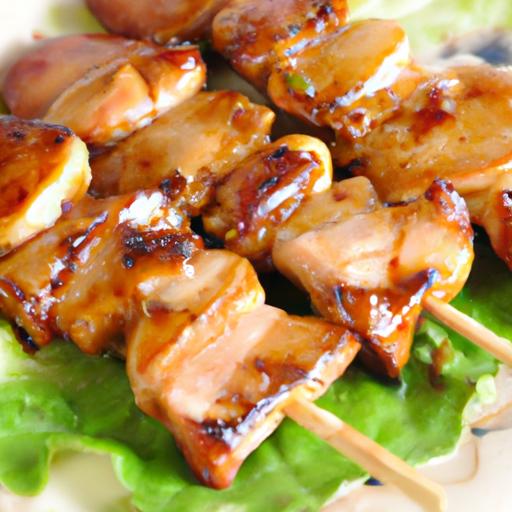

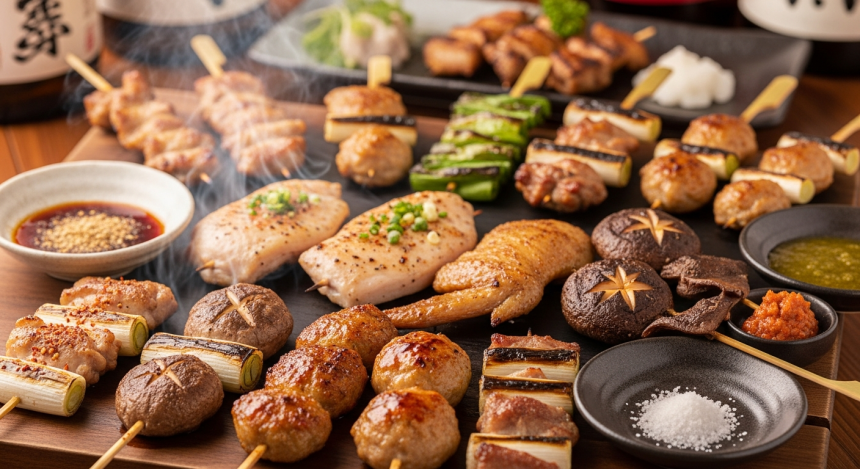
In the bustling streets of japan, where tradition and modernity dance in perfect harmony, a simple yet sublime culinary treasure sizzles quietly over open flames: yakitori. These savory grilled chicken skewers, often enjoyed alongside laughter and clinking glasses, are more than just food-thay are a cultural ritual, a testament to meticulous craft and vibrant flavor. “Yakitori Uncovered: Japan’s Savory Grilled chicken Skewers” invites you to journey beyond the bite, exploring the rich history, masterful techniques, and mouthwatering varieties that make this humble dish a beloved icon of Japanese cuisine. Whether savored at a lively izakaya or crafted at home, yakitori offers a appetizing glimpse into Japan’s heart and hearth.
Yakitori Uncovered is a celebration of Japan’s savory grilled chicken skewers, a dish that carries centuries of tradition and regional flair. From lively izakayas in Tokyo to the quaint streets of Osaka, yakitori transcends mere street food status-its an art form combining simplicity and depth in every bite. My first encounter with yakitori was at a bustling tokyo night market, where the smoky aroma of charcoal-grilled chicken mingled with the chatter of locals, forever inspiring my passion for mastering this timeless craft.
Prep and Cook Time
- Preparation: 20 minutes
- Marinating: 30 minutes (optional but recommended)
- Grilling: 15 minutes
- Total Time: Approximately 1 hour
Yield
Serves 4 hungry guests (about 12 skewers)
Difficulty Level
Medium – perfect for those ready to elevate their grilling skills
Ingredients
- 500g chicken thighs, boneless and skin-on, cut into 1-inch cubes
- 12 bamboo skewers, soaked in water for 30 minutes
- 2 green onions (scallions), cut into 1-inch pieces
- Salt, to taste
- freshly ground black pepper, to taste
- Charcoal or gas grill (for authentic flavor)
- Yakitori Tare Sauce:
- 1/2 cup soy sauce
- 1/4 cup mirin
- 2 tbsp sake
- 2 tbsp granulated sugar
- 1 garlic clove, smashed
- 1-inch piece of ginger, sliced
Instructions
- Prepare the tare sauce: In a small saucepan, combine soy sauce, mirin, sake, sugar, garlic, and ginger. Bring to a gentle boil over medium heat, then reduce to low and simmer for 10 minutes until slightly thickened. Remove from heat and strain the sauce. Let cool.
- Skewer the chicken and scallions: Thread three pieces of chicken and two pieces of green onion alternately onto each soaked bamboo skewer. Leave a bit of space between pieces for even cooking.
- Season lightly: Sprinkle the skewers with a pinch of salt and freshly ground black pepper. You can reserve some skewers for salt-only grilling (“shio yakitori”) and others for tare sauce glazing.
- Preheat your grill: Get your charcoal grill hot enough to produce steady, even heat (around 400°F/200°C). Conventional yakitori flavor comes from the aroma of binchotan charcoal, but a gas grill can work with some tweaks.
- Grill the skewers: Place skewers on the grill and cook for 3-4 minutes per side, turning frequently to avoid burning. If using tare sauce, brush one side with sauce during the last 2 minutes of cooking, turn, then brush the other side.
- Repeat basting: For a glossy, deeply flavored finish, apply a second or even third layer of tare sauce, letting it caramelize slightly without burning.
- Rest and serve: Remove skewers from the grill and allow a brief rest to let juices settle before serving.
Tips for Grilling Yakitori Like a Master Chef
- choose dark meat: Chicken thighs are the star due to their juiciness and flavor, but don’t shy away from experimenting with chicken skin or liver for authentic variations.
- Keep it simple: Authentic yakitori hinges on high-quality ingredients and respect for balance-do not overpower the delicate smoke and savor of the meat.
- control your heat: Avoid direct flames; medium heat with swift turns ensures tender, charred perfection without drying out the meat.
- Marinate strategically: Use tare sauce as both marinade and finishing glaze for deeper flavor, but marinate only briefly to prevent overpowering the chicken’s natural taste.
- Use bamboo skewers soaked in water: This prevents them from burning and splitting on the grill, keeping your yakitori intact and presentation flawless.
- Alternate cuts: Interspersing chicken with scallion or shishito peppers introduces aromatic contrast and texture.
Serving Suggestions
Present your yakitori on a rustic wooden platter garnished with thinly sliced spring onions and a wedge of lemon to brighten flavors. Pair with steamed white rice, a crisp cucumber salad, or a tangy pickled daikon radish for a balanced meal. For an authentic izakaya experience, serve alongside a chilled glass of sake or Japanese beer. A small dish of shichimi togarashi (Japanese chili pepper blend) can add a subtle heat for adventurous palates.

| Nutrient | Per Serving (3 skewers) |
|---|---|
| Calories | 220 kcal |
| Protein | 25 g |
| Carbohydrates | 6 g |
| Fat | 10 g |
For further exploration,see our collection of Japanese grill recipes and deepen your culinary journey. Learn more about the nuances of yakitori and japanese grilling traditions from authoritative resource Japan Guide.
Q&A
Yakitori Uncovered: Japan’s Savory Grilled Chicken Skewers – Q&A
Q1: What is yakitori, and why is it so beloved in Japan?
A1: Yakitori literally means “grilled bird” in Japanese, and it refers to bite-sized pieces of chicken skewered and grilled over charcoal.This humble dish is beloved for its smoky aroma, tender texture, and the way it perfectly balances savory and sweet flavors. More than just food, yakitori is a cultural experience-frequently enough enjoyed with friends over drinks in cozy izakayas (Japanese pubs), making it a delicious social ritual.
Q2: what cuts of chicken are typically used in yakitori?
A2: Unlike typical Western chicken dishes that frequently enough focus on breasts and thighs, yakitori showcases a vast variety of chicken parts-from tender breast meat to juicy thigh, crispy skin (kawa), flavorful liver (reba), and even cartilage (nankotsu). Each cut offers a different texture and taste, inviting adventurous eaters to explore the full chicken beyond the usual.
Q3: How is yakitori seasoned?
A3: Yakitori comes in two main flavor profiles: tare and shio. Tare is a luscious, caramelized glaze made from soy sauce, mirin, sake, and sugar, which coats the chicken during grilling to create a shiny, savory-sweet finish. Shio, conversely, is simply a sprinkle of salt that lets the pure flavor of the grilled chicken shine through. Skilled chefs frequently enough apply both styles to different skewers during a single meal.Q4: What makes the charcoal grilling method special for yakitori?
A4: The secret to authentic yakitori’s irresistible taste lies in the charcoal grill, usually fueled by binchotan-a type of white charcoal prized for its clean heat and minimal smoke. This allows the chicken to cook evenly, gaining a slightly charred exterior yet staying succulent inside. The light smoke infuses a subtle earthiness that can’t be replicated by gas or electric grills.
Q5: Where can one experience the best yakitori in Japan?
A5: Yakitori is everywhere-from bustling street stalls to refined restaurants-but some neighborhoods stand out. Tokyo’s Omoide Yokocho and Yakitori Alley near Shinjuku offer vibrant atmospheres with dozens of tiny joints grilling countless skewers daily.In Osaka, you’ll find locals enjoying yakitori alongside beer in lively taverns. Each place adds its own flavor-both literally and figuratively-to the yakitori tradition.
Q6: Can non-chicken options be found under the yakitori umbrella?
A6: Absolutely! While chicken is the star, many yakitori spots whip up skewers of other meats like pork or beef, and sometimes vegetables such as shiitake mushrooms, green peppers, or quail eggs, all grilled with the same care. These variations reflect the adaptability of yakitori, catering to diverse tastes while preserving the core grilling artistry.Q7: How does yakitori reflect Japanese culture beyond cuisine?
A7: Yakitori embodies principles dear to japanese culture: simplicity, respect for ingredients, and communal enjoyment. It’s a food that brings people together, whether after a long day at work or during festive celebrations. Its unpretentious nature encourages conversation, connection, and the appreciation of craftsmanship-beyond just satisfying hunger, yakitori celebrates human warmth and tradition.
Q8: What tips would you give to someone trying yakitori for the first time?
A8: Keep an open mind and savor the variety! Start with classic skewers like negima (chicken and scallion) or tsukune (chicken meatball) to get a feel for the flavors. Don’t shy away from trying unique parts like chicken skin or liver-each offers new textures and tastes. Pair your skewers with sake or Japanese beer to complete the experience. And most importantly, enjoy the relaxed, convivial spirit that yakitori dining invites.
Embark on your yakitori journey and discover why this simple skewered chicken has captured hearts-and taste buds-across Japan and beyond!
Wrapping Up
As the final ember fades and the last skewer is savored, yakitori reveals itself not simply as grilled chicken on a stick, but as a vibrant thread woven into the rich tapestry of Japan’s culinary heritage. Each bite tells a story of tradition, precision, and communal delight – a reminder that sometimes, the simplest ingredients, when treated with care and passion, can create a symphony of flavor that transcends borders. Whether enjoyed at a bustling street stall or in the quiet comfort of an izakaya, yakitori invites food lovers everywhere to gather, share, and celebrate the timeless art of savoring life one skewer at a time.