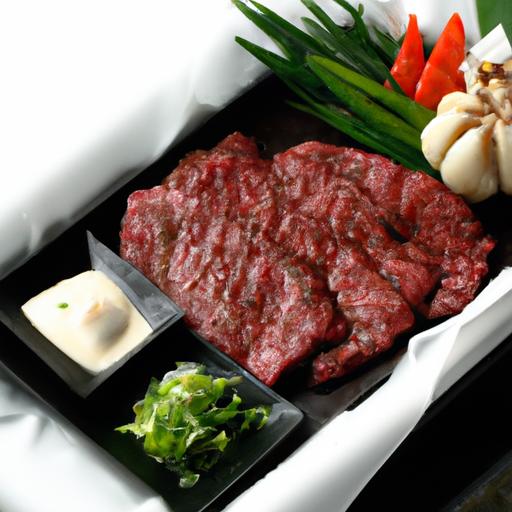

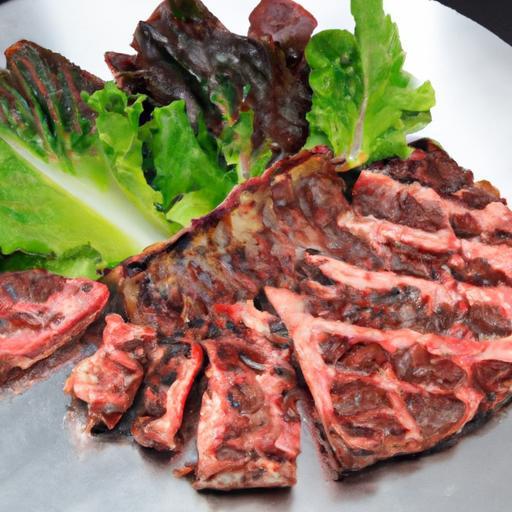
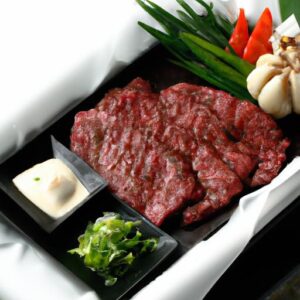
There’s a sizzling secret tucked within the heart of Japanese cuisine-an art form where fire, flavor, and tradition converge on a single grill.Yakiniku, often celebrated as Japan’s answer to BBQ, is far more than just grilled meat; it’s a culinary ritual that transforms simple ingredients into a symphony of taste and texture. In this article, “Yakiniku Unveiled: The Art and Flavor of Japanese BBQ Delight,” we embark on a flavorful journey to explore the origins, techniques, and cultural meaning behind this beloved dining experience. Prepare to ignite your senses and discover why yakiniku has captured the palates and passions of food lovers worldwide.Yakiniku
Unlocking Yakiniku: Mastering the Cuts and Marinades for Authentic Flavor
Yakiniku Unveiled: The art and Flavor of Japanese BBQ Delight begins with understanding the deep-rooted heritage and culinary precision that make this style of grilling a revered tradition in Japan and beyond. Originating from post-war Japan, yakiniku, meaning “grilled meat,” was popularized as a social dining experience where friends and family gather around a charcoal grill. This interactive style not only highlights premium cuts of beef and pork but also celebrates regional nuances and inventive marinades that transform each bite.Yakiniku
Prep and Cook Time
- Preparation: 20 minutes (includes marinade time)
- Cooking: 15-20 minutes
- Total: 40 minutes
Yield
serves 4 excited yakiniku lovers
Difficulty Level
Medium – perfect for home chefs ready to explore authentic Japanese BBQ techniques
Ingredients
- 500g thinly sliced wagyu beef ribeye (for melt-in-your-mouth texture)
- 300g boneless pork belly slices (rich and tender)
- 1 cup yakiniku tare sauce (see marinade below)
- 2 cloves garlic, minced
- 1 tablespoon toasted sesame seeds
- 2 green onions, finely sliced for garnish
- 1 tablespoon vegetable oil (for grill preparation)
- Assorted vegetables: sliced shiitake mushrooms, bell peppers, and zucchini
- For the Yakiniku Tare Marinade:
- 1/2 cup soy sauce
- 2 tablespoons mirin
- 1 tablespoon sake
- 2 tablespoons brown sugar
- 1 teaspoon grated ginger
- 1 tablespoon finely chopped onion
Instructions
- Prepare the Yakiniku Tare: Combine soy sauce, mirin, sake, brown sugar, grated ginger, and chopped onion in a small saucepan. Bring to a simmer, then reduce heat to low. Cook gently untill slightly thickened, about 8 minutes. Strain and cool.
- Marinate the Meat: Place the thin slices of wagyu and pork belly in a shallow dish. Pour in 3/4 cup of the prepared tare and minced garlic. Turn to coat evenly. Cover tightly and refrigerate for at least 15 minutes, preferably 2 hours for deeper flavor penetration.
- Prep the Grill: Heat a tabletop charcoal grill or cast-iron grill pan over medium-high heat. Lightly brush with vegetable oil to prevent sticking and to add a subtle smoky aroma.Yakiniku
- Grill the Meat: Using tongs, place a few slices of marinated meat on the grill in a single layer. grill each side for 1-2 minutes until caramelized with grill marks and just cooked through. Avoid overcooking to maintain tenderness.Yakiniku
- Vegetables on the Grill: Simultaneously, grill the shiitake mushrooms, bell peppers, and zucchini slices lightly brushed with tare sauce until tender, about 3-4 minutes per side.
- Serve and Garnish: Arrange grilled meats and vegetables on a large platter.Sprinkle with toasted sesame seeds and sliced green onions. Offer extra tare sauce for dipping.
- Enjoy: Encourage diners to grill their own pieces for an interactive and communal experience, savoring the smoky aroma and rich umami.
Tips for Success
- Choosing cuts: Prioritize marbling in the beef ribeye for authentic yakiniku flavor; thin slicing is crucial – ask your butcher to slice it paper-thin.
- Marinade timing: For best results, marinate for 2-3 hours, but no longer than overnight to avoid overly soft texture.
- Grill heat: Keep your grill hot but controlled. A too-high flame chars the meat; too low results in steaming.Yakiniku
- Vegetarian option: Grilled shiitake and bell peppers flavored with tare provide robust umami for plant-based guests.
- Make-ahead: Prepare tare sauce in advance and refrigerate for up to 1 week for convenience.Yakiniku
Serving Suggestions
Pair your yakiniku feast with steaming bowls of Japanese steamed white rice and a crisp cucumber kimchi salad to balance the richness. A refreshing cup of cold barley tea or a chilled sake enhances the experience. Serve with small plates of pickled daikon radish and freshly sliced scallions for an additional burst of freshness.present the platter surrounded by dipping sauces – wasabi soy and ponzu – to add layers of taste.

| nutrient | Per Serving |
|---|---|
| Calories | 450 kcal |
| Protein | 38g |
| Carbohydrates | 12g |
| Fat | 28g |
Exploring Top Regional Variations and Must-Try Yakiniku Restaurants
While the essential spirit of yakiniku – social grilling of exquisite cuts – remains constant,regional variations from Osaka’s sweet and savory tare to Hokkaido’s robust charcoal flavors add exciting dimensions. Notable hotspots include Tokyo’s famed Yakiniku Jumbo Hanare, revered for its exclusive A5 wagyu, and Osaka’s Matsusakagyu Yakiniku M, where premium Matsusaka beef takes center stage. For a deep dive into related Japanese culinary traditions, check out our japanese ramen recipes article to complement your yakiniku evenings.
Q&A
Q&A: Yakiniku Unveiled – The Art and Flavor of Japanese BBQ Delight
Q1: What exactly is yakiniku?
A1: Yakiniku, literally meaning “grilled meat” in Japanese, is more than just a way of cooking-it’s an experience. This style of Japanese barbecue involves grilling bite-sized pieces of meat and vegetables over a direct flame, often at the diner’s table. It’s a communal festivity of flavors, textures, and the art of grilling that turns every meal into a savory ritual.
Q2: How did yakiniku originate?
A2: Yakiniku’s roots trace back to the early 20th century, influenced by Korean barbecue traditions introduced to Japan. Over time, it evolved uniquely within Japanese cuisine, focusing on premium cuts of beef, meticulous preparation, and an array of dipping sauces that enhance rather than overpower the natural flavors of the meat.
Q3: What types of meat are used in yakiniku?
A3: While beef reigns supreme in yakiniku, especially prized cuts like wagyu and kalbi (short ribs), the menu often includes pork, chicken, and even offal. Each cut offers a different texture and flavor profile,inviting diners to savor everything from tender marbled slices to crispy,caramelized edges.
Q4: What makes yakiniku different from other BBQ styles?
A4: unlike many Western BBQs that rely on slow cooking, yakiniku is all about swift grilling over high heat. The emphasis lies on precision-grilling thin slices just enough to sear and lock in juices without masking the meat’s intrinsic flavors. The communal grill at the table also adds a social, interactive dimension unique to yakiniku.
Q5: Are there particular sauces or seasonings integral to yakiniku?
A5: Absolutely! While the meat is often simply salted or lightly seasoned before grilling, the magic happens when dipping it into tare sauce-a savory-sweet blend of soy sauce, mirin, garlic, sesame, and sometimes fruit extracts.This sauce complements the smoky char with a burst of umami that dances on the palate.
Q6: Can vegetables and other non-meat items be enjoyed in yakiniku?
A6: definitely. Seasonal vegetables such as mushrooms, bell peppers, onions, and eggplant are commonly grilled alongside the meat, providing a fresh, slightly crisp counterpoint. Some yakiniku spots also serve seafood and tofu, ensuring there’s something for every taste.
Q7: How shoudl one approach dining at a yakiniku restaurant for the first time?
A7: Dive in with curiosity and a sense of adventure! Start with lighter cuts to appreciate the subtle flavors, then experiment with dipping sauces and varying grilling times. Engage with your fellow diners; grilling together fosters connection and makes the meal an immersive,joyful discovery of taste and technique.Q8: Is yakiniku healthy?
A8: when enjoyed in moderation, yakiniku can be quite balanced. The emphasis on lean cuts, fresh vegetables, and quick grilling means less fat rendered compared to slower BBQ methods. Plus, the interactive nature encourages mindful eating and savoring each bite.Yakiniku
Q9: Where can one enjoy authentic yakiniku outside Japan?
A9: Authentic yakiniku experiences have blossomed worldwide, from bustling urban food courts to upscale dining establishments. Look for places that offer tabletop grills, fresh high-quality meats, and traditional sauces. some restaurants even import wagyu from Japan, ensuring that you can experience genuine flavors wherever you are.Yakiniku
Q10: What is the cultural significance of yakiniku in Japan?
A10: Beyond gastronomy, yakiniku symbolizes togetherness and celebration. Whether it’s family gatherings, after-work bonding, or casual nights out, yakiniku tables are places where stories are shared over smoky bites, embodying a deeper gratitude of food, friendship, and craft.
Yakiniku is more than just a meal-it’s an invitation to partake in a flavorful Japanese tradition that honors quality, technique, and the joy of communal dining. Ready to light up the grill?
Key Takeaways
As the smoky aroma of sizzling meat fades and the last bite of tender, marinated goodness lingers on your palate, Yakiniku reveals itself as more than just a meal-it’s a celebration of craftsmanship, culture, and connection. This Japanese BBQ delight invites diners not only to savor a symphony of flavors but also to partake in an age-old tradition that honors patience, precision, and communal joy. Whether you’re a seasoned Yakiniku enthusiast or a curious newcomer, embracing this culinary art offers a appetizing gateway into Japan’s rich gastronomic heritage. So next time you gather around the grill, remember: each charred slice tells a story, each dipping sauce unlocks a memory, and every shared platter is a toast to the timeless art of Yakiniku.