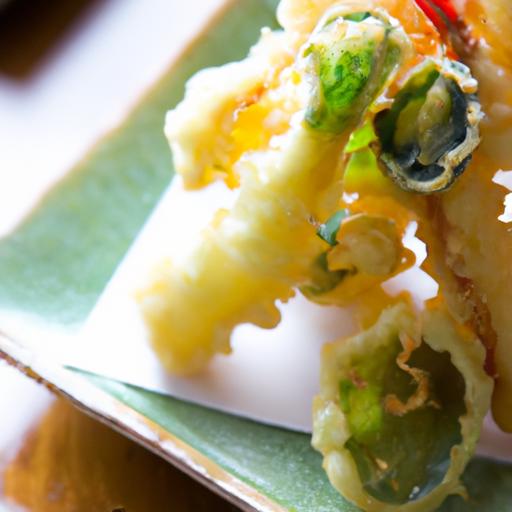

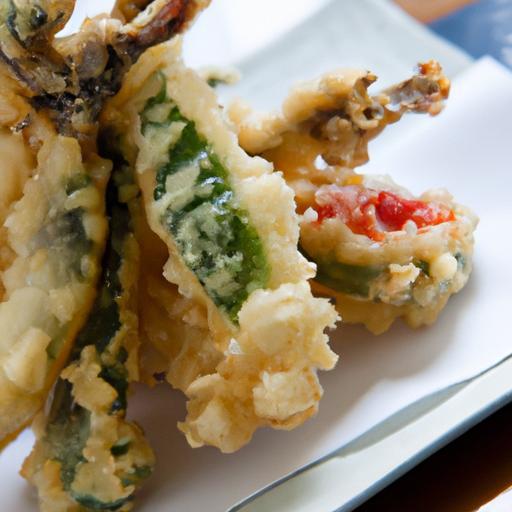
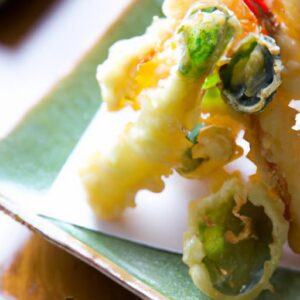
There’s something undeniably magical about biting into a piece of vegetable tempura-its delicate, golden crust shatters instantly, revealing tender, vibrant vegetables bursting with natural flavour. This iconic Japanese dish,celebrated for its lightness and crisp texture,transforms humble veggies into a crispy delight that’s as pleasing to the eye as it is to the palate. Whether you’re a seasoned home cook or a curious foodie eager to expand your culinary repertoire, mastering the perfect vegetable tempura recipe opens the door to a world where simplicity meets sophistication. In this article, we’ll unravel the secrets behind achieving that flawless, airy batter and share tips to ensure every bite delivers that quintessential crunch you crave.Get ready to elevate your cooking and bring a touch of tempura magic to your kitchen!
choosing the Ideal Vegetables for Ultimate Crispiness
Crispy Delight begins with selecting vegetables that naturally lend themselves to a light, crunchy texture. Root vegetables like sweet potatoes, carrots, and daikon radish provide a satisfying bite, while tender options such as green beans, shiso leaves, and baby corn add delicate crispness. The secret lies in choosing vegetables with moderate moisture content to prevent sogginess and encourage a stunning crunch when fried. Slice vegetables into even, thin pieces to ensure swift, uniform cooking.
Crafting the Lightest tempura Batter with essential Ingredients
The hallmark of an unforgettable tempura is its batter. Achieving the lightest tempura batter means simplicity combined with precision. Start with ice-cold water and low-gluten flour to develop minimal gluten, keeping the batter airy and crisp.Incorporate a hint of rice flour or cornstarch for extra crunch. Instead of over-mixing, gently fold ingredients to leave a few lumps; this uneven texture helps trap air pockets during frying, resulting in a delicate, feather-light coating. Some chefs swear by adding an egg yolk for richness, while others prefer sparkling water to elevate crispiness even further.
Techniques for achieving the Perfect Golden Crunch Every Time
Mastering the perfect golden crunch is a combination of batter technique and frying prowess. Dredge vegetables lightly before dipping into batter to help it cling evenly.When adding tempura to the hot oil, do so gently and individually, preventing clumps and ensuring each piece fries evenly. Maintain an oil temperature between 340°F to 360°F (170°C to 180°C); too hot and the batter burns, too cool and the crispiness is lost. Drain fried pieces on a wire rack rather than paper towels to keep them from steaming and softening.
Expert Tips for Frying Temperature Control and Oil selection
choosing the right oil dramatically affects your tempura’s texture and flavor. Neutral oils with high smoke points like grapeseed oil, canola oil, or refined peanut oil are ideal for maintaining clean, even frying. Use a thermometer to monitor temperature steadily; fluctuations not only introduce grease but rob crispiness. For an extra touch, drain oil in between batches and replenish with fresh oil to preserve clarity and prevent off-flavors from burnt residue. Serious Eats offers excellent in-depth guidance on temperature control and oil selection for frying.
Prep and Cook Time
- Preparation: 20 minutes
- Cooking: 15 minutes
- Total Time: 35 minutes
Yield
Serves 4 as an appetizer
Difficulty Level
intermediate – requires attention to timing and frying technique
Ingredients
- 1 cup low-gluten all-purpose flour, sifted
- 1/4 cup rice flour or cornstarch
- 1 large egg yolk (optional, for richness)
- 1 cup ice-cold sparkling water or plain ice-cold water
- 1 medium sweet potato, peeled and thinly sliced
- 6 green beans, trimmed
- 1 small carrot, peeled and julienned
- 4 shiso leaves or substitute with basil leaves
- ½ cup baby corn
- Salt, to taste
- Neutral oil for frying (grapeseed, canola, or peanut oil)
Instructions
- Prepare vegetables: Wash and dry thoroughly. Slice sweet potato into thin rounds, trim green beans, julienne carrots, pat shiso leaves dry, and set baby corn aside.
- Make the batter: In a chilled bowl, gently whisk the egg yolk (if using) with ice-cold sparkling water. Carefully fold in sifted flours without over-mixing. It’s okay if the batter has lumps.
- Heat oil: Pour neutral oil into a deep pot or fryer to a depth of at least 2 inches. Heat to 350°F (175°C),monitoring with a thermometer.
- Dust vegetables: Lightly coat vegetables with a pinch of flour. This layer helps the batter adhere better.
- Batter dip: One by one,dip vegetables into the tempura batter,allowing excess to drip off.
- Fry: Gently place battered vegetables into hot oil. Do not overcrowd. Fry in batches for about 2-3 minutes, turning occasionally until crisp and golden.
- drain: Remove and drain on a wire rack to prevent sogginess.
- Season: sprinkle lightly with salt while still hot.
- Serve instantly for best texture.
Tips for Success
- Use ice-cold water for batter – warmth activates gluten making batter heavy.
- Maintain oil temperature between 340°F-360°F to avoid greasy or burnt tempura.
- Avoid overmixing batter; lumps create a light texture.
- Dry vegetables fully to prevent oil splatters and soggy batter.
- For gluten-free versions, replace low-gluten flour with rice flour entirely, adjusting water as needed.
- Prepare vegetables and batter close to frying time – batter sits well chilled but loses fizz and crispness if rested too long.
Serving Suggestions
Present your vegetable tempura on a bamboo mat or minimalist ceramic plate lined with parchment. Serve alongside a small dipping bowl of classic tentsuyu sauce-a mix of dashi broth, soy sauce, and mirin, garnished with freshly grated daikon. Garnish with a wedge of lemon or a sprinkle of toasted sesame seeds for a burst of aroma. Pair with steamed jasmine rice or a light, refreshing cucumber salad to balance the richness.

| Nutrient | Per Serving |
|---|---|
| Calories | 220 kcal |
| Protein | 3 g |
| carbohydrates | 28 g |
| Fat | 10 g |
For more innovative ways to elevate your tempura experience, check out our comprehensive Japanese Tempura Guide.
Q&A
Q&A: Crispy Delight – Mastering the Perfect Vegetable Tempura Recipe
Q1: What is vegetable tempura, and why is it so beloved?
A: Vegetable tempura is a classic Japanese dish where fresh vegetables are lightly battered and fried to golden, airy crispness. It’s beloved for its delicate crunch,subtle flavors,and the way it elevates humble veggies into a gourmet experience. The light batter allows the natural sweetness and textures of the vegetables to shine, creating a perfect harmony of taste and texture.
Q2: Which vegetables work best for tempura?
A: The best tempura veggies are those with a firm texture and natural sweetness. Think sweet potatoes, bell peppers, green beans, asparagus, eggplant, shiitake mushrooms, and zucchini. Each brings its own character – sweet potatoes offer a soft, slightly creamy interior beneath their crisp shell, while asparagus delivers a fresh snap. Variety adds visual appeal and layers of flavor.
Q3: What’s the secret to achieving that iconic light and crispy tempura batter?
A: The golden rule is coldness and minimal mixing.Use ice-cold water and sifted wheat flour; avoid overworking the batter – a few lumps are perfectly fine! This cold batter hitting hot oil creates steam that puffs up the coating, resulting in that feather-light crunch. Sometimes, a touch of sparkling water or even a beaten egg can add extra crispness.
Q4: Can I prepare the batter in advance?
A: it’s best to prepare the batter fresh and just before frying. The magic of tempura lies in the contrast between cold batter and hot oil, which diminishes if the batter sits too long.If you need to prep ahead, keep the dry ingredients separate and combine just before frying.
Q5: what type of oil should I use for frying?
A: Choose oils with high smoke points and neutral flavor – like vegetable, canola, or peanut oil. Maintaining a steady temperature between 340°F to 360°F (170°C to 180°C) is key to cooking the tempura uniformly without greasy sogginess.
Q6: How do I know when the tempura is perfectly cooked?
A: Look for a light golden hue with a crisp texture; the batter should be airy, not dense or oily.The vegetables inside should be tender but not mushy. drain on paper towels immediately after frying to whisk away excess oil and preserve crunch.
Q7: what dipping sauces complement vegetable tempura?
A: The customary accompaniment is tentsuyu – a soothing blend of dashi, soy sauce, and mirin. For a twist, try ponzu for a citrusy zing or a simple sprinkle of sea salt with a wedge of lemon. These enhance the flavors without overpowering the delicate tempura.
Q8: any tips for serving and enjoying vegetable tempura?
A: Serve tempura hot and fresh for best texture. Pair with steamed rice or soba noodles for a fuller meal, and add pickled vegetables or a light salad on the side. Tempura is not just food; it’s a celebration of texture and subtle flavor – eat slowly and savor every crispy bite!
Mastering vegetable tempura is an art of balance,freshness,and timing. With these tips in hand,you’re well on your way to creating your own crispy delight at home. Happy frying!
Concluding Remarks
As the delicate crunch of your vegetable tempura fades into a satisfied sigh, you’ll realize that mastering this crispy delight is more than just following a recipe-it’s an artful dance of batter, heat, and timing.With each golden bite, you unlock a world where simple vegetables transform into irresistible morsels of texture and flavor. So next time you crave that light, airy crispiness, remember: perfection lies in the details, from choosing the freshest produce to perfecting that shimmering batter.Embrace the process, experiment boldly, and let your kitchen become a tempura haven where every crispy creation tells a story of culinary patience and joy. Happy frying!