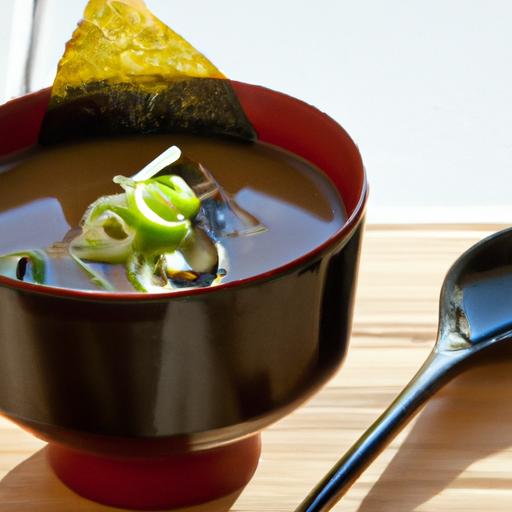

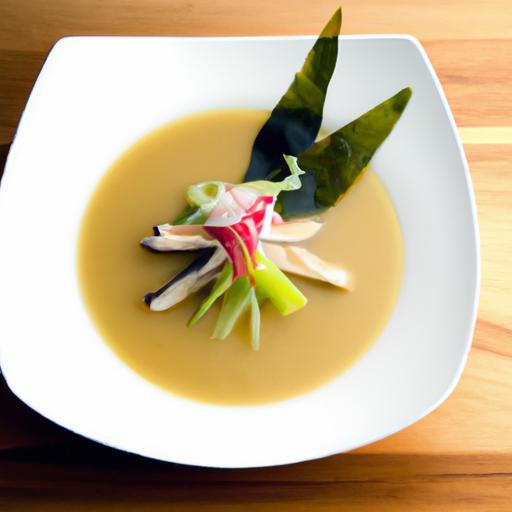

In the world of flavors, umami stands as the mysterious fifth taste-rich, savory, adn deeply satisfying. At the heart of unlocking this savory secret lies miso soup,a timeless Japanese comfort that warms the soul and awakens the palate. Whether you’re a seasoned foodie or a curious beginner, this ultimate miso soup recipe guide will take you on a culinary journey to master the art of umami. From selecting the perfect miso paste to balancing ingredients that dance harmoniously in your bowl, prepare to transform a humble soup into an unforgettable experience. Get ready to dive spoon-first into the savory symphony that is miso soup-as umami isn’t just a taste, it’s a revelation.
Understanding the Deep Flavor Profile of miso and Its Umami Power
Unlock Umami begins with truly appreciating the intricate layers within miso paste.This ancient fermented soybean condiment carries a rich, savory essence known as umami-often described as the fifth taste that elevates dishes beyond salty, sweet, sour, and bitter. The magic of miso lies in its complex blend of nuttiness, earthiness, and subtle sweetness combined with a lingering depth that enhances every spoonful of soup. Crafted thru fermentation involving soybeans, grains, and salt, miso’s flavor profile deepens over time, creating tastes ranging from shining and mild to rich and pungent depending on the variety used.
With its umami power, miso acts as a natural flavor enhancer, intensifying both subtle and bold ingredients, making it a basic cornerstone in Japanese cuisine and an inspiring addition to global flavors.Understanding these qualities unlocks endless possibilities for crafting soul-warming soups that resonate with comfort and satisfaction.
Selecting the Perfect Miso Paste for Your Soup Adventure
Finding the right miso paste is essential in your miso soup journey. There are primarily three popular types: white miso (shiro), red miso (aka), and mixed miso (awase). White miso offers a light, sweet, and delicate profile ideal for gentle broths and spring vegetables. Red miso boasts a robust,deeply savory character with stronger fermented notes perfect for hearty,winter soups.
Mixed miso bridges these two, providing a balanced umami depth suitable for everyday miso soup. Always look for high-quality, traditionally fermented pastes-organic options often ensure richer flavors and cleaner profiles. Consider the salt level too, as darker misos tend to be saltier. Don’t hesitate to experiment; even small differences can dramatically transform the umami intensity in your bowl.
Crafting the Ideal Broth Base to Enhance Umami Notes
Building an umami-packed broth is a graceful dance of combining ingredients that complement and amplify miso’s savory magic. The foundation is usually dashi, a light Japanese stock traditionally made from kombu (kelp) and bonito flakes, delivering briny and smoky umami undertones. For vegetarian or vegan versions, kombu paired with shiitake mushrooms creates a deeply satisfying broth that highlights the miso’s natural sweetness.
To amplify depth, consider melding in ingredients like dried anchovies, dried sardines, or adding a splash of sake or mirin during cooking-these subtly build layers without overpowering the delicate miso character. Remember,gentle warming preserves the vibrant flavors,as boiling miso can dull its nuanced profile.
Top Ingredients and Techniques to Elevate Your Miso Soup Experience
Incorporating fresh, thoughtfully selected ingredients brings your miso soup to life. Classic add-ins like silken tofu, wakame seaweed, scallions, and enoki mushrooms contribute varying textures and complement umami flavors beautifully. For a rustic touch, root vegetables like daikon and carrot offer subtle sweetness and body.Experimenting with toasted sesame seeds, yuzu zest, or a drizzle of chili oil can add unexpected brilliance.
technique matters: dissolve the miso paste off heat to avoid bitterness and stir gently until fully incorporated. add tofu and soft vegetables at the end to maintain their delicate textures. Remember, the art of miso soup lies in balance-each component enhancing the others in harmony, creating a soulful bowl that warms both palate and heart.
Prep and Cook Time
- Prep Time: 10 minutes
- cook Time: 15 minutes
Yield
Serves 4 generous bowls
Difficulty Level
Easy – perfect for home cooks and beginners
Ingredients
- 4 cups water
- 1 piece (8-inch) kombu (dried kelp)
- 1 cup bonito flakes (optional for non-vegetarian dashi)
- 3 tablespoons white miso paste (adjust for taste)
- 1/2 cup silken tofu, cubed
- 2 tablespoons dried wakame seaweed, soaked and drained
- 2 scallions, thinly sliced
- 1/2 cup enoki or shiitake mushrooms, trimmed
- 1 teaspoon soy sauce (optional)
Instructions
- Prepare the dashi broth: Combine water and kombu in a medium pot, soak for 30 minutes, then gently heat until just before boiling; remove kombu.
- Add bonito flakes: Stir in bonito flakes, simmer for 3 minutes, then strain the broth through a fine sieve. (skip this step for a vegetarian broth and use dried shiitake soaking water instead.)
- Reheat the broth: Return broth to low heat; add mushrooms and wakame.
- Dissolve miso paste: Ladle about 1/2 cup of hot broth into a bowl, whisk in miso paste until smooth, then gently stir back into the pot off heat-avoid boiling.
- Add tofu: Carefully fold in the cubed tofu and warm through for 1-2 minutes.
- finish and season: Taste and adjust saltiness with soy sauce if desired. Remove from heat once everything is heated evenly.
- Garnish and serve: Ladle soup into bowls and scatter sliced scallions on top just before serving.
Chef’s Notes: Tips for Success
- for milder soup: Use white miso, which is lower in salt and fermentation time.
- For deeper, richer flavor: Try red miso or a blend (awase miso), adjusting quantity to balance saltiness.
- Heat gently: Never boil miso directly to preserve its complex enzymes and flavor nuance.
- Make-ahead tip: Prepare dashi broth in advance and refrigerate for up to 3 days.
- Customize with vegetables: Add seasonal greens like spinach or thinly sliced napa cabbage for freshness.
Serving Suggestions
Serve miso soup in warm lacquered bowls to retain heat. Pair with a side of steamed rice and pickled vegetables for a customary Japanese meal. Garnish with thinly sliced nori, a sprinkle of toasted sesame seeds, or a few drops of fragrant sesame oil to add complexity and texture contrast. A fresh wedge of yuzu or lime on the side can brighten the broth just before eating.
| Nutrient | Per Serving |
|---|---|
| Calories | 70 kcal |
| Protein | 5 g |
| Carbohydrates | 4 g |
| Fat | 2 g |
Learn more about dashi stock to deepen your understanding of this foundational broth.
For an exciting twist on traditional miso soup, check our Japanese ramen recipe guide to explore broader applications of miso paste in rich broths.

Q&A
Q&A: Unlock Umami – The Ultimate Miso Soup recipe Guide
Q1: What exactly is umami, and why is it so critically important in miso soup?
A: Umami is frequently enough called the “fifth taste,” a savory, mouthwatering flavor that deepens the overall experience of a dish. In miso soup, umami is the star player, created by ingredients like miso paste, dashi broth, and seaweed. It’s what turns a simple bowl of soup into a comforting, flavor-packed hug for your palate.
Q2: What type of miso is best for making authentic miso soup?
A: the choice depends on your flavor preference! White miso (shiro) is mild and slightly sweet, perfect for a light, delicate soup. Red miso (aka) offers a stronger, richer, and saltier punch, ideal for robust, hearty bowls. You can also blend different misos to find your perfect umami harmony.
Q3: How do you create the perfect dashi broth that unlocks umami?
A: Dashi is the soul of miso soup-typically made from kombu (kelp) and katsuobushi (bonito flakes). Slowly simmer the kombu in water to extract its rich umami, then add katsuobushi off heat for a fleeting steep. Strain gently to preserve clarity and flavor. Vegetarians can swap katsuobushi for dried shiitake mushrooms for a deep umami punch.
Q4: Can I add other ingredients to miso soup without losing that classic umami taste?
A: Absolutely! Tofu, wakame seaweed, thinly sliced green onions, and daikon radish are traditional companions that boost umami without overpowering it. For a twist, try adding mushrooms or clams-each ingredient layers new depth while keeping the soup’s umami essence alive.
Q5: Is there a secret to adding miso paste without ruining the delicate flavors?
A: Yes-the trick is to never boil the miso. after your dashi broth is ready and hot (not boiling), stir in the miso paste slowly and gently dissolve it.Boiling can kill the probiotics and dull that subtle umami magic, so treat miso like a delicate treasure.
Q6: How long can I store miso soup without compromising its umami-rich flavor?
A: Miso soup is best enjoyed fresh to savor the vibrant umami.If you must store it, refrigerate in an airtight container for up to two days. Reheat gently, avoiding boiling, to protect the flavors. For maximum umami impact, fresh is always best!
Q7: Can miso soup be a part of a balanced diet?
A: Definitely! It’s low in calories, rich in probiotics, and packed with umami that satisfies cravings naturally. Plus, the protein from tofu and the minerals from seaweed make it a nourishing, savory sip that supports a healthy lifestyle.
Unlocking umami is an art and a joy-with this ultimate miso soup guide, your kitchen will soon be filled with the irresistible aroma and taste of Japan’s savory secret.
The Conclusion
As you’ve discovered, unlocking the rich, savory depth of umami through the perfect miso soup recipe is both an art and a joyful journey.Whether you’re simmering delicate dashi or choosing between white, yellow, or red miso, each step brings you closer to a bowl brimming with comfort and complexity. So gather your ingredients, embrace the subtle alchemy of fermentation, and let this ancient elixir warm your soul and elevate your cooking. With this ultimate guide in hand, the door to umami is wide open-ready for you to savor, share, and reinvent time and again.