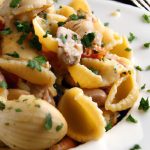

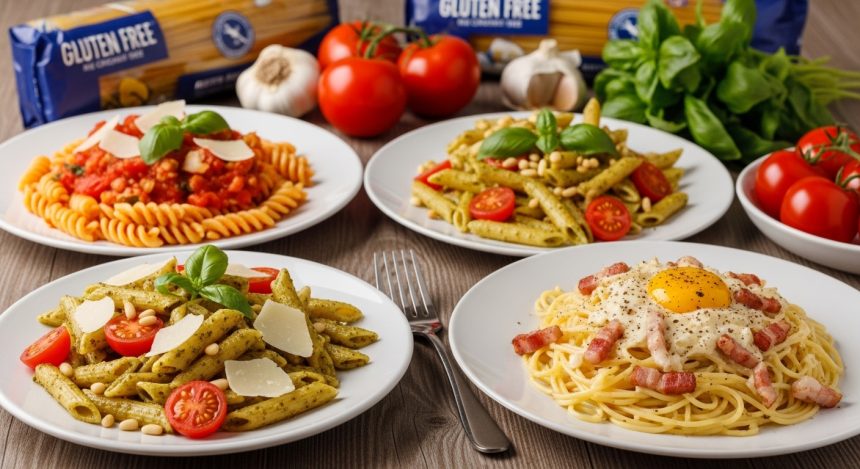
Italy’s culinary heritage is a rich tapestry woven with vibrant flavors, fresh ingredients, and time-honored techniques-none more iconic than its beloved pasta. But what happens when tradition meets modern dietary needs? Enter the world of gluten-free Italian pasta, where ancient recipes are lovingly reimagined to embrace everyone at the table. In this article, we’ll take you on a flavorful journey that twists classic Italian pasta dishes into appetizing, gluten-free creations. Whether you’re gluten-intolerant, health-conscious, or simply curious, discover how to savor the true essence of Italy without compromise. Dive in and let these innovative recipes inspire your next meal, where tradition and wellness beautifully intertwine.
Exploring Ancient Grains for Authentic Gluten-Free Italian Flavors
Twist on Tradition: Delicious Gluten-Free Italian pasta Recipes invites you to rediscover Italy’s rich culinary heritage through the vibrant textures and nutty nuances of ancient grains. These grains, such as quinoa, teff, sorghum, and amaranth, bring a wholesome complexity to gluten-free pasta, emulating the authentic Italian spirit without compromise. I fondly recall my first encounter with sorghum flour in a rustic Tuscan village kitchen, where the fragrant aroma of freshly made pasta filled the air, inspiring me to recreate that magic at home.
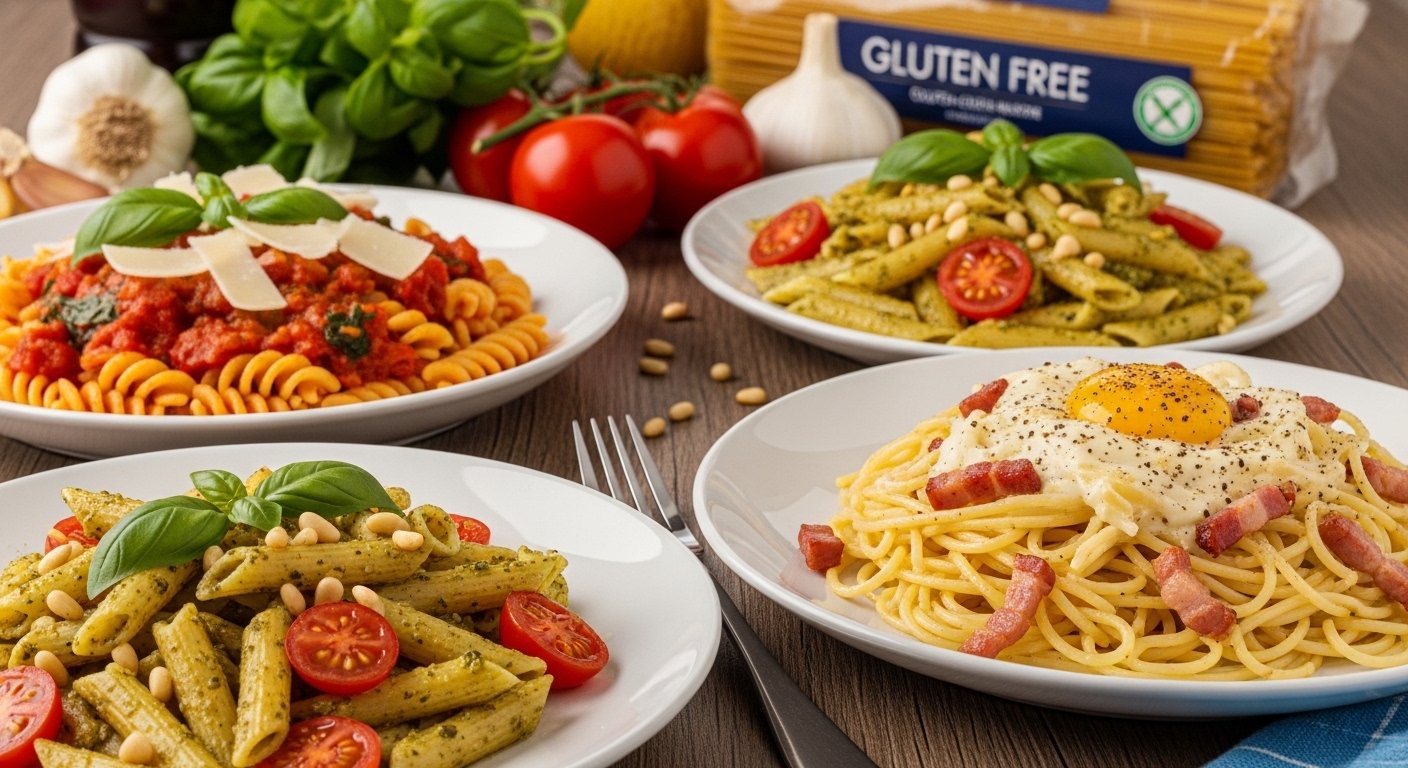
Prep and Cook Time
- Preparation: 20 minutes
- Rest Time: 30 minutes
- Cooking: 5-7 minutes
Yield
- Serves 4 generous portions
Difficulty Level
- Medium – Ideal for adventurous home cooks ready to master gluten-free doughs
Ingredients
- 1 cup sorghum flour, finely ground
- 1/2 cup quinoa flour, sifted
- 1/4 cup tapioca starch
- 1/2 teaspoon xanthan gum (for elasticity)
- 1/2 teaspoon salt
- 3 large eggs, at room temperature
- 1 tablespoon olive oil, extra virgin
Instructions
- Combine the dry ingredients: In a large bowl, whisk together sorghum flour, quinoa flour, tapioca starch, xanthan gum, and salt until evenly blended. This mix forms the foundation of your gluten-free dough, delivering that subtle nutty flavor and ideal texture.
- Create a well: Form a crater in the center of the dry mixture and crack the eggs into it along with the olive oil.using a fork, gently beat the eggs, gradually incorporating the flour from the edges.
- Knead the dough: When the mixture starts to bind, transfer to a lightly floured surface (using sorghum flour).Knead gently for 5-7 minutes until the dough is smooth and elastic – it should feel soft without sticking excessively.
- Rest the dough: Wrap in plastic and refrigerate for 30 minutes.Resting allows the flours to hydrate fully, making rolling and shaping more manageable.
- Roll and shape: Roll the dough thinly with a rolling pin or pasta machine, dusting with flour to prevent sticking. Cut into your favorite shapes such as fettuccine, tagliatelle, or delicate ravioli.
- Cook: Boil salted water and cook pasta for 5-7 minutes or until al dente. Fresh gluten-free pasta is tender yet holds its shape beautifully,ready to soak up saucy goodness.
Innovative Sauces That Elevate Gluten-Free Pasta
Elevate your hand-crafted gluten-free pasta with sauces that celebrate freshness and depth. consider a roasted garlic and sun-dried tomato cream sauce, which perfectly complements the earthy grain profile with sweet acidity and a silky finish.Alternatively, a vibrant basil and toasted walnut pesto brings a luxurious nutty crunch. fresh herbs, seasonal vegetables, and premium olive oil make the flavors sing.
Pairing Your Dishes with perfect Gluten-Free Italian Wines
Pair your gluten-free Italian feast with wines that balance and enhance your meal’s character. A crisp Vermentino offers luminous citrus notes against richer sauces, while a medium-bodied Chianti Classico harmonizes fabulously with earthy grains and tomato-based dishes. For an alluring touch, a sparkling Prosecco complements lighter,herbaceous pasta creations and cleanses the palate with effervescence.
Chef’s Notes
- For a vegan version, substitute eggs with chia egg mixture (1 tablespoon chia seeds + 3 tablespoons water, rested for 10 minutes).
- If dough feels crumbly, add a teaspoon of warm water or olive oil to improve elasticity.
- Use only fresh flours for best results; store flours in airtight containers to maintain quality and prevent spoilage.
- Make pasta sheets ahead and freeze flat; layer parchment between sheets to prevent sticking.
- Experiment with other ancient grains like millet or buckwheat for nuanced flavor variations.
Serving Suggestions
Present your gluten-free pasta tossed gently in sauce, finished with freshly grated Parmigiano-Reggiano or a sprinkle of toasted pine nuts for texture contrast. Garnish with vibrant basil leaves or microgreens to add color and freshness. Serve alongside a crisp side salad with lemon vinaigrette and a basket of gluten-free focaccia or rustic bread to complete the Italian experience.

| Nutrition | Per Serving |
|---|---|
| Calories | 320 kcal |
| Protein | 10 g |
| Carbohydrates | 45 g |
| Fat | 8 g |
Ready to explore more gluten-free Italian creations? check out our Gluten-Free Italian Desserts for a sweet ending to your meal.
Q&A
Q&A: Twist on Tradition - Delicious Gluten-Free Italian Pasta Recipes
Q1: What inspired the idea of creating gluten-free Italian pasta recipes?
A1: Italian cuisine is renowned worldwide, but conventional pasta often contains gluten, limiting enjoyment for those with dietary restrictions. The idea sprang from a desire to honour italian culinary heritage while making it accessible to everyone. By experimenting with choice flours and innovative techniques, gluten-free pasta can be just as comforting, satisfying, and delicious as the classic versions.
Q2: How do gluten-free pasta recipes differ from traditional Italian pasta?
A2: The main difference lies in the ingredients and texture. While traditional pasta is made from wheat flour, gluten-free pasta uses flours like rice, chickpea, corn, or quinoa. These impart unique flavors and textures, often a bit heartier or more delicate, but equally enjoyable. The key is balancing moisture and binding agents to mimic the elasticity and bite of classic pasta.
Q3: Can gluten-free pasta truly capture the authentic Italian flavor experience?
A3: Absolutely! Authenticity isn’t just about ingredients; it’s about the passion and spirit behind the dish. Using fresh, high-quality ingredients – like ripe tomatoes, fragrant basil, extra virgin olive oil, and artisanal cheeses – bridges any gap. plus, gluten-free pasta can bring a fresh twist, enhancing the dish with new textures and subtle nutty or earthy notes.
Q4: Which gluten-free flours work best for homemade Italian pasta?
A4: Some popular choices include almond flour for richness, chickpea flour for a slightly nutty flavor, and brown rice flour for a more neutral base.Blends often work best, combining the strengths of each flour to create a dough that’s pliable and flavorful. Experimentation is key to finding your personal favorite.
Q5: What tips can help prevent gluten-free pasta from falling apart during cooking?
A5: Gentle handling is essential. Use plenty of boiling salted water to cook your pasta, and avoid overcooking – gluten-free pasta frequently enough cooks faster than wheat-based versions. incorporating xanthan gum or psyllium husk into your dough can improve elasticity. Also, stirring carefully and draining pasta right away prevents it from becoming mushy.
Q6: Are there any classic Italian dishes that adapt especially well to gluten-free versions?
A6: Yes! Dishes like Pesto Genovese, Cacio e Pepe, and classic tomato-based sauces shine with gluten-free pasta. The simplicity of these recipes lets the pasta’s texture and the sauce’s fresh ingredients take center stage. Even hearty dishes like Lasagna can be reimagined with gluten-free noodles or thinly sliced vegetables.
Q7: How can gluten-free pasta be incorporated into everyday meals?
A7: gluten-free pasta is versatile and rapid-cooking,making it perfect for weeknight dinners or remarkable weekend feasts. Pair it with seasonal veggies, bold herbs, or simple olive oil and garlic for a fast meal. It also works well in pasta salads, soups, and baked dishes, adding a satisfying gluten-free twist to your repertoire.
Q8: What’s the best way to store gluten-free pasta – both fresh and dried?
A8: Fresh gluten-free pasta should be refrigerated and used within 1-2 days, as it can dry out quickly.For longer storage, freeze on a baking sheet before transferring to airtight containers. Dried gluten-free pasta, if homemade, needs to be thoroughly air-dried in a cool, dry place and used within a couple of weeks for best quality. Store-bought dried gluten-free pasta usually has a long shelf life when kept sealed in a pantry.
Q9: can gluten-free pasta recipes be adapted for vegan diets?
A9: Most definitely! Italian cooking is naturally plant-kind, and gluten-free pasta dough can be made without eggs, using water, olive oil, and binding flours. Sauces like tomato basil or mushroom ragù are inherently vegan-friendly. Experimenting with nut-based cheeses or creamy cashew sauces adds richness without dairy.
Q10: What’s a simple starter recipe for someone new to gluten-free Italian pasta?
A10: A great starter is a Chickpea Flour Tagliatelle tossed in a fresh basil pesto. Chickpea flour offers a splendid texture and nutty flavor. Combine chickpea flour with water and a pinch of salt to make the dough, roll it thin, and cut into ribbons. Cook quickly and toss with homemade pesto for an easy, delicious introduction to gluten-free Italian cooking.
Unlocking the beauty of Italian tradition while embracing gluten-free innovation proves that heartfelt cooking knows no boundaries. Buon appetito!
Key Takeaways
As we’ve journeyed through these innovative gluten-free Italian pasta recipes, it’s clear that tradition doesn’t have to be a limitation-it’s a canvas for creativity. Embracing gluten-free alternatives opens a world where familiar flavors meet fresh textures, proving that delicious pasta isn’t defined by wheat alone.Whether you’re celiac, gluten-sensitive, or simply curious, these twists on classic dishes invite you to savor Italy’s culinary heritage in a whole new light. So next time you crave that comforting bowl of pasta, remember: tradition tastes just as vibrant when it’s thoughtfully transformed.Buon appetito!