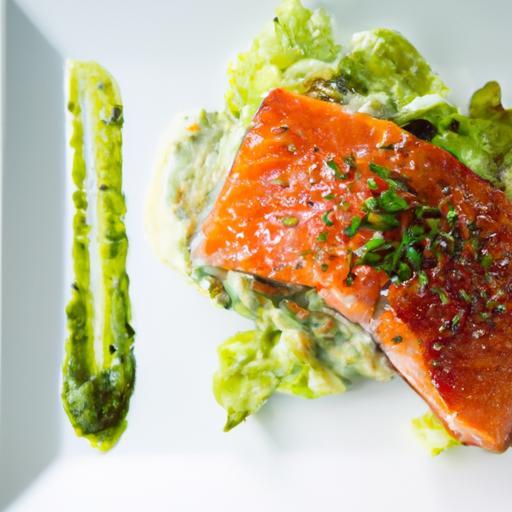


In the sun-drenched kitchens of Turkey, where colors and aromas mingle in a harmonious dance, Menemen reigns supreme as a beloved breakfast ritual. This humble yet enchanting dish, a vibrant symphony of softly scrambled eggs and stewed tomatoes, captures the essence of Turkish hospitality and culinary tradition. more than just a meal, Menemen is a savory art form-simple in ingredients but rich in flavour and history-inviting every bite to tell a story of warmth, community, and the joy of slow, soulful cooking. Join us as we unravel the secrets behind Turkish Menemen and discover why this modest dish has earned its place at breakfast tables across the world.
Turkish Menemen is a beloved culinary treasure that invites you to savor the harmonious dance of eggs, ripe tomatoes, and fragrant spices. This dish, simple yet profoundly satisfying, embodies the heart of Turkish breakfast culture and offers a rich tapestry of flavors rooted in tradition and warmth. Whether enjoyed at a bustling Istanbul café or in a cozy home kitchen, Menemen remains a timeless expression of communal joy and comfort food artistry.
Origins and Cultural importance of Turkish Menemen
Menemen traces its roots to the Aegean region of Turkey, where fresh, local ingredients are celebrated in every meal. Traditionally served as a breakfast dish, it has evolved into a versatile staple that transcends mealtimes. The name ”Menemen” itself is believed to originate from a town in Turkey’s Izmir province, symbolizing not only the dish’s lineage but also the lifestyle of simplicity and abundance. Within Turkish homes, preparing Menemen is frequently enough a social affair-a ritual that brings family and friends together to share in the morning’s first joy. The vibrant colors and creamy textures represent not just nourishment, but also a deep thankfulness for seasonal produce and culinary heritage.
Key Ingredients that Bring Menemen to Life
- 4 large eggs, preferably free-range for richness
- 3 medium ripe tomatoes, peeled and finely chopped
- 1 medium onion, finely diced
- 2 green peppers (Turkish sivri or mild bell peppers), thinly sliced
- 3 tablespoons olive oil or unsalted butter for a buttery undertone
- 1 teaspoon Aleppo pepper or crushed red pepper flakes for gentle heat
- Salt and fresh black pepper, to taste
- Fresh parsley or dill, chopped, for radiant garnish
- Optional: feta cheese or Turkish kaşar cheese, crumbled
Step by step Guide to Perfectly Creamy Menemen
- Prepare the vegetables: Start by peeling your tomatoes using a quick blanching method to remove the skins effortlessly. Dice them finely to release maximum juiciness during cooking.
- Sauté the onions and peppers: Heat the olive oil or butter over medium heat in a wide skillet. Add diced onion and sliced peppers, stirring untill softened and fragrant, about 5-6 minutes. Watch carefully to prevent browning.
- Add the tomatoes: Pour in the chopped tomatoes with a pinch of salt. Let the mixture simmer on low heat, stirring occasionally, until it transforms into a rich, stew-like base-approximately 8-10 minutes.
- Season the base: Sprinkle Aleppo pepper (or your choice of chili),fresh black pepper,and adjust salt to taste. This layering of spices will enhance the depth of every bite.
- Introduce the eggs: Crack the eggs directly into the skillet. Instead of fully scrambling them, gently fold with a spatula, allowing the eggs to softly cook in the tomato mixture.The goal is luscious, creamy curds, so remove from heat just before they are fully set.
- Rest and garnish: Let the Menemen sit off the heat for a minute to allow residual warmth to conclude the cooking process. Top with fresh chopped parsley or dill and optional crumbled feta to add tanginess and texture.
Tips for Customizing Your Menemen Experience
- Texture control: For silkier eggs, lower the heat and stir gently; for firmer curds, cook a little longer but avoid dryness.
- Spice it up: incorporate finely chopped fresh chili or a dash of smoked paprika to add complexity.
- Cheese variations: Experiment with different cheeses like goat cheese or ricotta for a richer twist.
- Vegetarian expansions: Add diced zucchini or mushrooms for extra body without overwhelming classic flavors.
- Make ahead: Prepare the tomato-pepper base the night before and gently reheat before adding eggs to save time.
- Serving style: Serve straight from the pan for rustic appeal,or transfer to a warm ceramic dish for an elegant presentation.

Prep and Cook Time
- Prep Time: 10 minutes
- Cook Time: 15 minutes
- Total Time: 25 minutes
Yield
Serves 3-4 people generously, ideal for sharing over fresh crusty bread.
Difficulty Level
Easy – perfect for novice cooks looking to explore Turkish flavors with confidence.
Ingredients
- 4 large eggs
- 3 medium ripe tomatoes, peeled and diced
- 1 medium onion, finely diced
- 2 green peppers, thinly sliced
- 3 tablespoons olive oil or unsalted butter
- 1 teaspoon Aleppo pepper (or crushed red pepper flakes)
- Salt and freshly ground black pepper, to taste
- Fresh parsley or dill, chopped, for garnish
- Optional: crumbled feta or kaşar cheese
Instructions
- Peel and dice tomatoes: Blanch tomatoes in boiling water for 30 seconds, plunge into ice water, then peel and finely chop.
- Sauté onion and peppers: In a skillet,heat olive oil or butter over medium flame. Cook onions and peppers until translucent and soft,about 5-6 minutes.
- Simmer tomatoes: Add diced tomatoes and salt.Reduce heat and cook down until a thickened base forms, roughly 8-10 minutes.
- Season: Stir in Aleppo pepper and black pepper. Adjust salt carefully.
- Add eggs: Crack eggs into tomato mixture. Stir gently and continuously for creamy curds; cook until softly set,about 3-5 minutes.
- Remove from heat: Take the pan off flame just before eggs fully set, letting residual heat finish the process.
- Garnish and serve: Sprinkle with fresh herbs and cheese if desired. Serve immediately with warm bread.
Chef’s Notes & Tips for Success
- For authentic flavor, use high-quality olive oil native to the Aegean region of Turkey.
- If tomatoes are out of season, canned san Marzano tomatoes can be a trusty substitute.
- Whisking eggs before adding is less conventional; folding gently preserves the signature creamy texture.
- Menemen is best enjoyed fresh but leftovers can be reheated gently with a splash of water or olive oil to restore moisture.
Serving Suggestions
Serve Turkish Menemen piping hot with a side of freshly baked simit or artisanal sourdough. Complement with olives, slices of tangy white cheese, and a dollop of creamy yogurt to balance the spice. A cup of strong Turkish tea completes this comforting ensemble,turning your breakfast or brunch into a celebration of flavors and simple pleasures.

| Nutrient | Per Serving |
|---|---|
| Calories | 220 kcal |
| Protein | 12 g |
| Carbohydrates | 10 g |
| Fat | 15 g |
Explore more Turkish culinary delights in our Turkish Breakfast classics series. For ingredient sourcing and nutritional insights, visit FAO’s Food Composition Database.
Q&A
Q&A: Turkish Menemen – The Savory Art of Scrambled Eggs & Tomatoes
Q1: What exactly is Menemen?
A1: Menemen is a beloved Turkish dish that transforms simple ingredients-eggs, tomatoes, peppers, and spices-into a vibrant, comforting skillet of savory goodness. Think of it as Turkey’s answer to scrambled eggs but with a juicy, tangy twist that’s both rustic and rich in flavor.
Q2: How does Menemen differ from regular scrambled eggs?
A2: Unlike everyday scrambled eggs, Menemen is cooked with fresh tomatoes and frequently enough green peppers, gently simmered to create a luscious, stew-like base before the eggs join the party. The result is not just eggs but an aromatic medley that’s both saucy and fluffy, offering a balance of textures and layers you won’t find in your typical breakfast scramble.
Q3: What are the key ingredients that make Menemen unique?
A3: The essence of Menemen lies in simplicity: ripe, juicy tomatoes; green or red peppers (frequently enough mild Turkish varieties); onions (optional); eggs; olive oil or butter; and a sprinkle of spices like ground black pepper and sometimes a dash of chili flakes. Some variations include feta or Turkish white cheese, adding a delightful creaminess.
Q4: Can Menemen be eaten any time of day?
A4: Absolutely! While traditionally a breakfast staple, Menemen’s soulful flavors make it perfect for brunch, lunch, or even a light dinner. It’s often enjoyed with crusty Turkish bread to scoop up every last bit, making it endlessly satisfying regardless of the hour.
Q5: Is Menemen challenging to prepare at home?
A5: Not at all! Menemen is wonderfully approachable - it’s essentially a one-pan dish that celebrates fresh, simple ingredients. With just a bit of attention to cooking the tomatoes down to a tender, fragrant base, anyone can whip up Menemen in under 20 minutes and bring a taste of Turkey into their kitchen.
Q6: Are there regional variations of Menemen within Turkey?
A6: Yes, Menemen has regional twists! Some areas use different kinds of peppers, others incorporate onions or garlic, and cheese varieties can vary. Despite thes nuances, the heart of Menemen remains-eggs mingling with stewed tomatoes and peppers for an unforgettable, savory bite.
Q7: What makes Menemen more than just a simple dish?
A7: Menemen is more than eggs and tomatoes; it’s a cultural emblem of Turkish hospitality and the joy of communal eating. Sharing a warm skillet of menemen sparks conversations,welcomes friends,and turns any meal into a moment of connection-making it truly a savory art form.
The Conclusion
As the sizzle of menemen’s vibrant tomatoes and eggs fades on your stove, what remains is more than just a dish-it’s a celebration of Turkish tradition, simplicity, and flavor. Each spoonful tells a story of sun-soaked orchards, fragrant spices, and shared mornings at bustling tables. Whether enjoyed as a comforting breakfast or a leisurely brunch,menemen invites you to savor the art of melding the humble with the extraordinary. So next time you crack those eggs and stir in ripe tomatoes, remember: you’re not just cooking-you’re partaking in a culinary legacy that has delighted generations and continues to warm hearts across the world. Afiyet olsun!