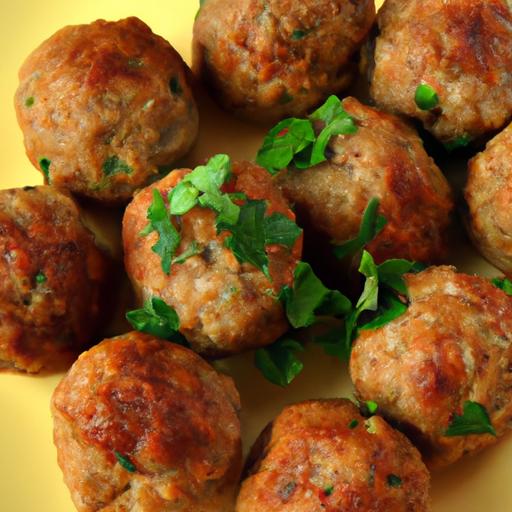

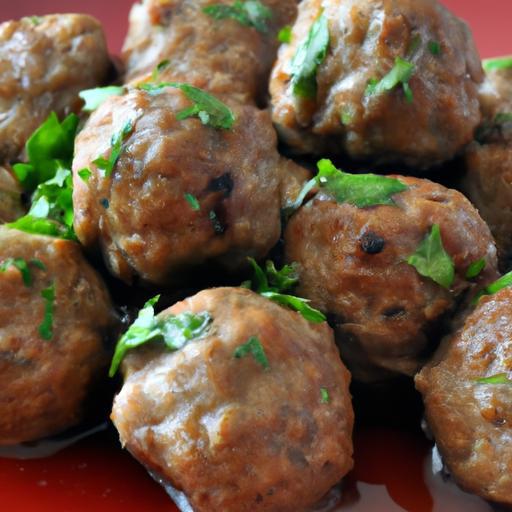
When it comes to comforting classics with a wholesome upgrade, few dishes hit the mark like savory gluten-free turkey meatballs. Combining lean protein with a thoughtfully crafted blend of herbs and gluten-free ingredients, these meatballs offer a deliciously healthy twist on a timeless favorite. whether you’re navigating dietary restrictions or simply seeking a lighter, nutritious option, these turkey meatballs deliver satisfying flavor without compromise. Let’s dive into the art of crafting this guilt-free indulgence that promises to please both your palate and your well-being.
Savory gluten-free turkey meatballs bring a fresh, wholesome twist to a beloved classic. Infused with vibrant herbs and aromatic spices, these meatballs deliver a burst of flavor while maintaining a tender, juicy texture that’s delightfully different from their beef counterparts. Growing up in a household that favored lighter, health-conscious meals, I discovered early on how turkey combined with gluten-free ingredients could create a comforting yet nutritious dish that appeals to all ages.
Prep and Cook Time
Prep Time: 20 minutes
Cook Time: 25 minutes
Total Time: 45 minutes
Yield
Serves 4-6 people
Difficulty Level
easy to Medium – perfect for weeknight dinners or meal prepping with a gourmet touch.
Ingredients
- 1 lb ground turkey (preferably lean, 93% lean/7% fat)
- 1/2 cup gluten-free breadcrumbs (almond flour or crushed rice crackers for a nut-free option)
- 1/4 cup finely chopped fresh parsley
- 2 cloves garlic, minced
- 1 small shallot, finely diced
- 1 large egg, lightly beaten
- 1/4 cup grated Parmesan cheese (optional but recommended for umami depth)
- 1 teaspoon dried oregano
- 1/2 teaspoon smoked paprika
- 1/2 teaspoon sea salt
- 1/4 teaspoon freshly ground black pepper
- 2 tablespoons olive oil (for sautéing)
- 1/4 cup chicken broth or water (to keep meatballs moist)
Instructions
- Preheat your oven to 375°F (190°C) and line a baking sheet with parchment paper.
- In a large mixing bowl, combine ground turkey, gluten-free breadcrumbs, parsley, garlic, and shallot.Mix gently but thoroughly until well incorporated.
- Whisk egg, then add to the turkey mixture along with Parmesan cheese, oregano, smoked paprika, salt, and pepper. Gradually add chicken broth to maintain moisture while ensuring the mixture holds together.
- Using clean hands or a cookie scoop, shape the mixture into 1.5-inch meatballs, placing them evenly spaced on the prepared baking sheet.
- Heat olive oil in a skillet over medium heat. Carefully sauté meatballs in batches until browned on all sides (about 3 minutes per side). This seals in flavor and gives a beautiful golden crust.
- Transfer browned meatballs back to the baking sheet and bake in the preheated oven for 15 minutes. The internal temperature should reach 165°F (74°C) for safe consumption.
- Remove meatballs from the oven and let rest briefly before serving. This resting time allows juices to redistribute, ensuring tender bites.
Expert tips for Mastering the Perfect Texture Without Gluten
ensuring a moist and tender texture when skipping customary wheat-based binders is key. Incorporate gluten-free breadcrumbs or finely ground nuts like almond flour for binding without heaviness. The added chicken broth prevents dryness, especially as turkey tends to be leaner than beef. Avoid overmixing to keep the meatballs light and airy-combine ingredients just until evenly distributed.
For those sensitive to eggs, ground flaxseed mixed with water provides a great vegan binder alternative without compromising texture. Toasting gluten-free breadcrumbs lightly enhances their binding quality and adds a subtle nuttiness.
Nutritional Benefits and Health Advantages of Choosing Turkey Over Beef
Turkey is a powerhouse of lean protein, boasting less saturated fat and calories compared to traditionally used beef. This means you can indulge in these savory gluten-free turkey meatballs guilt-free, knowing you’re fueling your body with heart-healthy nutrients. Rich in essential vitamins like B6 and niacin, turkey supports metabolism and immune function. Moreover, turkey’s lower fat profile contributes to reduced cholesterol levels, making it a wiser choice for overall cardiovascular health.
Opting for turkey also benefits digestion, especially when paired with gluten-free ingredients, reducing the risk of bloating or sensitivity common with wheat-containing dishes. For an in-depth guide on the health impacts of different meats, visit the Healthline article on turkey versus beef.
Serving Suggestions and Complementary Sides for a Balanced Meal
These savory gluten-free turkey meatballs are incredibly versatile. Serve them over a bed of zucchini noodles tossed lightly in garlic and olive oil for a low-carb delight, or pair with a vibrant quinoa salad featuring cherry tomatoes, cucumber, and fresh mint. A side of roasted seasonal vegetables like asparagus or Brussels sprouts adds color and nutrients, creating a visually inviting plate.
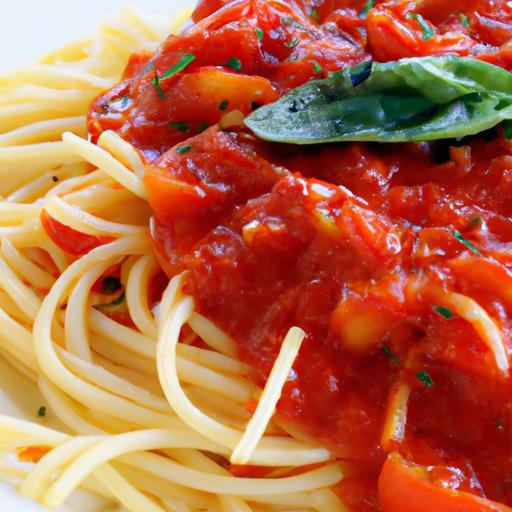
For a comforting twist, drizzle with a tangy homemade tomato sauce or a creamy avocado-lime dressing. Garnishing with fresh basil leaves and a sprinkle of extra Parmesan helps elevate the presentation and deepen flavors. To complete your meal, consider a crisp, mixed greens salad with a citrus vinaigrette which refreshes the palate and balances the savory richness.

Nutritional Information (per serving)
| Calories | Protein (g) | Carbs (g) | Fat (g) |
|---|---|---|---|
| 220 | 28 | 6 | 9 |
Chef’s Notes
- Make Ahead: Prepare meatballs up to step 4, freeze raw on a baking sheet, then transfer to a zip-top bag. Cook from frozen, adding a few extra minutes to baking time.
- Substitutions: Swap parsley for cilantro or basil for a flavor shift. Use nutritional yeast instead of Parmesan for dairy-free options.
- Cooking Tip: Avoid overcrowding the skillet when browning-too many meatballs can steam instead of sear, losing that luscious crust.
- Storage: Leftover meatballs keep well refrigerated for 3 days or freeze cooked meatballs for up to 3 months.
For more inspiring gluten-free meals that complement these meatballs, check out our collection of gluten-free Italian recipes.
Q&A
Q&A: savory Gluten-Free Turkey Meatballs – A Healthy Twist
Q1: What makes these turkey meatballs a “healthy twist” compared to traditional recipes?
A1: Unlike conventional meatballs loaded with breadcrumbs or heavy fillers, these savory turkey meatballs use gluten-free alternatives and lean ground turkey. This swap not only cuts down on carbs and calories but also boosts protein while maintaining astonishing flavor and texture.
Q2: How do you keep the meatballs moist and tender without gluten-containing binders?
A2: The secret lies in combining finely chopped veggies like onions and zucchini, along with a touch of gluten-free oats or almond flour, plus an egg to bind. These ingredients help retain moisture and provide structure, resulting in juicy, tender meatballs every time.
Q3: Can these gluten-free turkey meatballs be frozen for later use?
A3: Absolutely! These meatballs freeze beautifully. Just arrange them on a baking sheet to freeze individually, then transfer to an airtight container or bag. When ready, reheat gently in the oven or simmer in your favorite sauce for a speedy, healthy meal.
Q4: What spices or herbs complement turkey meatballs best?
A4: Turkey is a versatile canvas that pairs perfectly with garlic, fresh parsley, oregano, and a hint of smoked paprika or cumin. Adding lemon zest or fresh basil can brighten the flavor, making the meatballs irresistibly savory and fragrant.
Q5: Are these meatballs suitable for those following other dietary restrictions?
A5: Yes! Being gluten-free makes them ideal for those with celiac disease or gluten sensitivity. Plus, by using lean turkey and fresh ingredients, they’re naturally low in fat and free from common allergens-tho always double-check your specific ingredient choices.
Q6: How can these turkey meatballs fit into a balanced meal?
A6: Pair them with a vibrant veggie-packed salad, roasted seasonal vegetables, or gluten-free pasta tossed in a light tomato sauce. This combination delivers protein, fiber, and essential nutrients, perfect for a satisfying and wholesome plate.Q7: What’s a creative serving idea to impress guests with these savory meatballs?
A7: Try serving them as mini sliders on gluten-free buns with avocado spread and crunchy slaw, or skewer them with cherry tomatoes and herbs for elegant party appetizers. Their savory flavor and healthy profile make them crowd-pleasers in any form!
Q8: Why choose turkey meatballs over beef or pork alternatives?
A8: Turkey is leaner and lower in saturated fat while still providing a rich protein source. This makes turkey meatballs a heart-healthier option, especially when you’re aiming for nutritious, guilt-free comfort food without sacrificing taste.
Embrace the savory glory of these gluten-free turkey meatballs and give classic comfort food a vibrant, healthful makeover!
Final Thoughts
Incorporating savory gluten-free turkey meatballs into your meal rotation is more than just a tasty choice-it’s a step toward mindful, health-conscious eating without compromising on flavor. These tender bites offer a wholesome twist on a classic favorite,proving that gluten-free can be both satisfying and nourishing. Whether enjoyed atop zoodles, nestled in a warm tomato sauce, or as a protein-packed snack, these meatballs invite you to savor every bite with confidence.Embrace this easy and adaptable recipe, and let your kitchen be the starting point for a healthier, tastier journey.