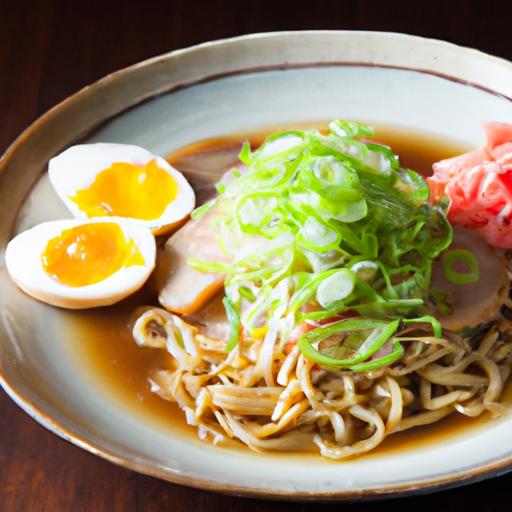

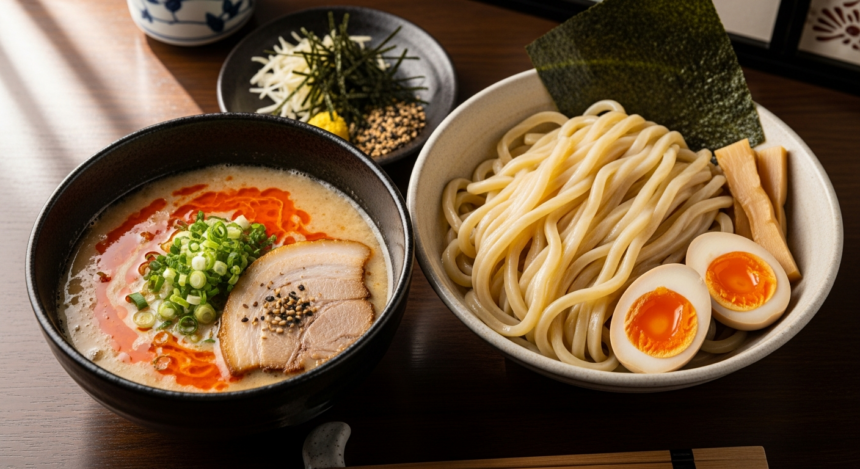
In the vibrant world of Japanese cuisine, tsukemen stands out as a captivating culinary art form-an exquisite dance of texture, flavor, and tradition. Unlike its well-known cousin, ramen, tsukemen invites diners too embark on a hands-on journey: thick, chewy noodles are masterfully separated from the broth, encouraging each bite to be individually dipped and savored.This ritual transforms a simple meal into an interactive experience, where balance and precision govern every swirl and sip. “Tsukemen Unveiled: The Art of Japan’s dipping Noodles” delves deep into the origins, techniques, and cultural significance of this beloved dish, revealing the nuanced craftsmanship behind every bowl and the passionate artisans who keep this delicious tradition alive. Weather you’re a seasoned noodle lover or a curious culinary explorer, prepare to discover the rich story behind the artful elegance of tsukemen.
Tsukemen Unveiled introduces a captivating journey into Japan’s coveted dipping noodles, where tradition meets innovation in every bite. Originating in Tokyo during the mid-20th century, tsukemen revolutionized how noodles and broth coexist-no longer served together but as complementary partners in a delicious dance. This unique separation allows the thick,chewy noodles to be dipped into an intensely flavored broth,creating a sensory experience unlike any other ramen style. I remember my first encounter wiht tsukemen at a bustling Tokyo eatery: the contrast between the warm, rich broth and the firm, cool noodles was nothing short of mesmerizing. This dish is an invitation to savor texture and flavor deliberately, mastering the art of dipping as much as the recipe itself.
Prep and Cook Time
- Preparation: 30 minutes
- Cooking: 1 hour 15 minutes
- Total Time: 1 hour 45 minutes
Yield
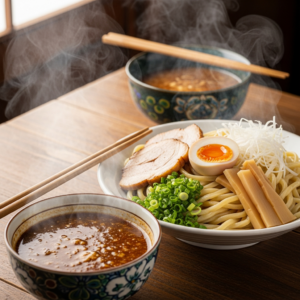
Serves 4 hearty portions
Difficulty Level
Medium – ideal for adventurous home cooks looking to deepen their ramen repertoire
Ingredients
- For the Noodles:
- 400g fresh thick ramen noodles (or dry tsukemen-style noodles)
- Salt, for boiling water
- For the Broth:
- 500g pork bones (preferably trotters and neck bones)
- 2 dried bonito flakes packets (about 30g)
- 1 piece kombu (dried kelp), about 10cm
- 300g chicken wings or carcasses
- 1 medium onion, halved
- 2 cloves garlic, smashed
- 1 thumb-sized ginger, sliced
- 150ml soy sauce
- 50ml mirin
- 1 tablespoon sake
- 1 teaspoon sugar
- 1 teaspoon sesame oil
- For the Toppings and Finish:
- Soft boiled eggs (ajitsuke tamago)
- Chopped scallions
- Menma (fermented bamboo shoots)
- Sliced chashu pork or grilled chicken
- Nori sheets
- Optional Flavor Enhancers:
- Rayu (chili oil)
- Shichimi togarashi (Japanese seven-spice)
Instructions
- prepare the Broth Base: Rinse the pork bones under cold water. place them in a large pot, cover with cold water, and bring to a boil for 10 minutes. Drain and rinse bones to remove impurities,than refill the pot with fresh water.
- Simmer for Deep Flavor: Add pork bones, chicken wings, onion, garlic, and ginger to the pot. Bring to a boil,then reduce to a gentle simmer. Skim scum occasionally to maintain clear broth. Simmer uncovered for 2 hours to extract maximum flavor.
- Infuse Umami with Kombu and Bonito: In the last 20 minutes of simmering, add kombu and bonito flakes. Remove kombu after 15 minutes to prevent bitterness. Strain the broth through a fine mesh, discarding solids.
- Create the Tsukemen Dipping Sauce: In a separate saucepan, combine soy sauce, mirin, sake, sugar, and sesame oil. Warm gently, then add 500ml of the prepared broth. Adjust seasoning to a balanced,potent umami taste-this sauce should be more concentrated than typical ramen soup.
- Prepare Noodles: Cook noodles in boiling salted water until al dente (typically 4-6 minutes). Drain and rinse immediately under cold water to stop cooking and firm up the texture. Arrange on a platter or individual bowls.
- Plate the Toppings: Slice soft boiled eggs in halves. Arrange chashu,scallions,menma,and nori beside the noodles.
- Serve and Enjoy: Ladle the warm dipping broth into individual small bowls. Invite diners to dip the cold noodles into the broth,savoring each perfect mouthful.
Tips for Success
- Broth Clarity: Skimming the broth is essential for a clean,flavorful base.Use a fine strainer to remove any residual particles for a smooth dipping experience.
- Noodle Texture: Rinsing noodles under cold water post-cooking firms the bite, perfect for dipping. Avoid overcooking to maintain that coveted chewiness.
- Customizing the Broth: Incorporate dried sardines (niboshi) or shiitake mushrooms for alternative umami profiles.
- Make Ahead: Broth intensifies overnight-store chilled and reheat gently before serving.
- Temperature Play: Serve noodles at room temperature or slightly chilled, while broth is piping hot for ideal contrast.
Serving Suggestions
Arrange your tsukemen set with vibrant garnishes for an Instagram-worthy table:
- Use a rustic wooden tray to separate noodles and broth bowls.
- Add a sprinkle of toasted sesame seeds for aromatic crunch.
- Offer chili oil or citrus yuzu kosho on the side for personalized heat and zest.
- serve with a small bowl of pickled vegetables (tsukemono) to refresh the palate between dips.
| nutrient | per Serving |
|---|---|
| Calories | 560 kcal |
| Protein | 34g |
| Carbohydrates | 62g |
| Fat | 15g |

For deeper insight into customary Japanese broths, visit the Japanese Cooking 101 guide. Also, explore our guide on Mastering Ramen at Home to complement your tsukemen journey.
Q&A
Q&A: Tsukemen Unveiled – The Art of Japan’s Dipping Noodles
Q1: What exactly is Tsukemen?
A: Tsukemen is Japan’s ingenious twist on traditional ramen-where the noodles and broth are served separately. Instead of slurping the noodles directly from the soup, you dip them into a rich, concentrated broth bite by bite. This dipping ritual elevates both texture and flavor, making every mouthful a tactile adventure.
Q2: How did Tsukemen come to be?
A: Tsukemen was born in the 1960s, credited to the culinary creativity of Kazuo Yamagishi, the founder of Taishoken restaurant in Tokyo. Seeking a fresh way to enjoy noodles, he devised the dipping method, which allowed diners to savor intense flavors without the noodles getting soggy-a style that quickly captivated taste buds across Japan.
Q3: What makes Tsukemen broth different from regular ramen broth?
A: Unlike the lighter, soupier ramen broth, Tsukemen’s dipping sauce is thicker, more concentrated, and intensely flavored-often a robust blend of pork, chicken, fish flakes, soy, miso, or even spicy elements. It’s designed to cling to the noodles and deliver a powerful umami punch with each dip.
Q4: How should you eat Tsukemen for the best experience?
A: The secret lies in balance and timing. Pick up a reasonable portion of noodles with your chopsticks, dip them fully into the broth allowing the sauce to coat every strand, then slurp with gusto. Because the noodles are served cold or at room temperature, the contrast with the hot, savory broth is part of the magic.
Q5: Are there variations of Tsukemen?
A: Absolutely. While pork-based broths are traditional, modern chefs experiment wildly-offering seafood-infused dips, vegetarian versions brimming with mushrooms and miso, or even chilled dipping sauces perfect for summer. Noodle thickness and toppings also vary, inviting a personal touch to this culinary canvas.
Q6: Why has Tsukemen gained international popularity recently?
A: Tsukemen’s rise beyond Japan stems from its interactive nature and bold flavors. In a world craving immersive dining experiences, the hands-on dipping engages both palate and mind. plus, the mouthwatering complexity appeals to global foodies eager to explore authentic yet playful Japanese cuisine.
Q7: Can I make Tsukemen at home?
A: Absolutely! Though perfecting the broth may take time, whipping up Tsukemen involves cooking firm, chewy noodles separately and preparing a thick, flavorful dipping sauce. With a little patience and quality ingredients, you can recreate the art of dipping noodles in your own kitchen-and maybe even invent your own signature twist.
Q8: What’s the cultural significance of Tsukemen in Japan today?
A: Beyond being a delicious dish, tsukemen represents Japan’s spirit of innovation rooted in tradition. It reflects the balance and mindfulness in Japanese cuisine-encouraging diners to slow down, savor texture and taste, and appreciate the craftsmanship behind every bowl. It’s a modern classic that continues to inspire chefs and diners alike.
Dive into Tsukemen, and you’re not just enjoying noodles-you’re participating in a flavorful dance where broth and noodle meet in perfect harmony. Ready your chopsticks and embrace the dip!
Final Thoughts
As we draw the curtain on our exploration of tsukemen, it becomes clear that this humble dish is much more than just noodles and broth-it is a celebration of Japan’s culinary ingenuity and a testament to the art of balance and texture. Each threaded bite dipped into that intensely flavored, perfectly seasoned sauce invites not only a taste sensation but also a deeper appreciation for tradition reimagined. whether you’re a seasoned ramen lover or a curious food adventurer, tsukemen offers a delicious invitation to slow down, savor, and engage with the nuanced craftsmanship that defines japanese cuisine. So next time you seek a meal that intrigues the palate and honors heritage, remember: the real magic lies in the dip.