
In the bustling world of global cuisine, few dishes capture the heart and soul of comfort food quiet like the Korean beef bowl.A harmonious blend of savory, sweet, and umami flavors, this bowl is more than just a meal-it’s an experience that transports your taste buds straight to the vibrant streets of Seoul. Whether you’re a seasoned foodie or a curious newcomer, mastering the art of the perfect Korean beef bowl unlocks a delicious gateway to Korea’s rich culinary traditions. Join us as we dive into the essential ingredients, cooking techniques, and flavor secrets that turn simple beef and rice into a mouthwatering masterpiece worth savoring.
Savor the Flavors begins with choosing the perfect beef cut that forms the heart of your Korean beef bowl. To truly capture the rich, authentic taste, start with tender, well-marbled cuts like ribeye or sirloin. These cuts offer the ideal balance of juiciness and flavor, quickly absorbing the marinade and cooking evenly. For a leaner option without sacrificing tenderness,flank steak sliced against the grain works beautifully. Selecting the right beef sets the stage for an unforgettable dining experience that rivals your favourite Korean barbecue joints.
Prep and Cook Time
- Readiness: 20 minutes
- Marinating: 1 to 4 hours (preferably overnight)
- Cooking: 10 minutes
- Total Time: approximately 1.5 to 4.5 hours
Yield
Serves 4 generous portions
Difficulty Level
Medium – Perfect for home cooks looking to master classic Korean flavors with approachable steps
Ingredients
- 1 lb beef ribeye or sirloin, thinly sliced against the grain
- 1/4 cup soy sauce (low sodium preferred)
- 2 tbsp brown sugar or honey for natural sweetness
- 2 tbsp sesame oil, toasted for deep aroma
- 3 cloves garlic, finely minced
- 1 tbsp fresh ginger, grated
- 2 green onions, sliced thinly
- 1 tbsp rice wine or mirin, for subtle acidity
- 1 tsp freshly ground black pepper
- 1 tsp gochugaru (Korean red chili flakes), optional for spice
- 1 cup steamed jasmine rice, for serving
- 1 tbsp toasted sesame seeds, for garnish
- Pickled vegetables or kimchi, to serve on the side
Instructions
- Prepare the beef: Thinly slice the beef instantly before marinating to ensure tenderness. use a sharp knife and cut against the grain to keep fibers short.
- Make the marinade: In a mixing bowl, combine soy sauce, brown sugar, toasted sesame oil, garlic, ginger, green onions, rice wine, black pepper, and gochugaru if using. Whisk until sugar is fully dissolved and aromatics are evenly distributed.
- Marinate the beef: Submerge the beef slices in the marinade. Cover and refrigerate for at least 1 hour, overnight if possible, to maximize flavor absorption and tenderness.
- Preheat your pan: Heat a large non-stick skillet or cast-iron pan over medium-high heat until shimmering but not smoking. This ensures a nice sear without toughening the meat.
- Sear the beef: Drain beef slices from excess marinade, reserving the liquid. Add beef to the pan in a single layer (cook in batches if necessary). Sauté until just browned and cooked through, about 2-3 minutes per side. Avoid overcrowding to maintain sear.
- Reduce marinade for sauce: Pour the reserved marinade into a small saucepan over medium heat. Simmer gently for 3-5 minutes until slightly thickened, then drizzle over cooked beef for a glossy, flavorful finish.
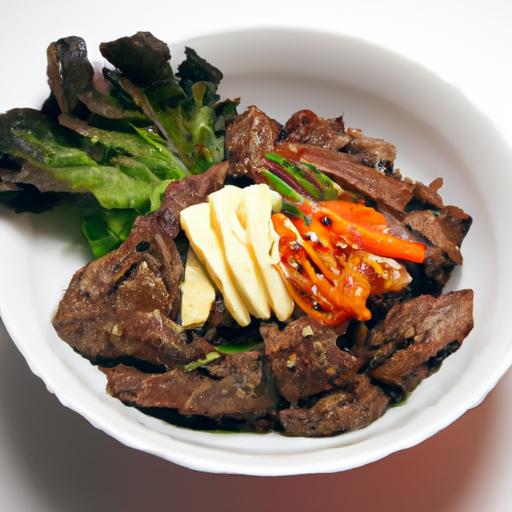
- Assemble the bowl: Spoon warm steamed jasmine rice into bowls. Top with the savory beef,a sprinkle of toasted sesame seeds,sliced green onions,and your choice of pickled vegetables or kimchi for that signature tangy contrast.
Tips for success
- For even more tender beef, gently pound slices with a meat mallet before marinating.
- Adjust sweetness and saltiness by tasting the marinade before adding beef-balance is key to authentic flavor.
- If you prefer a smoky note, finish the beef under a hot broiler for 1-2 minutes after searing.
- Use freshly ground black pepper to enhance freshness and mild heat.
- Marinate overnight for maximum infusion of flavors, especially if using leaner cuts.
- To save time, slice the beef the night before and marinate in the morning before cooking.
Serving Suggestions
Present your Korean beef bowl with vibrant garnishes like sliced fresh chili, a drizzle of extra toasted sesame oil, and a handful of crisp mung bean sprouts for crunch.Pair your bowl with a side of classic kimchi or seasoned spinach for that authentic banchan experience. For a refreshing contrast, serve with a chilled cucumber salad tossed in rice vinegar and a sprinkle of toasted sesame seeds. this bowl shines best when enjoyed fresh and hot, ideally with chopsticks and a luminous, light Korean beer or green tea.

| Nutritional Info (per serving) | Calories | Protein | Carbs | Fat |
|---|---|---|---|---|
| Korean Beef Bowl | 450 kcal | 35 g | 30 g | 18 g |
For more on Korean cooking techniques and recipes, check out our Authentic Korean BBQ Tips.To deepen your knowledge of beef selection and safety, visit the Beef It’s What’s For Dinner official site.
Q&A
Q&A: Savor the Flavors – A Guide to the Perfect Korean Beef Bowl
Q1: What exactly is a Korean beef bowl?
A: Think of a korean beef bowl as a bowl-full of comfort and culture. It’s a vibrant, savory dish featuring tender, marinated beef served atop steamed rice, frequently enough accompanied by an array of colorful veggies and a drizzle of flavorful sauce. This dish strikes the perfect balance between sweet, salty, and umami-inviting you to savor every bite.
Q2: what type of beef works best for this dish?
A: For the perfect Korean beef bowl, thinly sliced ribeye or sirloin is your best friend. These cuts are tender and beautifully absorb the marinade. If you want budget-kind options, flank steak can also deliver great flavor when sliced thinly against the grain.
Q3: What makes the marinade so special?
A: The magic lies in the harmony of soy sauce,brown sugar,garlic,sesame oil,and a hint of ginger.This combination creates a deep, savory-sweet flavor profile that caramelizes beautifully during cooking, giving the beef a luscious glaze that’s both aromatic and mouthwatering.
Q4: Can I customize the vegetables in the bowl?
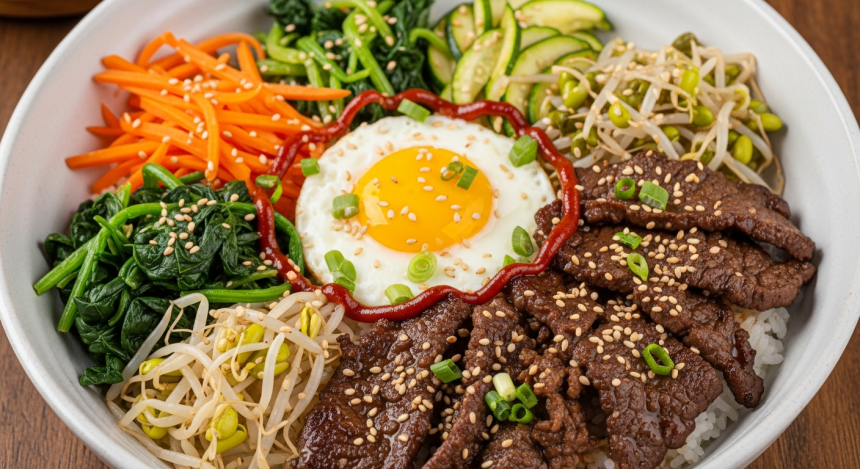
A: Absolutely! Traditional Korean beef bowls often feature crunchy cucumbers, crisp carrots, and sometimes kimchi for a spicy kick. Feel free to mix in sautéed spinach,mushrooms,or even pickled radish-the key is to create contrast in texture and flavor to elevate every mouthful.
Q5: How vital is rice in this dish?
A: Crucial! the rice is the canvas that carries the bold flavors of the beef and veggies. Short-grain white rice is preferred for its slightly sticky texture that holds together beautifully. For a healthier twist, you can also use brown rice or quinoa, but the classic experience lies in steaming perfect, fluffy white rice.
Q6: Any tips for achieving that restaurant-quality finish at home?
A: Patience and technique make all the difference. Marinate the beef for at least 30 minutes to let the flavors seep in deeply. When cooking, high heat is your ally-it helps to quickly sear the beef, locking in juices while developing that irresistible caramelization. Don’t forget a final sprinkle of toasted sesame seeds and sliced green onions to add that satisfying crunch and freshness.
Q7: Can the Korean beef bowl be made ahead or stored?
A: You can prepare the marinade and slice the beef in advance, but for optimal taste and texture, cook the beef fresh. The assembled bowl is best enjoyed immediately,though leftovers can be stored separately and reheated gently. Just be mindful: reheated beef might lose some tenderness, so a fast stir-fry is recommended rather than microwave reheating.
Q8: Is this dish suitable for special dietary needs?
A: It’s wonderfully adaptable! For gluten-free diets, swap regular soy sauce with tamari. Vegetarians might enjoy a tofu or mushroom version seasoned with the same marinade. The beauty of the Korean beef bowl lies in its versatility, inviting you to savor flavors while catering to your preferences.
Q9: What side dishes complement the Korean beef bowl?
A: Kimchi is the classic pick, adding a tangy spice that elevates the meal. Steamed dumplings, miso soup, or a refreshing cucumber salad also pair beautifully, rounding out your feast with contrasting textures and flavors.Q10: How can I elevate the presentation for an impressive dinner?
A: Layer your bowl artfully: start with a pristine bed of rice, arrange the beef carefully to showcase its glazed sheen, then add vibrant vegetable ribbons around the edges. Finish with a sprinkle of sesame seeds, finely chopped scallions, and perhaps a sunny-side-up egg perched on top. This makes your Korean beef bowl not just a meal,but a feast for eyes and palate alike.
Ready to embark on your Korean beef bowl adventure? With these tips, your kitchen will become a gateway to the soulful flavors of Korea-one delicious bowl at a time.
In Retrospect
As the savory aroma of marinated beef mingles with the comforting warmth of steamed rice,the Korean beef bowl emerges not just as a dish,but as a party of flavors and tradition. Whether you’re a seasoned foodie or a curious newcomer, mastering this recipe invites you into a vibrant culinary journey-one that balances sweet, salty, and umami notes with every satisfying bite. So next time hunger calls,remember that the perfect Korean beef bowl isn’t just a meal; it’s an experience waiting to be savored,shared,and perfected in your own kitchen. Happy cooking, and may your taste buds dance with delight!