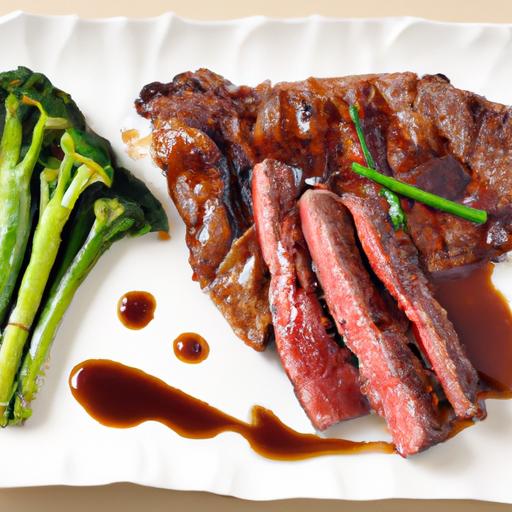

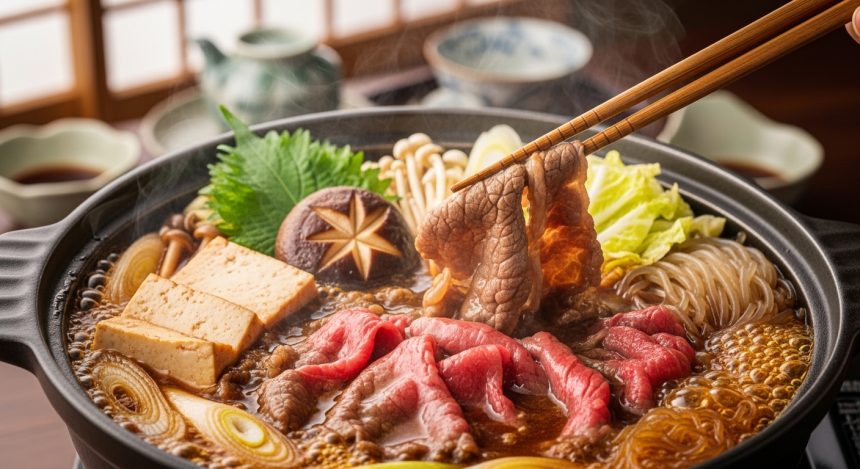
nestled at the crossroads of tradition and innovation, sukiyaki steak emerges as a sublime culinary treasure in japan’s rich gastronomic landscape. This dish, where tender slices of premium beef meet a symphony of sweet and savory flavors, invites diners to experience a harmonious dance of taste and texture.More then just a meal, savoring Sukiyaki steak is an intimate journey through Japan’s cultural heritage, a celebration of meticulous craftsmanship, and the art of balancing simplicity with indulgence. Join us as we explore the origins, ingredients, and timeless appeal of this beloved delicacy-an elegant feast that delights the palate and warms the soul.
The Art of Sukiyaki Steak: Balancing Sweetness and Umami
Savoring sukiyaki Steak truly encapsulates the exquisite harmony of Japan’s sweet and savory delight. This iconic dish masterfully blends the rich,buttery texture of premium beef with a sauce that dances between gentle sweetness and deep umami complexity. Whether you’re exploring sake-infused dinners or craving that perfect home-cooked balance, understanding the careful selection of ingredients and techniques transforms every bite into a celebration of Japanese culinary tradition.
Prep and Cook Time
- Readiness: 20 minutes
- Cooking: 15 minutes
- Total Time: 35 minutes
Yield
- Serves 4 hungry adults
Difficulty Level
- Medium – requires attention to timing and layering of flavors
Ingredients
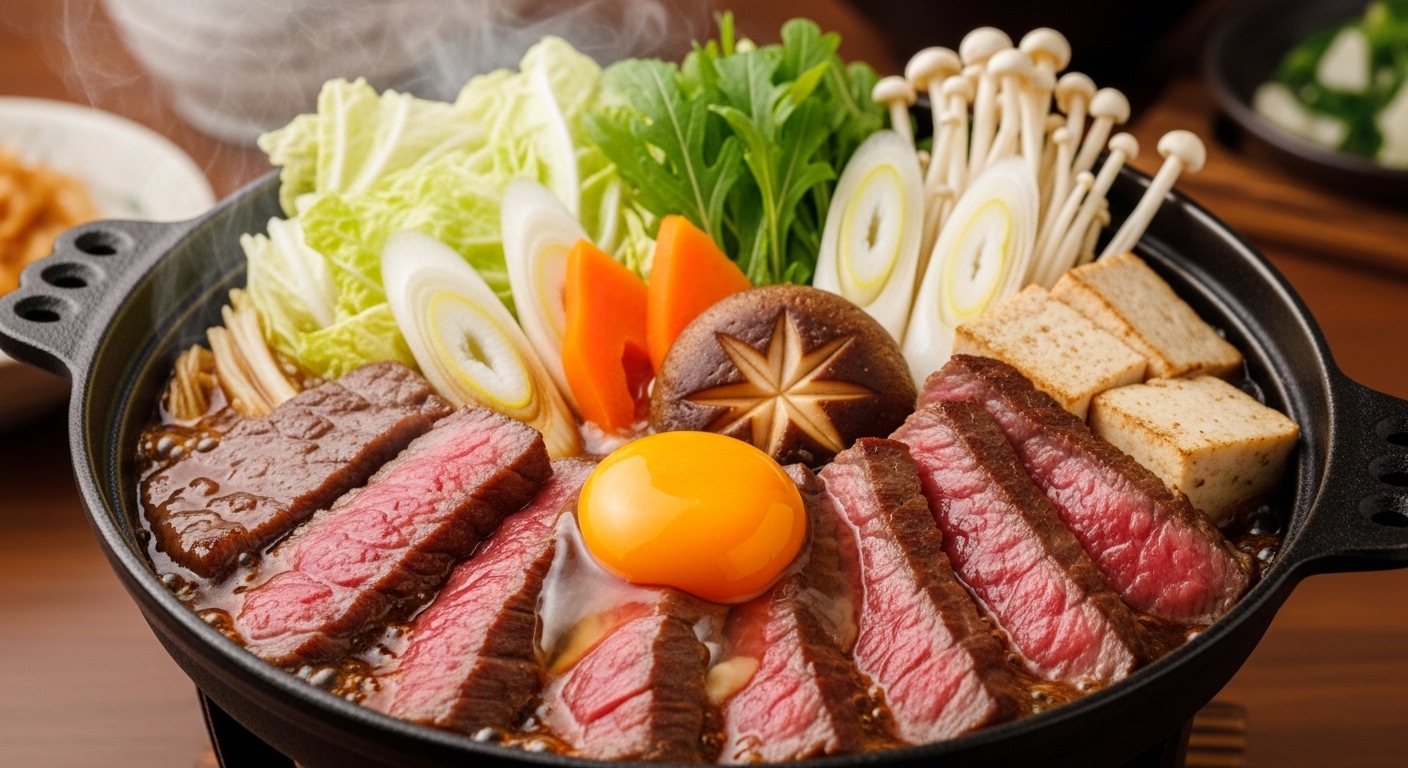
- 1 lb (450g) thinly sliced Wagyu or ribeye steak (well-marbled for tenderness)
- 1 cup dashi stock (homemade or quality store-bought)
- 1/2 cup soy sauce (naturally brewed for depth)
- 1/4 cup mirin (Japanese sweet rice wine)
- 2 tablespoons sugar (preferably raw or golden)
- 1 medium onion,thinly sliced
- 4 green onions,cut into 2-inch lengths
- 6 oz (170g) shiitake mushrooms,stemmed and scored
- 1 small block firm tofu,sliced into cubes
- 1 cup napa cabbage,chopped
- 1 tbsp vegetable oil (neutral high heat)
- 2 eggs (optional),gently beaten for dipping
Instructions
- Prepare the Sukiyaki Sauce: In a small saucepan,combine the dashi stock,soy sauce,mirin,and sugar. Warm gently over medium heat until sugar dissolves fully. Set aside to infuse flavor.
- Heat your pan or skillet: Use a cast-iron or non-stick pan, heating vegetable oil over medium-high heat until shimmering.
- Sear the steak slices: Add beef slices in a single layer, cooking quickly just until they start to brown, about 30 seconds per side.Remove and set aside-avoid overcooking to maintain juiciness.
- Sauté vegetables: Add onions and mushrooms to the pan, cooking until soft and aromatic, roughly 5 minutes. Toss in green onions, napa cabbage, and tofu cubes, stirring gently to combine.
- Return steak to the pan: Nestle the seared beef atop the vegetables.Pour the warm sukiyaki sauce evenly over the entire mixture, allowing it to gently simmer and blend flavors for 3-5 minutes. The sauce should slightly reduce but remain glossy and rich.
- Optional dipping: For an authentic Japanese touch, crack fresh eggs into small bowls. Dip each bite of sukiyaki steak and vegetables into the raw beaten egg, adding a velvety texture that contrasts the savory sauce.
- Serve instantly: Transfer portions to individual bowls or plate family-style. Garnish with fresh shredded green onions or a sprinkle of toasted sesame seeds for a subtle crunch.
Tips for Success
- Choosing the right cut: Opt for Wagyu, ribeye, or sirloin-the marbling ensures melt-in-your-mouth tenderness. If unavailable, thinly sliced chuck can still provide great flavor.
- Slicing technique: Freeze the beef for 20 minutes before slicing. this makes thin, even cuts easier and helps achieve the correct texture.
- Adjusting sweetness: Taste the sauce before cooking; add a little more sugar or mirin for sweeter preferences or balance with a splash of sake (linked below) for added depth.
- Cooking order: Don’t overcrowd the pan when searing steak; it should brown quickly without steaming.
- Leftover magic: This dish can be gently reheated with a splash of water or dashi, preserving texture and flavor for next-day enjoyment.
Serving Suggestions
Pair your sukiyaki steak with tender steamed white rice or fragrant Japanese short-grain rice to soak up every luscious drop of sauce. Complement the meal with a crisp cucumber sunomono salad or a side of pickled ginger to cleanse the palate. For an elegant finish, drizzle a touch of toasted sesame oil or garnish with thin shavings of fresh scallions and nori strips. A chilled glass of Junmai sake or a light green tea will perfectly frame the sweet and savory flavors of this unforgettable dish.

| nutrient | Per Serving |
|---|---|
| Calories | 420 kcal |
| Protein | 38 g |
| Carbohydrates | 12 g |
| Fat | 25 g |
For further insights into the nuanced flavors of Japanese sake used in sukiyaki, visit the Japan Sake Podcast.To explore more Japanese beef recipes, you can also check out our Ultimate Guide to Japanese Beef.
Q&A
Q&A: Savoring Sukiyaki Steak - Japan’s Sweet and savory Delight
Q1: What exactly is Sukiyaki steak?
A1: Sukiyaki steak is a luscious Japanese dish that artfully combines tender beef slices with a sweet and savory broth. Traditionally, thin cuts of well-marbled beef are simmered in a mixture of soy sauce, sugar, mirin, and sake, creating an irresistible harmony of flavors. It’s more than just a steak; it’s an experience that dances between sweetness and umami.
Q2: How did Sukiyaki originate in Japan?
A2: Sukiyaki traces its roots back to the late Edo period (1603-1868),evolving from simple grilled beef dishes as the Japanese diet began incorporating more meat. The modern version we certainly no blossomed during the Meiji era, symbolizing Japan’s culinary openness and blending Western influences with customary Japanese tastes. Over time,sukiyaki became a beloved communal dish,perfect for sharing around a hot pot.
Q3: What makes Sukiyaki steak different from other Japanese beef dishes like yakiniku or shabu-shabu?
A3: Unlike yakiniku, which involves rapid grilling, or shabu-shabu, which features swishing meat in boiling broth, sukiyaki steak is gently simmered in a richly flavored sauce. This slow cooking allows the beef to soak up the sweet-savory broth fully, resulting in a melt-in-your-mouth texture with layers of flavor. Plus, sukiyaki often includes vegetables and tofu, making it a complete and hearty meal.
Q4: What are the key ingredients that define Sukiyaki steak’s flavor?
A4: The magic lies in its sauce-called warishita-which blends soy sauce’s salty depth,sugar’s mellow sweetness,mirin’s bright acidity,and sake’s subtle warmth. When combined with premium beef, usually Wagyu for its intense marbling, the flavors meld beautifully. Vegetables like shiitake mushrooms, negi (Japanese leek), and tofu add texture and earthiness, balancing the richness of the steak.
Q5: How is Sukiyaki traditionally enjoyed?
A5: sukiyaki is often cooked and eaten at the table, making it a social feast. Diners dip the simmering beef and vegetables into raw beaten egg, which adds a silky finish and tempers the sauce’s sweetness.This interactive style not only enhances flavor but also celebrates togetherness, turning the meal into a warm, shared experience.
Q6: Can Sukiyaki steak be made at home?
A6: Absolutely! With a few quality ingredients and a simple hot pot or skillet, you can recreate sukiyaki’s charm right in your kitchen. The key is thinly slicing the beef and carefully balancing the warishita sauce.From there, layering vegetables and tofu completes the dish.It’s a delightful way to bring a taste of Japan’s comforting winter tradition to your table.
Q7: Why is Sukiyaki steak considered a symbol of Japanese culinary culture?
A7: Sukiyaki encapsulates Japan’s love for harmony-melding flavors, textures, and communal dining into a single dish. It reflects a balance of tradition and innovation, respecting quality ingredients while welcoming new influences. As a dish that brings peopel together, it also embodies the spirit of connection and celebration inherent in Japanese cuisine.
Dive into sukiyaki steak and savor the sweet, savory symphony that has warmed Japanese hearts for generations!
The Way Forward
As the last tender bite of sukiyaki steak melts away, you’re left with more than just a lingering sweetness and savory depth-it’s a taste of Japan’s rich culinary heritage, warm hospitality, and artful balance of flavors. Whether enjoyed in a bustling Tokyo eatery or recreated in your own kitchen, sukiyaki steak invites you to slow down, savor each morsel, and appreciate the harmonious dance of ingredients that has delighted palates for generations. So next time you crave a dish that’s both comforting and elegant, let sukiyaki steak be your delicious gateway into the heart of Japan’s sweet and savory tradition.