
In teh vast and vibrant world of noodles, soba holds a special place-thin, nutty, and delightfully versatile, it’s a staple that has transcended traditional Japanese cuisine to win hearts worldwide. Yet, for those navigating the complex landscape of dietary restrictions, a simple bowl of soba can raise an vital question: does it contain gluten? As gluten awareness surges and more people seek to balance flavor with health, understanding what’s really in soba noodles has never been more essential. Join us as we unravel the truth behind soba and gluten, separating fact from fiction so you can enjoy your next meal with confidence and clarity.
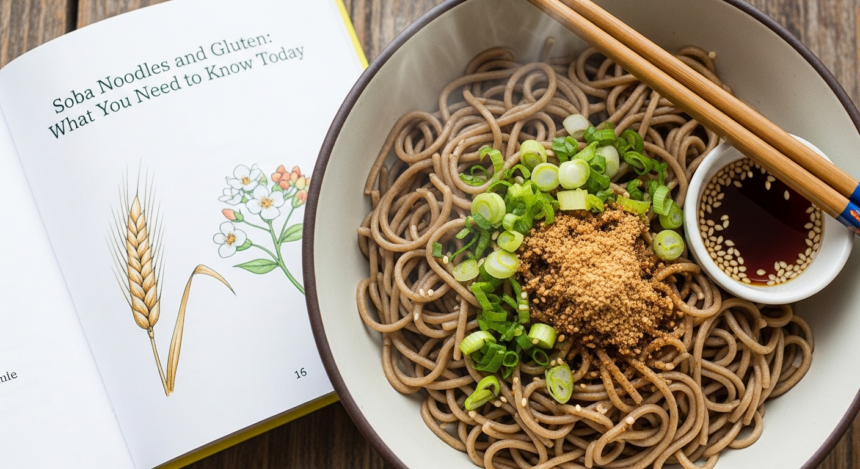
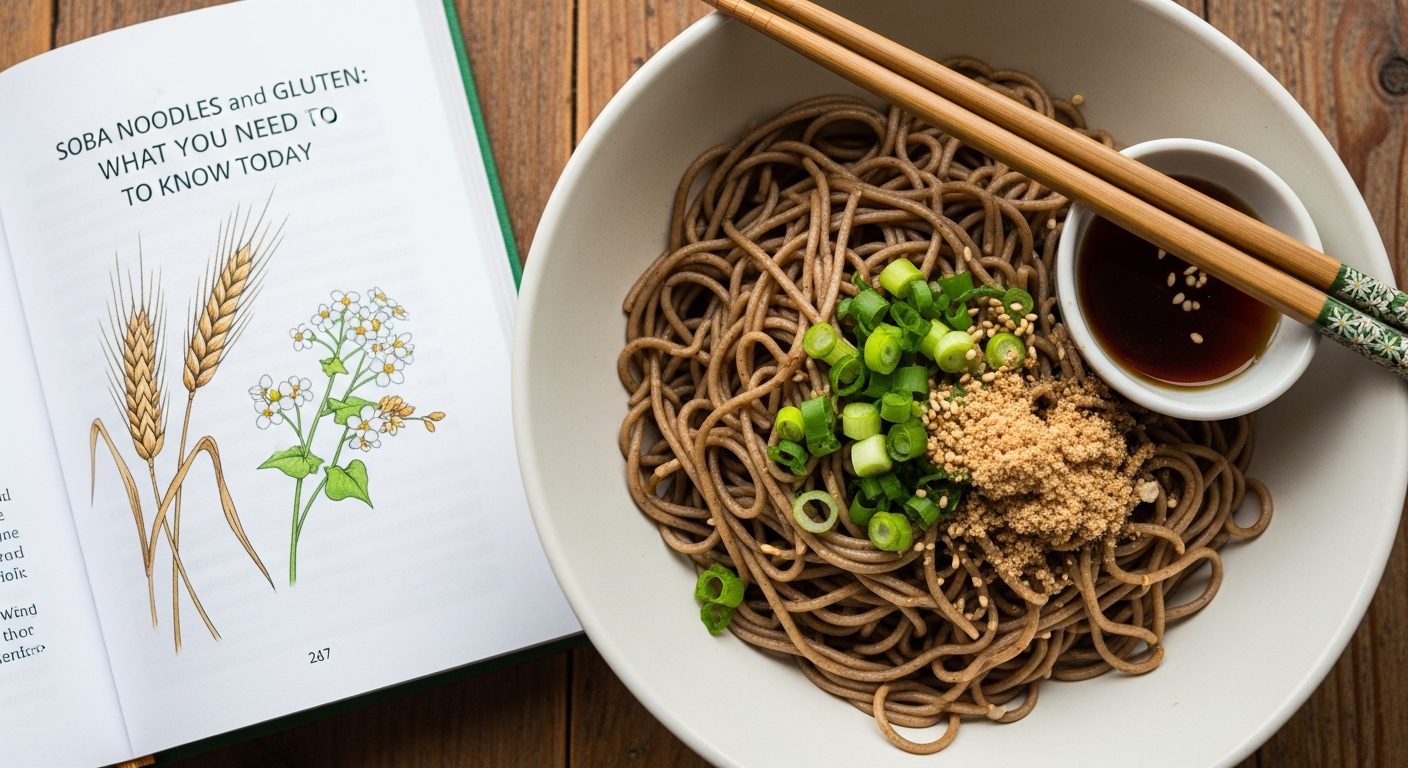
Soba noodles and gluten create a engaging culinary topic for anyone navigating dietary sensitivities. Originating from Japan, these thin noodles are traditionally made from buckwheat flour, a naturally gluten-free grain. However,many commercial varieties blend buckwheat with wheat flour,introducing gluten into the mix-a crucial detail for those with celiac disease or gluten intolerance. Understanding how to identify truly gluten-free soba noodles empowers you to savor this beloved dish without risking your health.
Prep and Cook Time
- Preparation: 10 minutes
- Cooking: 5-7 minutes
- Total Time: 17 minutes
Yield
Serves 2 generous portions
Difficulty Level
Easy
Ingredients
- 100g 100% buckwheat gluten-free soba noodles
- 2 tablespoons tamari (gluten-free soy sauce)
- 1 teaspoon toasted sesame oil
- 1 teaspoon freshly grated ginger
- 1 small garlic clove, minced
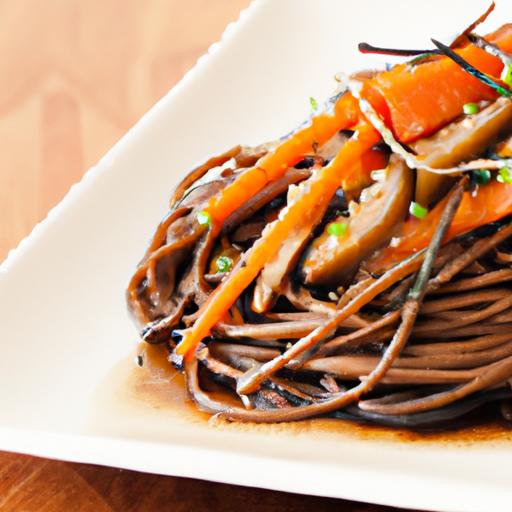
- 1 medium carrot, julienned
- 1/2 cup thinly sliced shiitake mushrooms
- 1/4 cup chopped scallions
- 2 tablespoons chopped fresh cilantro
- 1 tablespoon toasted sesame seeds
- 1 teaspoon rice vinegar
- Optional: 1/2 cup cooked edamame (shelled)
Instructions
- Confirm gluten-free soba noodles: Always check packaging labels for 100% buckwheat or explicit gluten-free certification to avoid wheat blends.
- Boil the noodles: Bring a large pot of salted water to a rolling boil. Add soba noodles and cook for 5-7 minutes, stirring gently to prevent sticking.
- Drain and rinse: Drain noodles in a colander and immediately rinse under cold running water to halt cooking and remove excess starch. Set aside to drain thoroughly.
- Prepare the sauce and veggies: In a small bowl, whisk tamari, sesame oil, grated ginger, garlic, and rice vinegar until combined.
- Sauté mushrooms and carrots: In a non-stick skillet over medium heat, add a splash of sesame oil. Sauté shiitake mushrooms and julienned carrots for about 3 minutes until tender but crisp.
- Combine all: In a mixing bowl, toss the drained soba noodles with the sautéed veggies, prepared sauce, scallions, cilantro, and edamame if using. Mix gently to coat evenly.
- Serve and garnish: Plate the noodles and sprinkle with toasted sesame seeds. Enjoy immediately for the freshest flavor and texture.
Chef’s Notes
- Choosing your noodles: Authentic gluten-free soba noodles are 100% buckwheat. Some brands blend with wheat, so vigilance is key.
- Add protein: For a heartier meal, add grilled tofu, shrimp, or chicken breast-always ensure any pre-marinated ingredients are gluten-free.
- Flavor variations: try infusing your sauce with a teaspoon of chili garlic sauce or a splash of yuzu juice for a zesty twist.
- Make ahead: Cook noodles and prepare sauce in advance. Keep them separate until ready to serve to prevent sogginess.
- Storage tip: Leftover soba can be refrigerated up to 2 days in an airtight container. Rinse lightly with warm water before reheating to refresh texture.
Serving Suggestions
Present your soba noodles chilled or at room temperature for a refreshing meal perfect for warm days. Garnish with crunchy toasted nori strips or thinly sliced radish for added crunch and color contrast. Pair with a side of steamed edamame or a crisp cucumber salad tossed in rice vinegar dressing for a balanced dinner. A chilled glass of green tea complements this dish beautifully, enhancing its earthy notes.
| Nutrient | Amount per Serving |
|---|---|
| Calories | 280 kcal |
| Protein | 9 g |
| Carbohydrates | 45 g |
| Fat | 5 g |
| Fiber | 3 g |

For more detailed insights on choosing gluten-free noodles, visit Celiac Disease Foundation. Also, explore our related article on gluten-free Asian noodle alternatives for tasty variations that suit your sensitive diet.
Q&A
Soba Noodles and Gluten: What You Need to know Today – Q&A
Q1: What exactly are soba noodles?
A1: Soba noodles are thin, buckwheat-based noodles originating from Japan. Traditionally, they’re made from a blend of buckwheat flour and wheat flour, creating a nutty, earthy flavor and a delightfully chewy texture that’s beloved in many Asian dishes.Q2: Are soba noodles gluten-free?
A2: Not always! Pure soba noodles made from 100% buckwheat flour are naturally gluten-free, as buckwheat is not related to wheat. However, many commercially available soba noodles contain a mix of wheat and buckwheat flour, which means they do contain gluten. Always check the label or opt for noodles explicitly labeled ”100% buckwheat” if you need to avoid gluten.
Q3: Why do some soba noodles contain wheat if buckwheat is gluten-free?
A3: Pure buckwheat flour can be fragile and arduous to turn into noodles without breaking. To improve texture and elasticity, manufacturers often blend buckwheat with wheat flour. This hybrid approach makes the noodles easier to handle, cook, and enjoy but introduces gluten.
Q4: How can someone with gluten sensitivity or celiac disease enjoy soba noodles safely?
A4: Look for soba noodles that specify ”100% buckwheat” or are certified gluten-free. Also, beware of cross-contamination if noodles are processed in facilities that handle wheat flour. If dining out, ask the chef about ingredients and preparation methods to avoid accidental gluten exposure.Q5: What are some tasty ways to enjoy gluten-free soba noodles?
A5: Pure buckwheat soba shines in chilled noodle salads with fresh veggies and a tangy sesame dressing, warm brothy soups with mushrooms and scallions, or simply tossed in soy sauce (gluten-free tamari for those avoiding gluten), garlic, and a sprinkle of toasted sesame seeds. The earthy flavor pairs beautifully with vibrant asian-inspired ingredients.
Q6: Can soba noodles be a nutritious choice?
A6: Absolutely! Buckwheat is rich in fiber, antioxidants, and essential minerals like manganese and magnesium. it’s also a good source of plant-based protein and has a lower glycemic index compared to white wheat pasta, making soba a nourishing and satisfying option.
Q7: What should consumers remember when buying soba noodles?
A7: Always read labels carefully.”Soba” doesn’t always mean gluten-free. Look for 100% buckwheat or certified gluten-free stamps if you are sensitive.And remember: the cooking environment matters too-cross-contamination is a real risk, so ask questions, whether shopping or dining out.
soba noodles can be a gluten-free delight – or a gluten trap – depending on what you pick up. Embrace the nutty goodness of pure buckwheat soba and savor every slurp with confidence today!
In Retrospect
As we’ve unraveled the story behind soba noodles and gluten, it’s clear that these humble strands carry more than just flavor-they carry a tale of tradition, ingredients, and dietary awareness. Whether you’re navigating gluten sensitivities or simply curious about what’s on your plate, understanding soba’s composition empowers you to make informed, confident choices at mealtime. So next time you twirl those noodles around your chopsticks, you’ll appreciate not just the taste, but the knowledge that comes with every bite. After all, in the world of food, a little insight can turn a simple dish into a mindful experience.