
Beneath the delicate veil of vinegared rice and the gentle curve of a plump, blushing shrimp lies a sushi tradition as rich in history as it is in flavor. Ebi Nigiri, a beloved staple in Japanese cuisine, invites both the curious novice and seasoned sushi lover too explore a harmonious marriage of texture, taste, and artistry. in this article,we unravel the secrets behind the perfect shrimp sushi – from selecting the freshest catch to mastering the subtle techniques that elevate a simple bite into an extraordinary experience. Join us as we uncover the art and flavor of Ebi Nigiri, where every piece tells a story of craftsmanship, culture, and culinary delight.Shrimp Sushi
Ebi Nigiri offers an exquisite journey from ocean to plate, showcasing the delicate sweetness and tender texture of shrimp elevated by precise technique and thoughtful pairings. This dish, born from japanese culinary tradition, transforms humble shrimp into an art form that captures simplicity, elegance, and umami in every bite.My own first experience crafting ebi nigiri at home revealed how mastering the shrimp’s freshness and mastering the perfect rice ball can transport you instantly to a sushi bar in Tokyo.Shrimp Sushi
Prep and Cook Time
- Preparation: 20 minutes
- Cooking: 10 minutes
- Total time: 30 minutes
Yield
Serves 4 (8 pieces of Ebi Nigiri)
Difficulty Level
Medium – Requires attention to detail but accessible for confident home cooks
Ingredients
- 12 fresh shrimp (20-25 count, peeled and deveined, tails intact)
- 2 cups sushi rice (short-grain Japanese rice, rinsed and cooked)
- ¼ cup rice vinegar
- 2 tbsp sugar
- 1 tsp salt
- Wasabi paste (fresh, for spreading)
- Soy sauce (for dipping)
- Pickled ginger (gari, for palate cleansing)
- Optional garnish: finely shredded nori strips or micro shiso leaves
Instructions
- Prepare the sushi rice: Rinse the short-grain rice under cold water untill the water runs clear. Cook according to package instructions or in a rice cooker for perfect texture.Shrimp Sushi
- Season the rice: Combine rice vinegar, sugar, and salt in a small saucepan over low heat. Stir until dissolved to create sushi-su. Gently fold sushi-su into cooked rice wiht a cutting motion; avoid mashing. Let cool to room temperature.
- Prepare the shrimp: Bring a pot of water to boil. Add a pinch of salt. Blanch shrimp for 1-2 minutes until they turn pink and curl tightly. Immediately transfer shrimp to chilled ice water to stop cooking and preserve their tender bite.
- Butterfly the shrimp: Using a sharp knife, cut each shrimp down the back, stopping just before the tail to keep it intact. Open shrimp flat like a book,removing the vein entirely. Lightly press the shrimp to straighten it gently.Shrimp Sushi
- Shape the nigiri: Moisten hands with water mixed with a splash of rice vinegar to prevent sticking. Pick up a small amount of rice (about 2 tablespoons) and form an oval shape with a gentle but firm squeeze.
- Assemble: Dab a small amount of wasabi along the flat underside of the shrimp, then gently press shrimp over the rice ball so the shrimp covers the top, tail end extending slightly beyond the rice.
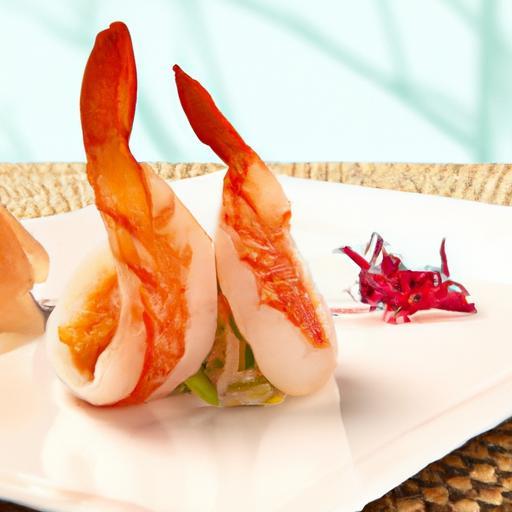
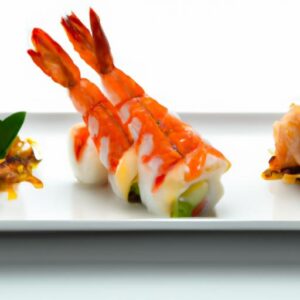
- Finishing touches: Arrange the ebi nigiri on a plate with optional garnishes like shredded nori or micro shiso for visual contrast and aromatic depth.Shrimp Sushi
Chef’s notes
- Freshness Is Key: Always select shrimp labeled “sushi-grade” or from a trusted fishmonger to ensure the sweetest flavor and safest raw consumption when served chilled.
- Butterflying shrimp: If uncomfortable with precise cutting, partially butterfly the shrimp and then gently press to achieve the right shape.
- Rice texture: Avoid overpacking your rice to maintain the ideal fluffy bite that complements the delicate shrimp.
- Make-ahead tips: Sushi rice is best used fresh but can be prepared an hour ahead and kept covered at room temperature (not refrigerated, which hardens the rice).
- Variations: Lightly torching the shrimp (aburi-style) brings warm smokiness and changes the texture beautifully.Shrimp Sushi
Serving Suggestions
Present your ebi nigiri on a sleek ceramic sushi plate or bamboo board. serve alongside soy sauce, a dab of fresh wasabi, and thin slices of pickled ginger to cleanse the palate between bites. A sprinkle of toasted sesame seeds or a touch of microgreens adds subtle earthiness, while chilled sake or a crisp, dry white wine perfectly balance ebi’s natural sweetness.

| Nutrient | Per Serving (2 pieces) |
|---|---|
| Calories | 110 |
| Protein | 12g |
| Carbohydrates | 18g |
| Fat | 0.5g |
For further insights on sushi rice preparation, explore our detailed guide to perfect sushi rice.To deepen your knowledge on sourcing quality seafood, the FDA’s Safe Seafood initiation is an authoritative resource on safety standards.
Q&A
Ebi Nigiri Unveiled: The Art and Flavor of Shrimp Sushi – Q&A
Q1: What exactly is Ebi Nigiri?
A1: Ebi Nigiri is a classic type of sushi consisting of a piece of cooked shrimp (ebi) elegantly draped over a small mound of vinegared sushi rice (shari). This simple yet artful combination highlights the delicate sweetness and texture of shrimp, offering a bite-sized harmony of flavor and tradition.
Q2: Why is the shrimp cooked instead of raw in Ebi Nigiri?
A2: Unlike many sushi varieties that feature raw fish, Ebi Nigiri traditionally uses boiled or steamed shrimp. Cooking enhances the shrimp’s natural sweetness and gives it a firm, satisfying texture while also ensuring food safety, making it a popular choice for sushi newcomers and purists alike.
Q3: How is Ebi Nigiri traditionally prepared?
A3: The preparation starts with selecting fresh, high-quality shrimp, which is then carefully boiled until just cooked thru. After cooling, the shrimp is butterflied and deveined, then gently pressed onto a hand-formed ball of seasoned sushi rice. Sometimes a tiny dab of wasabi is placed between the shrimp and rice to add a subtle kick.Q4: What makes Ebi Nigiri different from other nigiri types?
A4: Unlike fatty tuna or rich eel nigiri, ebi Nigiri is celebrated for its clean, mild flavor and slightly sweet bite.Its texture is tender yet slightly firm,offering a refreshing contrast to richer sushi while spotlighting the natural taste of shrimp without heavy sauces or toppings.
Q5: Are there regional variations of Ebi Nigiri?
A5: Yes! Some regions may sprinkle a pinch of sea salt or drizzle a light brush of soy sauce or sweetened soy glaze over the shrimp. Occasionally, chefs will pair Ebi Nigiri with a small smear of spicy mayo or a hint of yuzu zest to elevate the flavor while respecting tradition.
Q6: how should one properly enjoy Ebi Nigiri?
A6: The true sushi enthusiast gently picks up the Ebi Nigiri with fingers or chopsticks, dips only the shrimp side lightly into soy sauce (to avoid soaking the rice), and enjoys it in one elegant bite.Pairing it with pickled ginger between bites refreshes the palate for the next exquisite morsel.
Q7: Can Ebi Nigiri be made at home?
A7: Absolutely! While mastering sushi rice takes practice, making Ebi Nigiri at home is rewarding. With fresh shrimp, perfectly cooked rice, and a bit of patience, anyone can create this delicate sushi classic-bringing a touch of Japanese culinary artistry to their dining table.
Q8: Why has Ebi Nigiri stayed popular worldwide?
A8: Its enduring appeal lies in its simplicity and balance-the sweet, tender shrimp paired with subtly seasoned rice offers an accessible yet elegant flavor that appeals across cultures. Ebi Nigiri invites both sushi novices and connoisseurs to savor a piece of Japan’s rich seafood heritage in every bite.
Closing Remarks
As the delicate balance of texture and flavor in Ebi Nigiri reveals itself bite by bite, we come to appreciate not just a dish, but a centuries-old tradition meticulously crafted by skilled hands. From the careful selection of plump, sweet shrimp to the precise molding of vinegared rice, every element tells a story of artistry and respect for ingredients. Whether you’re a seasoned sushi connoisseur or a curious newcomer, understanding the nuances of Ebi Nigiri opens a gateway to the broader world of sushi-an edible symphony where simplicity meets sophistication. So, next time you savor that tender shrimp atop its bed of rice, remember: you’re experiencing more than a meal-you’re tasting a timeless cultural masterpiece.