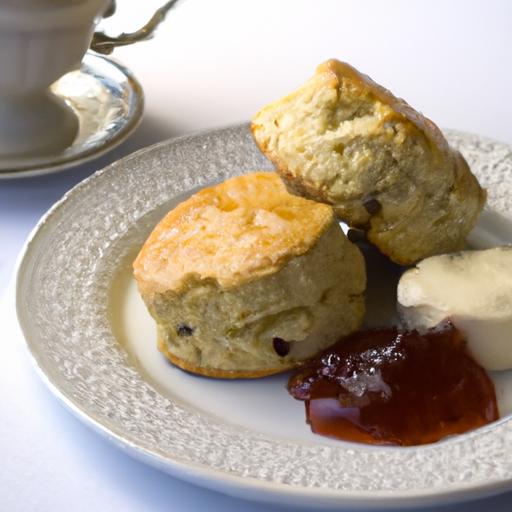

Few culinary traditions capture the cozy charm of a British afternoon quite like the timeless ritual of scones with clotted cream and jam. This iconic pairing, a symphony of flaky, buttery goodness topped with rich, velvety cream and shining, fruity sweetness, embodies the very essence of indulgence and simplicity. From quaint countryside tearooms to bustling city cafés, the humble scone holds a special place in the hearts-and on the plates-of those who cherish heritage and flavor in equal measure. In this article, we’ll explore the origins, preparation, and cultural meaning of this classic British delight, inviting you to savor each bite of history and taste.
Scones with Clotted Cream & Jam: A Classic british Delight
Scones with clotted cream and jam embody a timeless British tradition that brings warmth and comfort to teatime tables across the world. This beloved pairing, rich with history and steeped in cultural charm, invites you to experience the soft, buttery crumb of freshly baked scones paired perfectly with luxuriously thick clotted cream and vibrant, fruity jam. Whether shared with friends or savored on a quiet afternoon, these scones offer a taste of heritage that’s as satisfying as it is indeed indulgent.
Prep and Cook Time
Preparation: 15 minutes
Cooking: 12-15 minutes
Total Time: 30 minutes
Yield
Approximately 8 medium-sized scones
Difficulty Level
Easy to Medium – Perfect for beginner bakers eager to master a classic
Ingredients
- 2 cups all-purpose flour, sifted
- 1/4 cup granulated sugar
- 1 tablespoon baking powder
- 1/2 teaspoon salt
- 6 tablespoons cold unsalted butter, cubed
- 2/3 cup whole milk, plus a little extra for brushing
- 1 large egg, beaten
- 1 teaspoon pure vanilla extract (optional for subtle sweetness)
- Clotted cream and strawberry or raspberry jam, to serve
Choosing the Perfect Clotted Cream and Jam Combinations
When it comes to pairing scones with clotted cream and jam, the magic lies in balance and tradition.The clotted cream should be lush and velvet-smooth, offering a slightly nutty, rich flavor that melts into the warm crumb. Opt for iconic British clotted creams, such as Rodda’s or Cornish, to ensure authenticity. For jams, classic strawberry and raspberry reign supreme due to their bright, slightly tart notes that contrast beautifully with the creamy texture. However, for adventurous palates, try blackberry, apricot, or even a tangy blackcurrant jelly for delightful variations.
Step-by-Step Guide to Baking Fluffy, Tender Scones
- Preheat your oven to 425°F (220°C). Line a baking sheet with parchment paper.
- combine dry ingredients: In a large bowl, whisk together the sifted flour, sugar, baking powder, and salt until evenly mixed.
- Cut in the butter: Using a pastry cutter or your fingertips, rub the cold butter into the dry mixture until the texture resembles coarse breadcrumbs. Work quickly to prevent the butter from melting.
- Mix wet ingredients: In a separate bowl, whisk together the milk, egg, and vanilla extract.
- Form the dough: Gradually pour the wet ingredients into the dry ingredients, gently folding with a spatula or wooden spoon until just combined. The dough should be soft but not sticky.
- shape and cut: Turn the dough onto a lightly floured surface. Gently pat or roll it out to about 1-inch thickness. Using a floured round cutter (about 2.5 inches), cut out scones. Press straight down without twisting to ensure a good rise.
- Prepare for baking: Place the scones on the prepared baking sheet, leaving a little space between them. Brush the tops lightly with milk to encourage golden browning.
- Bake until golden: Bake for 12-15 minutes or until the scones have risen well and are a warm golden brown on top. Rotate the tray halfway for even cooking.
- Cool slightly: transfer the scones to a wire rack and allow to cool for about 5 minutes-best enjoyed warm.
Serving Suggestions and tips for an Authentic British afternoon Tea Experience
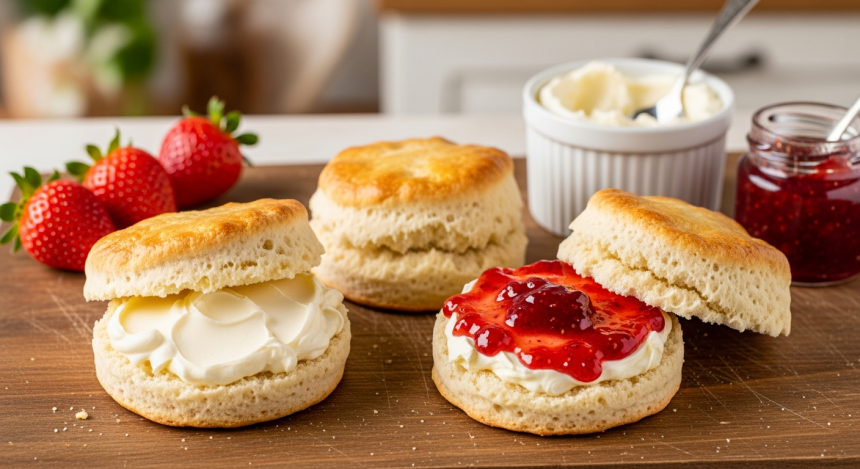
Plate your scones warm, with generous dollops of clotted cream and your chosen jam, served alongside a pot of strong, freshly brewed English Breakfast tea or Earl Gray for the perfect pairing. Presentation is key: use fine china, linen napkins, and a tiered cake stand if available.Sprinkle a few fresh berries on the side or lightly dust the scones with icing sugar for an elegant finish. For a traditional touch, remember the friendly debate over the cream-jam order: whether to spread jam first or cream-choose your preference and enjoy every luscious bite.
Tips for Success
- Keep your ingredients cold: Cold butter and chilled milk help produce flaky, tender scones.
- Don’t overmix: Folding the dough gently keeps it light and airy.
- Use a sharp cutter: Press straight down to avoid sealing edges and compromising rise.
- Make-ahead option: Cut your scones and freeze before baking. Bake straight from frozen, adding a few extra minutes.
- Customize with add-ins: Mix fresh berries or zest into the dough for seasonal flair.
| Nutrient | Per scone (approx.) |
|---|---|
| Calories | 220 kcal |
| Protein | 4 g |
| Carbohydrates | 30 g |
| Fat | 8 g |

For a deeper dive into traditional British baking, explore our Classic British Bakings collection.To learn more about the fascinating history of clotted cream, visit the British Cream Producers Association.
Q&A
Q&A: scones with Clotted Cream & Jam – A Classic British Delight
Q1: What exactly are scones, and why are they such a beloved part of British cuisine?
A1: Scones are light, slightly sweetened pastries that hail from the British Isles-think fluffy little clouds of comfort. They’ve become iconic thanks to their role in the quintessential British tradition of afternoon tea. Crisp on the outside, tender on the inside, scones are the perfect canvas for generous dollops of clotted cream and vibrant, fruity jam, making them a timeless treat that embodies British charm and hospitality.
Q2: What is clotted cream, and how dose it differ from regular cream or butter?
A2: Clotted cream is a rich, velvety cream with a luscious, slightly nutty flavor, made by gently heating full-fat cow’s milk and allowing the cream to rise and “clot.” Unlike ordinary cream or butter, clotted cream has a thick, spreadable texture with a golden crust on top. It’s the royal accompaniment to scones, adding decadence without overwhelming the delicate crumb.
Q3: Why is the combination of scones, clotted cream, and jam considered a classic?
A3: The trio is a perfect harmony of textures and flavors: the warmth and crumbly tenderness of the scone, the smooth richness of clotted cream, and the sweet, tangy burst of jam. Together, they create a balanced bite that delights the palate and indulges the senses, cementing their status as a cornerstone of British teatime tradition.
Q4: Is there a “right” way to enjoy scones with clotted cream and jam?
A4: Ah, the age-old debate: Should you spread the cream first, then the jam, or vice versa? The answer depends on where you are in the UK! In Devon, tradition holds that clotted cream is spread first, then a dollop of jam on top. Meanwhile, Cornish manners favor jam first, topped with cream. Either way, there’s no wrong method-just a flavorful one.
Q5: Can you make scones with clotted cream and jam at home, or is it best to enjoy them in a traditional tea room?
A5: Absolutely-you can recreate the magic at home! Simple ingredients and straightforward techniques make scones a rewarding baking project. pair them with authentic clotted cream (available at specialty stores or online) and your favorite jam, and you’ve got a slice of British heritage on your plate. That said, nothing quite beats the experience of savoring freshly baked scones in a cozy English tearoom, where the ritual and ambiance add extra flavor.
Q6: what types of jam work best with scones and clotted cream?
A6: Traditional choices like strawberry or raspberry jam are tried-and-true classics, their balance of sweetness and acidity complementing the richness of cream beautifully. Though, feel free to experiment with blackberry, blueberry, or even rose petal jam for a unique twist. The key is to choose a jam that enhances without overpowering the delicate scone.Q7: How has the tradition of scones with clotted cream and jam endured through time?
A7: This delectable custom has thrived becuase it offers simple yet comforting pleasure, perfect for moments of pause and connection.From cozy cottages to elegant tea salons, scones with clotted cream and jam evoke a sense of nostalgia and conviviality. Their enduring appeal lies in their ability to bring people together-one buttery bite at a time.
Final Thoughts
Whether enjoyed on a lazy afternoon or as the star of a traditional English tea, scones with clotted cream and jam remain a timeless treat that perfectly captures the essence of British culinary heritage. Their crumbly texture paired with rich, velvety cream and sweet, tangy jam creates a harmony of flavors that has delighted taste buds for generations. Embracing this classic delight is more than just savoring a snack-it’s an invitation to slow down, indulge in simple pleasures, and connect with a storied tradition that continues to charm both locals and visitors alike. So next time you’re craving a taste of britain, let a freshly baked scone with a generous dollop of clotted cream and jam transport you to cozy tearooms and sunlit garden parties, where every bite tells a deliciously authentic story.