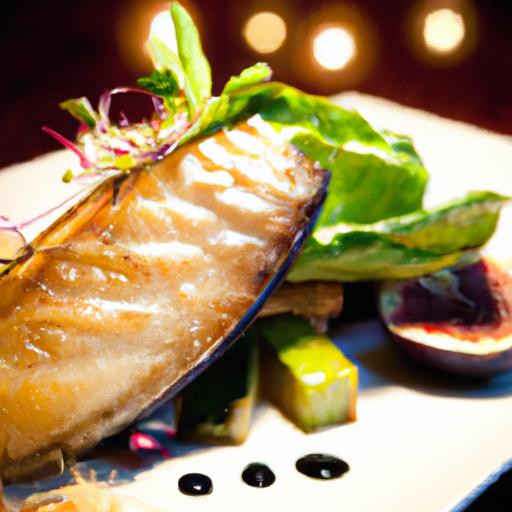

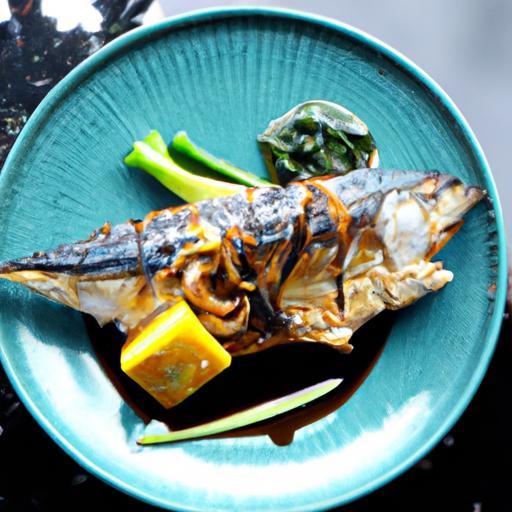
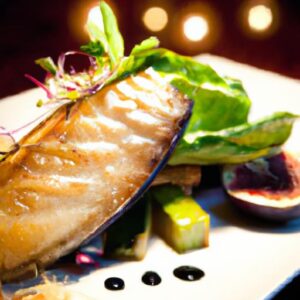
In the heart of Japanese cuisine lies a humble yet exquisite culinary tradition that celebrates simplicity, precision, and deep-rooted flavors: saba shioyaki, or grilled mackerel with salt. this beloved dish, often found sizzling gently over charcoal fires in izakayas and home kitchens alike, transforms the oily richness of mackerel into a crisp, smoky delight that dances on the palate. Beyond its savory allure,saba shioyaki embodies Japan’s artful balance of nature,technique,and seasonality-inviting diners too savor not just a meal,but a story of heritage and craftsmanship in every bite. Join us as we explore the cultural significance, planning artistry, and irresistible taste of this iconic Japanese classic.
Savoring Saba Shioyaki reveals a cherished Japanese culinary tradition that transforms simple mackerel into a dish bursting with pure,smoky flavor. This time-honored method captures the essence of umami by gently salting and grilling fresh mackerel, invoking a rustic yet elegant experience that has graced Japanese tables for generations. My first encounter with saba shioyaki was during a vibrant morning market visit in Kyoto - the aroma of salt-kissed fish grilling over charcoal instantly captivated me and inspired countless recreations in my own kitchen.
Prep and Cook Time
Preparation: 15 minutes
Marinating: 20-30 minutes
Grilling: 10-12 minutes
Total: Approximately 45 minutes
Yield
Serves 2-3 (adjust servings by scaling fish pieces accordingly)
Difficulty Level
Medium – Requires attention to grilling technique and fish selection for optimal results
Ingredients
- 2 whole fresh mackerel (saba),cleaned and butterflied (about 350-400g each)
- 1½ tablespoons coarse sea salt
- 1 lemon,cut into wedges (for serving)
- Grated daikon radish,about ½ cup (optional garnish)
- Fresh shiso leaves or chopped scallions for garnish (optional)
- soy sauce,for dipping (optional)
Instructions
- Clean and prepare the mackerel. Rinse the butterflied mackerel under cold water and pat dry with paper towels. Ensuring the fish is dry is vital for crisp skin.
- Salt the fish evenly. Sprinkle the coarse sea salt generously over both sides of each mackerel piece. Use your fingers to gently press the salt into the flesh. Let it rest on a wire rack or plate for 20-30 minutes at room temperature; this step enhances flavor and firms the flesh.
- Preheat your grill or broiler. A medium-high heat (about 400°F / 200°C) works best to produce that signature golden char while preventing overcooking.
- Rinse off excess salt. Just before grilling, lightly rinse the salt from the fish under cold water and pat dry thoroughly to avoid excess salinity.
- Grill the mackerel. Place the skin-side down on your grill rack or broiler pan. Grill for about 6-7 minutes, then carefully flip and grill the flesh side for another 4-5 minutes. Look for crisp, slightly blistered skin with juicy, flaky meat beneath-this signals perfection.
- Finish and serve. Transfer to a serving plate, garnish with grated daikon radish and shiso leaves or scallions. Squeeze fresh lemon wedges over the top and offer soy sauce on the side to customize each bite.
Tips for Success
- choose mackerel labeled “saba” from a trusted fishmonger; freshness is key.Look for bright eyes, firm texture, and a slight ocean fragrance-never fishy or sour.
- Coarse sea salt is preferable over fine table salt; it draws moisture effectively and adds a clean crunch.
- Don’t skip patting the fish dry after rinsing salt-it prevents steaming and helps skin crisp nicely.
- Use a wire rack or perforated grilling tray for even heat circulation beneath the fish.
- If charcoal grilling,adding a small handful of soaked sakura or oak chips helps impart authentic smoky aroma.
- Leftovers reheat well in a hot pan with skin-side down to re-crisp.
Serving Suggestions
Present saba shioyaki alongside steamed white rice and a light miso soup for a balanced meal. Complement with pickled vegetables or a fresh cucumber sunomono salad to cut through the fish’s richness. For an elegant touch, arrange the fish atop a bamboo leaf or Japanese-style ceramics, layering grated daikon radish neatly to create texture contrast. A simple cup of green tea or chilled sake pairs beautifully, offering herbal brightness or a subtle sweetness to elevate the dining experience.
| Nutritional Info (per serving) | amount |
|---|---|
| Calories | 280 kcal |
| Protein | 35 g |
| Carbohydrates | 0 g |
| Fat | 14 g |

For a deeper dive into Japanese grilling techniques, check out our detailed guide on authentic yakimono methods. To understand the cultural significance of saba in Japanese cuisine,visit the authoritative resource at Japan Guide.
Q&A
Q&A: Savoring Saba Shioyaki – Japan’s Art of Grilled Mackerel
Q: What exactly is Saba Shioyaki?
A: Saba Shioyaki is a classic Japanese dish featuring mackerel (saba) seasoned simply with salt (shio) and grilled to perfection (yaki). This minimalistic approach highlights the fish’s rich, oily texture and natural umami, making it a beloved staple in Japanese home cooking and restaurants alike.
Q: Why is mackerel the fish of choice for this dish?
A: Mackerel’s bold, oily flavor holds up remarkably well against salt and high heat grilling.Its firm yet tender flesh absorbs seasoning beautifully, resulting in a smoky, savory, and slightly crispy bite – a true testament to the fish’s character and Japanese culinary sensibility.
Q: how is Saba shioyaki traditionally prepared?
A: The preparation is deceptively simple yet precise. Fresh saba is first cleaned and filleted, then generously salted and left to rest, allowing the salt to draw out excess moisture and intensify flavor. It’s then grilled skin-side down until the skin crisps and browns while the flesh remains juicy, often served with grated daikon and a wedge of lemon or sudachi for a bright contrast.Q: What makes grilling the preferred cooking method here?
A: Grilling imparts a subtle smokiness and crisps the mackerel’s skin, creating a delightful textural contrast and enhancing the natural oils in the fish. The direct heat also caramelizes the salted surface, unlocking layers of savory complexity without overpowering the delicate fish.
Q: Are ther cultural or seasonal significances tied to Saba shioyaki?
A: Indeed! Mackerel is most prized in Japan during autumn and winter months when the fish is at its fattiest and most flavorful. Serving saba shioyaki in these seasons is a party of nature’s rhythms and Japan’s deep connection to seasonal ingredients – known as “shun” in Japanese cuisine.
Q: How is Saba Shioyaki typically enjoyed in a meal?
A: It’s commonly featured in a traditional Japanese set meal (teishoku), accompanied by steamed rice, miso soup, pickles, and grated daikon radish. The balance of flavors and textures harmonizes beautifully, offering both comfort and umami-rich satisfaction.
Q: Can Saba Shioyaki be adapted or fused with other cuisines?
A: While its purity is part of its charm, contemporary chefs often experiment by adding subtle twists-perhaps a brush of yuzu kosho, a sprinkle of sesame seeds, or pairing the fish with Western-style sides. However, preserving the essence of the simple salt-grilled saba remains key to honoring this culinary art.
Q: What tips would you give to someone attempting Saba Shioyaki at home?
A: Start with the freshest mackerel you can find. Don’t skimp on the salt-it’s essential not just for flavor but for texture. Let the salted fish rest to draw out moisture, then grill over medium-high heat to avoid burning while ensuring the skin crisps nicely. Serve with a squeeze of citrus and grated daikon to elevate the experience.
Q: In a world of complex dishes, why does saba Shioyaki endure?
A: Because it is an ode to simplicity and seasonality - the kind of food that nurtures both body and soul. Saba Shioyaki invites us to savor each bite and celebrate the humble beauty of a well-grilled fish. It’s Japan’s culinary poetry written in salt and flame.
Concluding Remarks
As the smoky aroma of saba shioyaki lingers on the palate, it becomes clear that this unassuming grilled mackerel is much more than a simple dish-it is a flavorful passage into Japan’s rich culinary heritage. Through the artful balance of sea salt and fire, each bite tells a story of tradition, seasonality, and respect for ingredients. Whether savored at a bustling izakaya or home-cooked with care, saba shioyaki reminds us that sometimes the purest flavors reveal the deepest connections to place and culture. So next time you seek a taste of Japan’s coastal spirit, let the humble grilled mackerel be your tasty guide.