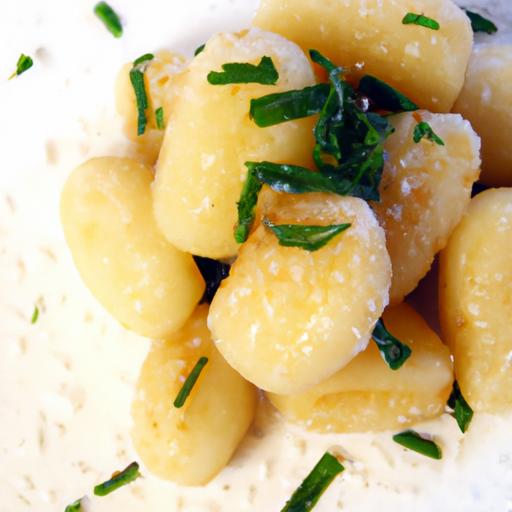

There’s something irresistibly comforting about a pillow of perfectly tender potato gnocchi-those delicate dumplings that seem to melt effortlessly on the tongue, carrying wiht them the rustic charm of Italian kitchens. Yet, despite their humble ingredients, mastering gnocchi can feel like an elusive art, shrouded in doubt over dough consistency or the perfect potato choice. In this guide, we’ll demystify the process with a simple, authentic recipe that honors tradition while empowering you to create light, fluffy gnocchi from scratch. Whether you’re a seasoned cook or a curious novice, prepare to roll up your sleeves and discover the secrets to crafting homemade gnocchi that delight with every bite.
Choosing the Perfect Potatoes for Fluffy Gnocchi
Mastering potato gnocchi begins with selecting the ideal potato variety to achieve light, fluffy pillows of dough that melt on your tongue.The best potatoes are those low in moisture and starch-dense to keep your gnocchi from becoming gummy or heavy. Russet potatoes or Yukon golds are the classic go-to choices, prized for their dry, mealy texture and natural sweetness.When you bake or boil these potatoes whole with their skins on, you preserve that delicate starch structure crucial for tender gnocchi.
Seek out medium-sized potatoes with firm skin and no green spots or blemishes. Remember, freshly harvested and well-rested potatoes (at least 1-2 days off refrigeration) will bind better, so avoid freshly refrigerated tubers which can make dough watery.Roasting or steaming potatoes whole allows the interior to stay dry while cooking evenly, producing gnocchi with that irresistible fluff.
Crafting the Dough with Precision and Care
Once your potatoes are perfectly cooked and cooled enough to handle,the magic of creating gnocchi dough unfolds. Gently peel away the skins and pass the potatoes through a ricer or fine sieve into a large bowl – this airy,crumbly texture is key to lightness. Avoid mashing by hand as it releases excess moisture, which can weigh down your dough.
Add just the right amount of all-purpose flour-usually about 1 cup per pound of potato-to bind the mixture without toughening it. Crack in a fresh egg to enrich flavor and improve dough elasticity. Using your hands, fold the ingredients slowly, turning the dough until it comes together into a soft, slightly sticky ball. Resist the urge to knead extensively; overworking activates gluten and ruins the tender gnocchi texture.
Techniques for Shaping and Cooking Gnocchi to Perfection
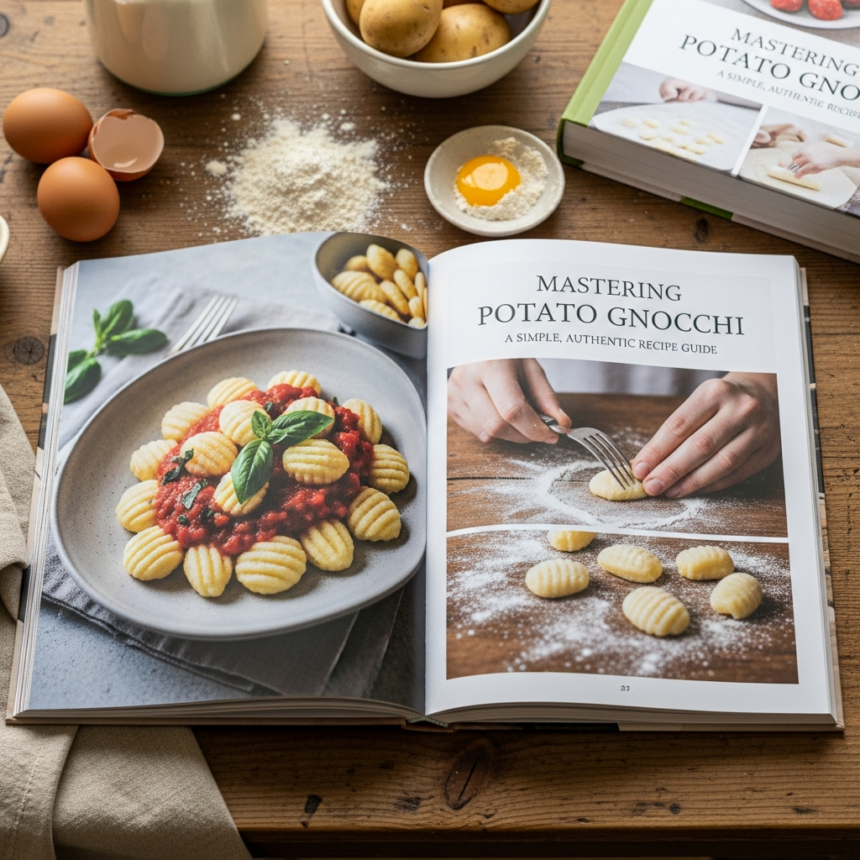
Shape your dough into long logs about ¾-inch thick on a floured surface. Cut into bite-sized pieces, then gently roll each piece over the back of a fork or a gnocchi board, creating the iconic ridges that help sauces cling.The process is meditative and rewarding; take your time to perfect each dumpling’s form without compressing the dough too much.
Bring a large pot of salted water to a gentle boil and cook your gnocchi in batches.Fresh gnocchi only need 2-3 minutes: they’ll float to the surface when perfectly cooked. Using a slotted spoon, transfer them directly into your chosen sauce or a hot pan to lightly sauté in butter for a golden crust. This final step adds a subtle crunch and deepens flavor, creating a delightful contrast to their pillowy interiors.
Sauce Pairings That Elevate Your Homemade Gnocchi Experience
The world of sauces for homemade gnocchi is endlessly inspiring. For a classic touch, toss your gnocchi in a simple sage and brown butter sauce that highlights their delicate flavor. Silky tomato ragù or rich cream-based mushroom sauces add earthy, comforting layers. For a fresh twist, experiment with pesto made from basil, walnuts, or even arugula for vibrant herbaceous notes.
Finish your plate with a light dusting of freshly grated Parmesan or a sprinkle of toasted pine nuts to introduce textural contrast and umami richness.A handful of arugula or microgreens not only adds color but also a peppery bite, balancing the richness of your sauce and dough. The key is to let your gnocchi shine as the star while complementing it with sauces that elevate every bite.
Prep and Cook Time
- Prep Time: 30 minutes
- Cook Time: 20 minutes
- total Time: 50 minutes
Yield
Serves 4 generous portions
Difficulty Level
Medium – perfect for home cooks ready to take their pasta skills to the next level
Ingredients
- 2 pounds Russet or Yukon Gold potatoes, whole
- 1 cup all-purpose flour, sifted, plus extra for dusting
- 1 large egg, lightly beaten
- 1 tsp fine sea salt
- Butter and fresh sage leaves, for finishing (optional)
- Grated Parmesan cheese, for garnish
instructions
- Preheat your oven to 400°F (200°C). Bake the whole potatoes with skins on for about 45-60 minutes, or until tender when pierced with a fork. Let cool slightly.
- Peel the potatoes while still warm and pass them through a potato ricer or fine sieve onto a clean work surface or large bowl.
- Sprinkle the flour evenly over the riced potatoes. Add the sea salt.
- Make a shallow well in the center and pour in the beaten egg. Using your hands, gently fold the ingredients together until a soft dough forms. Avoid over-kneading.
- Divide the dough into 4 equal portions. Roll each portion into a log about ¾-inch thick on a floured surface.
- Cut the logs into ¾-inch pieces. roll each piece over the back of a fork or gnocchi board to create ridges.
- Bring a large pot of salted water to a boil. Drop gnocchi in batches. Once they float to the surface (about 2-3 minutes), remove with a slotted spoon.
- If desired, melt butter in a skillet over medium heat, add fresh sage leaves, and sauté the cooked gnocchi until lightly golden, about 3-4 minutes.
- Serve instantly, tossed in your chosen sauce and garnished with Parmesan cheese.
Tips for Success
- Use room temperature potatoes: Cold potatoes release more moisture, affecting dough texture.
- Pick the right flour: All-purpose works best for a tender yet structured gnocchi; whole wheat tends to be heavier.
- Test dough consistency: If dough feels too sticky, add a tablespoon of flour at a time. If too dry, lightly wet your hands and knead gently.
- Freeze extra gnocchi: Place uncooked gnocchi on a parchment-lined tray, freeze until firm, then transfer to a sealed bag. Cook from frozen without thawing.
- Avoid boiling vigorously: Gentle simmer ensures gnocchi don’t break apart.
Serving Suggestions
For an elegant presentation,plate your gnocchi in shallow bowls,spoon over a silky brown butter sage sauce,and finish with a sprinkle of cracked black pepper and microgreens. Pair this with a crisp white wine like Pinot Grigio or a light-bodied chardonnay.for a heartier meal, serve gnocchi with a robust tomato ragù and fresh basil leaves. To celebrate seasonal flavors, toss gnocchi with roasted butternut squash, toasted walnuts, and sage, drizzled with truffle oil.
| Nutrition | Per serving |
|---|---|
| Calories | 320 |
| Protein | 7g |
| Carbohydrates | 60g |
| fat | 2g |

explore more classic Italian pasta recipes like Authentic ravioli Recipe for your next cooking adventure. For a deep dive into potato varieties and their culinary uses, the Encyclopedia britannica offers excellent insights.
Q&A
Q&A: Mastering Potato Gnocchi – A simple, Authentic Recipe Guide
Q1: What exactly is potato gnocchi?
A1: Potato gnocchi are pillowy, tender dumplings made primarily from potatoes, flour, and sometimes egg. Originating from Italy,these little clouds of comfort embody simplicity and versatility,serving as a appetizing canvas for countless sauces and flavors.
Q2: Why should I make gnocchi at home instead of buying pre-made ones?
A2: Homemade gnocchi boasts a freshness and delicate texture that store-bought versions rarely match. Crafting them yourself allows you to control ingredients, customize flavors, and connect with an age-old culinary tradition-plus, there’s something deeply satisfying about turning humble potatoes into soft bites of bliss.
Q3: Which potatoes are best for gnocchi?
A3: The secret to perfect gnocchi lies in using starchy, fluffy potatoes-Russets or Yukon Golds are ideal.Their low moisture content helps the dough hold together without becoming gummy, giving you light, airy dumplings that melt on your tongue.Q4: Do I really need to add eggs to the gnocchi dough?
A4: Customary recipes vary by region-some purists stick to potatoes and flour only, while others incorporate an egg to bind the dough. Adding egg can make the dough easier to handle, especially for beginners, but be mindful not to overwork it to maintain that tender texture.
Q5: How do I prevent gnocchi from turning out chewy or dense?
A5: The trick is gentle hands and minimal flour. Over-kneading develops gluten, resulting in tougher gnocchi. Use just enough flour to bring the dough together, roll gently, and avoid squeezing too hard when shaping. Also, bake or boil them promptly after shaping to preserve their delicate structure.
Q6: What’s the best way to cook and serve gnocchi?
A6: Boil gnocchi in salted water until they float-this signals they’re perfectly cooked. Drain gently and toss with your favorite sauce: from a simple sage-browned butter to a hearty tomato ragu or silky cream sauce. Sprinkle with Parmesan or fresh herbs for the finishing touch.
Q7: Can I freeze gnocchi for later use?
A7: Absolutely! Lay shaped gnocchi on a floured tray without touching and freeze until solid. then transfer to a freezer bag. When ready to cook, boil them directly from frozen-no need to thaw-to enjoy fresh gnocchi anytime.
Q8: Any tips for adding a personal twist to traditional potato gnocchi?
A8: Experiment with incorporating herbs,cheeses,or even roasted garlic into the dough for subtle flavor boosts. Swap a portion of potato with sweet potato or ricotta for variation. The beauty of gnocchi lies in its adaptability, so let your creativity roll!
Mastering potato gnocchi is a culinary adventure that rewards your patience and care with each tender bite. With this simple, authentic guide, you’re well on your way to creating homemade gnocchi that sing with rustic Italian charm. Buon appetito!
Concluding Remarks
as you embark on your gnocchi-making journey, remember that mastering this humble potato dumpling is as much about patience and practice as it is about technique. With each delicate pillow crafted from this simple, authentic recipe, you’re connecting to a centuries-old tradition that transforms basic ingredients into a comforting, melt-in-your-mouth experience. So, embrace the flour-dusted hands, the gentle folds, and the boiling water’s welcome splash-because in these moments, you’re not just cooking; you’re crafting a timeless culinary art that invites warmth, satisfaction, and a little piece of Italy onto your plate.Happy gnocchi-making!