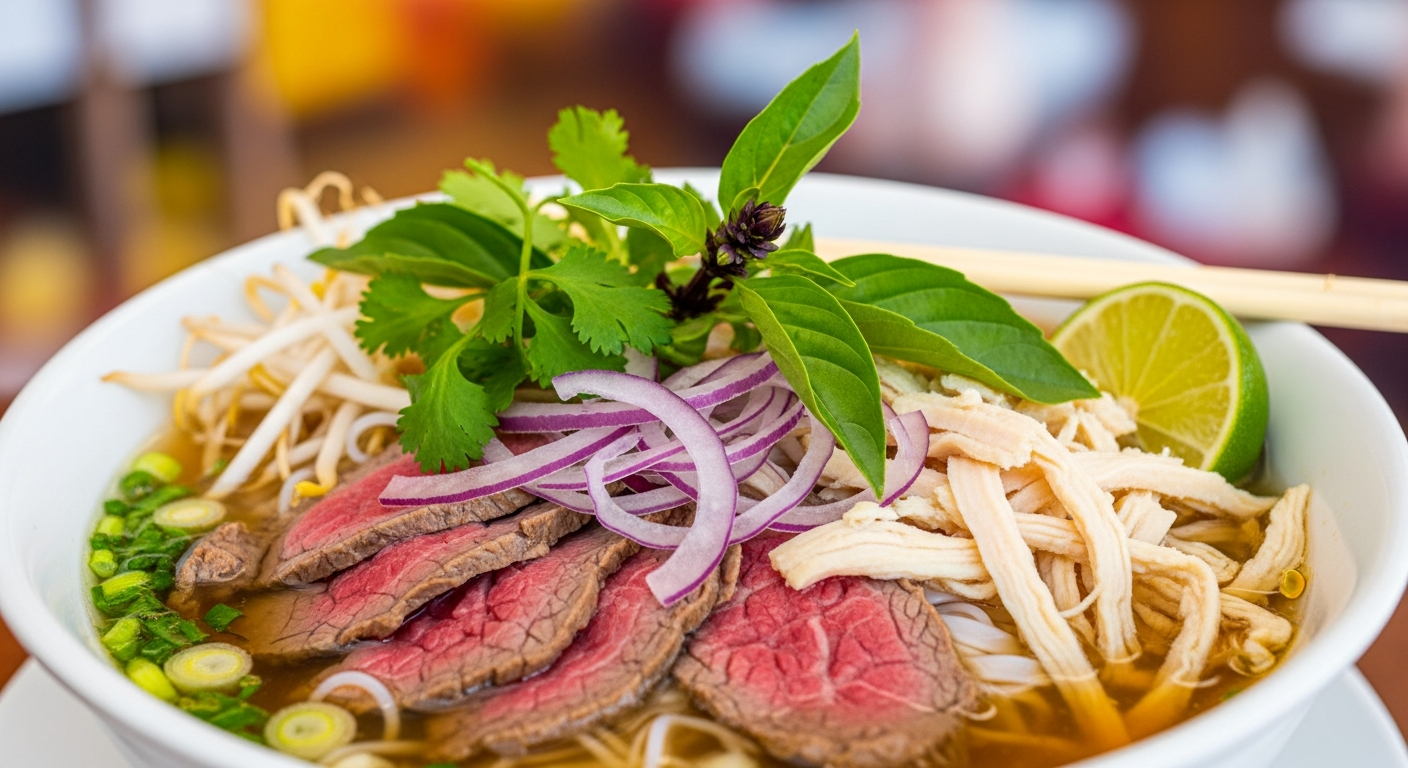

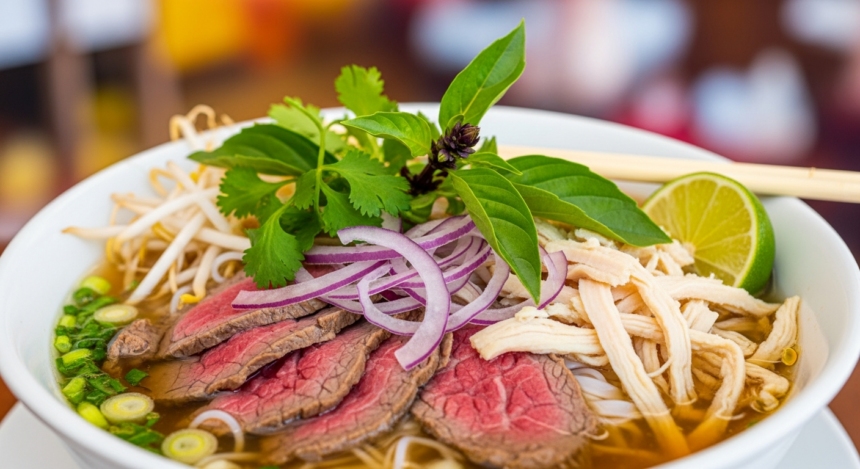
Steaming bowls of pho have long been the heart and soul of Vietnamese cuisine, offering more than just a meal-they’re a sensory journey through history, culture, and flavor. From the delicate dance of fragrant spices to the tender slices of beef or succulent chicken, pho is a harmonious symphony that transcends borders and palates alike. In this article, we dive deep into the essence of Vietnam’s iconic beef and chicken soup, uncovering the secrets behind its timeless appeal and exploring how each bowl tells a story of tradition, craftsmanship, and culinary perfection. Whether you’re a seasoned pho lover or a curious newcomer,get ready to savor the art and soul of pho like never before.
Pho perfection invites you into the heart of Vietnam’s most cherished culinary treasure-a fragrant, soul-warming bowl of beef or chicken noodle soup that’s much more than just food. Born in the early 20th century in northern Vietnam,Pho embodies the country’s rich history,blending french colonial influences with local flavors and ingredients. Every sip of its crystal-clear, aromatic broth tells a story of tradition, patience, and culinary artistry that continues to inspire chefs and food lovers worldwide.
Prep and Cook Time
- preparation: 30 minutes
- Broth simmering: 4 to 6 hours
- Total Time: 4.5 to 6.5 hours
Yield
Serves 6 generous bowls
Difficulty Level
medium – Requires time and attention to layering flavors, but accessible to dedicated home cooks.
Ingredients
- 5 lbs beef bones (preferably leg and knuckle bones with marrow)
- 1 lb beef brisket or chuck roast (optional, for meat-serving option)
- 1 large yellow onion, halved
- 1 large ginger root, about 4 inches, halved lengthwise
- 6 star anise pods
- 4 whole cloves
- 2 cinnamon sticks
- 1 tbsp coriander seeds
- 1 tbsp fennel seeds
- 2 tbsp fish sauce
- 1 tbsp rock sugar or white sugar
- Salt to taste
- 1 lb dried flat rice noodles (banh pho)
- Fresh herbs: Thai basil, cilantro, sawtooth coriander
- Bean sprouts, rinsed
- Lime wedges
- Thinly sliced jalapeño or bird’s eye chili
- Sliced green onions
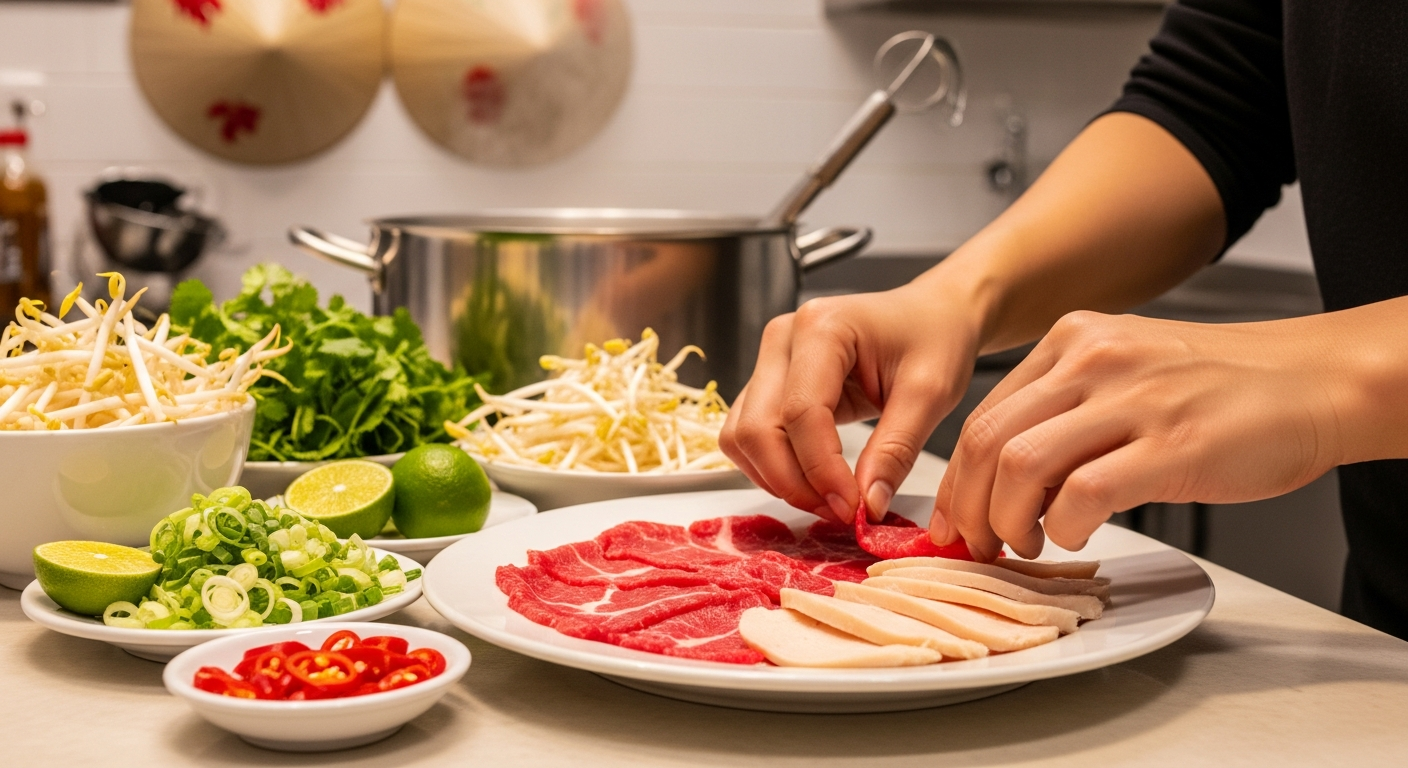
- Thinly sliced raw eye of round beef or cooked chicken breast (for topping)
Instructions
- Prepare the bones and aromatics: Rinse beef bones under cold water. place them in a large stockpot and cover with cold water. Bring to a rolling boil for 10 minutes to blanch. Drain and rinse bones thoroughly. This step ensures a clear, clean broth.
- Char the onion and ginger: Using an open flame grill or broiler, roast the halved onion and ginger until slightly blackened and fragrant, about 10 minutes, turning occasionally. This imparts smoky depth to the broth.
- Toast spices: In a dry skillet, toast star anise, cloves, cinnamon sticks, coriander seeds, and fennel seeds over medium heat until aromatic, about 2-3 minutes. Transfer to a spice sachet or cheesecloth.
- Simmer the broth: Return the cleaned bones to the pot and refill with fresh cold water (about 6 quarts). Add charred onion,ginger,spice sachet,fish sauce,and rock sugar. Bring to a gentle simmer-not a rapid boil-to keep the broth clear. Skim impurities every 30 minutes. Simmer uncovered for 4 to 6 hours to extract maximum flavor and gelatin.
- Add brisket (optional): for beef Pho, add the brisket after 2.5 hours to cook slowly and remain tender. Remove after 1.5 hours, slice thinly against the grain, and set aside for serving.
- Season and strain: Taste broth for salt; adjust with more fish sauce or salt if needed. Remove all solids, strain broth through a fine mesh sieve into a clean pot. keep hot reserved until serving.
- Prepare noodles: soak dried rice noodles briefly in warm water until pliable. Blanch in boiling water for 30 seconds, then drain well. Divide noodles among serving bowls.
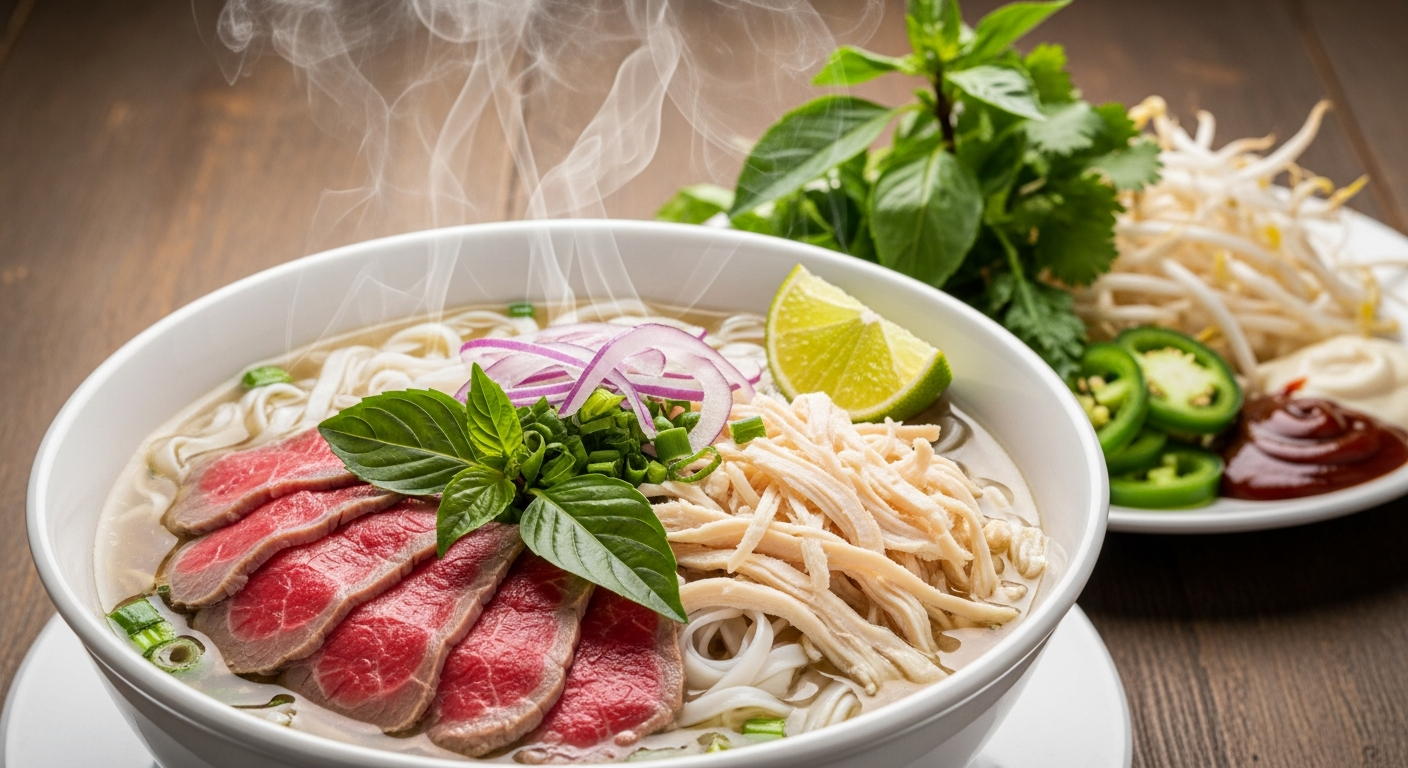
- Assemble the bowl: Add sliced raw beef or cooked chicken atop noodles. Ladle hot broth over to gently cook thin raw beef slices. Garnish with green onions, fresh herbs, bean sprouts, lime wedges, and chili slices.
Chef’s Notes and Tips for Success
- For a quicker version: Use premade beef broth but enhance with toasted spices and charred aromatics.
- Keeping broth clear: avoid heavy boiling. Skimming is crucial for polished clarity and clean flavor.
- Meat alternatives: Substitute brisket with oxtail for richer broth, or use shredded chicken for Pho Ga (chicken Pho).
- make-ahead: Broth improves in flavor when refrigerated overnight. Skim fat layer before reheating for a leaner finish.
- Vegetarian adaptation: Use mushroom broth and omit meat for a plant-based Pho experience, but deeply roast vegetables and spices.
Serving Suggestions
serve steaming hot Pho in deep bowls with plates of fresh herbs and accouterments alongside so diners can customize their bowls. Encourage squeezing fresh lime juice, adding chili for heat, and layering bean sprouts for crunch. A side of crisp Vietnamese bánh mì or fresh spring rolls complement this comforting soup perfectly.

| nutrient | Per Serving (1 bowl) |
|---|---|
| Calories | 350 kcal |
| Protein | 34 g |
| Carbohydrates | 40 g |
| fat | 8 g |
exploring Pho Perfection Through Regional Variations
In Hanoi, Pho is traditionally lighter with a clear, savory broth highlighting the pure essence of beef and simple aromatics. The noodles tend to be thinner, paired with bright herbs and a minimalist garnish style. Conversely, Saigon (Ho chi Minh City) Pho is bolder-slightly sweeter, richer, and accompanied by an explosion of fresh herbs, bean sprouts, hoisin, and chili sauces. Each region’s version captures distinct cultural nuances,reflecting local tastes and histories.
To dive deeper into Vietnamese culinary treasures, visit our Vietnamese Food Essentials guide or explore authentic techniques in making Serious Eats’ Pho Beef Noodle Soup.
Q&A
Q&A: Pho Perfection – Exploring Vietnam’s Iconic Beef & Chicken Soup
Q: What exactly is pho, and why is it so beloved in Vietnam?
A: Pho is Vietnam’s soul in a bowl-a fragrant, flavorful noodle soup that combines aromatic broth, tender meats, fresh herbs, and slippery rice noodles. Its more than just food; it’s a ritual,a daily comfort,and a social experience. Beloved for its perfect balance of savory, sweet, and herbal notes, pho embodies the heart of Vietnamese culinary tradition.
Q: What are the key differences between beef pho (Pho Bo) and chicken pho (Pho ga)?
A: Pho Bo is the classic, frequently enough featuring slow-simmered beef bones creating a rich, deeply savory broth, usually served with thin slices of rare beef or brisket. Pho Ga, on the other hand, offers a lighter, clearer broth simmered with chicken and ginger, imparting a delicate yet fragrant profile. Both versions are served with the signature rice noodles and fresh garnishes but deliver distinct experiences-robust and hearty versus gentle and clean.Q: How is the iconic broth of pho made to perfection?
A: The broth is the soul of pho and demands patience and precision. For Pho Bo, beef bones are charred and then simmered for hours with spices like star anise, cinnamon, cardamom, cloves, and coriander seeds. For Pho Ga, a whole chicken is gently boiled with ginger and onions to extract a clear, aromatic stock.The slow, gentle simmer ensures a broth that’s rich yet clear, deeply fragrant but not overly spiced.
Q: What are the essential herbs and garnishes that elevate a bowl of pho?
A: Fresh herbs are the vibrant chorus in pho’s flavor symphony. Basil, cilantro, mint, and scallions add brightness and herbal freshness. Lime wedges lend citrusy zing, bean sprouts contribute crunch, and sliced chili peppers bring heat on demand.Hoisin sauce and Sriracha offer sweet and spicy customization-each bowl becomes a personal masterpiece.Q: Why has pho gained such international popularity beyond Vietnam?
A: Pho’s global appeal stems from its harmonious balance-it’s nutritious, comforting, and endlessly adaptable.As Vietnamese diaspora communities spread worldwide, the aroma of pho beckons both nostalgic locals and curious newcomers. Its uplifting broth, fresh ingredients, and customizable nature invite everyone to savor a warm, wholesome experience that transcends borders.
Q: Can pho be enjoyed at any time of the day?
A: Absolutely! While pho is traditionally a breakfast staple in Vietnam, its comforting warmth makes it perfect for any meal-from a quick lunch to a cozy dinner. In Vietnam, the inviting street-side pho stalls buzz early in the morning, but international adaptations have embraced pho as a timeless meal.
Q: How can someone replicate authentic pho at home without the customary long simmering process?
A: While traditional pho broth requires hours of simmering, home cooks can shortcut with quality store-bought beef or chicken stock, adding toasted spices and simmered aromatics like ginger and onions to approximate the depth of flavor. Using pre-cooked or thinly sliced meats and fresh herbs keeps the bowl vibrant. The key is layering flavors thoughtfully-start simple and build complexity with garnishes.
Q: What cultural significance does pho hold in vietnamese society?
A: Pho is more than food-it’s cultural heritage. It symbolizes resilience,unity,and the ingenuity of Vietnamese cuisine blending indigenous flavors with French influences.Sharing pho is sharing community; it anchors celebrations, family meals, and everyday moments alike. Each bowl tells a story of history, migration, and the enduring love for home.
Whether you savor the rich depths of Pho Bo or the gentle warmth of Pho Ga, exploring pho is a tasty journey into vietnam’s culinary heart-one fragrant sip at a time.
Closing Remarks
As the steam rises from a bowl of pho, so too does the rich tapestry of Vietnam’s culinary heritage unfold before our senses. Whether it’s the robust,aromatic beef broth simmered for hours or the delicate,fragrant chicken version that warms the soul,pho stands as much more than just a meal-it’s a cultural emblem,a comforting ritual,and a masterclass in flavor balance. Exploring pho is to embark on a journey through history, tradition, and the passionate artistry of Vietnamese cooking. So next time you savor a slurp of this iconic soup, remember: you’re tasting a perfected harmony crafted over centuries, inviting you to experience Vietnam one spoonful at a time.