
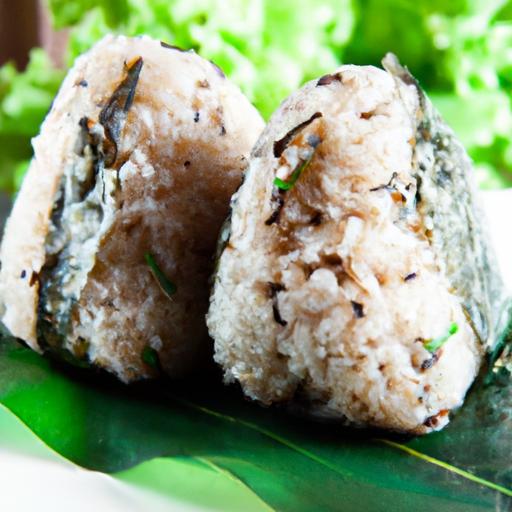
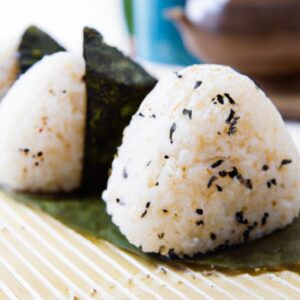
In the world of Japanese cuisine, few snacks capture the heart and soul of tradition quite like onigiri. These humble rice balls, shaped by hand and often wrapped in crisp nori, are more than just a convenient bite-they are a symbol of comfort, culture, and craftsmanship passed down through generations. Weather tucked into a bento box or enjoyed as a quick street snack, mastering the art of onigiri opens a gateway to authentic flavors and timeless techniques. In this ultimate guide, we will unravel the secrets behind perfect rice balls-from selecting the ideal rice to folding fillings that surprise and delight-helping you transform simple ingredients into culinary gems that are as beautiful as they are delicious. Get ready to roll up your sleeves and embark on a delicious journey toward onigiri mastery.
Mastering Onigiri is an art that begins with selecting the perfect rice, understanding its unique texture, and extends into shaping, filling, and presenting each bite-sized treasure with care. Originating as a practical and delicious staple of Japanese cuisine, onigiri offers endless possibilities to embrace tradition while exploring modern culinary twists. Whether you’re crafting a simple snack or a centerpiece for a special meal, the mastery behind each step ensures your rice balls are both visually stunning and irresistibly flavorful.
Prep and Cook Time
- Preparation: 20 minutes
- Cooking: 25 minutes
- Total Time: 45 minutes
Yield
- Makes 8 onigiri rice balls
Difficulty Level
- Medium – perfect for home cooks eager to hone their skill and impress
Ingredients
- 2 cups sushi rice (short-grain Japanese rice)
- 2 1/4 cups water (for cooking rice)
- 1 teaspoon rice vinegar
- 1 teaspoon mirin (optional, for subtle sweetness)
- 1/2 teaspoon salt
- 4 sheets nori (seaweed), cut into strips
- 1/2 cup pickled umeboshi plum (pitted and chopped) or substitute with smoked salmon flakes
- 1/4 cup furikake seasoning (optional)
- Sesame seeds (black or toasted, for garnish)
- Plastic wrap (for shaping-optional but recommended)
Instructions
- Rinse the rice under cold water until the water runs clear-this removes excess starch and ensures fluffy, non-sticky results.
- Cook the rice with 2 1/4 cups water in a rice cooker or on the stovetop. Bring to a boil, then reduce to low and simmer covered for 15 minutes. Once done, let it rest 10 minutes before opening the lid.
- Season the rice by gently folding in rice vinegar, mirin, and salt while the rice is still warm. Avoid stirring vigorously as this breaks the grains.
- Prepare your filling by chopping umeboshi or preparing option fillings like seasoned tuna, grilled salmon, or sautéed mushrooms.
- wet your hands lightly with salted water to prevent sticking. Place a generous handful (~1/2 cup) of rice in your palm, create a small indentation in the center, and fill with about one tablespoon of filling.
- Mold the rice gently but firmly into a classic triangular shape or compact oval. Using plastic wrap can definitely help: lay rice on wrap, place filling, and fold wrap tightly to shape.
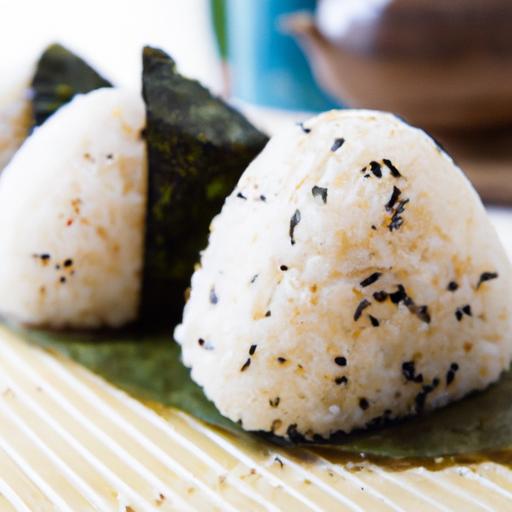
- Wrap each onigiri with a strip of nori seaweed-this adds texture, flavor, and makes it easy to hold.
- Garnish with a light sprinkle of sesame seeds or furikake seasoning for color and a subtle crunch.
- Serve promptly or store in an airtight container at room temperature for up to 24 hours. Avoid refrigeration to retain softness.
Choosing the Ideal Rice and Understanding Its Texture
The foundation of flawless onigiri lies in selecting the right rice. Short-grain Japanese rice is essential due to its sticky quality, which binds the grains yet retains a soft bite. Unlike long-grain varieties, it clings together perfectly without becoming mushy. The texture should be tender but resilient-each grain distinct enough to avoid clumping into a dense mass. Slightly cooling the rice to just below body temperature provides the ideal pliability for shaping.
Crafting Flawless Shapes with Conventional and Modern Techniques
The traditional triangular onigiri shape isn’t just aesthetic; it’s ergonomic, fitting comfortably in hand and packing efficiently in lunchboxes. To master this, use moist hands and firm but gentle pressure, ensuring the rice maintains its shape without squeezing too hard. Modern techniques encourage plastic molds, silicone forms, or even specialized ice cube trays to achieve uniformity effortlessly-perfect when making larger batches or when presenting onigiri elegantly at gatherings.
Exploring Authentic Fillings and Flavor Combinations
Authenticity shines with classic fillings like umeboshi plum-tart and salty-or silky salted salmon flakes, rich in umami. For adventurous palates,experiment with ingredients like spicy tuna tartare,miso-marinated eggplant,or shiitake mushroom sauté. Combining textures-creamy avocado with crunchy pickled radish-or layering flavors such as sweet teriyaki chicken with a hint of chili can elevate your onigiri into culinary masterpieces.Onigiri
Mastering Wrapping and Presentation for an Eye-Catching Finish
Your onigiri’s visual appeal is just as critically important as taste. Wrapping each piece in crisp nori not only adds umami but prevents stickiness while eating. For an artistic touch, try shaping the nori into delicate ribbons or geometric patterns. Garnish with toasted sesame seeds or a brush of soy sauce glaze for shimmer. Serve on minimalist plates with a side of pickled ginger, miso soup, or a vibrant seaweed salad to create a well-rounded and inviting presentation.
Tips for Success
- Use fresh, high-quality sushi rice to ensure ideal texture and stickiness.
- Keep your hands moistened with salted water at all times to avoid sticky messes.
- Control pressure when shaping to maintain shape without crushing individual grains.
- Experiment with fillings but keep balance in flavor and moisture-too wet fillings can break rice structure.
- store onigiri without nori if planning ahead; wrap with seaweed just before serving for crispness.
- For a visual upgrade, toast the nori lightly over flame for extra aroma.Onigiri
Serving Suggestions
Present your onigiri on a rustic wooden board, accompanied by small dishes of soy sauce, pickled vegetables, and wasabi for a traditional Japanese touch. Alternatively, bundle sets in colorful bento boxes with fresh salad greens, tamagoyaki (Japanese rolled omelette), and steamed edamame for a lunch that’s balanced and aesthetically delightful. Onigiri also pair wonderfully with green tea or chilled sake for an authentic experience.Onigiri

| Nutrient | Per Onigiri (approx.) |
|---|---|
| Calories | 180 |
| Protein | 4g |
| Carbohydrates | 38g |
| fat | 1g |
For an expanded journey into Japanese rice dishes, explore our related article on Sushi Rice: The Essential Guide. For detailed rice variety details,visit the Ricepedia site, a complete external resource trusted by culinary professionals.Onigiri
Q&A
Mastering Onigiri: The Ultimate Guide to Perfect Rice Balls – Q&A
Q1: What exactly is onigiri, and why is it so popular in Japan?
A1: Onigiri, often called Japanese rice balls, are handheld snacks made from seasoned or plain rice, usually shaped into triangles or ovals and sometimes wrapped with nori (seaweed). They’ve been a staple in Japanese cuisine for centuries, beloved for their portability, simplicity, and versatility. Whether tucked into a bento box or grabbed on the go, onigiri offer comfort and convenience-perfect for any time of day.Onigiri
Q2: What kind of rice should I use to get the perfect texture?
A2: Short-grain Japanese rice is the gold standard for onigiri. Its sticky and slightly chewy texture helps the rice grains clump together without turning mushy,which is key for shaping and holding fillings inside. Avoid long-grain varieties; they’re too dry and won’t stick well.Onigiri
Q3: How do I get my hands not to stick when shaping onigiri?
A3: This is a classic kitchen conundrum! Keep a small bowl of salted water nearby and dip your hands frequently while shaping.The salt-seasoned water not only prevents sticking but also adds a subtle seasoning to the rice. A light touch and patience go a long way too.Q4: What fillings are traditional, and can I get creative?
A4: Traditional fillings include umeboshi (pickled plum), salted salmon, kombu seaweed, and tuna mayo. But don’t let tradition box you in! Onigiri is a canvas for your culinary imagination-try spicy kimchi, teriyaki chicken, or even cream cheese with smoked salmon. Just remember,the filling should be flavorful and not too wet,or the rice can become soggy.Onigiri
Q5: Should I always wrap onigiri with nori?
A5: While nori wraps are classic and add that delicious umami crunch, they’re not mandatory. Some prefer onigiri plain or lightly sprinkled with furikake (seasoned rice toppings). When using nori, wrap it just before eating to keep it crisp, otherwise it turns chewy.Onigiri
Q6: Any pro tips for making onigiri look as good as they taste?
A6: Absolutely! Use an onigiri mold for consistent shapes, but hand-shaping adds personality. Press gently-firm enough to hold but light enough to keep the rice fluffy.Add a sprinkle of sesame seeds or a tiny leaf of shiso for a visual pop. And remember, the love you put into crafting each rice ball always shines through.Q7: How long can I store onigiri, and what’s the best way to keep them fresh?
A7: For the best texture, eat onigiri the same day you make them. If you need to store them, wrap each tightly in plastic wrap and refrigerate up to 24 hours.When ready to eat, bring them back to room temperature or gently warm them for that fresh-from-the-kitchen feeling.
Q8: Can onigiri be part of a balanced diet?
A8: Definitely! Onigiri are a great source of carbohydrates with options to include proteins and veggies through fillings. Pair them with miso soup and a side of pickled vegetables for a nourishing, well-rounded meal. Plus, their portion size makes them a perfect on-the-go snack that won’t leave you overloaded.
Mastering onigiri is both an art and a delicious journey. With these insights, you’re well on your way to crafting perfect rice balls that honor tradition while embracing your unique taste. happy shaping!
Closing Remarks
As you wrap your hands around the warm, lovingly crafted onigiri, you’re not just holding a simple rice ball-you’re embracing centuries of tradition, technique, and taste. Mastering onigiri is more than following a recipe; it’s an invitation to connect with a culture rich in flavor and simplicity. Whether you’re a seasoned sushi aficionado or a curious kitchen adventurer, the art of perfecting these versatile rice balls opens the door to endless creativity and comfort. So next time hunger strikes, remember: with a little practice and passion, you hold the power to transform humble grains into bite-sized masterpieces that nourish both body and soul. Happy rolling!