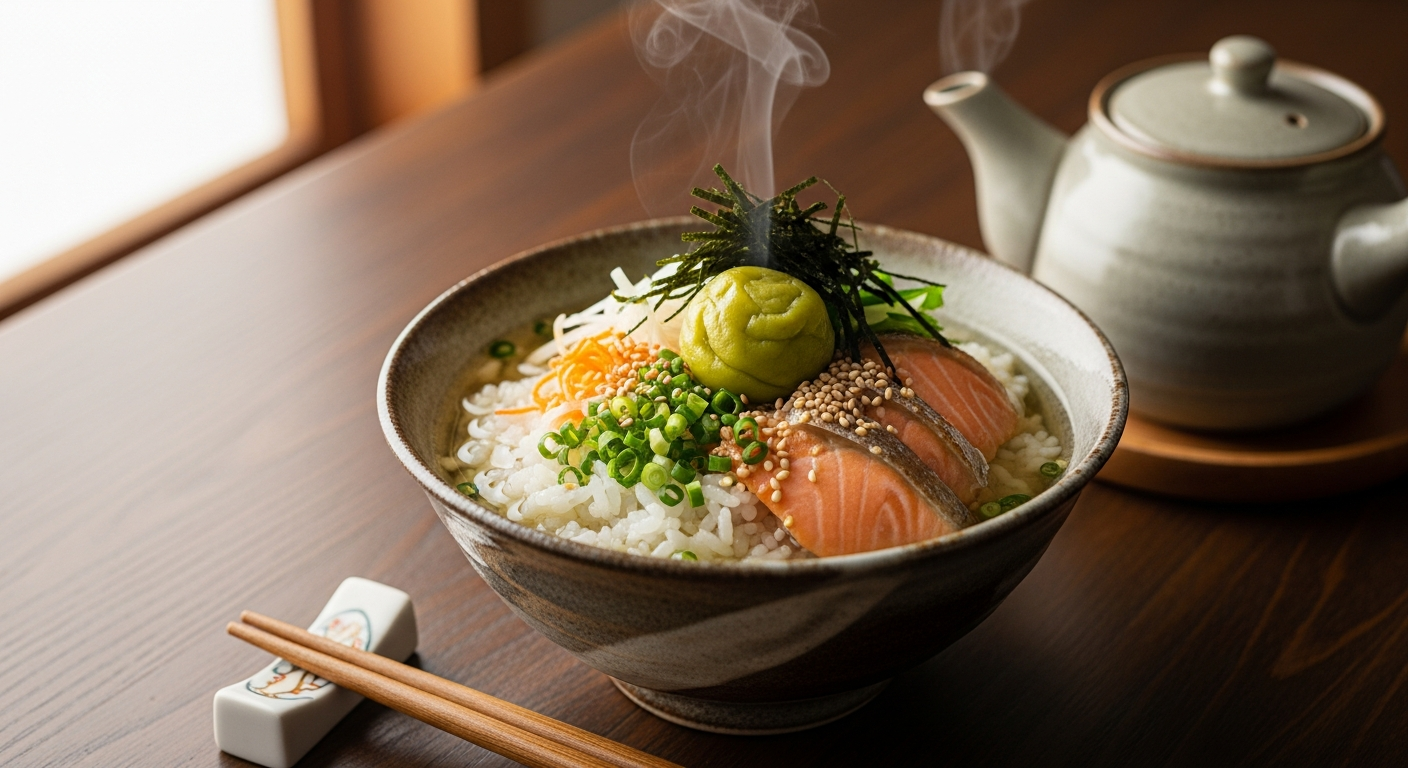

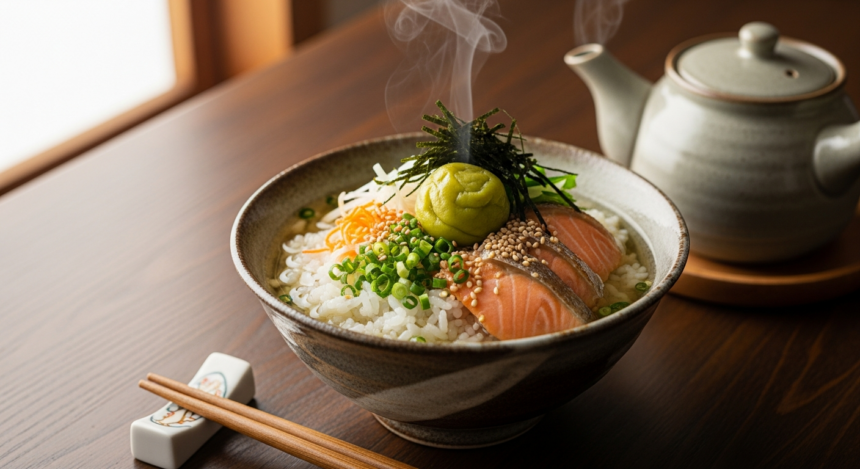
in the heart of Japanese cuisine lies a humble yet profoundly soothing creation-ochazuke,a dish where simplicity meets soul. Imagine steaming hot rice gently bathed in fragrant green tea, adorned with a sprinkle of savory toppings that dance on the palate like a whisper of tradition. More than just a meal, ochazuke is a comforting ritual, a culinary embrace that has warmed homes and hearts for generations.This article ventures into the world of ochazuke, unveiling the story behind Japan’s beloved comfort dish and exploring how a few simple ingredients combine to create a timeless harmony of flavor and culture.
Ochazuke Unveiled: Japan’s Comfort Dish of Tea and Rice
Ochazuke Unveiled: Japan’s Comfort Dish of Tea and Rice offers a heartwarming glimpse into a timeless culinary tradition that effortlessly blends simplicity and soul. This humble yet deeply satisfying dish has comforted generations, epitomizing the Japanese art of transforming everyday ingredients into a nourishing bowl of warmth and nostalgia. From its Edo-period roots to modern adaptations, ochazuke remains a beloved staple that invites both reflection and creativity.
Prep and Cook Time
- Readiness: 5 minutes
- Cooking: 10 minutes
- Total Time: 15 minutes
Yield
Serves 2 hungry souls
Difficulty level
Easy
Key Ingredients That Make Ochazuke a Soulful Delight
- 2 cups cooked Japanese short-grain rice (preferably freshly steamed for that perfect chew)
- 2 cups hot green tea (sencha or genmaicha for a nutty twist)
- 1/4 cup pickled plum (umeboshi) or preserved plum paste
- 2 tbsp finely chopped nori seaweed
- 2 tbsp toasted sesame seeds
- 1/4 cup cooked salmon flakes or grilled fish of choice
- Japanese rice crackers (arare) for crunch
- light soy sauce or tsuyu sauce, to taste
- Fresh scallions, finely sliced for garnish
- Wasabi paste, optional, for a gentle kick
Step-by-Step Guide to Crafting Your Perfect Bowl of Ochazuke
- Prepare the rice: If using leftover rice, gently reheat the Japanese short-grain rice by steaming or microwaving with a damp paper towel to restore moisture.
- Brew the tea: Using filtered water heated to about 70-80°C (158-176°F), pour over your green tea leaves and steep for 1-2 minutes to achieve a fragrant, slightly grassy flavor. Set aside, keeping it hot.
- Assemble the base: Divide the warm rice between two bowls. Place salmon flakes evenly atop the rice in each bowl.
- Add flavor layers: Spoon a small amount of pickled plum (umeboshi) or paste onto the salmon for tangy depth. Sprinkle with toasted sesame seeds and chopped nori seaweed.
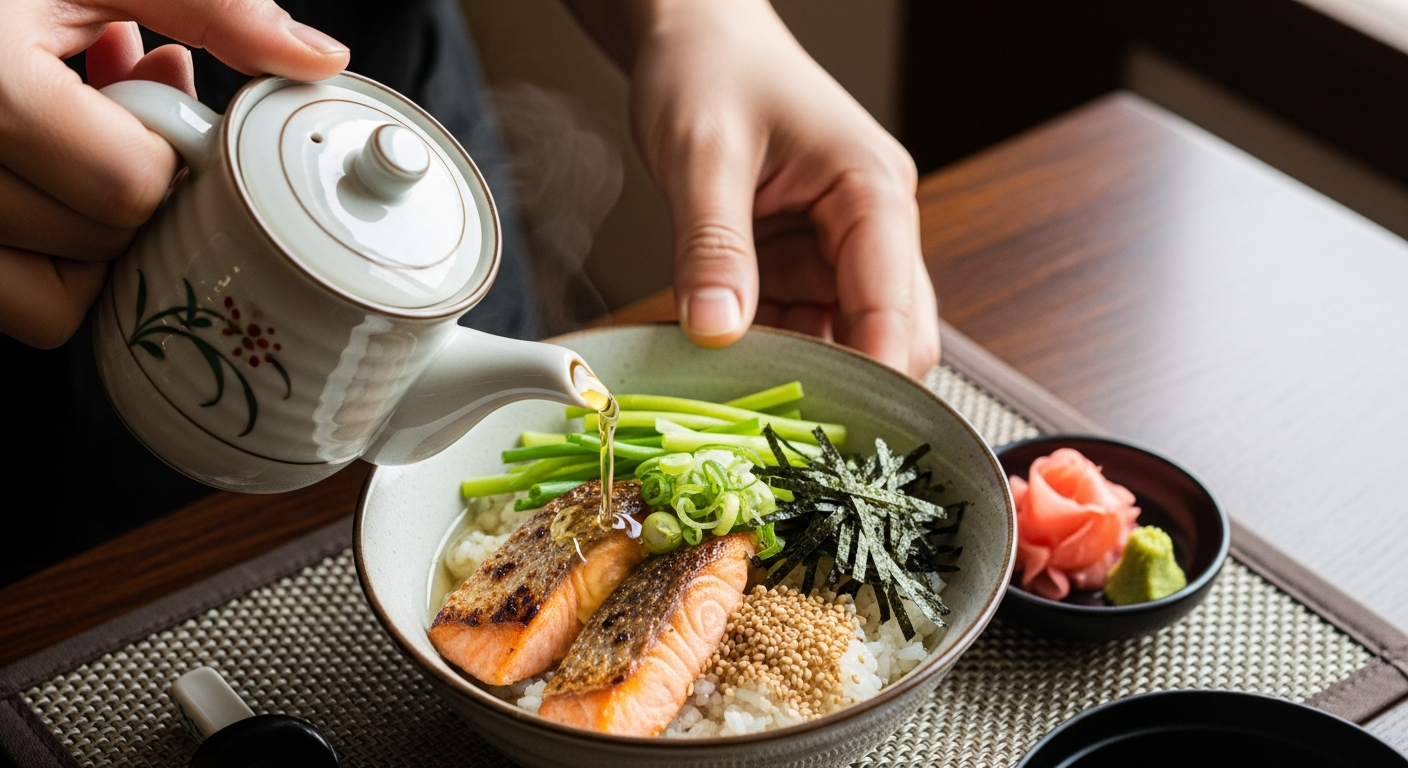
- Pour the tea: Ladle the hot green tea gently over the rice and toppings until just barely covered,creating a soothing broth that melds every flavor.
- Season and garnish: add a dash of light soy sauce or tsuyu sauce if desired. Garnish with sliced fresh scallions and a few japanese rice crackers (arare) for an irresistible texture contrast.
- Serve immediately: For an authentic experience, enjoy while steamy and fragrant.
Innovative Ochazuke Variations to Satisfy Every palate
While conventional ochazuke celebrates simplicity, numerous exciting variations invite experimentation. For a vegetarian approach, substitute salmon with marinated shiitake mushrooms or grilled eggplant, and swap dashi-based broth for kombu seaweed tea.spice adventurers can add a dollop of spicy cod roe (mentaiko) or drizzle chili oil. For a comforting winter bowl, top with simmered daikon radish and a sprinkle of yuzu zest to brighten the palate. The essence of ochazuke is its versatility – melding personal taste with balanced umami.
Tips for Success
- Use day-old rice if fresh isn’t available to avoid sogginess; it holds up better under the hot tea.
- Keep your green tea hot but not boiling to preserve its delicate aroma and prevent bitterness.
- Experiment layering – try mixing crunchy toppings like roasted nori crisps or furikake seasoning for added texture.
- Make it ahead by preparing all toppings beforehand; assemble just before serving to keep integrity intact.
- Adjust saltiness with soy or tsuyu sauce cautiously-you want a subtle balance that enhances the natural flavors.
Serving Suggestions
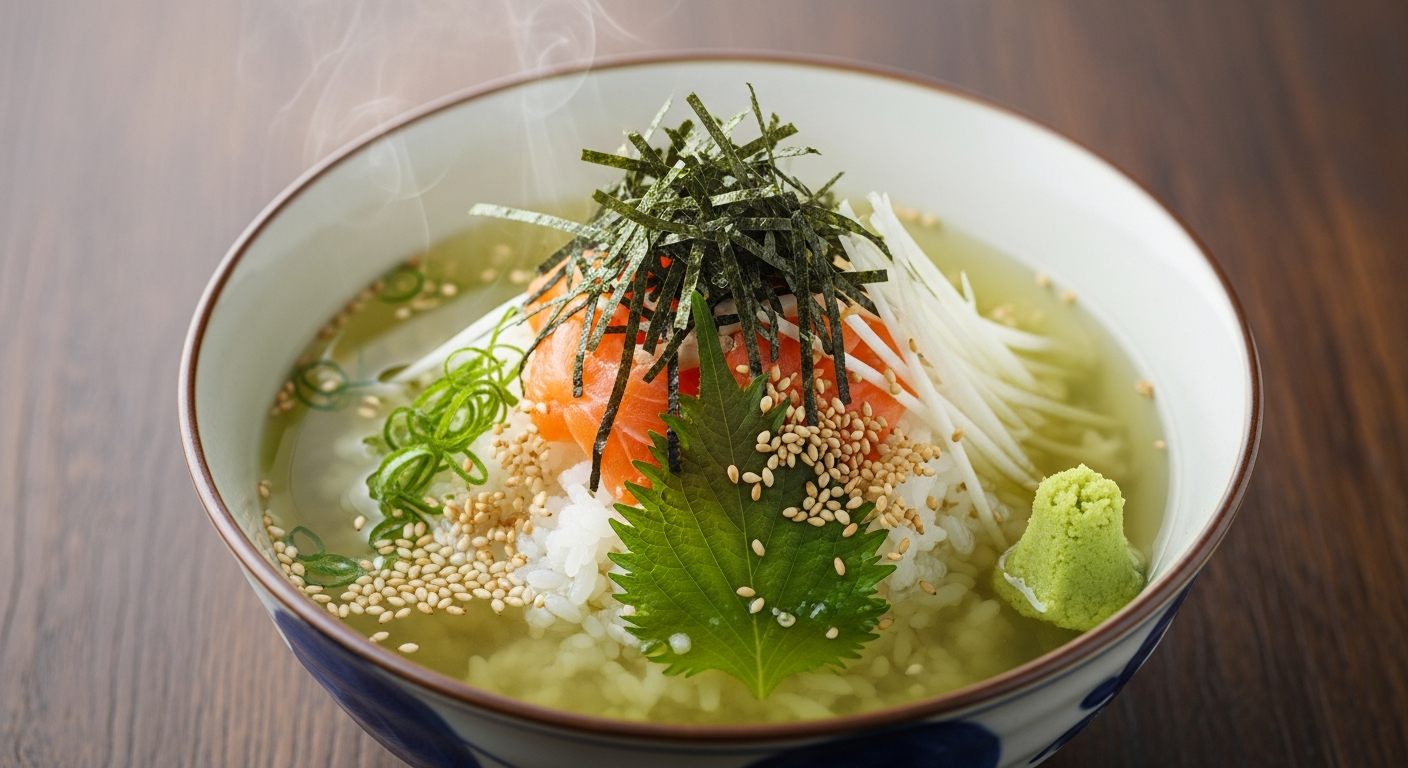
For a visually inviting presentation,choose rustic ceramic bowls in deep earthy tones that highlight the warm hues of the rice and tea. Garnish with fresh green scallions and a small wedge of lemon or yuzu, placed alongside a bamboo spoon. Ochazuke pairs wonderfully with light side dishes like pickled vegetables, edamame, or a simple sashimi plate. For dessert, consider matcha-flavored sweets to continue the green tea theme.
| Nutrition per Serving | Calories | Protein | Carbs | Fat |
|---|---|---|---|---|
| Ochazuke bowl | 280 kcal | 12 g | 45 g | 4 g |

explore more Japanese comfort food recipes in our Japanese Comfort Food Collection. For detailed insights on green tea varieties used in traditional cuisine, visit the Japan National Tourism Organization’s guide.
Q&A
Q&A: Ochazuke Unveiled – Japan’s Comfort dish of Tea and Rice
Q1: What exactly is ochazuke?
A1: Ochazuke is a simple yet soul-soothing Japanese dish where hot tea, often green tea or dashi broth, is ladled over a bowl of steamed rice. Topped with savory ingredients like pickles, seaweed, grilled fish, or sesame seeds, it’s a harmonious blend of flavors and textures that comforts both body and spirit.
Q2: How did ochazuke come to be a beloved comfort food in Japan?
A2: Ochazuke’s roots trace back centuries as a speedy, easy meal for weary travelers and busy households. Its warm broth and rice combination offered nourishment and ease of digestion, making it a go-to dish for late nights, light meals, or recovery days. Over time, it grew from humble beginnings to a cherished icon of home cooking.
Q3: What kinds of tea are traditionally used in ochazuke?
A3: The classic choice is green tea-genmaicha (green tea with roasted brown rice) adds a nutty twist, while hojicha offers a toasty depth.Some variations use dashi, a savory broth made from kelp and bonito flakes, infusing the dish with umami-rich warmth. The choice of tea can dramatically shift the flavor profile, making ochazuke adaptable and versatile.
Q4: What toppings elevate a bowl of ochazuke?
A4: Toppings are the magic that personalizes ochazuke. Common add-ins include crunchy nori seaweed strips, tart umeboshi (pickled plum), silky tofu, grilled salmon flakes, or crispy rice crackers known as arare. These elements add bursts of texture and flavor, stirring memories and creating a uniquely comforting experience.
Q5: Is ochazuke only for quiet home nights, or does it appear in other Japanese dining scenes?
A5: While ochazuke is a staple of home-cooked comfort, you’ll also find it creatively featured in restaurants-from izakayas (Japanese pubs) to upscale eateries incorporating gourmet twists. It’s a versatile dish that morphs from humble midnight snack to refined palate pleaser, proving its timeless appeal.
Q6: Can ochazuke be considered a healthy option?
A6: Absolutely! With its base of rice and antioxidant-rich green tea, plus nutrient-packed toppings like seaweed and fish, ochazuke is low in fat and gentle on the stomach. Its hydrating broth also aids digestion, making it a wholesome choice to soothe and satisfy.Q7: How can someone new to ochazuke try making it at home?
A7: Start with a bowl of warm, freshly steamed rice. Brew your preferred green tea or prepare dashi broth. Pour the tea or broth over the rice,then sprinkle with your favorite toppings-maybe some shredded nori,toasted sesame seeds,and a dollop of umeboshi paste. It’s a quick, customizable, and comforting meal to create with ease.
Q8: What does ochazuke reveal about Japanese culinary culture?
A8: Ochazuke embodies the Japanese ideals of simplicity, seasonality, and harmony. It elevates humble ingredients through thoughtful preparation and balance, showcasing how comfort and elegance frequently enough go hand in hand. This dish reminds us that joy can be found in the quiet moments and the simplest bowls.
To Wrap It Up
As the delicate steam rises from a bowl of ochazuke, it invites more than just the senses-it calls forth a moment of quiet reflection, warmth, and simplicity. This humble union of tea and rice, adorned with an array of savory treasures, transcends mere sustenance to become a heartfelt ritual woven into the fabric of Japanese life. Whether enjoyed as a soothing nightcap, a quick snack, or a nostalgic reminder of home, ochazuke reveals the beauty of comfort found in balance and tradition. In unveiling this cherished dish, we glimpse not just a recipe, but a story steeped in culture, history, and the timeless pursuit of harmony in every bowl.