
There’s a certain magic in the simple act of cooking together around a steaming pot, where the dance of sizzling ingredients brings both warmth and connection to the table. Shabu Shabu, the beloved Japanese hot pot tradition, transforms humble slices of meat and fresh vegetables into an interactive feast bursting with flavour and camaraderie. Whether you’re a culinary adventurer eager to explore new tastes or a home cook seeking an elegant yet approachable dish, mastering Shabu Shabu opens the door to a vibrant world of savory delights. In this step-by-step recipe guide, we’ll unravel the art of crafting the perfect Shabu Shabu experience-demystifying techniques, spotlighting essential ingredients, and sharing tips to elevate every bite. Prepare to immerse yourself in a culinary ritual where simplicity meets sophistication, and every simmer tells a story.mastering-shabu-shabu-a-step-by-step-recipe-guide
Mastering Shabu Shabu begins with selecting quality ingredients that honor its japanese heritage and bring vibrant freshness to your table. Originating from the Kansai region, this interactive hotpot experience highlights delicate flavors and textures, allowing each ingredient to shine as it briefly swirls in a fragrant broth. whether gathering family or friends, the ritual of cooking and sharing thinly sliced meats and crisp vegetables fosters connection through food and tradition.mastering-shabu-shabu-a-step-by-step-recipe-guide
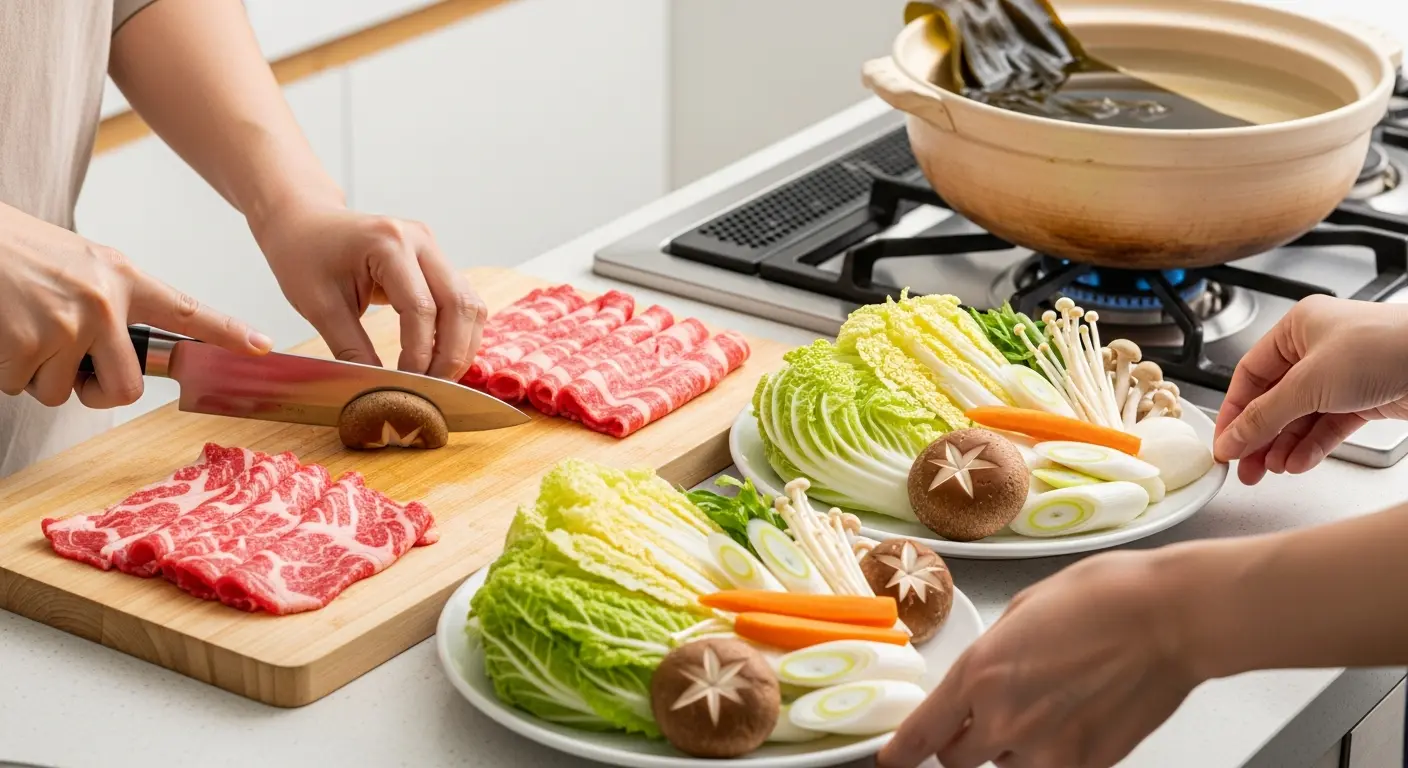
Prep and Cook Time
- Readiness: 25 minutes
- Cooking: 35 minutes
- Total Time: 1 hour
Yield
- Serves 4-6 peopel
Difficulty Level
- Medium – Requires some prep and attention to timing
Ingredients
- For the Broth (Dashi):
- 6 cups water
- 1 piece kombu kelp (4×4 inches)
- 1 cup bonito flakes (katsuobushi)
- 2 tablespoons soy sauce
- 1 tablespoon mirin
- Thinly Sliced Meats:
- 1 lb well-marbled beef ribeye or sirloin, thinly sliced (preferably shaved or carefully frozen then sliced)
- Optional: 1/2 lb pork belly, thinly sliced
- Vegetables and Add-ins:
- 1 cup napa cabbage, chopped
- 1 cup enoki mushrooms, trimmed
- 1 cup shiitake mushrooms, stems removed and caps sliced
- 1 block firm tofu, cut into 1-inch cubes
- 1 cup chrysanthemum greens (shungiku) or spinach
- 1 medium carrot, thinly sliced on the diagonal
- 1 cup cooked udon noodles or rice, for serving
- Essential Dipping Sauces:
- Goma-dare (Sesame Sauce): 1/4 cup toasted sesame seeds, 2 tablespoons soy sauce, 2 tablespoons rice vinegar, 1 teaspoon sugar, 2 tablespoons dashi broth
- Ponzu Sauce: 1/4 cup ponzu (citrus soy sauce), finely grated daikon radish, chopped scallions
Instructions
- Prepare the dashi broth: in a large pot, add the water and kombu kelp.Let soak for 30 minutes to extract flavor. Slowly bring to a simmer over medium heat,then remove the kombu just before it boils to avoid bitterness.
- Add the bonito flakes and simmer gently for 2 minutes. Turn off the heat and let the flakes settle for 5 minutes. Strain the broth through a fine sieve or cheesecloth into a clean pot.
- Season the strained dashi with soy sauce and mirin. Keep warmed on low heat during the meal.
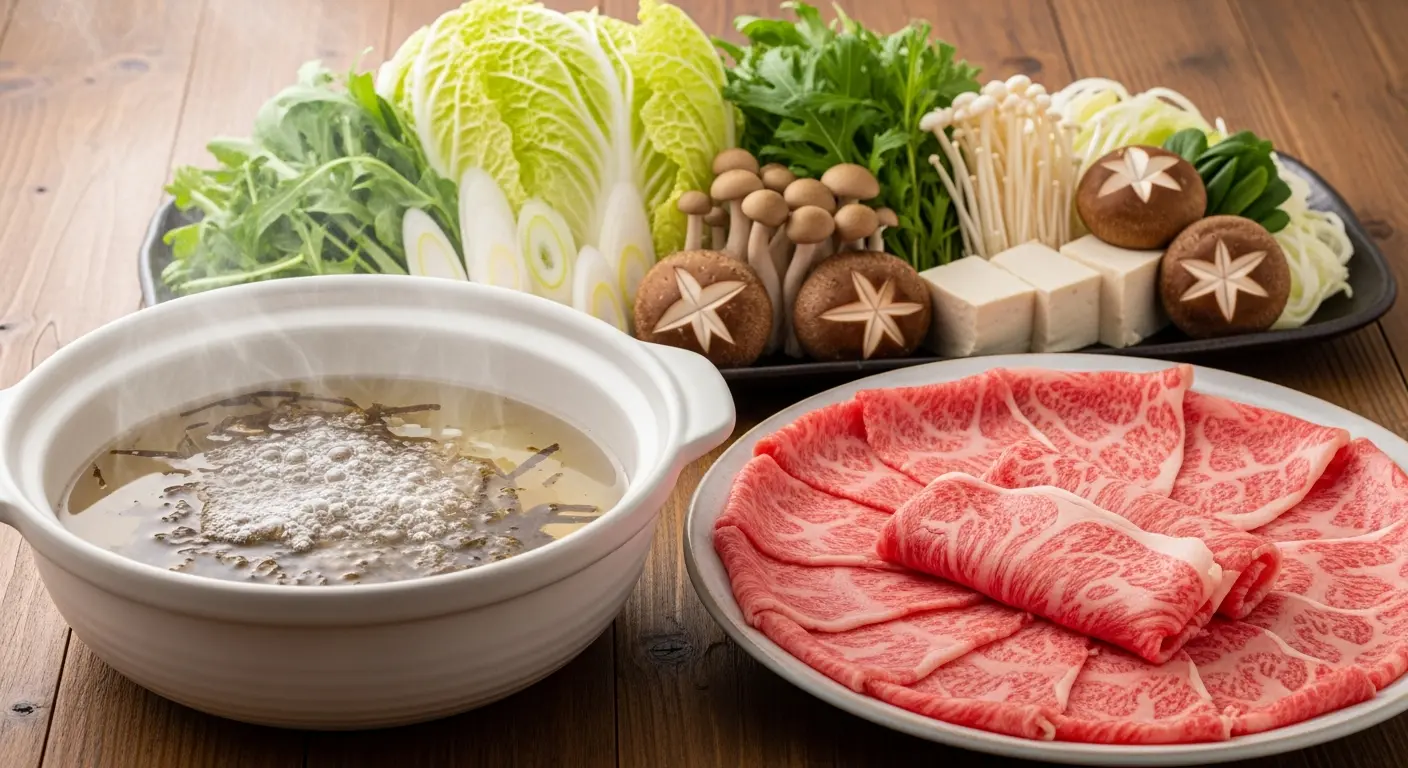
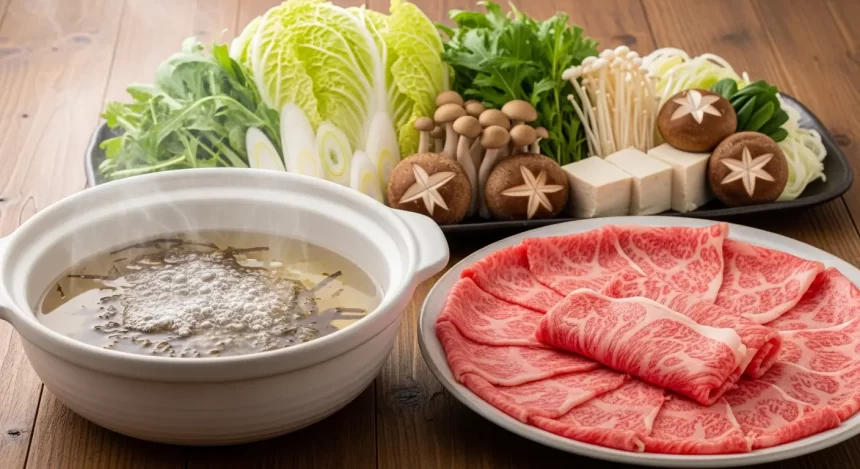
- Prepare the ingredients: Arrange the thinly sliced beef and pork on separate plates. plate the vegetables, tofu, and mushrooms attractively in neat bundles.
- Mix the dipping sauces: For goma-dare, grind the toasted sesame seeds in a mortar and pestle or spice grinder until coarse, then whisk in soy sauce, rice vinegar, sugar, and dashi until smooth. For ponzu, combine citrus soy with grated daikon and scallions in small bowls.
- Set up your shabu shabu pot: Bring the dashi broth to a gentle simmer at the table or on a portable stove.
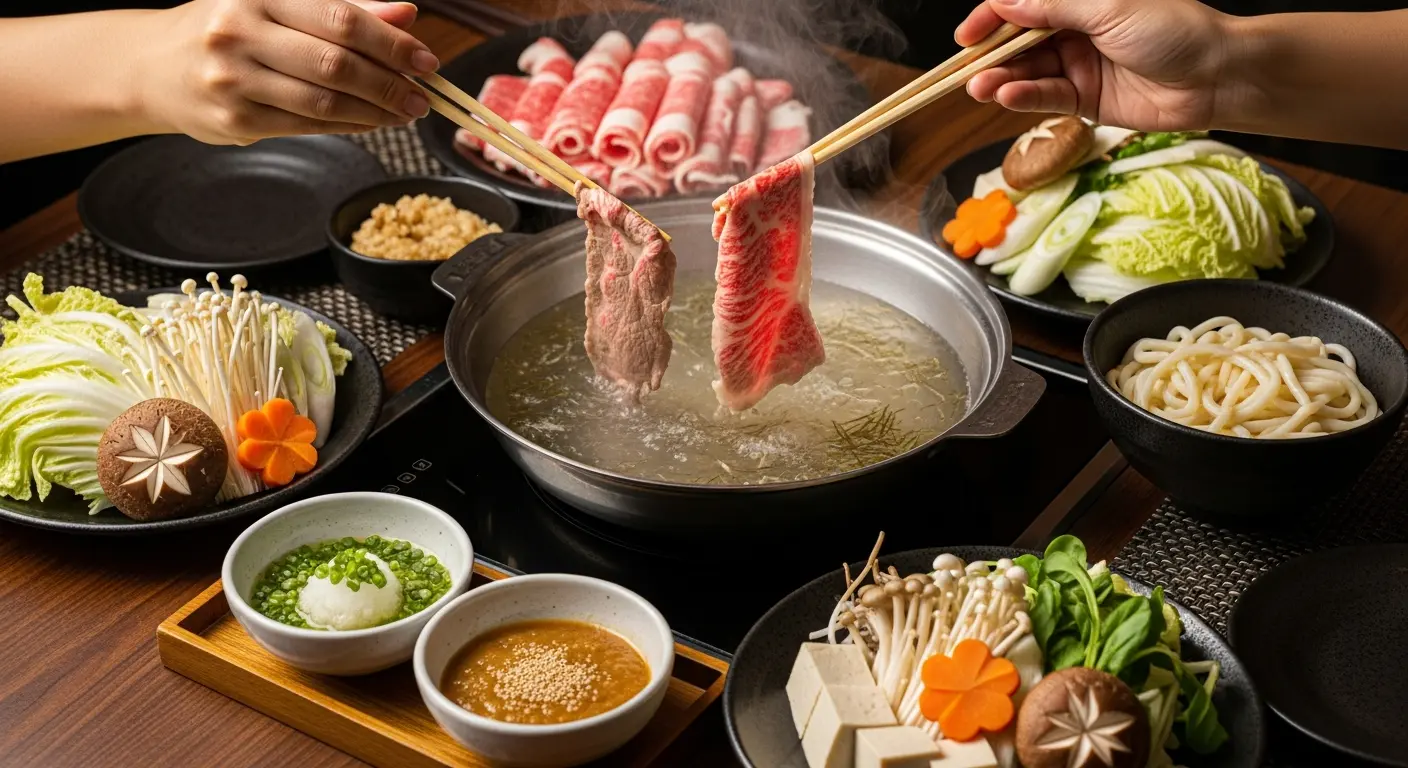
- Cook and enjoy: Using chopsticks, pick up slices of meat and gently swish them through the hot broth for 5-10 seconds until just cooked but still tender and pink inside. Vegetables and tofu can be simmered for longer until tender but retaining crunch.
- Dip the cooked ingredients into your choice of sauce and savor the melt-in-your-mouth texture combined with vibrant dipping flavors.
Tips for Success
- Use well-marbled beef sliced as thinly as possible to achieve that iconic shabu shabu melt.
- Freeze meat briefly for 1-2 hours to make slicing easier and more uniform if pre-cut isn’t available.
- Don’t let the broth boil aggressively-maintain a gentle simmer to keep flavors pure and clear.
- Customize your vegetable selection seasonally to keep the dish vibrant and fresh.
- For a smoky depth, add a splash of sake to the broth just before serving.
- Make goma-dare in advance and refrigerate to deepen the flavors overnight if desired.
Serving Suggestions
Invite your guests to dip each tender morsel into bowls of savory goma-dare and tangy ponzu to suit every bite. Garnish plates with fresh scallions, grated ginger, and citrus zest for extra aroma and zing.Serve alongside steaming bowls of cooked udon or fluffy white rice to complete the meal. Sharing this communal hotpot fosters warmth and conversation as flavors dance on the palate with each delicate swirl.
| nutrition (per serving) | Calories | Protein (g) | Carbs (g) | Fat (g) |
|---|---|---|---|---|
| Shabu Shabu Meal | 350 | 28 | 12 | 18 |

For those eager to explore more Japanese hotpot varieties, check out our ultimate guide to Japanese Nabe Hotpots. For detailed information on dashi broth and its variations, visit the authoritative JustOneCookbook dashi guide.
Q&A
Q&A: Mastering Shabu Shabu – A Step-by-step Recipe Guide
Q1: What exactly is Shabu Shabu?
A1: Shabu Shabu is a traditional Japanese hot pot dish that involves gently swishing thin slices of meat and fresh vegetables in a boiling broth. The name mimics the swishing sound made as the ingredients cook-a playful onomatopoeia capturing the essence of this interactive dining experience. Its both a social meal and a culinary journey, offering delicate flavors and endless customization.
Q2: Why is Shabu Shabu considered a unique dining experience?
A2: Unlike most dishes where food is served ready to eat, Shabu Shabu invites diners to become chefs themselves. You cook your ingredients at the table, controlling the timing and texture to your personal preference. The communal aspect combined with the ritualistic thin-swoon of meat through broth makes it both a feast and a fun, mindful experience.Q3: What ingredients do I need to prepare authentic Shabu shabu?
A3: The cornerstone of Shabu Shabu is high-quality, thinly sliced beef or pork-think marbled ribeye or tender loin. Alongside the meat, gather fresh vegetables such as Napa cabbage, shiitake mushrooms, enoki mushrooms, carrots, and tofu. Don’t forget udon noodles or rice for finishing touches! The broth is simple: usually kombu (kelp) infused water, which highlights the purity of each ingredient.
Q4: How do I slice the meat thinly enough at home?
A4: Ultra-thin slices are crucial for the perfect Shabu Shabu texture. Slightly freezing the meat makes it firm and easier to slice paper-thin. Use a very sharp knife and cut against the grain to maximize tenderness. For extra convenience, many Asian markets sell pre-sliced Shabu Shabu beef if you want to skip the slicing process.
Q5: What’s the step-by-step process for cooking Shabu shabu?
A5:
- prepare your broth by simmering kombu in water until flavorful but not boiled vigorously.
- Arrange your sliced meat and vegetables beautifully for easy access.
- Heat the broth at the table in a portable pot or electric hot plate.
- Using chopsticks, swish meat slices in the hot broth for just a few seconds until they change color and are tender.
- Dip the cooked meat into savory sauces such as ponzu (citrus soy sauce) or goma (sesame) sauce.
- cook vegetables and tofu in the broth as you eat, enjoying different textures.
- Once most ingredients are eaten,add udon noodles or rice to the remaining broth for a warming finish.
Q6: What sauces and condiments complement Shabu Shabu?
A6: Ponzu sauce offers a zesty, tangy punch, balancing the richness of the meat, while sesame-based goma sauce delivers a nutty, creamy depth. Minced garlic, grated daikon radish, chopped green onions, and chili flakes allow guests to customize flavor intensity. These vibrant condiments turn each bite into a delightful flavor explosion.Q7: Can Shabu Shabu be customized for vegetarians or other dietary preferences?
A7: Absolutely! While meat is traditional,you can create a sumptuous vegetarian Shabu shabu using vegetable broth and a bounty of mushrooms,tofu,seaweed,and seasonal veggies. For pescatarians,thin slices of white fish or shrimp work beautifully. The key is fresh, quality ingredients and a good broth to let natural flavors shine.
Q8: What tips help achieve the perfect Shabu Shabu experience at home?
A8:
- Invest in a portable induction cooker for easy tabletop cooking.
- Keep broth at a gentle simmer, not a rolling boil, for tender results.
- Don’t overcrowd the pot-cook ingredients in batches.
- Use fresh, cold ingredients to contrast the hot broth.
- Engage your guests in cooking and dipping to make it interactive and fun.
Q9: Why should I try making shabu Shabu at home?
A9: Mastering Shabu Shabu means embracing both a delicious meal and a cultural ritual. It transforms dining into an immersive event that nurtures connection, mindfulness, and savoring simple yet exquisite flavors. Plus, once you know the steps, it’s a surprisingly easy, elegant dinner to whip up anytime you crave somthing warm, fresh, and deeply satisfying.
Ready your broth, sharpen your knives, and let the shabu shabu swish begin-mastering this art opens a gateway to joyous, flavorful moments around your table!
To conclude
Mastering shabu shabu is more than just following a recipe-it’s an invitation to immerse yourself in a dance of flavors, textures, and traditions. With each thin slice of meat, every fresh vegetable dipped and swirled in the simmering broth, you unlock a culinary experience that’s as interactive as it is delicious. Armed with this step-by-step guide, you’re now ready to transform simple ingredients into a feast of warmth and connection, right at your own table. So gather your loved ones, ignite the pot, and savor the art of shabu shabu-where cooking and dining become a shared celebration of taste and togetherness.