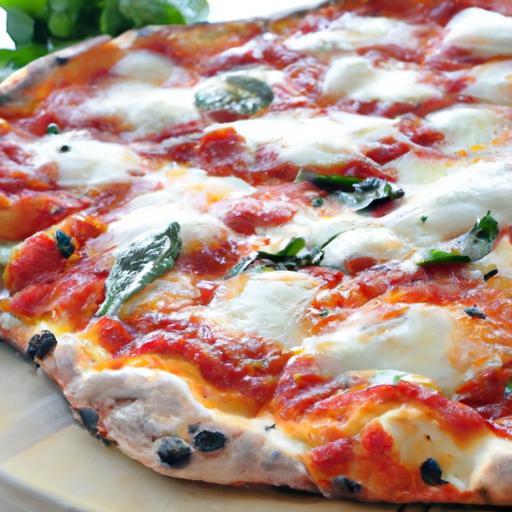

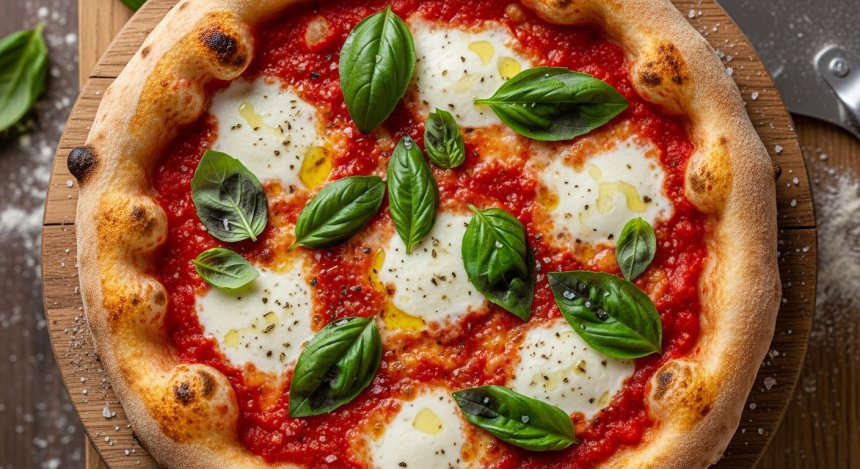
Few dishes capture the essence of simplicity and flavor quite like the Margherita pizza. With its vibrant colors echoing the Italian flag and a harmonious blend of fresh ingredients, this classic pie has stood the test of time as a symbol of culinary artistry. In this article, we will peel back the layers of tradition and technique too unveil the secrets behind mastering the perfect Margherita pizza-where crispy crust meets tangy tomato, creamy mozzarella, and fragrant basil in an unforgettable bite. Whether you’re a seasoned home cook or a curious beginner, prepare to embark on a tasty journey that honors heritage while empowering yoru kitchen creativity.
Mastering margherita Pizza begins with selecting the freshest, most authentic ingredients that pay homage to its Neapolitan roots. This simple yet iconic dish is a celebration of harmony where quality is paramount. From handpicked vine-ripened tomatoes to the creamy embrace of fresh mozzarella,each element coalesces into a slice of Italian tradition,evoking the sun-drenched streets of Naples with every bite.
prep and Cook Time
- Planning: 30 minutes (plus 1 hour dough resting)
- Cooking: 10-12 minutes
- Total: approximately 1 hour 45 minutes
Yield
- Serves 2-3 people (1 large 12-inch pizza)
Difficulty Level
- Medium – perfect for home cooks ready to elevate their pizza skills
Ingredients
-
- For the dough:
- 3 cups 00 flour, sifted (substitute: all-purpose flour)
- 1 cup warm water (110°F/43°C)
- 2 tsp active dry yeast
- 1 tsp fine sea salt
- 1 tbsp extra virgin olive oil
- For the sauce:
- 1 cup San Marzano canned tomatoes, crushed by hand
- 1 clove garlic, minced
- 1 tbsp extra virgin olive oil
- 1 tsp dried oregano
- Salt to taste
- Toppings:
- 6 oz fresh mozzarella di bufala, sliced and drained
- Fresh basil leaves (about 12 leaves)
- Extra virgin olive oil, for drizzling
- coarse sea salt, to sprinkle
- For the dough:
Instructions
-
-
- Activate the yeast: In a small bowl, dissolve 2 tsp active dry yeast in 1 cup warm water. Let it sit for 5-7 minutes until frothy, indicating the yeast is alive and ready.
- Prepare the dough: In a large mixing bowl, combine sifted 00 flour and sea salt. Create a well in the center and gradually pour in the yeast mixture and 1 tbsp olive oil. Mix gently with your hands or a wooden spoon until a sticky dough forms.
- Knead for elasticity: Transfer dough onto a floured surface. Knead for 8-10 minutes until smooth and elastic – the dough should be soft but not sticky. Cover with a damp cloth and let rest in a warm spot for 1 hour until doubled in size.
- Craft the sauce: While the dough rises, heat 1 tbsp olive oil in a small pan over medium heat. Add minced garlic and sauté gently until fragrant, about 30 seconds. Remove from heat and stir in crushed San Marzano tomatoes, dried oregano, and salt. Let the sauce cool to room temperature; it should remain radiant and fresh, not cooked down.
- Shape your dough: Once risen, punch down the dough and transfer to a floured surface. Using your hands, gently stretch the dough into a 12-inch circle, maintaining a slightly thicker edge for a perfect crust.Avoid rolling pins to preserve airiness.
- Layer flavors carefully: Spread a thin, even layer of your fresh tomato sauce onto the dough, leaving a 1-inch border. Distribute slices of fresh mozzarella evenly atop the sauce. Scatter fresh basil leaves-some whole, some torn-for bursts of herbal brightness.
- Bake to perfection: Preheat your oven to the highest temperature possible (usually 500°F/260°C). Place the pizza on a pizza stone or preheated baking sheet for a crispier base. Bake for 10-12 minutes until the crust is golden brown, the cheese is melted and bubbling, and basil begins to crisp.
- Finish and serve: Remove the pizza from the oven and immediately drizzle with a touch of extra virgin olive oil and a pinch of coarse sea salt. Slice and serve hot to enjoy that magical balance of crispy crust, tangy sauce, melty cheese, and fragrant basil.
-
tips for Success
-
-
- Ingredient integrity: Use San Marzano tomatoes for authentic sweetness and low acidity.
- Mozzarella moisture control: Drain mozzarella well before slicing to avoid soggy pizza.
- Oven optimization: If you don’t have a pizza stone, place an inverted heavy baking sheet inside while preheating to mimic the effect.
- Dough resting: For more flavor, refrigerate dough overnight and bring back to room temperature before shaping.
- Variations: Experiment with heirloom tomatoes or add a sprinkle of Parmigiano-Reggiano for extra umami.
-
Serving Suggestions
Serve your Margherita pizza with a simple mixed greens salad dressed in lemon vinaigrette, or alongside a light Italian white wine like Pinot Grigio. Garnish with extra fresh basil leaves and a drizzle of balsamic glaze for a lovely presentation. A side of garlic bread or roasted vegetables pairs excellently to round out a hearty meal.
| Nutrient | Per Serving |
|---|---|
| Calories | 450 kcal |
| Protein | 18 g |
| Carbohydrates | 50 g |
| Fat | 16 g |

Q&A
Q&A: Mastering Margherita Pizza – A Classic Recipe Unveiled
Q1: What makes Margherita pizza a timeless classic?
A1: At its core, Margherita pizza is a celebration of simplicity and quality. With just a few vibrant ingredients-fresh tomatoes,creamy mozzarella,fragrant basil,and a drizzle of olive oil-it captures the essence of italian culinary artistry. This unpretentious harmony of flavors has made it beloved worldwide for generations.
Q2: Which type of flour is best for the perfect Margherita crust?
A2: The secret to that ideal crust is high-protein, “00” flour. This finely milled Italian flour gives dough its iconic elasticity and chew, creating a crust that’s delicate yet resilient-lightly crisp on the outside, tender inside, almost like a cloud kissed by the wood-fired oven’s heat.
Q3: How crucial is the dough resting period?
A3: Patience is key! Allowing the dough to rest and ferment-ideally for 24 to 48 hours in the fridge-develops flavor and texture. This slow rise encourages the yeast to work its magic, resulting in a dough that’s more flavorful, airy, and easier to stretch without tearing.
Q4: What kind of tomatoes should you use?
A4: Authentic Margherita calls for San Marzano tomatoes, grown in the volcanic soil near Mount Vesuvius. Their sweet, low-acid profile and vibrant red hue lend a naturally rich tomato sauce that’s both bright and balanced.If San Marzano isn’t available, opt for the freshest plum tomatoes you can find.
Q5: Can you substitute mozzarella without compromising authenticity?
A5: Fresh mozzarella di bufala is the gold standard for its creamy texture and tangy bite. However, if buffalo mozzarella isn’t accessible, a high-quality whole milk fior di latte mozzarella can do the trick. The key is to avoid low-moisture shredded variants-they can dry out and muddy the pizza’s fresh character.
Q6: How do you achieve the perfect basil topping?
A6: Less is more. Add fresh basil leaves after baking or in the final moments on the pizza. The residual heat wilts them just enough to release their aroma without turning them dark or bitter, preserving their bright flavor as a fresh green flourish.
Q7: What oven temperature and baking method yield the best Margherita?
A7: Authentic Neapolitan-style pizza thrives in blistering heat-think 800°F (425°C) or more. If you have a wood-fired oven, that’s perfect.At home, a pizza stone or steel preheated in the oven’s hottest setting (usually between 500-550°F or 260-290°C) will simulate those conditions, creating a crust with signature leopard spots and a soft, chewy bite.
Q8: Any tips for beginners tackling this classic recipe?
A8: Embrace the simplicity but respect the technique. Handle your dough gently, watch your oven temperature closely, and invest in quality ingredients-they truly make all the difference. Remember, every pizza is a personal journey, so don’t be afraid to experiment and find your own rhythm with this timeless recipe.
Mastering margherita pizza is more than making food-it’s channeling centuries of tradition, passion, and delicious simplicity, one slice at a time. Buon appetito!
Concluding Remarks
As you embark on your journey to master the art of Margherita pizza, remember that this timeless recipe is more than just a combination of dough, tomatoes, mozzarella, and basil-it’s a celebration of simplicity and tradition. With each knead, simmer, and sprinkle, you’re connecting to generations of pizzaiolos who have perfected this classic dish. So, roll up your sleeves, trust the process, and let your kitchen become a pizzeria where the heart of Italy comes alive.As in mastering the Margherita, you’re not just making pizza-you’re crafting a story, one slice at a time.