
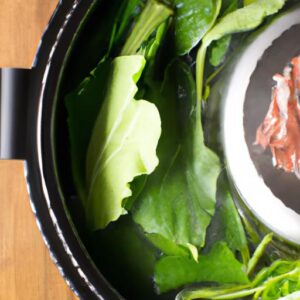
There’s a certain magic in the gentle simmer of thinly sliced meats, fresh vegetables, and savory broths-an experience that transforms a simple meal into an interactive feast of flavors and textures. Welcome to the world of Shabu Shabu, Japan’s beloved hot pot tradition that invites diners to cook, dip, and savor each bite at their own pace. Whether you’re a seasoned foodie or a curious kitchen adventurer, mastering the art of Shabu Shabu at home offers not only a appetizing meal but a joyous ritual that brings people together.In this easy homemade recipe guide, we’ll unravel the essentials-from selecting the freshest ingredients to crafting the perfect dipping sauces-so you can recreate this elegant yet approachable dining experience right in your own kitchen. Get ready to dip,swirl,and delight in every mouthwatering moment.master-the-art-of-shabu-shabu-easy-homemade-recipe-guide
Master the Art of Shabu Shabu begins with understanding the charm of this traditional Japanese hot pot: its delicate balance of fresh ingredients and a subtly flavorful broth that invites communal dining and mindful eating.master-the-art-of-shabu-shabu-easy-homemade-recipe-guide Originating from osaka in the early 20th century, Shabu Shabu is a festivity of simplicity and freshness, where thin slices of meat and crisp vegetables are briefly swirled in a boiling pot of broth before being enjoyed with vibrant dipping sauces. Crafting this dish at home not only brings authentic Japanese warmth to your table but also offers a customizable experience that’s both fun and satisfying.master-the-art-of-shabu-shabu-easy-homemade-recipe-guide
Prep and Cook Time
- Preparation: 20 minutes
- Cooking: 15 minutes
- Total Time: 35 minutes
Yield
Serves 4 comfortably as a main course or 6 as part of a multi-dish Japanese meal.
Difficulty Level
Easy to Medium – Perfect for home cooks looking to explore authentic Japanese cuisine with straightforward steps.
Ingredients for Authentic Shabu Shabu
- 300g thinly sliced beef ribeye or sirloin, ideally well-marbled for tenderness
- 200g napa cabbage, cut into bite-sized pieces
- 100g enoki mushrooms, trimmed
- 100g shiitake mushrooms, stems removed
- 150g firm tofu, cubed
- 1 bunch green onions, sliced diagonally
- 1 carrot, thinly sliced into rounds
- 100g udon noodles or cooked rice for serving
- Iceberg lettuce or mizuna greens, optional for added crunch
- 2 liters dashi broth (see next section for homemade recipe)
- Dipping sauces:
- Ponzu sauce – citrus soy base
- Goma (sesame) sauce – creamy and nutty
Crafting the Ultimate dashi Broth
At the heart of Shabu Shabu is the dashi broth, a clear, umami-rich base that elevates each ingredient’s natural flavor without overpowering. For the best homemade dashi, combine:
- 20g kombu (dried kelp)
- 30g katsuobushi (bonito flakes)
- 2 liters water
Soak the kombu in cold water for 30 minutes, then gently heat. Remove just before boiling to avoid bitterness. Add bonito flakes, simmer briefly, then strain. The result is a crystal-clear broth with a delicate depth-a canvas perfect for shabu Shabu.
Step-by-Step Guide to Cooking and Serving Like a Pro
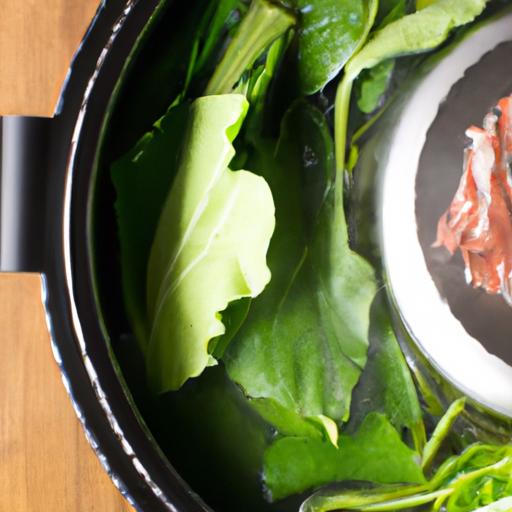
- Prepare your cooking setup: place a portable burner or induction cooker at the dining table with a wide,shallow pot filled with the hot dashi broth.Heat broth to a gentle boil.
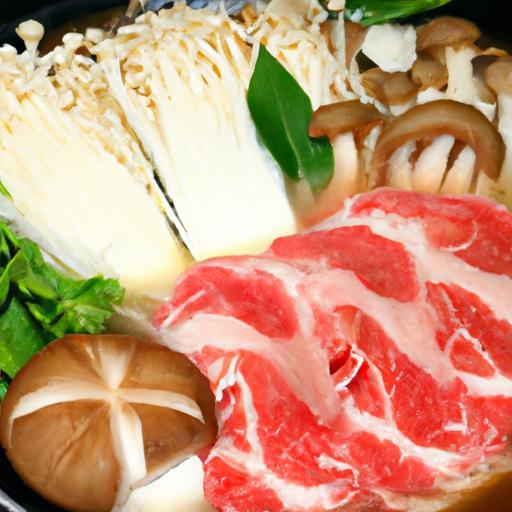
- Arrange your ingredients: On platters, display your thin beef slices, vegetables, tofu, and mushrooms attractively. Visual variety heightens anticipation.master-the-art-of-shabu-shabu-easy-homemade-recipe-guide
- Start dipping: Using chopsticks or slotted spoons, pick a slice of beef and gently swish it in the simmering broth for just 5-10 seconds until it turns from bright red to tender pink. Avoid overcooking to retain juiciness.master-the-art-of-shabu-shabu-easy-homemade-recipe-guide
- Simmer vegetables and tofu: Add heartier items like Napa cabbage, carrots, mushrooms, and tofu into the broth. Let them soften and absorb subtle dashi flavors for 2-3 minutes before serving.master-the-art-of-shabu-shabu-easy-homemade-recipe-guide
- enjoy with dipping sauces: Dip cooked items into ponzu or goma sauce, adjusting flavors per bite. The citrus brightness of ponzu beautifully cuts through the richness of beef, while sesame sauce offers a comforting nuttiness.master-the-art-of-shabu-shabu-easy-homemade-recipe-guide
- Finish with noodles or rice: after most ingredients are eaten, strain noodles or steamed rice can be added briefly to the broth, soaking up the accumulated flavors, creating a satisfying final course.
Expert Tips for Customizing Your Shabu Shabu Experience
- Meat variety: Incorporate thin slices of pork, chicken, or even seafood like shrimp or scallops for a colorful, layered meal.master-the-art-of-shabu-shabu-easy-homemade-recipe-guide
- Vegetarian option: Use kombu dashi only and add plenty of seasonal vegetables, tofu, and mushrooms for a deeply umami and satisfying vegetarian Shabu Shabu.
- Broth variations: Try infusing the dashi with ginger slices or dried shiitake for added warmth and complexity.master-the-art-of-shabu-shabu-easy-homemade-recipe-guide
- Make-ahead broth: Prepare dashi up to two days in advance and store chilled; reheat gently before serving.
- Presentation: Use a segmented platter to separate colors and textures-greens, whites, and reds-making it easier and more inviting to pick and cook ingredients.
Serving Suggestions
Serve Shabu Shabu alongside small bowls of steamed rice, pickled vegetables (tsukemono), and a light sake or green tea. Garnish plates with thinly sliced green onions and a sprinkle of toasted sesame seeds to enhance aroma and texture. Elegant, simple bowls with chopsticks complete the authentic Japanese experience.

| Nutrient | Per Serving (approx.) |
|---|---|
| Calories | 320 kcal |
| Protein | 28g |
| Carbohydrates | 15g |
| Fat | 14g |
For an extended culinary journey, explore our Japanese Hot Pot Recipes collection. For more on traditional dashi and its health benefits, visit Japan Center’s dashi guide.
Q&A
Q&A: Master the art of Shabu Shabu: Easy Homemade Recipe Guide
Q1: What is Shabu Shabu and why is it so special?
A: Shabu Shabu is a traditional Japanese hot pot dish where thinly sliced meat and fresh vegetables are briefly swished-or “shabu shabu’d”-in a bubbling pot of broth. Its charm lies in its simplicity and interactive dining experience, allowing you to savor pure, fresh flavors with every bite and customize your meal to your liking.
Q2: Can I really make authentic Shabu Shabu at home without fancy ingredients?
A: Absolutely! The beauty of homemade Shabu Shabu is its accessibility. With simple ingredients-thinly sliced beef or pork, crisp veggies like napa cabbage and mushrooms, a light kombu dashi broth, and classic dipping sauces like ponzu and sesame-you can recreate the authentic experience right in your kitchen.
Q3: what’s the secret to slicing meat perfectly for Shabu Shabu?
A: the key is paper-thin slices that cook almost instantly in the hot broth. Chill your meat in the freezer for 20-30 minutes beforehand-it firms up and makes slicing easier. then, using a very sharp knife, cut against the grain in thin strips. Don’t worry if your slices aren’t restaurant-thin at first; practice makes perfect!
Q4: How do I prepare the broth for Shabu Shabu?
A: Start with a simple kombu (kelp) broth-just soak a piece of kombu in water and gently heat it until just before boiling, then remove it. This creates a clean, umami-rich base that enhances the natural flavors of the ingredients. You can add a splash of sake or a few dried shiitake mushrooms for extra depth, but keep it light to let the dipping sauces take centre stage.
Q5: What’s the best way to enjoy dipping sauces?
A: Traditional Shabu Shabu is served with two classic dipping sauces: tangy ponzu (a citrusy soy sauce blend) and nutty goma (sesame sauce). After briefly cooking your meat or veggies, dip them into one or both sauces to unlock contrasting flavor profiles. Don’t be shy to mix and match or add your own flare with scallions, chili, or garlic!
Q6: Are there vegetarian or vegan Shabu Shabu options?
A: Definitely! Swap out meat for firm tofu slices, mushrooms, and an array of vibrant vegetables like bok choy, carrots, and daikon radish. use a kombu and shiitake mushroom broth for a rich umami punch. the dipping sauces can be adapted easily by choosing vegan-pleasant soy sauce and skipping any fish-based ingredients.
Q7: How do I serve Shabu Shabu for a cozy dinner with friends or family?
A: Set a portable burner or induction stove at the table with the pot of simmering broth in the center. Arrange your platters of sliced meat, veggies, noodles, and dipping sauces around it. The beauty of Shabu Shabu is its communal style-everyone cooks their own bites and shares the experience, making it perfect for intimate gatherings or lively celebrations.
Q8: Can leftovers be stored and enjoyed later?
A: While Shabu Shabu is best fresh, you can refrigerate leftover broth and use it as a flavorful soup base or sauce for the next day. Cooked meat and veggies can be repurposed in stir-fries or salads. Just be sure to store everything properly and reheat gently.
Q9: any tips for first-timers eager to dive in?
A: keep it simple and embrace the interactive nature of shabu Shabu. Start with a few favorite ingredients,enjoy the dipping sauces,and don’t overcook your meat-it should stay tender and juicy. Most importantly, relish the process: Shabu Shabu is as much about the joy of sharing and savoring as it is about the food itself.
Ready to dive into the art of Shabu Shabu? With this easy homemade guide, you’re just a few swishes away from an unforgettable culinary adventure!
In Summary
As you gather around the simmering pot, dipping tender slices of meat and vibrant vegetables into the savory broth, you’ll soon discover that mastering shabu shabu is more than just a recipe-it’s an experience that brings warmth, connection, and culinary delight to any table. With this easy homemade guide in hand, you’re now equipped to create your own bubbling cauldron of flavors, customizing each bite to your heart’s content. So grab your chopsticks, invite your loved ones, and let the art of shabu shabu transform ordinary meals into unforgettable moments of delicious togetherness. Happy cooking-and even happier dipping!