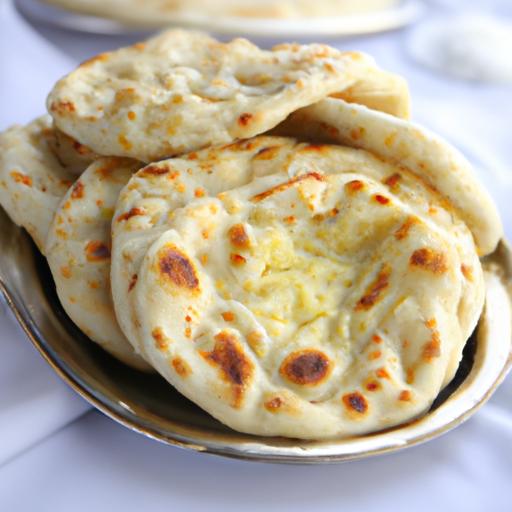

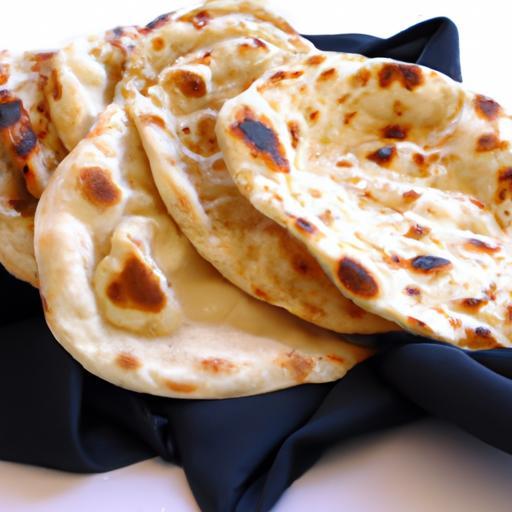
There’s something undeniably magical about tearing into a warm, pillowy piece of naan bread-the soft embrace of its delicate layers, the slight char that hints at smoky perfection, and that irresistible fluffiness that melts in your mouth. But achieving that perfect texture at home can feel like an elusive culinary quest. Fear not: mastering the art of perfectly soft and fluffy naan is within your grasp.In this article, we’ll unravel the secrets behind this beloved Indian staple, guiding you step-by-step to create naan that rivals your favourite restaurant’s-no tandoor required. Prepare to fill your kitchen with the comforting aroma of fresh-baked bread and elevate your cooking repertoire with this timeless delicacy.
Master the Art of Perfectly Soft and Fluffy Naan Bread begins with understanding the transformative power of ingredients and technique. This beloved Indian flatbread owes its pillowy texture and golden char to a delicate balance of flour choice, activated yeast, and patient kneading. Whether baked traditionally in a tandoor or cooked on a hot skillet, mastering these foundational steps will elevate your naan to restaurant-quality, irresistible softness every time.
Prep and Cook Time
- Preparation: 20 minutes
- Proofing & Resting: 1 hour 30 minutes
- Cooking: 10-15 minutes
- Total Time: Approximately 2 hours
Yield
Makes 8 medium-sized naans
Difficulty Level
Medium – approachable for home cooks with a bit of patience and practice
Ingredients
- 3 cups all-purpose flour, sifted
- 1 teaspoon baking powder
- 1 teaspoon active dry yeast
- 1 teaspoon sugar
- 1 teaspoon salt
- 3/4 cup warm whole milk (110°F/43°C)
- 1/4 cup plain yogurt, room temperature
- 2 tablespoons vegetable oil or melted ghee
- 2 tablespoons melted butter or ghee (for brushing)
- optional: minced garlic or fresh cilantro for garnish
Choosing the Ideal Flour and Ingredients for Naan’s Soft Texture
The secret to soft, fluffy naan starts with flour selection. All-purpose flour provides just the right protein content to develop gluten, giving your dough elasticity without toughness. Incorporating yogurt introduces natural acidity, tenderizing the dough, while warm milk enriches the crumb with gentle fats and sugars that feed the yeast. Opt for fresh, active dry yeast to ensure lively fermentation – this biological magic is what breathes life into your naan’s airy rise.Balancing sugar and salt is equally vital; sugar fuels the yeast, while salt strengthens the dough’s gluten framework and rounds out flavor.
The Science Behind Yeast Activation and Dough Rising techniques
Activating yeast properly is a cornerstone of this process. Dissolve the sugar in warm milk-not too hot, ideally between 105-115°F (40-46°C)-to awaken the yeast granules without killing them. Within 10 minutes, the mixture should become frothy and aromatic, signaling fermentation has kicked in. This yeast activation produces carbon dioxide that expands the dough, creating delicate bubbles that lead to naan’s iconic softness.
Once the dough is combined, a two-stage resting process is key: an initial rise to develop flavor and volume, followed by a brief bench rest after shaping to relax the gluten. Cover the dough with a damp cloth or plastic wrap during rest to lock moisture and prevent a dry crust from forming, which can impede rising.
Step by Step Guide to Kneading and Resting for Ultimate Fluffiness
- Combine dry ingredients: in a large mixing bowl, whisk together the sifted all-purpose flour, baking powder, salt, and active dry yeast.
- Activate the yeast: In a small bowl, stir sugar into warm milk and sprinkle yeast on top. Let stand 10 minutes until bubbly.
- Mix wet and dry: Add yogurt and vegetable oil to the yeast mixture, then gradually pour into flour mixture.Stir with a wooden spoon until a shaggy dough forms.
- Knead the dough: Transfer to a lightly floured surface. Knead vigorously for 8-10 minutes until the dough becomes soft, smooth, and elastic. This develops gluten for that tender bite.
- Frist proof: place dough in an oiled bowl, cover tightly, and allow to rise in a warm spot for 1 hour or until doubled in size.
- Shape and rest: Punch down the risen dough gently, divide into 8 equal balls. Cover and rest 10 minutes to relax gluten before rolling.
Secrets to Cooking Naan on Traditional and Modern Surfaces
Traditionally cooked in a tandoor, naan bakes at intense heat, producing signature blistered bubbles and smokey aroma. At home, you can replicate this effect using a cast-iron skillet or non-stick pan on high heat, or a pizza stone inside a blazing-hot oven.Preheat your cooking surface thoroughly-ideally above 500°F (260°C)-to emulate the tandoor’s searing heat.
Roll each dough ball out into an oval or teardrop shape and gently place on the hot surface. Within seconds, you’ll see bubbles forming. Flip when golden and slightly charred spots develop, cooking the other side briefly. Immediately brush hot naan with melted butter or ghee for a lusterous finish infused with rich flavor.
For an extra touch, sprinkle minced garlic or fresh cilantro just after cooking for that authentic flair. The contrast between the warm,pillowy interior and the slightly crisp,blistered exterior defines modern-perfect naan.
Instructions
- Activate the yeast: Dissolve sugar in warm milk and sprinkle yeast on top.Rest 10 minutes until frothy.
- Mix dry ingredients: Combine sifted flour, baking powder, and salt in a large bowl.
- Combine wet ingredients: Add yogurt and oil to the yeast mixture. Stir well.
- Form the dough: Gradually incorporate wet into dry,mixing until a soft dough forms.
- Knead: Turn onto floured surface and knead 8-10 minutes until smooth and elastic.
- First rise: Oil a bowl, place dough inside, cover, and proof for 1 hour or until doubled.
- Divide and rest: Punch down dough, divide into 8 balls, cover and rest 10 minutes.
- Shape: Roll each ball into a 6-8 inch oval/thick teardrop, avoiding over-thinning.
- Cook: Heat skillet or pizza stone over high heat. Place dough,cook 1-2 minutes until bubbles form,then flip and cook 1 minute.
- finish: Brush cooked naan with melted butter or ghee immediately. Garnish if desired.
Tips for Success
- Flour alternatives: Substitute up to 50% all-purpose flour with bread flour for more chew or experiment with a pinch of whole wheat for nuttiness.
- Milk temperature: Too hot milk kills yeast; too cold slows activation. Use a thermometer for precision.
- Kneading: Be patient and knead thoroughly to build the gluten network essential for fluffiness.
- Resting under damp cloth: Prevents a crusty surface during proofing, encouraging better rise and softness.
- Cooking surface: Ensure your cooking vessel is razor hot before placing the dough; this is critical for blistering and texture.
- Make-ahead: Dough can be refrigerated overnight-bring to room temperature and punch down before shaping.
- Flavor variations: Add garlic powder, nigella seeds, or chopped herbs into the dough or on top post-cook for exciting twists.
Serving Suggestions
Serve naan hot, brushed generously with melted butter or ghee, paired with rich curries like butter chicken or dal makhani. Garnish with finely chopped cilantro or a sprinkle of nigella seeds for vibrant color and aroma. Roll naan bread to create wraps with grilled meats or vegetables, or tear and dip into cool raita or chutney for a textural and flavor contrast. The soft and fluffy character makes naan the ultimate comfort bread for sharing and savoring.
| Nutrient | Per Serving (1 naan) |
|---|---|
| Calories | 180 |
| Protein | 5g |
| Carbohydrates | 28g |
| Fat | 5g |

For a deeper dive into authentic Indian cooking techniques, visit the Serious Eats naan bread guide. To explore complementary Indian-inspired dishes, check out our detailed guide on Perfect Spiced Chicken Tikka.
Q&A
Q&A: Master the Art of perfectly Soft and Fluffy Naan Bread
Q1: What makes naan bread different from other flatbreads?
A1: Unlike many flatbreads that are thin and crisp, naan is celebrated for its pillowy softness and slight chewiness. It’s traditionally cooked in a tandoor, which gives it a signature charred, bubbly texture. The combination of yeast or yogurt in the dough produces that irresistible fluffiness that sets naan apart.
Q2: What are the key ingredients that create soft and fluffy naan?
A2: The secret lies in a few simple yet thoughtful ingredients: all-purpose flour for structure, yogurt to tenderize and add tang, yeast or baking powder for lift, and a touch of sugar to feed the yeast and promote browning. Adding milk or water warms up the dough, while a bit of ghee or oil keeps it soft and rich.
Q3: How critically important is the kneading process?
A3: Kneading is the unsung hero of soft naan! It develops gluten, the web-like protein that traps air bubbles, giving your naan that airy texture. Aim to knead until the dough is elastic but still soft-think stretchy, not stiff. This usually takes about 8-10 minutes by hand or 5 with a stand mixer.
Q4: Can I make naan without a tandoor oven?
A4: Absolutely! While the tandoor imparts a smoky flavor and perfect blistering, a hot cast-iron skillet or heavy-bottomed pan on your stovetop can work wonders. Cook the naan on high heat, cover with a lid if needed to trap steam, and flip as soon as you see bubbles forming. A swift broil under a grill can mimic the charring, too.
Q5: why does my homemade naan turn out dense or chewy instead of fluffy?
A5: Dense naan usually means the dough didn’t rise enough or wasn’t kneaded properly. Give your dough enough time to proof until it doubles in size-patience pays off! Also, avoid rolling the dough too thin; naan should be a bit thick, about ¼-inch, to maintain softness. cooking at too low a temperature can squeeze out moisture, making it chewier than fluffy.
Q6: How can I keep naan soft after cooking?
A6: Brush your naan immediately with melted butter, ghee, or even garlic butter-this not only adds flavor but locks in moisture. Store cooked naan wrapped in a clean kitchen towel or in an airtight container to retain softness. If you need to reheat, warm it gently in a skillet or oven wrapped in foil to prevent drying out.
Q7: Any fun variations to spice up my naan?
A7: Definitely! Try folding minced garlic and fresh cilantro into the dough for garlic naan, sprinkle nigella seeds or sesame seeds on top before cooking, or stuff your naan with spiced mashed potatoes or paneer for a mouthwatering surprise. The canvas is yours-get creative, and let your taste buds glow!
Q8: What’s the best way to serve naan?
A8: Soft naan is the perfect companion for rich, saucy dishes like butter chicken, chana masala, or creamy dal. Tear off warm pieces to scoop up the deliciousness,or roll it around kebabs and veggies for an irresistible handheld treat. No matter the pairing, naan always makes every meal feel like a feast!
Mastering naan is like crafting edible clouds-soft, fluffy, and utterly delightful. With a sprinkle of patience and a dash of love, you’ll soon be baking naan that everyone will rave about!
The Conclusion
With these tried-and-true tips in hand, you’re now ready to embark on your naan-making adventure and transform simple ingredients into pillowy clouds of delectable goodness. Remember, mastering the art of soft and fluffy naan is as much about patience and practice as it is about technique. So, roll up your sleeves, embrace the dough’s gentle elasticity, and let your kitchen be filled with the irresistible aroma of warm, freshly baked naan. Whether paired with spicy curries or enjoyed on its own, your perfectly soft naan bread will soon become the star of every meal-warm, inviting, and utterly unforgettable. Happy baking!