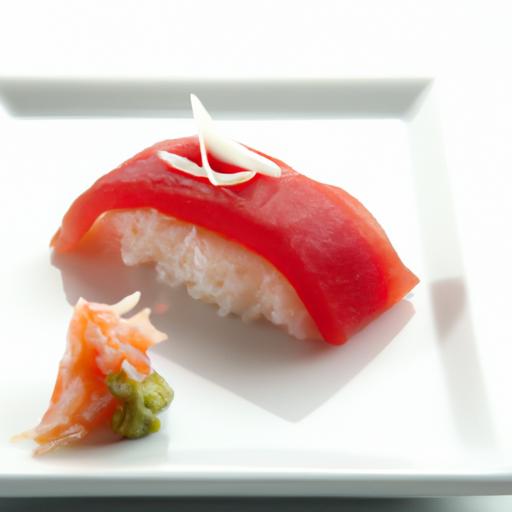

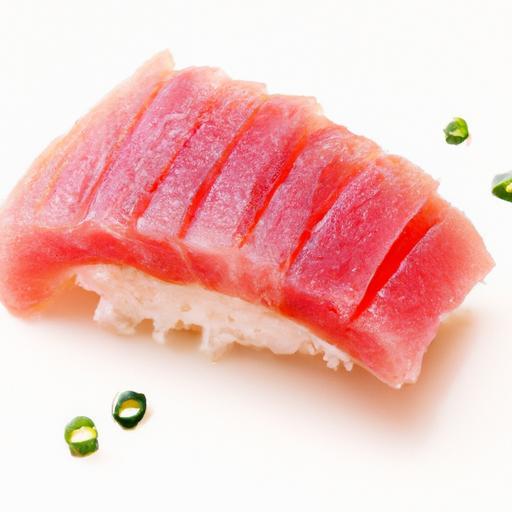
Beneath the delicate sheen of vinegared rice lies a world of tradition, flavor, and craftsmanship-welcome to the captivating realm of Maguro Nigiri.More than just a simple slice of tuna atop sushi rice, Maguro nigiri embodies centuries of culinary artistry and cultural reverence.In this exploration, we unravel the layers behind this iconic delicacy, from the selection of the perfect cut of tuna to the masterful techniques that transform humble ingredients into an unforgettable dining experience.Whether you’re a seasoned sushi lover or a curious newcomer, join us as we dive deep into the art of Tuna Sushi Delight, where every bite tells a story of oceanic bounty and skilled hands.
Maguro Nigiri is a sublime expression of Japanese culinary finesse, where fresh tuna meets perfectly seasoned rice in a delicate embrace. The journey to mastering this iconic sushi begins with understanding the nuances of tuna cuts and how their unique textures and flavors transform the dining experience.Whether you’re captivated by the lean Akami, the velvety Chutoro, or the decadent Otoro, each cut offers an unparalleled taste of the ocean’s bounty. coupled with expertly crafted sushi rice, this combination creates a harmony that authentically celebrates the art of nigiri.
Prep and Cook Time
- Planning: 30 minutes
- Cook Time (rice): 20 minutes
- Total: 50 minutes
Yield
- Serves 4 (approximately 12 pieces of nigiri)
Difficulty Level
- Intermediate – requires some precision but approachable for passionate home cooks
ingredients
- 1 cup sushi rice (short-grain Japanese rice)
- 1 1/4 cups water
- 3 tbsp rice vinegar
- 2 tbsp granulated sugar
- 1 tsp sea salt
- 250g fresh tuna (choose Akami, Chutoro, or Otoro based on preference)
- Wasabi paste, for brushing (optional)
- Soy sauce (for dipping)
- Pickled ginger (as a palate cleanser)
Instructions
- Rinse the sushi rice gently in cold water until the water runs clear to remove excess starch. This step ensures a clean, glossy finish once cooked.
- Cook the rice in a rice cooker or on the stove using the 1:1.25 rice-to-water ratio. Once done, allow it to rest covered for 10 minutes off heat for perfect texture.
- Prepare the sushi vinegar by combining rice vinegar, sugar, and sea salt in a small saucepan. Warm gently until sugar dissolves, then let cool.
- Transfer the hot rice into a wide,shallow bowl. Using a wooden spatula, fold the sushi vinegar into the rice with gentle slicing motions to avoid crushing the grains while cooling it to room temperature.
- Slice the fresh tuna with a sharp knife into ¼-inch thick pieces, angling the cut to create broad, smooth cuts that will sit elegantly on the rice bed.
- Wet your hands with a mixture of water and a few drops of rice vinegar to prevent sticking. Take about 20g of sushi rice and shape it loosely into an oval using your fingers and thumb.
- If desired, lightly brush a thin layer of wasabi on the underside of the tuna slice and drape it over the formed rice, pressing gently to adhere without smashing the rice.
- Repeat for all tuna pieces, arranging them on a chilled serving plate to maintain freshness.
- Serve instantly with soy sauce and pickled ginger on the side to enhance the traditional experience.
Tips for Success: Elevate Your Maguro Nigiri Experience
- Selecting Tuna: Always choose sashimi-grade tuna from a trusted fishmonger. ask for firm, moist cuts with a bright color-avoid dull or brown edges.
- Rice Balance: Achieving authentic nigiri hinges on the balance between the slightly sticky yet fluffy rice and the silky tuna.Don’t over-compress the rice; preserve its airy texture.
- Knife Care: Maintain a razor-sharp knife for clean, precise tuna cuts, as ragged edges affect both texture and presentation.
- Make Ahead: Prepare the sushi vinegar and cooked rice up to a day ahead (keeping rice wrapped in a damp towel at room temperature), but assemble nigiri right before serving for optimal freshness.
- Variations: Try integrating a small sliver of fresh shiso leaf beneath the tuna or a light brush of yuzu soy glaze for creative flavor twists.
Serving Suggestions
Present your maguro nigiri on a minimalist sushi plate lined with a crisp shiso leaf for contrast. Garnish with thinly sliced cucumbers,edible flowers,or a sprinkle of toasted sesame seeds for color and texture.Pair with cold sake or light green tea to cleanse the palate between bites. Don’t forget to offer freshly grated wasabi and crisp pickled ginger as classic accompaniments that enhance the sublime flavors of the tuna and rice.

| Nutrient | Per Serving (3 pieces) |
|---|---|
| Calories | 180 kcal |
| Protein | 22 g |
| carbohydrates | 20 g |
| Fat | 2 g |
For a deeper dive into sushi rice mastery, visit our Perfect Sushi Rice Guide. To learn more about sashimi-grade fish standards, explore the authoritative FDA sushi safety tips.
Q&A
Q&A: Maguro Nigiri Unwrapped – The Art of Tuna Sushi Delight
Q1: What exactly is Maguro Nigiri?
A1: Maguro Nigiri is a classic form of sushi featuring a luscious slice of tuna-“maguro” in Japanese-pressed lovingly over a small bed of vinegared sushi rice. It’s an elegant balance of texture and flavor, where the tender, oceanic richness of tuna meets the subtle tang of perfectly seasoned rice.
Q2: Why is maguro such a prized choice for nigiri?
A2: Tuna has long held a special place in the heart of sushi lovers for its deep, umami-packed flavor paired with a buttery texture that melts on the tongue. Maguro’s vibrant red flesh signals freshness and quality, making it a staple that showcases the purity of seafood in sushi culture.
Q3: How is Maguro Nigiri crafted - is there a specific technique?
A3: Making Maguro Nigiri is an art form.The sushi chef selects a fresh, high-grade cut of tuna, slicing it with a razor-sharp knife to create an ideal thickness-enough to savor the meat’s texture but thin enough to harmonize with the rice. The rice is shaped by hand into a small, oval pillow, then the tuna is draped gently atop, sometimes with a subtle dab of wasabi in between. Precision and respect for each ingredient are key.
Q4: Are there different types of tuna used in Maguro Nigiri?
A4: Absolutely.”Maguro” typically refers to lean tuna, especially bluefin or yellowfin. Though, sushi aficionados frequently enough distinguish between parts of the fish: akami (lean red meat), chutoro (medium-fatty belly), and otoro (the prized fatty belly). Each offers a unique flavor experience-from clean and light to rich and indulgent.
Q5: what should one look for when choosing Maguro Nigiri at a sushi bar?
A5: Freshness is paramount.the tuna should have a vibrant red color without brown spots or dryness. The texture should be firm yet tender. Additionally, the rice should be warm and seasoned just right-not too sticky or dry. A skilled chef will handle the nigiri gently, preserving the fish’s delicate integrity.
Q6: Can Maguro Nigiri be enjoyed with anything special?
A6: Maguro Nigiri shines with simplicity-just a touch of soy sauce and a hint of wasabi complement without overwhelming. Some purists savor it first plain to appreciate the tuna’s full flavor.Pairing it with pickled ginger in between bites refreshes the palate. And, of course, a glass of sake or green tea elevates the experience.
Q7: How dose Maguro nigiri reflect the cultural significance of sushi?
A7: Maguro nigiri embodies sushi’s essence: a celebration of harmony between land and sea, skill and simplicity. it’s a testament to Japanese culinary philosophy-where minimalism is art,freshness is reverence,and every bite tells a story of craftsmanship and respect for nature’s gifts.
Q8: Any tips for enjoying Maguro nigiri at home?
A8: To savor Maguro nigiri like a pro, source sushi-grade tuna from a trusted supplier. Use freshly prepared sushi rice with the right balance of vinegar and sugar. Keep your hands clean and shape the rice gently-avoid overpacking. Slice the tuna with care and assemble shortly before eating to preserve freshness. And remember,the joy is in the delicate balance-less is often more!
Dive into Maguro Nigiri and discover a world where simplicity meets sophistication,and the sea’s whisper becomes a culinary delight.
Concluding Remarks
as we peel back the layers of Maguro Nigiri, we’ve uncovered more than just a simple sushi bite – it’s a harmonious blend of tradition, technique, and the ocean’s finest flavors. From the careful selection of tuna to the precise craftsmanship that shapes each piece, Maguro Nigiri stands as a testament to the artistry that elevates sushi beyond mere food. Whether you’re a seasoned sushi lover or a curious newcomer, appreciating this delicate delight invites you to savor not only its taste but the rich cultural tapestry it represents. So next time you unwrap that glossy slice of tuna on rice, remember: you’re partaking in a timeless dance between nature and skill, a true celebration of the sushi chef’s craft.