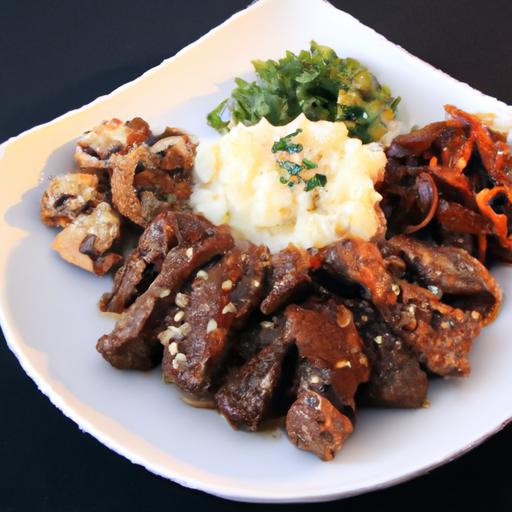

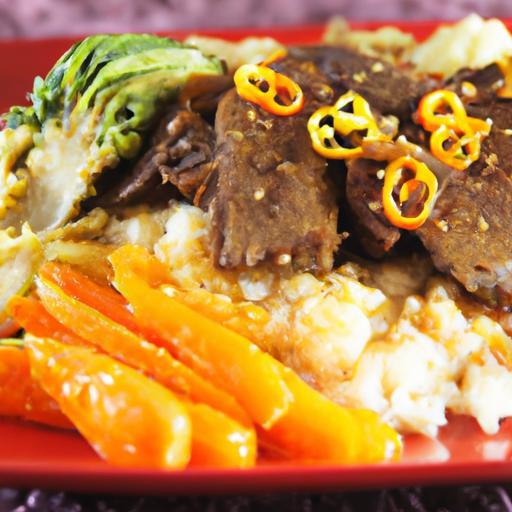
When bold flavors collide with health-conscious twists, culinary magic happens. enter the Fiery Korean Beef Bowl paired with a Low-Carb Cauliflower Rice Delight-a dynamic duo that satisfies cravings without compromise. This dish masterfully blends the rich, spicy notes of customary Korean beef with the light, versatile texture of cauliflower rice, offering a vibrant meal that’s as nourishing as it is flavorful. whether you’re a spice enthusiast or a low-carb seeker, this fusion invites you to experience a satisfying bite of Korea’s iconic tastes, reinvented for today’s mindful eaters. Korean Beef Bowl
Fiery Korean Beef Bowl with Low-Carb Cauliflower Rice Delight brings a vibrant, health-conscious twist to traditional Korean flavors, combining succulent, spicy beef with a light, fluffy cauliflower rice base. This dish bursts with boldness and nutrition, perfect for those seeking a satisfying low-carb meal without sacrificing taste. Inspired by classic Korean street food but reimagined for modern wellness, it delivers an irresistible balance of heat, sweetness, and umami-packed charm that will ignite your senses. Korean Beef Bowl
Prep and Cook Time
- Preparation: 15 minutes
- Cooking: 20 minutes
- Total Time: 35 minutes
Yield
- Serves 4 delicious portions
Difficulty Level
- Easy – Perfect for weeknight dinners or meal prep
Ingredients
- For the Korean Beef:
- 1 lb (450g) lean ground beef
- 3 cloves garlic, minced
- 1 tbsp fresh ginger, grated
- 1/4 cup low-sodium soy sauce
- 2 tbsp gochujang (Korean chili paste)
- 1 tbsp sesame oil
- 2 tbsp brown sugar or coconut sugar
- 1/2 tsp black pepper
- 1 tsp toasted sesame seeds, plus more for garnish
- 2 green onions, thinly sliced (white and green parts separated)
- For the Low-Carb Cauliflower Rice:
- 1 large head of cauliflower (about 4 cups riced)
- 1 tbsp olive oil or avocado oil
- 1/2 tsp garlic powder
- Salt and pepper, to taste
- Optional: 1 tbsp fresh cilantro or parsley, chopped
Instructions
- Prepare the cauliflower rice: Remove leaves and core from the cauliflower. Cut into florets and pulse in a food processor until it reaches a rice-like texture. Avoid over-processing to prevent mushiness.
- Cook the cauliflower rice: heat 1 tbsp of olive oil in a wide skillet over medium heat. Add cauliflower rice, garlic powder, salt, and pepper. Sauté for 5-7 minutes, stirring frequently, until tender but not soggy. Stir in fresh herbs if using. Remove from heat and set aside. Korean Beef Bowl
- Cook the Korean beef: In a large pan over medium-high heat, add sesame oil. once hot, add minced garlic and grated ginger, sautéing until fragrant, about 1 minute. Korean Beef Bowl
- Add the ground beef to the pan, breaking it apart with a spatula. Cook until browned and cooked through, about 6-8 minutes, stirring occasionally to prevent sticking. Korean Beef Bowl
- Lower the heat to medium-low. Stir in soy sauce, gochujang, and brown sugar. Mix thoroughly to coat the beef evenly. Simmer for 3-5 minutes until the sauce thickens slightly and clings to the meat. Korean Beef Bowl
- Add black pepper and half of the green onion whites, continuing to cook for another 1-2 minutes. Remove from heat and sprinkle with toasted sesame seeds. Korean Beef Bowl
- Assemble the bowl: Scoop a generous portion of cauliflower rice into each bowl. Top with a hearty serving of fiery Korean beef. Garnish with remaining green onion whites, sesame seeds, and optional sliced fresh chili or kimchi for extra zing.
Tips for Success
- Cauliflower rice texture: Drain any excess moisture by placing riced cauliflower onto a clean kitchen towel and squeezing gently if it feels too wet. Korean Beef Bowl
- Adjust heat level: Gochujang varies in spiciness; start with less and increase gradually to suit your taste preferences. Korean Beef Bowl
- Make it ahead: Cook both components separately and store in airtight containers.Reheat gently before assembling for fresh flavors. Korean Beef Bowl
- Protein swaps: substitute ground beef with ground turkey, chicken, or tofu for different dietary needs. Korean Beef Bowl
- Boost flavor: A squeeze of fresh lime juice just before serving adds brightness and balances the fiery notes beautifully. Korean Beef Bowl
Serving Suggestions
Present this vibrant Korean beef and cauliflower rice dish dusted with toasted sesame seeds and scattered green onions for color contrast. Add thinly sliced cucumber, radish, or a handful of crisp bean sprouts to enhance crunch. A small side of kimchi or pickled vegetables intensifies the authentic Korean dining experience. Drizzle a little additional sesame oil or serve with a wedge of lime on the side. This bowl shines beautifully paired with a cold glass of iced jasmine tea or sparkling water infused with citrus. Korean Beef Bowl

| Nutrient | Per Serving |
|---|---|
| Calories | 320 kcal |
| Protein | 28 g |
| Carbohydrates | 9 g |
| Fat | 18 g |
| Fiber | 3 g |
for those inspired to deepen their grasp of Korean cuisine’s rich flavors, check out our Ultimate Korean Marinades Guide. To explore more about the benefits of cauliflower as a nutrient-packed alternative,visit Healthline’s Cauliflower Benefits Overview.
Q&A
Q&A: Fiery Korean Beef Bowl Meets Low-Carb Cauliflower Rice Delight
Q1: What inspired the creation of this Fiery Korean Beef Bowl with Low-Carb Cauliflower Rice?
A1: The inspiration came from a craving for bold, vibrant Korean flavors paired with a health-conscious twist. Traditional Korean beef bowls are irresistibly savory and spicy,but frequently enough serve white rice,which can be carb-heavy. Swapping the rice for cauliflower rice keeps the dish light, low-carb, and packed with nutrition-perfect for those seeking flavor without the guilt.
Q2: What makes the beef in this bowl “fiery”?
A2: The ”fiery” element comes from a harmonious blend of classic Korean spices and sauces like gochujang (Korean chili paste), garlic, ginger, and a touch of red pepper flakes. This combination ignites the palate with layers of smokiness, heat, and umami that complement the beef’s rich savoriness.Q3: Why choose cauliflower rice over traditional white rice?
A3: Cauliflower rice is a fantastic low-carb alternative to white rice. It’s made by finely grating fresh cauliflower into rice-sized granules and lightly cooking it, preserving a mild flavor with a hint of earthiness.This swap considerably reduces carbohydrates and calories,making the dish friendly for keto,paleo,and general low-carb diets while adding extra fiber and vitamins. Korean Beef Bowl
Q4: how can one balance the spice if thay prefer a milder dish?
A4: To tame the fire without losing flavor, reduce the amount of gochujang and chili flakes, or substitute gochujang with a milder Korean chili sauce or sweet soy glaze. adding a dollop of plain yogurt or a sprinkle of toasted sesame seeds can also help mellow the heat while adding creaminess and crunch. Korean Beef Bowl
Q5: What are some creative toppings or garnishes to elevate this bowl?
A5: Elevate your bowl with sliced scallions for freshness, toasted sesame seeds for nuttiness, thinly sliced fresh chili for extra heat, or a soft-boiled egg for richness. Pickled kimchi is a classic side that adds tang and texture, while a drizzle of sesame oil can weave in a fragrant, nutty aroma.
Q6: Can this dish be adapted for vegetarians or vegans?
A6: Absolutely! Substitute the beef with seasoned and sautéed mushrooms, tofu, or tempeh for a plant-powered version. Use a vegan gochujang or check the labels for vegan-friendly chili pastes, and substitute honey (if used) with maple syrup or agave nectar to keep all the flavors vibrant and vegan-friendly. Korean Beef Bowl
Q7: What cooking tips ensure the cauliflower rice doesn’t turn soggy?
A7: Cook cauliflower rice over medium-high heat with a little oil, stirring frequently to evaporate moisture quickly. Avoid adding too much water or covering the pan tightly. A hot pan and crisp-tender cooking keep the cauliflower ”rice” fluffy and separate, mimicking the texture of real rice beautifully. Korean Beef Bowl
Q8: Is this recipe suitable for meal prep?
A8: Definitely! Both the fiery beef and cauliflower rice hold up well when stored separately in airtight containers. Reheat gently in a pan or microwave before serving to maintain flavor and texture. This makes it an excellent option for busy weeknights or pack-and-go lunches.Q9: what makes this fusion dish a standout in Korean-inspired cuisine?
A9: The Fiery Korean Beef Bowl with Low-Carb Cauliflower Rice is a standout because it innovatively marries tradition with modern dietary preferences. It honors the bold seasoning and hearty protein of Korean cooking while embracing a contemporary, health-conscious ingredient that broadens appeal without sacrificing taste or satisfaction.
Q10: Where can I find authentic ingredients such as gochujang and how should I store them?
A10: Gochujang is widely available at Asian supermarkets, health food stores, and online. It usually comes in a sealed tub or jar and should be refrigerated after opening to preserve its vibrant flavor and prevent spoilage. Always check the expiration date, and store it in a cool, dry place before opening. Korean Beef Bowl
This Q&A highlights the vibrant flavors, health benefits, and versatility of the Fiery Korean Beef Bowl paired with low-carb cauliflower rice, inspiring readers to create a delicious and nourishing meal! Korean Beef Bowl
Insights and Conclusions
In the vibrant fusion of spicy Korean beef and light, fluffy cauliflower rice, we find a dish that not onyl ignites the palate but also embraces mindful eating. This fiery Korean beef bowl paired with low-carb cauliflower rice offers a satisfying balance of bold flavors and nutritious simplicity-proving that indulgence and healthfulness can deliciously coexist.Whether you’re seeking a weeknight winner or a flavorful twist on classic comfort food,this dish invites you to savor every bite with both excitement and ease. So next time hunger calls, let this low-carb delight fuel your culinary adventures with a spark of Korean spice and a wholesome finish. Korean Beef Bowl