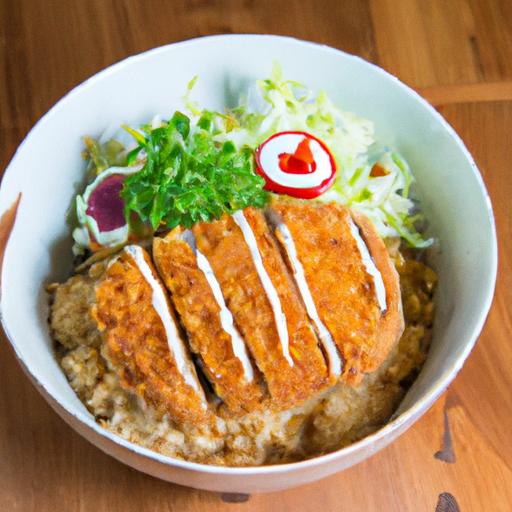

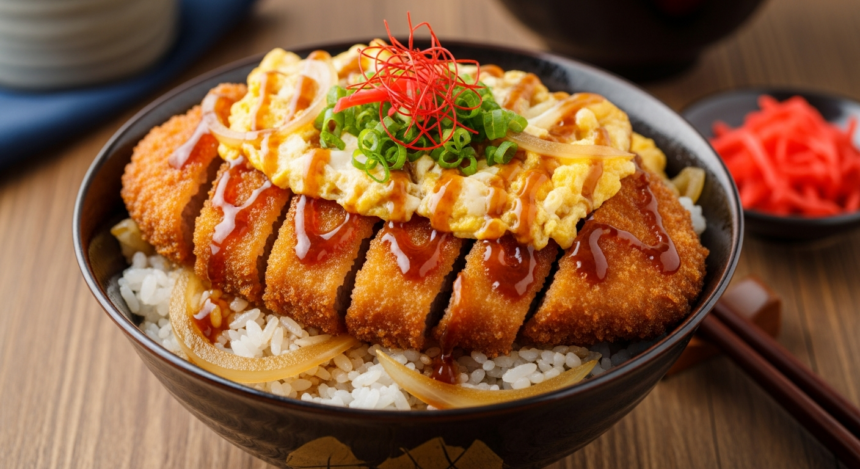
Ther’s something irresistibly comforting about a steaming bowl of katsudon-the golden, crispy beef cutlet nestled atop a bed of fluffy rice, all drenched in a savory-sweet sauce that whispers tales of tradition and home-cooked warmth. More than just a meal, katsudon is a culinary treasure that bridges history and culture with every flavorful bite. Journey with us as we explore the origins, variations, and enduring popularity of this beloved Japanese dish, uncovering why the humble beef cutlet rice bowl continues too delight palates around the world.
Katsudon Delights offer a marvelous gateway into the rich tradition of Japanese comfort food, where the crispy, tender beef cutlet melds perfectly with fluffy steamed rice and a savory-sweet sauce. Originating from the beloved “tonkatsu” cutlet dishes of Japan, katsudon quickly became a staple not onyl for its satisfying textures but also for its symbolic cultural importance – often associated with good luck and perseverance, especially for students and hardworking individuals facing crucial challenges. This beef cutlet rice bowl tradition tells a story of culinary ingenuity and heartfelt comfort, making it a treasured meal that warms both the palate and the soul.
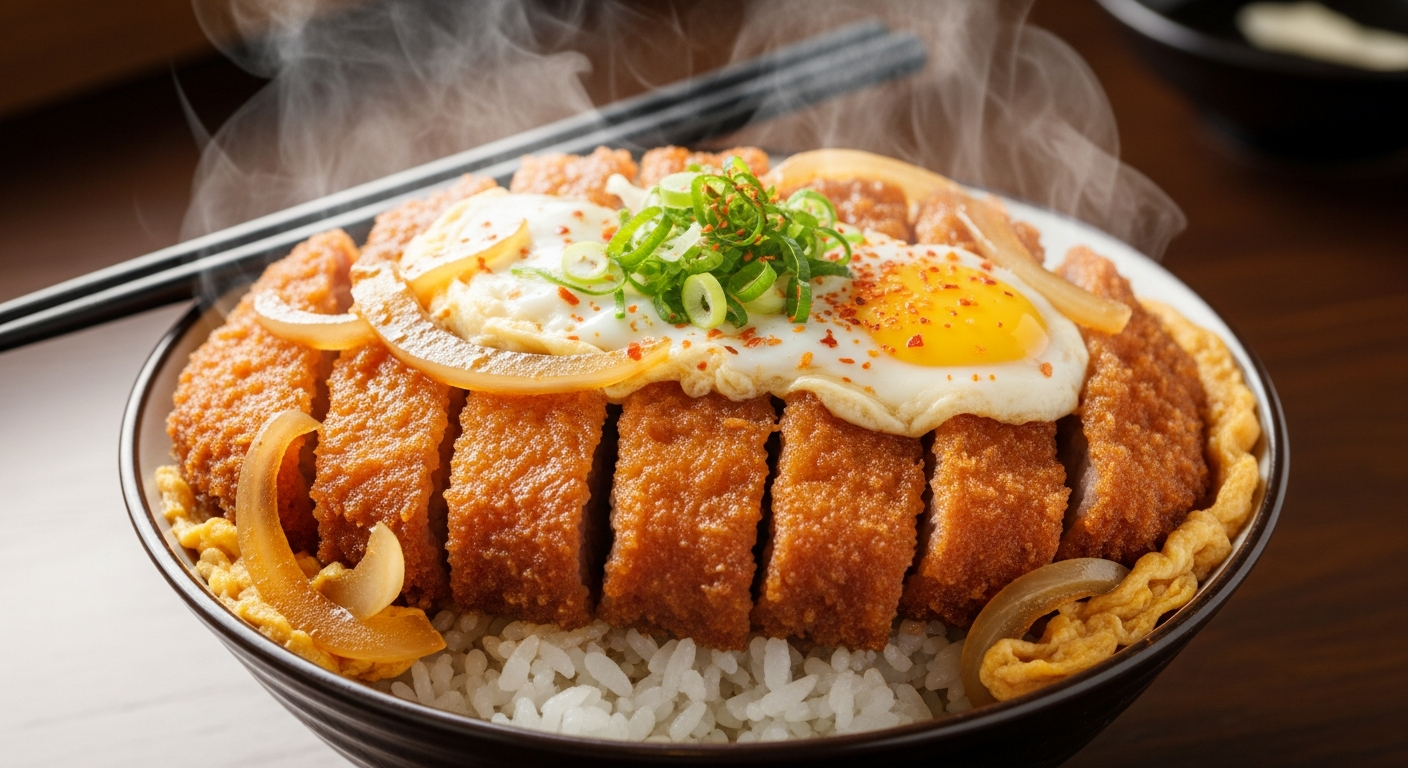
Prep and Cook time
- Prep time: 20 minutes
- Cook Time: 15 minutes
- Total Time: 35 minutes
yield
Serves 4 hearty bowls
Difficulty Level
Medium – beginner cooks with some frying experience will thrive
Ingredients
- For the Beef Cutlet:
- 4 beef sirloin steaks, about 6 oz each, trimmed
- salt and freshly ground black pepper, to taste
- 1 cup all-purpose flour, sifted
- 2 large eggs, beaten
- 1 ½ cups panko breadcrumbs
- Vegetable oil, for frying
- For the Sauce and Assembly:
- 2 cups cooked Japanese short-grain rice, warm
- 1 medium onion, thinly sliced
- 1 cup dashi stock (or substitute with low-sodium chicken broth)
- 3 tbsp soy sauce
- 2 tbsp mirin
- 1 tbsp sugar
- 3 large eggs, lightly beaten
- Chopped green onions and toasted sesame seeds, for garnish
Instructions
- Prepare the beef cutlets: Season the beef steaks lightly with salt and pepper. Dredge each steak in flour, shaking off excess, then dip into beaten eggs, and finally coat thoroughly with panko breadcrumbs. press gently to ensure an even crust.
- Heat the oil: In a deep frying pan, warm about ½ inch of vegetable oil to 350°F (175°C).Use a thermometer for consistent results to avoid oil that’s too hot or too cold.
- Fry the cutlets: Carefully place the breaded beef steaks into the hot oil.Fry each side for 3-4 minutes or until the crust is golden brown and crisp. Transfer to a paper towel-lined plate to drain excess oil. Tip: Avoid overcrowding to maintain temperature and crispiness.
- Prepare the sauce base: In a separate skillet, combine the dashi stock, soy sauce, mirin, and sugar.Bring to a simmer over medium heat. Add the sliced onions and cook until softened and translucent, about 5 minutes.
- Assemble the katsudon: Slice the fried beef cutlet into ½-inch strips. Pour half of the beaten eggs evenly over the simmering sauce and onions,gently swirling to distribute without stirring. when the eggs are halfway set but still slightly runny, layer the beef cutlet strips on top. Pour the remaining eggs over the cutlets,cover the pan with a lid,and cook on low heat for 2-3 minutes to finish cooking the eggs fully.
- Serve instantly: Spoon steamed rice into individual bowls. Carefully slide the cooked beef cutlet and egg mixture over the rice for that iconic layered katsudon affect.
- Garnish: Sprinkle chopped green onions and toasted sesame seeds atop each bowl for a vivid contrast in color and a burst of fresh flavor.
Chef’s Notes and Tips for Success
- For extra tenderness, lightly pound the beef steaks to an even thickness (~½ inch) before breading.
- Panko breadcrumbs are essential for that airy, crisp texture – avoid fine breadcrumbs or flour-only coatings for best results.
- Use freshly cooked, slightly sticky Japanese short-grain rice for a more authentic mouthfeel and to hold up under the saucy topping.
- Mirin’s sweetness balances perfectly with soy sauce’s saltiness – if unavailable, substitute with a teaspoon of sugar plus 1 tablespoon of white wine.
- Make-ahead tip: Prepare and fry cutlets in advance,then gently reheat in a low oven before assembling for convenience.
Serving Suggestions
Present Katsudon Delights in beautiful, shallow bowls to showcase this visually appealing layered dish. A side of bright pickled ginger or crunchy Japanese cucumber salad creates a refreshing counterpoint. For drink pairings, try a chilled glass of sake or a robust green tea to cleanse the palate with every bite.Don’t forget to serve with chopsticks or a fork to lift each crispy beef slice with perfectly saucy rice underneath. garnishing with shichimi togarashi (Japanese seven-spice) adds a nuanced heat that reveals new flavor layers.
| Nutrition (per serving) | amount |
|---|---|
| Calories | 620 kcal |
| Protein | 38 g |
| Carbohydrates | 58 g |
| Fat | 24 g |

Explore more authentic Japanese rice bowls in our Japanese Rice Bowls Collection. For a deeper dive into dashi stock - the soul of katsudon sauce - visit Just One Cookbook’s Dashi Guide.
Q&A
Q&A: Katsudon Delights - Exploring the Beef Cutlet Rice Bowl Tradition
Q1: What exactly is Katsudon?
A1: Katsudon is a beloved Japanese dish featuring a crispy, breaded beef cutlet – or tonkatsu when pork is used – nestled atop a steaming bowl of fluffy rice.The cutlet is typically simmered with a savory-sweet broth of soy sauce, mirin, and dashi, often accompanied by softly cooked onions and a delicate layer of egg. This harmonious blend creates a comforting one-bowl meal that appeals to food lovers across Japan and beyond.
Q2: How did katsudon originate?
A2: The origins of katsudon trace back to the early 20th century, evolving from Western influences during Japan’s modernization era. Initially a simple breaded cutlet served with rice, the dish transformed as local tastes embraced the addition of simmered egg and sauce, resulting in the comforting katsudon bowl we certainly know today. Its hearty nature also earned it a reputation as a “victory meal,” notably eaten by students before exams to bring luck.
Q3: Why is katsudon associated with good luck and victory?
A3: The word “katsu” (カツ) doubles as a pun for the verb “to win” or “to be victorious” (勝つ). Because of this linguistic serendipity, katsudon became a popular dish for students facing exams or athletes preparing for competitions. Eating katsudon is a delicious tradition meant to inspire confidence, strength, and success-turning a simple meal into a symbolic ritual of triumph.
Q4: What makes beef cutlet diffrent from the traditional pork tonkatsu?
A4: While pork tonkatsu is the most classic form, katsudon also shines when made with beef cutlets. Beef provides a richer, slightly more robust flavor with a tender texture that contrasts beautifully against the crispy panko crust. regional variations and personal preferences often dictate this choice, lending the dish subtle nuances that keep the tradition vibrant and ever-evolving.
Q5: Can katsudon be customized for dietary preferences?
A5: Absolutely! While traditionally centered around breaded meat and egg, katsudon is remarkably adaptable. Vegetarians might substitute cutlets with breaded eggplant or tofu, while gluten-free panko options make it accessible for gluten-sensitive diners. The heart of katsudon-the melding of savory broth, egg, and rice-remains intact, ensuring every bowl delivers warmth and satisfaction.
Q6: How is katsudon typically enjoyed in japan?
A6: Katsudon is a comfort food staple in Japanese homes and casual eateries. It’s frequently enough served during lunch or dinner, accompanied by pickled vegetables and a bowl of miso soup. The experience is as much about texture-the crunch of the cutlet, the silkiness of the egg-as it is about flavor, making each spoonful a delightful balance of savory, sweet, and umami elements.
Q7: Why is katsudon gaining popularity worldwide?
A7: Katsudon’s global appeal lies in its inviting simplicity and heartwarming character.As international palates embrace Japanese cuisine beyond sushi and ramen, dishes like katsudon offer accessible yet richly layered tastes. Food enthusiasts appreciate the cultural stories behind it, and its versatility encourages chefs worldwide to reinterpret the classic beef cutlet rice bowl in new and exciting ways.
Q8: Any tips for making the perfect katsudon at home?
A8: Key to an unforgettable katsudon is the balance: crispy, golden cutlets; a fragrant, well-seasoned broth; and tender eggs just set to envelop the meat. Use fresh panko for coating, maintain hot oil at the right temperature for frying, and don’t rush the simmering step where egg and broth marry over the cutlet. Serve immediately over steamed rice, garnished with green onions or nori for that authentic finishing touch.
Katsudon is more than just a bowl of food-it’s a cultural icon wrapped in layers of flavor, history, and heart. Whether you savor it in a bustling Tokyo diner or recreate it in your kitchen, every bite is a delicious tribute to tradition and the simple joy of a well-made meal.
In Retrospect
As the final grains of rice settle beneath the crispy, golden beef cutlet, Katsudon reveals itself not just as a dish, but as a vibrant chapter in Japan’s culinary story. Each bite offers a harmonious blend of textures and flavors-a testament to tradition, comfort, and the artful simplicity of everyday ingredients. Whether savored in a bustling Tokyo eatery or recreated in your own kitchen, the beef cutlet rice bowl invites you to experience a delicious legacy that continues to delight palates across generations. So next time hunger calls, consider katsudon: a warm embrace of history served in a bowl.