
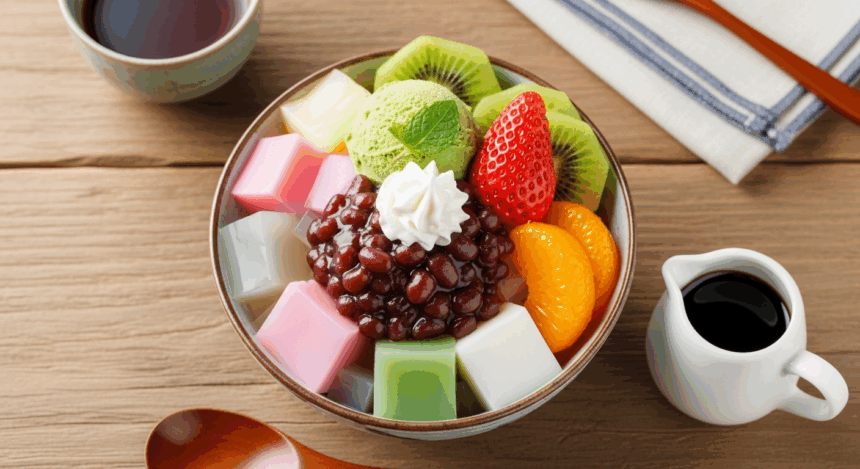
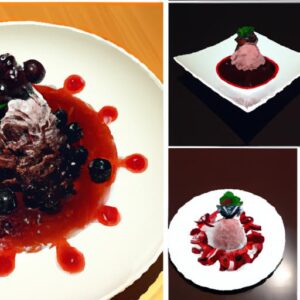
In the vibrant mosaic of Japanese sweets, Anmitsu stands out as a refreshing jewel-an artful blend of textures and flavors that has delighted palates for over a century. This traditional dessert,weaving together delicate cubes of kanten jelly,luscious red bean paste,and an array of fresh fruits,offers a harmonious dance of sweetness and subtlety in every bite. Beyond its inviting appearance, Anmitsu is a cultural emblem, reflecting JapanS profound gratitude for seasonal ingredients and meticulous craftsmanship. Join us as we explore the origins, components, and enduring charm of Anmitsu, uncovering why this jelly and red bean delight continues to captivate dessert lovers both in Japan and around the world.
anmitsu Delight captures the essence of traditional Japanese sweets through its harmonious blend of refreshing jelly cubes, sweet red bean paste, and seasonal fruits. Originating from the Meiji era, this dessert has become an iconic symbol of Japan’s culinary artistry-marrying subtle flavors and delicate textures in a bowl. I vividly remember my first taste of anmitsu during a serene summer afternoon in Kyoto, where the cool kanten jelly and silky azuki beans provided the perfect retreat from the humid heat.
Prep and Cook Time
- Prep Time: 20 minutes
- Cook Time: 15 minutes
- total Time: 35 minutes
Yield
Serves 4 generous portions
Difficulty Level
Medium – Requires preparation of several components but approachable with step-by-step guidance
Key Ingredients
- 10g agar-agar powder (kanten)
- 2 cups water
- 1/2 cup kuromitsu syrup (black sugar syrup, store-bought or homemade)
- 1 cup sweetened azuki red bean paste (anko)
- 1/2 cup fresh peaches or seasonal fruit, diced
- 1/2 cup canned mandarin oranges, drained
- 1/2 cup matcha jelly cubes (optional for added color and flavor)
- 1/4 cup boiled peas (mame, optional)
- Shiratama dango (rice flour dumplings), about 12 small balls
- Ice cubes, as needed
Traditional Preparation Techniques
- Prepare the Kanten Jelly: In a saucepan, combine the agar-agar powder with water.Bring to a boil over medium heat, stirring constantly to fully dissolve the agar agar.
- Once boiling, reduce heat and simmer gently for 2 minutes to ensure full activation.
- Pour the liquid into a shallow pan and allow it to cool at room temperature until set firmly, about 30 minutes.
- Cut the jelly into neat 1cm cubes with a sharp knife. Chill in the refrigerator.
- Make Shiratama Dango: Mix glutinous rice flour with a small amount of lukewarm water until dough forms. Roll into small balls, then boil in water until they float. Remove, cool in cold water, and drain.
- retrieve or prepare sweet azuki red bean paste (anko). use pre-made for convenience or make yoru own by simmering adzuki beans with sugar until soft and sweet.
- prepare fresh fruit by peeling and dicing-peaches, melon, or seasonal favorites add vibrant freshness.
- Assemble the dessert bowls with layers of kanten jelly cubes, sweet beans, fresh fruit, shiratama dango, and optional peas or matcha jelly cubes.
- Drizzle generously with kuromitsu syrup immediately before serving for a luscious finish.
Modern Twists and Popular Variations Across Japan
While the classic anmitsu combo remains beloved, kitchens across Japan have embraced new interpretations. in Okinawa, colorful beni imo purple sweet potato cubes add depth and vivid color. tokyo cafés frequently enough swap traditional kuromitsu for flavored syrups like yuzu or black sesame. Some modern spins incorporate tropical fruits such as mango and passionfruit or layer the jelly with creamy matcha or hojicha custards. This evolution shows how anmitsu delight delicately balances heritage and innovation, making it a continuously captivating dessert.
Top Spots to Savor Anmitsu Delight and Insider Tasting Tips
For a truly authentic experience, visit traditional wagashi shops in Kyoto or Kanazawa, where handcrafted anmitsu is served in elegant wooden bowls alongside freshly brewed green tea. In tokyo, places like Nakamura Tokichi in Ginza offer refined versions highlighting matcha jelly and house-made kuromitsu. When tasting, start with a spoonful of jelly, followed by azuki paste and fruit to appreciate the contrasting textures. Always savor your kuromitsu drizzle last for a final sweet crescendo.
Recipe: Anmitsu Delight
Ingredients
- 10g agar-agar powder
- 2 cups water
- 1/2 cup kuromitsu syrup
- 1 cup anko (sweet azuki red bean paste)
- 1/2 cup fresh diced peaches
- 1/2 cup canned mandarin oranges
- 1/2 cup matcha jelly cubes (optional)
- 1/4 cup boiled peas (optional)
- 12 shiratama dango (glutinous rice flour dumplings)
- Ice cubes
Instructions
- Make kanten jelly: Dissolve agar-agar powder in 2 cups water over medium heat, bring to boil, and simmer for 2 minutes, stirring constantly.
- pour into a shallow dish; refrigerate until firm (about 30 minutes). Cut into 1cm cubes.
- Prepare shiratama dango: Combine 100g glutinous rice flour with 60 ml lukewarm water.Knead into dough, roll into 12 balls.
- Boil dango until they float (~2-3 minutes); transfer to cold water then drain.
- Arrange jelly cubes, anko, fruit, shiratama, and optional peas or matcha cubes in serving bowls.
- Add a few ice cubes for refreshment.
- Drizzle kuromitsu syrup over all ingredients just before serving.
Chef’s Notes and Tips for Success
- Customize sweetness: Adjust the kuromitsu syrup quantity based on preference – more for extra decadence, less for subtlety.
- Fruit alternatives: Try seasonal Japanese pears, kiwi, or strawberries to brighten flavors throughout the year.
- Make-ahead: Prepare jelly and shiratama dango up to a day ahead; store separately in airtight containers.
- Kanten clarity: Strain agar solution before setting to ensure a crystal-clear jelly.
- Texture balance: Don’t overcook shiratama; they must remain tender and chewy.
serving Suggestions
Present anmitsu delight in clear glass bowls to showcase the vibrant colors and cubic shapes. Garnish with a small fresh mint leaf or edible flowers to elevate the visual appeal. Pair with a chilled cup of hojicha or sencha green tea for the ideal complementary taste experience.
| Nutrient | Per Serving |
|---|---|
| Calories | 230 kcal |
| Protein | 4g |
| Carbohydrates | 50g |
| Fat | 0.5g |

Discover more traditional Japanese sweets in our Matcha Desserts Experience article. For a deep dive into the history of Japanese wagashi,visit the Japan Guide Wagashi Overview.
Q&A
Q&A: Anmitsu Delight – Exploring Japan’s Jelly & Red bean Dessert
Q1: What exactly is Anmitsu?
A1: Anmitsu is a traditional Japanese dessert that can best be described as a delightful mosaic of textures and flavors. At its heart lies small cubes of translucent agar jelly, crafted from seaweed, which serve as a refreshing, slightly firm base. This jelly is typically paired with sweet azuki red beans, a medley of fresh fruits, mochi (chewy rice cakes), and sometimes a scoop of ice cream, all drizzled with a dark, fragrant kuromitsu syrup-a luscious black sugar syrup that ties the dish together like a symphony conductor.
Q2: Where does Anmitsu come from?
A2: This sweet treat has its roots in Japan’s Edo period (1603-1868), evolving over centuries as a popular summer dessert that offered a cool respite from the heat. Historically served at tea houses and festivals,Anmitsu embodies the Japanese philosophy of balancing textures,tastes,and visual appeal in food-making it as much a feast for the eyes as for the palate.
Q3: What makes the jelly in Anmitsu special?
A3: the jelly is made from agar-agar, a vegetable gelatin extracted from red algae. Unlike gelatin derived from animal products,agar jelly is naturally vegetarian and has a firmer,more refreshing bite.Its crystal-clear appearance adds a stunning translucent quality to the dessert, allowing the vibrant colors of fruit and beans to shine through, creating an artistic tableau in a bowl.
Q4: How is the red bean component prepared?
A4: The red beans (azuki) are cooked slowly with sugar until they become sweet and tender, sometimes yielding a chunky paste known as “anko.” this contrasts beautifully with the smoothness of the jelly and the chewiness of the mochi, adding a deep, earthy sweetness that’s quintessentially Japanese.
Q5: can you customize Anmitsu?
A5: Absolutely! Anmitsu is wonderfully versatile. While the classic version features agar jelly, azuki beans, mochi, and fruits like peaches, cherries, or mandarin oranges, modern variations might include green tea ice cream, sweet potato, or even chestnuts. The kuromitsu syrup can sometimes be replaced with honey or flavored syrups, allowing for personal twists while preserving the dish’s essence.
Q6: How is Anmitsu traditionally enjoyed?
A6: It’s generally served chilled, especially during Japan’s hot summers, making it an incredibly refreshing dessert. Diners mix the ingredients lightly after adding kuromitsu syrup, allowing the flavors to intermingle with each bite. Eating anmitsu is as much about savoring individual components as it is indeed about enjoying the harmonious blend.
Q7: Where can I try authentic Anmitsu outside Japan?
A7: While anmitsu remains a specialty dessert often found in traditional Japanese sweet shops (wagashi-ya) and cafes across Japan, international metropolitan areas with vibrant Japanese communities-like New York, San Francisco, or London-often boast restaurants or confectioners serving authentic versions. For those adventurous at home,agar jelly and azuki beans are increasingly available at Asian grocery stores,making DIY Anmitsu a fun and rewarding kitchen project.
Q8: Why should dessert lovers add Anmitsu to their culinary bucket list?
A8: Because Anmitsu isn’t just a dessert-it’s a sensory experience that captures the essence of Japanese culinary artistry, blending history, culture, and nature’s bounty in a single bowl. Its elegant balance of textures-jelly’s delicate firmness,the creamy sweetness of red beans,the freshness of fruit,and the chewiness of mochi-makes every spoonful an exploration of contrasts and harmony. For anyone eager to taste the poetry of Japanese sweets, Anmitsu is a must-try delight.
To Conclude
As the final spoonful of Anmitsu melts away, you’re left with more then just a lingering sweetness – it’s a delightful reminder of Japan’s rich culinary tapestry, where tradition meets playful creativity.This vibrant dessert, with its jewel-like jelly cubes, velvety red beans, and fruity bursts, embodies a harmony of textures and flavors that invites both curiosity and comfort. Whether enjoyed on a warm summer afternoon or as a charming finale to a meal, Anmitsu offers a refreshing glimpse into the artistry of Japanese sweets.so, next time you seek a taste that’s as visually enchanting as it is tasty, let Anmitsu guide your journey through japan’s dessert wonderland.