
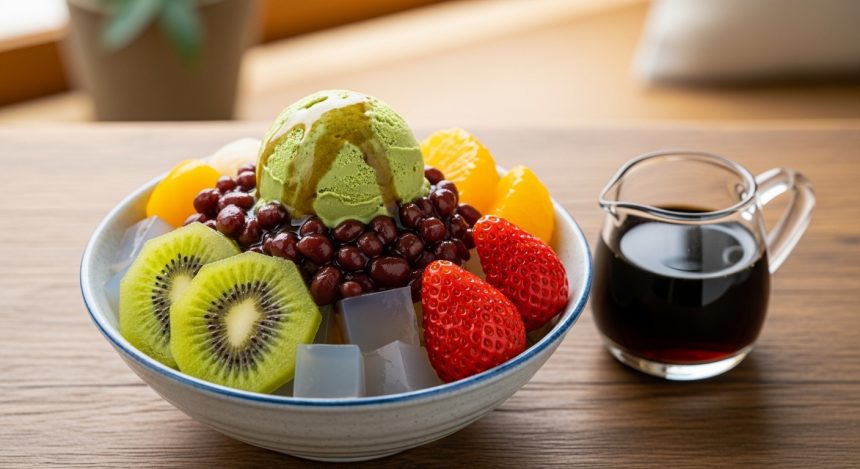
In the heart of Japan’s rich culinary tapestry lies a dessert that seduces the senses with its vibrant colors, delicate textures, and harmonious flavors-Anmitsu. Often overlooked beyond its native shores, this conventional treat is a celebration of simplicity and sophistication, where silky cubes of kanten jelly meet the natural sweetness of red bean paste, fresh fruits, and a drizzle of fragrant black syrup. “Anmitsu Unveiled: japan’s Jelly and Red Bean Delight” invites you on a journey too discover the history, ingredients, and cultural meaning behind this beloved Japanese dessert, revealing why it continues to enchant palates both young and old across generations. Whether you’re a seasoned foodie or a curious newcomer, prepare to delve into the refreshing world of Anmitsu-a mosaic of taste and tradition waiting to be savored bite by bite.
Anmitsu Unveiled: Japan’s Jelly and red Bean Delight
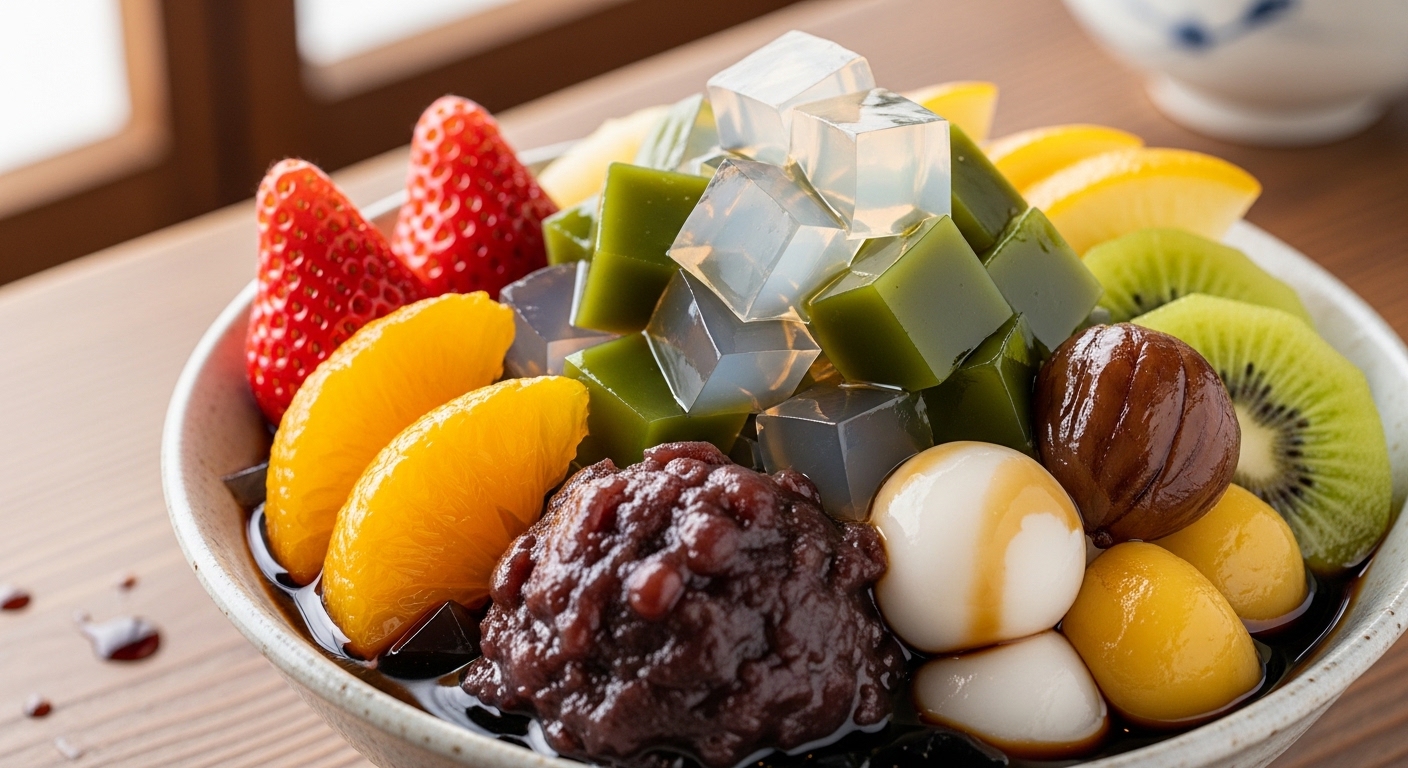
Anmitsu unravels a wonderfully refreshing world within traditional Japanese desserts, captivating the senses with its interplay of textures and flavors. Originating in the Edo period,this chilled sweet delight combines translucent agar jelly,luscious sweet azuki beans,and an array of vibrant fruits,making it a beloved seasonal treat. Its harmonious balance of natural sweetness, subtle earthiness, and soft morsels embodies the essence of Japanese snack artistry.
Prep and cook Time
- Preparation Time: 30 minutes
- Cooking Time: 10 minutes
- Chilling Time: 2 hours
Yield
4 servings
Difficulty Level
Easy
Exploring the ingredients That Make Anmitsu a Unique Treat
Anmitsu’s magic starts with a handful of thoughtful ingredients that come together seamlessly:
- Agar agar powder - the jelly’s base, extracted from seaweed, providing a firmer, cleaner texture than gelatin
- Sweet azuki beans (anko) – gently simmered for a tender, sweet finish
- Seasonal fruits - fresh slices of melon, strawberries, mandarin orange segments, and sometimes cubes of pineapple or peach
- Shiratama dango – small, chewy rice flour dumplings, adding delightful bite
- Mitsumame syrup - typically kuromitsu (black sugar syrup), drizzled generously for depth and sweetness
Step by Step Guide to Crafting Authentic Anmitsu at Home
- Prepare the agar jelly: In a medium pot, whisk together 2 teaspoons of agar agar powder with 3 cups of water. Bring to a boil over medium heat, stirring constantly to dissolve agar powder wholly.
- Simmer and set: Once boiling, reduce heat and simmer for 2 minutes to activate the agar. Pour the liquid into a shallow square dish or mold. Let it cool to room temperature, then refrigerate for at least 1.5 hours until firm.
- Make shiratama dango: In a bowl, combine ½ cup shiratamako (glutinous rice flour) with ¼ cup water. Knead gently until smooth and pliable. Form into small balls (approximately 1 cm diameter). Boil in lightly salted water until they float, then scoop out and rinse in cold water. Set aside.
- Prepare the sweet azuki beans: If using canned anko or sweetened azuki beans, gently warm in a small saucepan. For fresh, rinse and soak 1 cup azuki beans overnight, boil until soft and sweeten with ½ cup sugar while simmering.
- Assemble the Anmitsu: Cut the chilled agar jelly into bite-sized cubes. Divide the cubes into serving bowls. Arrange shiratama dango, azuki beans, and an assortment of fresh fruit pieces artistically on top.
- Drizzle with kuromitsu syrup: Finish by pouring 2 tablespoons of kuromitsu (Japanese black sugar syrup) over each bowl. Serve immediately for a crisp and cooling experience.
Chef’s Notes: Tips for Success
- Use high-quality agar powder for the clearest jelly appearance.
- Don’t skip chilling the jelly thoroughly – this sets the perfect firm texture.
- Experiment with fruits; using firm melons offers great contrast with the jelly’s softness.
- Make kuromitsu syrup at home by dissolving ½ cup black sugar in ¼ cup water over low heat until syrupy.
- For a vegan delight, agar ensures a plant-based choice to gelatin without compromising texture.
- Anmitsu can be made a day ahead; keep components separate and assemble before serving to maintain freshness.
Serving Suggestions
For the ultimate presentation, serve Anmitsu in clear glass bowls or deep cups to showcase the glistening cubes and colorful fruits. add a sprig of fresh mint or a sprinkle of toasted black sesame seeds for an aromatic twist. Pair with a warm cup of matcha or genmaicha tea to enhance the dessert’s subtle sweetness and create a harmonious end to any meal.

Top Places to Savor Traditional and Modern Twists on Anmitsu in Japan
Tokyo’s historic Ginza district houses many classic dessert shops specializing in Anmitsu, such as ginza Anmitsu Kōhīya, where artisanal anko and seasonal produce shine. For innovative takes, cafés in Kyoto blend the traditional with modern flavors-think matcha-flavored jelly or tropical fruit blends, adding new dimensions to this timeless sweet.
| Nutrient | Per Serving |
|---|---|
| Calories | 210 kcal |
| Protein | 4 g |
| Carbohydrates | 45 g |
| Fat | 0.5 g |
For more inspiration on traditional Japanese sweets, explore our Japanese Dessert Recipes section.
Discover more about the history and health benefits of agar agar on the NCBI website.
Q&A
Q&A: Anmitsu Unveiled – Japan’s Jelly and Red Bean Delight
Q1: What exactly is Anmitsu?
A1: Anmitsu is a traditional Japanese dessert that beautifully marries silky cubes of agar jelly with a medley of sweet toppings. Think of it as a refreshing, colorful bowl of joy featuring chewy mochi, luscious red beans, fresh fruits, and a drizzle of fragrant black sugar syrup known as kuromitsu. It’s a harmonious bite that delights both the eyes and the palate.
Q2: Where did anmitsu originate?
A2: Anmitsu’s roots trace back to the Meiji era (late 1800s to early 1900s) in Japan, a period known for blending Western influences with Japanese culture. This dessert was crafted as a cool, sweet treat to beat the summer heat, evolving from simpler jelly desserts into the intricate, flavorful creation we savor today.
Q3: What makes the jelly in Anmitsu special?
A3: The jelly is made from agar-agar, a gelatinous substance derived from seaweed, which sets firmer than gelatin and has a subtly fresh, oceanic note. Its transparent, glass-like cubes provide a light, refreshing texture that contrasts beautifully with the creamy or chewy toppings.
Q4: Why are red beans essential in Anmitsu?
A4: Red beans-specifically sweet azuki beans-are a cornerstone of many japanese sweets. In Anmitsu, the red bean paste or whole beans add a naturally earthy sweetness and a bit of texture, balancing the mild jelly and tangy fruits, and grounding the dessert in traditional flavors.
Q5: Can Anmitsu be customized?
A5: absolutely! One of Anmitsu’s charms is its versatility. While classic toppings include anko (sweet red bean paste), shiratama dango (rice flour mochi balls), peaches, pineapples, and cherries, modern versions may incorporate ice cream, matcha powder, or seasonal fruits, making each bowl uniquely delightful.Q6: How is Anmitsu traditionally served?
A6: Traditionally, Anmitsu arrives in a clear bowl or glass, allowing you to admire its layered beauty. The kuromitsu syrup is served on the side or drizzled on top just before eating, so you control the sweetness level.It’s a casual yet elegant dessert often enjoyed during Japan’s warm months.
Q7: Why should someone try Anmitsu?
A7: If you seek a dessert that’s both traditional and refreshing, sweet yet light, Anmitsu offers a sensory journey thru Japanese culture and flavors. It’s a perfect introduction to wagashi (Japanese sweets), combining textures and tastes in a way that feels both nostalgic and novel.
Q8: Where can you find Anmitsu outside Japan?
A8: While specialty Japanese cafes and restaurants worldwide sometimes feature Anmitsu, it’s still a bit of a hidden gem internationally.For adventurous dessert lovers, seeking out authentic Japanese eateries or making a homemade version can be a rewarding way to experience this jelly and red bean marvel.
Dive into Anmitsu and discover a dessert that’s as much art as it is indulgence-where tradition, texture, and taste come together in every spoonful!
In Retrospect
As the final spoonful of anmitsu melts away, what remains is more than just the lingering sweetness of kanten jelly and red beans-it’s a taste of Japan’s rich culinary heritage captured in a single, vibrant dessert. From its colorful assortment of toppings to the delicate balance of textures and flavors, anmitsu invites both the curious and the seasoned sweet lover to explore a tradition that continues to delight palates across generations. Whether enjoyed in a bustling Tokyo café or recreated in your own kitchen, anmitsu is more than just a treat; it’s a joyful celebration of simplicity, seasonality, and the art of Japanese confectionery unveiled.