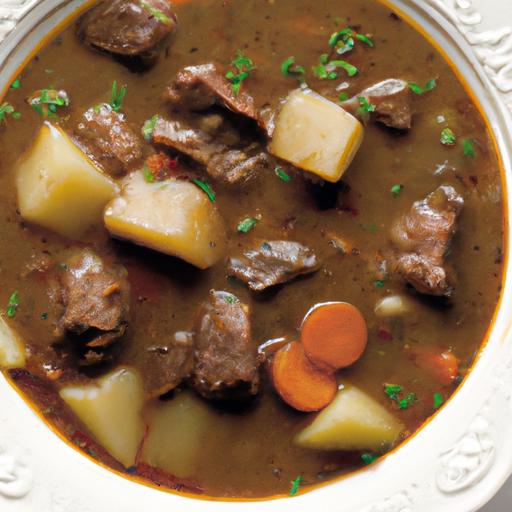

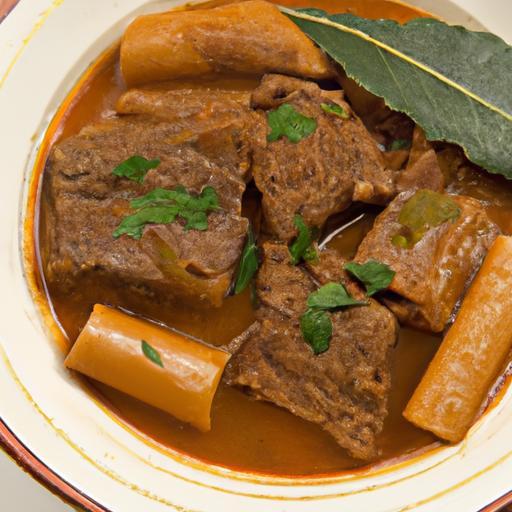
There’s something undeniably comforting about gathering around a steaming bowl of hearty Irish beef stew-a dish that has warmed countless homes through generations. Rooted deeply in tradition and simplicity, this classic stew embodies the spirit of Ireland’s rugged landscapes and resilient people. With tender chunks of beef, earthy root vegetables, and a rich, savory broth infused with herbs, each spoonful tells a story of timeless culinary heritage. In this article, we’ll explore the origins, ingredients, and techniques that make Irish beef stew not just a meal, but a cherished taste of tradition that continues to bring warmth and togetherness to tables around the world.
Hearty Irish Beef Stew is a cherished comfort dish that invites warmth and togetherness,transforming humble ingredients into a deeply flavorful experience. Rooted in Ireland’s pastoral traditions,this stew is a party of quality beef cuts simmered tenderly alongside earthy root vegetables and the subtle bite of fresh herbs. The magic truly unfolds when you select the right beef and master slow cooking to coax out layers of rich, velvety goodness, making every spoonful a timeless taste of tradition.
Prep and Cook Time
- Preparation Time: 20 minutes
- Cooking Time: 2 hours 45 minutes (slow simmer)
- Total Time: 3 hours 5 minutes
Yield
Serves 6 generous portions
Difficulty Level
Medium – Requires patience and slow simmering but simple techniques
Ingredients
- 2 lbs (900 g) Irish beef chuck, cut into 1½-inch cubes
- ½ cup all-purpose flour, sifted
- 3 tbsp vegetable oil (or beef drippings for more depth)
- 1 large onion, finely chopped
- 3 cloves garlic, minced
- 4 large carrots, sliced into thick rounds
- 3 medium potatoes, peeled and cubed
- 2 parsnips, sliced
- 4 cups beef stock, preferably homemade or low-sodium
- 1 cup Irish stout, (optional but recommended for authentic flavor)
- 2 tbsp tomato paste
- 2 tsp fresh thyme (or 1 tsp dried)
- 2 tsp fresh rosemary, chopped
- 2 bay leaves
- Salt and freshly ground black pepper, to taste
- Chopped fresh parsley, for garnish
instructions
- Prepare the beef: Pat the beef cubes dry with paper towels to ensure a good sear. Toss them in the sifted flour until evenly coated. Shake off excess flour to avoid clumping during cooking.
- brown the meat: Heat vegetable oil in a heavy-bottomed Dutch oven over medium-high heat. Add the beef in batches, avoiding overcrowding, and sauté until golden brown on all sides, about 5 minutes per batch. Set browned meat aside.
- Sauté the aromatics: In the same pot, reduce heat to medium. add chopped onions and minced garlic; cook until softened and translucent, approximately 5 minutes, stirring occasionally to prevent burning.
- Deglaze with stout: Pour in the Irish stout to lift any caramelized bits from the pot’s bottom, simmer for 2 minutes to reduce slightly.
- Add tomato paste and herbs: Stir in tomato paste, fresh thyme, rosemary, and bay leaves to coat the aromatics and develop that classic Irish depth.
- return beef to pot: Nestle the browned beef back into the mixture. Pour in beef stock, ensuring all ingredients are submerged. Bring to a gentle simmer.
- Simmer slowly: Reduce heat to low, cover partially, and cook for 2 hours, stirring occasionally. This slow cooking will break down connective tissues, resulting in tender, melt-in-your-mouth beef.
- Add vegetables: After 2 hours, stir in carrots, potatoes, and parsnips. Continue simmering, uncovered, for an additional 45 minutes until vegetables are tender but retain their shape.
- Final season adjustment: Remove bay leaves. Taste and season with salt and freshly ground black pepper to balance flavors.
- Garnish and serve: Sprinkle freshly chopped parsley over the stew just before serving to add a burst of color and freshness.
Chef’s notes: Tips for Success
- Choosing the right cut: Beef chuck is ideal as it becomes tender yet holds structure during slow cooking. Avoid lean cuts which may dry out.
- Flour coating: This step thickens the stew naturally, creating a luscious gravy. For gluten-free options,try cornstarch or a gluten-free flour blend.
- Stout substitution: If stout is unavailable, a rich dark beer or extra beef stock can be used, though stout adds unique maltiness.
- Make ahead: Flavors deepen overnight; refrigerate and gently reheat the next day for an even richer experience.
- Pressure cooker adaptation: For quicker results, cook under pressure for 45 minutes, then add vegetables and cook an additional 10 minutes.
Serving Suggestions and Tips to Elevate Your Hearty Stew Experience
Present the stew in warm, rustic bowls to embrace its homey character. A side of buttery soda bread or crusty farmhouse bread welcomes sopping up the velvety gravy. For a fresh balance, serve with a simple green salad dressed with a light vinaigrette. Garnishing with a sprig of fresh parsley or thyme amplifies the aromatic allure. To elevate further, consider a drizzle of high-quality Irish cream or a sharp cheddar cheese plate to complement the robust flavors.
| Nutrient | Per Serving |
|---|---|
| Calories | 420 kcal |
| Protein | 35 g |
| Carbohydrates | 28 g |
| Fat | 15 g |
Explore more hearty stew recipes here to expand your comfort food repertoire. For further reading on the benefits of slow cooking and selecting cuts, check out British Beef Slow Cooking Guide.

Q&A
Q&A: Hearty Irish Beef Stew – A Timeless Taste of Tradition
Q1: What makes Irish beef stew a timeless classic?
A1: Irish beef stew is more than just a meal; it’s a soulful reminder of heritage and hearty home-cooked comfort. The combination of tender beef, root vegetables, and rich, savory broth has been simmered through generations, capturing the essence of Ireland’s pastoral life and communal spirit. its timelessness lies in its simplicity and the deep, warming flavors that evoke cozy firesides and shared stories.
Q2: What ingredients are essential for an authentic Irish beef stew?
A2: Authenticity begins with quality beef-preferably chuck or brisket for that melt-in-your-mouth tenderness. Classic root vegetables such as potatoes, carrots, and parsnips add earthiness and heartiness. Onions and garlic build aromatic depth, while a good beef stock creates a luscious base. A splash of Guinness or a pinch of thyme can add traditional Irish character. Salt, pepper, and a bit of flour for thickening complete the ensemble.
Q3: How does the cooking method contribute to the stew’s flavor and texture?
A3: Slow and steady wins the race in Irish stew-making. Simmering the beef gently over low heat allows the connective tissues to break down, resulting in tender chunks bursting with flavor.The vegetables infuse the broth with natural sweetness, melding all elements into a harmonious, velvety stew. This patient approach transforms humble ingredients into a rich, comforting feast.
Q4: Can Irish beef stew be adapted for modern dietary preferences?
A4: Absolutely! While the classic recipe relies on beef and root vegetables, it’s versatile enough for creative adaptations. for a lighter twist, use leaner cuts or incorporate more hearty vegetables like mushrooms and cabbage. Slow-cooker or Instant Pot variations offer convenience without sacrificing depth. For gluten-free diets, simply omit flour or substitute with cornstarch. The heart of tradition beats strong even in modern renditions.
Q5: Why is Irish beef stew especially popular during certain holidays or seasons?
A5: Irish beef stew is synonymous with warmth and gathering-qualities that shine brightest during chilly autumns, cold winters, and festive celebrations like St. Patrick’s Day. Its rich, sustaining nature brings comfort when the weather turns harsh, and its deep cultural roots make it a natural centerpiece for Irish heritage festivities, evoking a sense of belonging and shared history at the family table.
Q6: What drink pairs best with a hearty Irish beef stew?
A6: The classic companion is none other than a pint of Guinness, which complements the stew’s robust flavors with its creamy, slightly bitter profile. For non-beer drinkers, a hearty red wine like a Cabernet Sauvignon or a Malbec echoes the stew’s richness. Even a warm Irish whiskey toddy can enhance the experience, marrying tradition and taste in every sip.
Q7: How can one make their irish beef stew stand out from every other stew?
A7: The secret lies in attention and intention. Start with well-marbled beef, sear it to develop a deep caramelized crust, and don’t rush the simmering process. Layer in your herbs thoughtfully, perhaps adding a bay leaf or rosemary sprig to elevate the aroma. Finish with a fresh sprinkle of parsley for brightness. This mindful crafting transforms a simple stew into a memorable journey through Ireland’s culinary past.
Key Takeaways
As the rich aroma of tender beef and hearty vegetables fills your kitchen, you’re not just cooking a meal-you’re stirring centuries of Irish tradition into every simmering pot. This Hearty Irish Beef Stew is more than comfort food; it’s a timeless taste that connects past and present, inviting you to savor the warmth of heritage with each bite. Whether shared around a family table or enjoyed quietly on a crisp evening, this stew offers a tasty reminder that some flavors, like stories, only grow more meaningful over time. So next time you seek nourishment for both body and soul,let this classic Irish dish be your welcoming embrace into a world of enduring tradition.