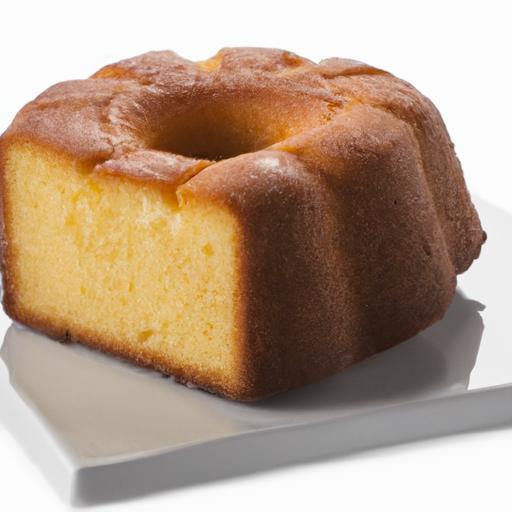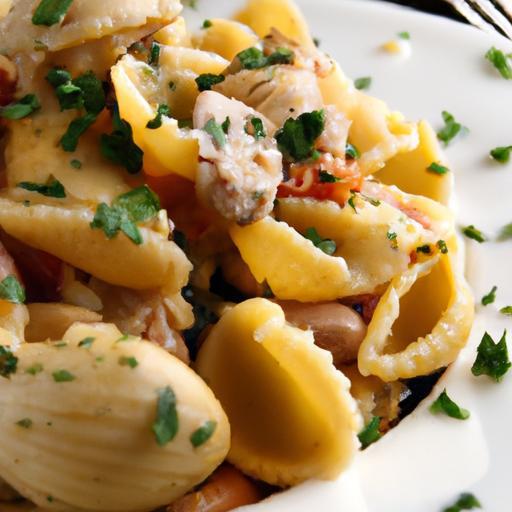

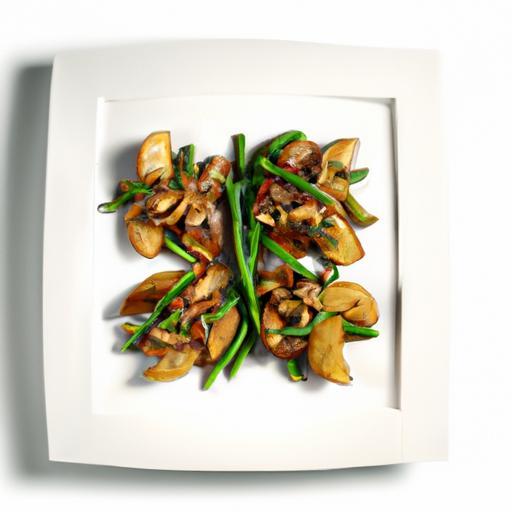
In a world where culinary creativity knows no bounds,accommodating dietary needs has become both an art and a necessity.For those navigating the challenges of celiac disease, dining can often feel restrictive-yet it doesn’t have to be bland or uninspired. Enter the realm of gluten-free gourmet: a vibrant, flavorful journey that transforms simple ingredients into unusual dishes designed to delight and satisfy. This article invites you to explore inventive recipes and thoughtful tips that elevate gluten-free cooking from a cautious choice to a party at any table. Whether you’re hosting a celiac guest or simply seeking to expand your culinary repertoire,prepare to discover how gluten-free can be synonymous with gourmet.
Gluten-Free Gourmet starters are the perfect way to set the stage for an unforgettable dining experience. One dish that consistently wins hearts is my Savory Chickpea and herb Pancakes, a delicate balance of texture and vibrant flavor that harnesses the magic of alternative flours. Inspired by traditional Indian “Besan Chilla,” these pancakes deliver a crispy exterior with tender, airy insides, boasting the perfect combination of earthiness from chickpea flour and fresh herbs. With each bite, you’ll discover how gluten-free ingredients can shine, impressing both celiac guests and gluten eaters alike.
Prep and Cook Time
Prep: 15 minutes | Cook: 20 minutes | Total: 35 minutes
Yield
Serves 4 (about 8 medium pancakes)
Difficulty Level
Medium – perfect for home cooks ready to experiment with texture and flavor.
Ingredients
- 1 cup chickpea flour (besan), sifted
- ¼ cup almond flour for added richness and moisture
- 1 small onion, finely chopped
- 2 garlic cloves, minced
- 1 small green chili, deseeded and chopped (optional)
- ½ cup fresh cilantro, chopped
- ½ tsp turmeric powder
- 1 tsp ground cumin
- ½ tsp baking powder (gluten-free) for fluffiness
- ½ tsp salt, or to taste
- ¾ cup water, adjust for batter consistency
- 2 tbsp olive oil, plus extra for frying
- Juice of ½ lemon
instructions
- Combine flours and spices. In a large bowl, whisk together chickpea flour, almond flour, turmeric, cumin, baking powder, and salt until evenly blended.
- Add aromatics and herbs. Stir in the finely chopped onion, garlic, green chili (if using), and cilantro.
- Create the batter. Gradually whisk in water and olive oil to form a smooth, slightly thick batter-similar to pancake batter. Let it rest 5 minutes to hydrate the flours fully.
- adjust seasoning. Taste a small spoonful of batter and add more salt or lemon juice if desired for brightness.
- Heat the pan. Warm a non-stick skillet over medium heat and brush lightly with olive oil to prevent sticking.
- Cook pancakes in batches. Pour about 2-3 tbsp of batter for each pancake, spreading gently with the back of a spoon into a 3-inch circle. Cook for 3-4 minutes or until edges become crispy and bubbles appear on the surface.
- Flip carefully. Turn pancakes over and cook another 2-3 minutes until golden brown and cooked through.
- Transfer and keep warm. Place cooked pancakes on a baking sheet in a warm oven (around 200°F) while you finish cooking the rest.
Chef’s Notes
- For a nuttier flavor, try substituting almond flour with finely ground hazelnuts or pecans.
- If your batter is too thick, add water one tablespoon at a time-too thin will cause pancakes to spread too much.
- These pancakes also work as a base for savory toppings like smoked salmon and crème fraîche or a dollop of vegan yogurt with fresh mint.
- Make ahead tip: Prepare batter and refrigerate for up to 12 hours; stir gently before cooking.
- To keep pancakes crispy, avoid stacking; instead, layer with parchment paper if necessary.
Serving Suggestions
These chic pancakes elevate any gluten-free starter platter. Serve them stacked or fanned on a rustic wooden board, garnished with lemon wedges, sprigs of fresh cilantro, and a side of cooling cucumber raita or avocado salsa. For a colorful presentation, scatter pomegranate seeds over the top-both look stunning and add bursts of sweet juiciness that contrast the savory pancakes beautifully.

| Nutrient | Per Serving |
|---|---|
| Calories | 180 kcal |
| Protein | 7 g |
| Carbohydrates | 20 g |
| Fat | 7 g |
Mastering Texture and Taste with Alternative Flours
When crafting gluten-free starters that truly impress, using the right blend of alternative flours is key. Chickpea and almond flours contribute protein and moisture, producing a texture that’s both sturdy and tender. Using baking powder designed for gluten-free baking ensures a light rise,while turmeric and cumin infuse warmth and aromatic depth. Experimenting with combinations-like millet, sorghum, or teff-can further enhance flavor profiles while meeting dietary needs. For detailed flour substitution guides and in-depth tips on gluten-free baking, feel free to explore our related article The Ultimate Gluten-Free Flour Guide.
For authoritative nutritional advice on celiac disease and gluten-free living,visit the Celiac Disease Foundation.
Q&A
Q&A: Gluten-Free Gourmet: Delightful Dishes for Celiac Guests
Q1: What does it mean to cook “gluten-free gourmet”?
A1: Cooking gluten-free gourmet means crafting meals that are not only safe for those with celiac disease but are also bursting with flavor,texture,and visual appeal. It’s the art of turning naturally gluten-free ingredients into elevated, elegant dishes that make every guest feel special and satisfied.
Q2: Why is it important to offer gluten-free options for celiac guests?
A2: Celiac disease isn’t just a food preference; it’s an autoimmune condition triggered by gluten, which can cause serious health issues. Providing gluten-free options ensures your guests can enjoy the meal without fear of discomfort or illness, while also feeling included and cared for.
Q3: What are some common gluten-containing ingredients to avoid?
A3: The usual culprits include wheat, barley, rye, and their derivatives-think breads, pastas, many sauces, and baked goods. It’s also important to watch for hidden gluten in soy sauces, certain spice mixes, and processed foods.
Q4: Can gluten-free dishes be just as sophisticated and flavorful as traditional ones?
A4: Absolutely! Gluten-free cooking opens a world of possibilities. Using vibrant veggies, fresh herbs, nuts, seeds, and gluten-free grains like quinoa or millet lets you build layered flavors and delightful textures that satisfy even the most discerning palates.
Q5: What are some crowd-pleasing gluten-free gourmet dishes you recommend?
A5: Imagine a roasted beet and goat cheese salad sprinkled with toasted pistachios, followed by seared scallops on a bed of creamy cauliflower puree, and finished with a rich flourless chocolate torte dusted with powdered sugar. Each bite proves gluten-free can mean gourmet.
Q6: How can cross-contamination be prevented in a gluten-free kitchen?
A6: Vigilance is key. Use separate cutting boards, utensils, and cookware for gluten-free dishes. clean surfaces thoroughly, and store gluten-free ingredients away from gluten-containing products. When in doubt, simplify: dedicate a gluten-free zone in your kitchen.
Q7: are there gluten-free alternatives for baking?
A7: Yes! Almond flour, coconut flour, rice flour, and tapioca starch are excellent substitutes that bring unique flavors and textures. Combining different gluten-free flours frequently enough yields the best results-think fluffy muffins or crusty bread-not just bland replacements.
Q8: What’s the best mindset for cooking gluten-free gourmet?
A8: Approach gluten-free cooking with creativity and curiosity. See it as an chance to explore new ingredients and techniques. Your enthusiasm shines through in the dishes and shows your guests the true meaning of thoughtful hospitality.
Embrace the gluten-free gourmet lifestyle, and make every meal a joyful celebration for your celiac guests-where safety and sophistication meet on every plate.
In Conclusion
Embarking on the journey of gluten-free gourmet cooking opens a world where flavor and safety coexist harmoniously.Delightful dishes crafted with care not only honor the dietary needs of celiac guests but also celebrate the vibrant possibilities of naturally gluten-free ingredients.By embracing creativity and thoughtful planning, hosts can transform any meal into a memorable experience-proving that gluten-free doesn’t mean flavor-free. So, whether you’re a seasoned chef or a curious home cook, let these inspired recipes guide you in serving up dishes that nourish the body and delight the palate, ensuring every guest feels welcome at your table.