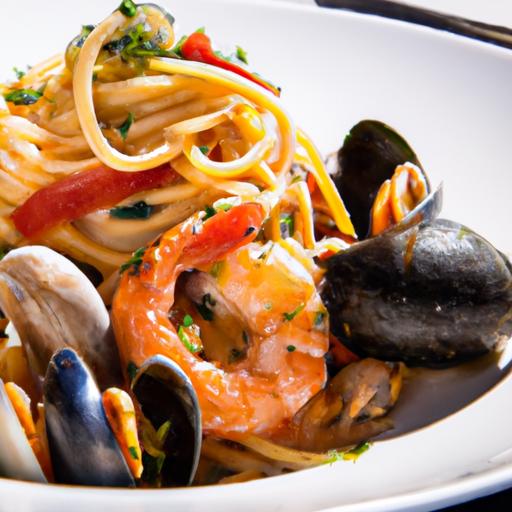

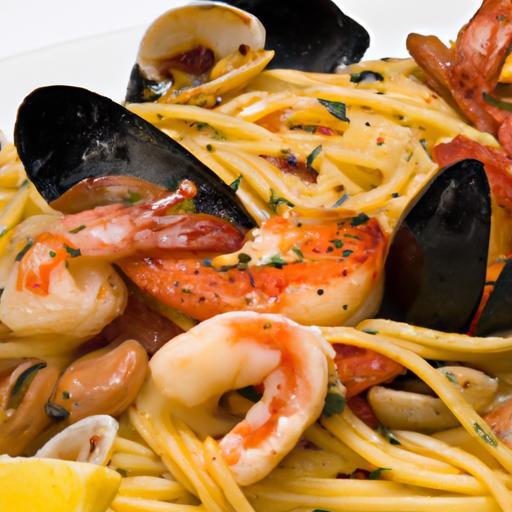
few dishes capture the essence of Italy’s coastal charm quite like Frutti di Mare-a vibrant celebration of the sea’s bounty served up in a single, sumptuous bowl. This mixed seafood pasta marvel isn’t just a meal; it’s a sensory journey that whisks diners away to sun-drenched shores, where the briny aroma of fresh shellfish mingles with the rustic warmth of garlic and tomatoes.From tender clams and juicy mussels to succulent shrimp and squid, each ingredient plays its part in a harmonious culinary symphony. In this article, we dive deep into the origins, regional variations, and timeless appeal of Frutti di Mare, shining a light on what makes this Italian classic a beloved staple both at family tables and Michelin-starred restaurants alike. Prepare to savor history, culture, and flavor all intertwined in one unforgettable plate.
Frutti di Mare captures the essence of Italy’s coastal bounty,an enchanting medley of fresh seafood melding harmoniously with silky pasta and fragrant herbs. This vibrant dish roots itself in the Mediterranean tradition where every forkful tells a story of bustling fish markets,sun-kissed shores,and family tables brimming with warmth. Growing up in a seaside town,I recall the irresistible aroma wafting from my Nonna’s kitchen as she lovingly combined mussels,clams,shrimp,and squid into one exquisite plate-each ingredient carefully chosen to celebrate freshness and simplicity.
Prep and Cook Time
- Preparation: 20 minutes
- Cooking: 25 minutes
- Total Time: 45 minutes
yield
4 generous servings
Difficulty Level
Medium – Ideal for adventurous cooks who love working with fresh seafood and layering flavors.
Ingredients
- 400g linguine or spaghetti, preferably artisanal
- 250g fresh mussels, cleaned thoroughly
- 250g clams, scrubbed
- 200g large shrimp, peeled and deveined
- 150g squid rings, rinsed
- 4 garlic cloves, thinly sliced
- 1 small red chili, deseeded and finely chopped (optional)
- 200ml dry white wine
- 400g canned San Marzano tomatoes, crushed
- 4 tbsp extra virgin olive oil
- Fresh parsley, chopped, for garnish
- Salt and freshly ground black pepper, to taste
- Juice of 1 lemon
Instructions
- Prepare the seafood: Rinse all seafood under cold water. Discard any broken or open shells of mussels and clams that don’t close when tapped.
- Cook the pasta: bring a large pot of salted water to a boil.Cook linguine until al dente, about 8-9 minutes. Reserve 1 cup pasta water before draining.
- Sauté aromatics: In a large deep skillet, heat olive oil over medium heat. Add sliced garlic and chili, sauté until fragrant and golden, about 2 minutes-avoid burning.
- Steaming seafood: Add mussels and clams to the skillet, pour in white wine, and cover with a lid. Steam for 5-7 minutes until shells open up. Remove seafood and set aside; discard those that refuse to open.
- Build the sauce: Add squid rings to the skillet, cook for 2 minutes. Stir in crushed tomatoes, season with salt and pepper.Simmer uncovered for 8 minutes to reduce slightly.
- Add shrimp and steamed shellfish: Return mussels, clams, and shrimp to the pan, cooking gently until shrimp turn pink, around 3-4 minutes.
- combine pasta and sauce: Toss drained pasta directly into the skillet. If needed,add reserved pasta water 2 tbsp at a time to loosen the sauce to a glossy coating consistency.
- Final touches: Squeeze in fresh lemon juice and sprinkle with chopped parsley. Adjust seasoning to taste, serve immediately for best freshness and texture.
Tips for Success
- always buy seafood from trusted fishmongers, smelling fresh and moist-not fishy or slimy.
- For an elevated umami boost, incorporate a splash of high-quality fish broth or clam juice as part of the simmering liquid.
- Use san Marzano tomatoes for their radiant acidity and balanced sweetness, building a vibrant sauce.
- If you prefer a lighter version, skip the tomatoes and replace with extra white wine and a hint of seafood stock.
- Prepare all seafood ingredients ahead to streamline the cooking; seafood cooks quickly and uneven cooking can toughen the texture.
Serving Suggestions
Plate your frutti di mare pasta in wide shallow bowls to showcase the colorful shellfish.Garnish with extra parsley and a few lemon wedges for diners to customize acidity. Serve alongside rustic crusty bread to soak up the luscious sauce and pair with a chilled glass of crisp Italian Vermentino or a Sauvignon blanc. For added flair, drizzle with a high-quality extra virgin olive oil just before serving to enrich its silky finish.

| Nutrient | Per Serving |
|---|---|
| Calories | 450 kcal |
| Protein | 40g |
| Carbohydrates | 50g |
| Fat | 10g |
For those craving a deeper dive, explore our article on Authentic Italian Seafood Recipes, which shares passionate insights into Italy’s coast-inspired culinary gems. For further seafood selection tips direct from Italy’s coastal experts, visit Fondazione Veronesi’s guide on choosing fresh seafood.
Q&A
Q&A: Frutti di Mare – A Dive into Italy’s Mixed Seafood Pasta Marvel
Q1: What exactly is Frutti di Mare?
A1: Frutti di mare,literally translating to “fruits of the sea,” is Italy’s briny,flavorful celebration of seafood served atop tender pasta. It’s a mixed seafood pasta dish that brings together an orchestra of ocean delights-think shrimp, clams, mussels, squid, and sometimes calamari-harmonized with garlic, olive oil, white wine, and fresh herbs. It’s the quintessential taste of Italy’s coastal bounty,plated.
Q2: Where did Frutti di Mare originate?
A2: While Frutti di Mare is beloved throughout Italy, it traces its roots to the coastal regions where fishing is a way of life-places like Liguria, Campania, and Venice. Each seaside area has its own spin, reflecting local seafood availability and culinary flare, but the core idea remains: a celebration of freshly caught seafood married with the rustic comfort of pasta.
Q3: How is Frutti di Mare different from other seafood pasta dishes?
A3: Unlike a simple shrimp scampi or a clam linguine, Frutti di Mare is a mixed seafood ensemble, a symphony of flavors and textures.It’s less about one dominant ingredient and more about the joyful interplay-a medley of the sea on your plate. Plus, it’s often prepared in a lightly sauced style that lets the seafood shine rather than overpower it.
Q4: What types of pasta are customary for Frutti di Mare?
A4: You’ll typically find Frutti di Mare served with long, thin pasta like spaghetti, linguine, or vermicelli. These shapes soak up the garlicky, wine-infused sauce beautifully and provide the perfect backdrop for the seafood stars. Sometimes, wider noodles like fettuccine are used, but the goal is always pasta that complements without overshadowing.
Q5: Can Frutti di Mare be made with frozen or non-traditional seafood?
A5: While fresh seafood is the gold standard and will elevate your Frutti di Mare to authentic heights, ambitious cooks can substitute good-quality frozen seafood in a pinch.Just be mindful to defrost properly and avoid overcooking.Non-traditional choices like scallops or even fish chunks can be added, but the magic is in variety and freshness.
Q6: What’s the secret to mastering the sauce for Frutti di Mare?
A6: The secret sauce isn’t really a heavy sauce at all-it’s a lightly simmered blend of extra virgin olive oil, garlic, crushed red pepper flakes, a splash of white wine, fresh parsley, and sometimes a hint of tomato or lemon zest. The trick is minimalism-letting each seafood piece impart its natural juices into the sauce creates a fragrant, briny harmony.Q7: How should Frutti di Mare be served and enjoyed?
A7: This dish shines best immediately off the stove-steaming, aromatic, and vibrant. Serve it with a crisp, dry white wine like Vermentino or Pinot Grigio and some crusty Italian bread to mop up every last drop. It’s perfect for sharing, evoking seaside dinners under Tuscan sun or Venetian moonlight.
Q8: Are there vegetarian versions of Frutti di Mare?
A8: Frutti di Mare’s essence lies in seafood, so a strictly vegetarian version would miss the “fruits of the sea.” However, plant-based diners sometimes enjoy pasta dishes featuring seaweed, mushrooms, and artichokes to mimic the oceanic flavors, but these aren’t technically Frutti di Mare.
Q9: Why is Frutti di mare considered a “marvel” of Italian cuisine?
A9: It’s the marriage of simplicity and complexity: a humble pasta dish transformed into a lavish feast with the freshness and diversity of the sea. Frutti di Mare celebrates both Italian culinary tradition and the ever-changing bounty of the ocean, making each meal a genuine marvel of flavor, texture, and cultural heritage.
Q10: How can one bring a bit of Italy to their own table with Frutti di Mare?
A10: Start with sourcing the freshest seafood possible, invest in good-quality pasta, and don’t be afraid to get your hands a little salty and garlicky. Cook with passion, keep the flavors bright and balanced, and savor every bite as if you were dining along Italy’s dazzling coastlines. Buon appetito!
To Conclude
As the last forkful of Frutti di Mare dances on your palate, your left not only with the lingering flavors of the sea but also with a profound recognition for a dish that epitomizes Italy’s coastal culinary heritage. This vibrant mosaic of fresh seafood, pasta, and aromatic herbs is more than just a meal-it’s a celebration of nature’s bounty and the timeless artistry of Italian cooking. Whether enjoyed in a bustling seaside trattoria or recreated in your own kitchen, frutti di Mare invites you to savor the essence of the Mediterranean in every bite.So next time you crave a taste of Italy’s maritime magic, let this mixed seafood marvel transport you to sun-dappled shores and the heart of Italian flavor. Buon appetito!