
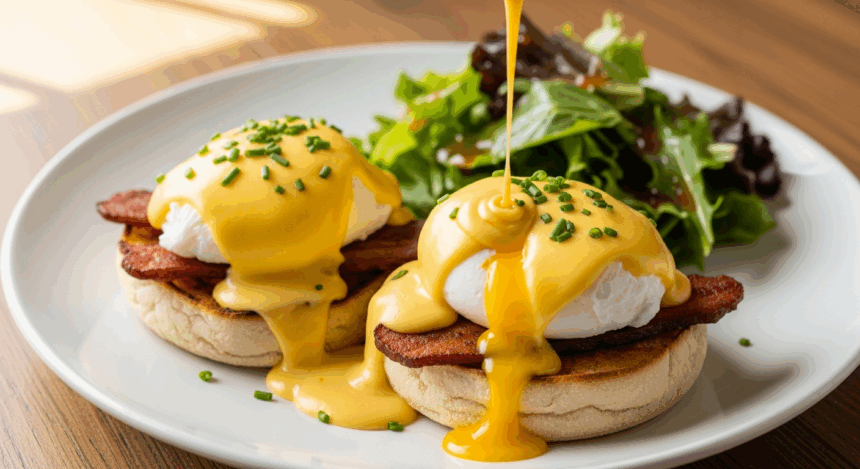
There’s something undeniably luxurious about the classic eggs Benedict-a delicate poached egg perched atop a toasted English muffin, draped wiht silky hollandaise sauce, and crowned with Canadian bacon. But what if this iconic brunch indulgence could be reinvented to celebrate plant-based goodness without sacrificing any of its indulgent charm? enter the world of vegan eggs Benedict: a vibrant, compassionate, and surprisingly simple twist on tradition that transforms familiar flavors into a colorful dance of textures and tastes. In this article, we’ll explore how to craft a plant-powered perfection that honors the spirit of the original while embracing the richness of nature’s bounty, proving that indulgence and plant-based living can harmonize beautifully on one plate.
Plant-Powered Perfection begins with understanding how to select the ideal egg alternatives that bring texture, flavor, and that iconic Benedict mouthfeel to your vegan brunch. Embracing plant-based eggs not only honors classic culinary tradition but also invites creative freedom to craft a dish that’s as nourishing as it is visually stunning.
Prep and Cook Time
Planning: 20 minutes | Cook Time: 30 minutes | Total Time: 50 minutes
Yield
Serves 4 generously
Difficulty Level
Medium
Ingredients
- For the Plant-based Eggs:
- 1 block (14 oz) extra-firm tofu, pressed and drained
- 2 tbsp nutritional yeast
- 1 tbsp black salt (kala namak) for that sulfurous eggy flavor
- 1 tsp turmeric powder for color
- 1/2 tsp garlic powder
- Salt and pepper, to taste
- 2 tbsp olive oil, divided
- For the Creamy Vegan Hollandaise Sauce:
- 1/2 cup raw cashews, soaked for 2 hours
- 1/4 cup unsweetened plant-based milk (almond or oat works well)
- 3 tbsp fresh lemon juice
- 2 tbsp nutritional yeast
- 1 tbsp Dijon mustard
- 1 tsp maple syrup
- 1/4 tsp turmeric powder (for vibrant color)
- Salt and white pepper, to taste
- For the Fluffy English Muffins:
- 2 cups all-purpose flour, sifted
- 1 tbsp baking powder
- 1 tsp sugar
- 1/2 tsp salt
- 3/4 cup unsweetened plant-based milk
- 2 tbsp vegan butter, melted
- Creative Toppings and Garnishes:
- Fresh chopped chives and dill
- Thinly sliced radishes
- Microgreens or arugula
- Smoked paprika or cracked black pepper
- Avocado slices
Instructions
- Prepare the Plant-Based Eggs: Crumble the pressed tofu into bite-sized chunks. In a bowl, toss with nutritional yeast, turmeric, black salt, garlic powder, salt, and pepper until evenly coated.
- Heat 1 tbsp olive oil in a non-stick skillet over medium heat. Add the tofu and sauté for 7-8 minutes, stirring occasionally, until golden and slightly crispy on edges. Remove and set aside.
- make the Vegan Hollandaise Sauce: Drain soaked cashews and add them to a high-speed blender along with plant-based milk,lemon juice,nutritional yeast,Dijon mustard,maple syrup,turmeric,salt,and white pepper. Blend until wholly smooth and creamy, adding more milk if necessary to reach a velvety sauce consistency.
- Warm the sauce gently in a small saucepan over low heat, whisking continuously to prevent separation. Keep warm until ready to assemble.
- Creamy English Muffins: Preheat a skillet over medium-low heat. In a large bowl, combine flour, baking powder, sugar, and salt. Gradually mix in plant-based milk and melted vegan butter until a soft dough forms.Knead gently 5 times on a floured surface, then divide into 6 equal rounds.
- Cook the muffins on the skillet for 4 minutes per side or until golden brown and cooked through.They should puff up beautifully,creating perfect pockets for toppings.
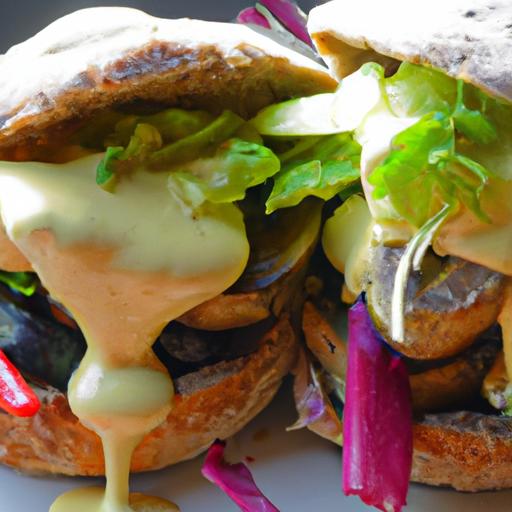
- Assembly: Slice English muffins in half horizontally. Layer tofu eggs generously, then drizzle with creamy hollandaise. Garnish with chopped chives,dill,radishes,avocado slices,and a pinch of smoked paprika for an elegant finish.
Tips for Success
- Choosing the Right Tofu: Extra-firm tofu offers the best texture for scrambling and layering. Press well to remove excess water for a firmer bite.
- Black Salt: This key ingredient adds that signature ‘eggy’ aroma, but use sparingly to avoid overpowering the dish.
- Vegan Hollandaise Consistency: If to thick after blending, add plant milk 1 tablespoon at a time. If thin, simmer gently to reduce.
- English Muffin Variations: For a gluten-free option, try a blend of oat and almond flour with added xanthan gum.
- Make-Ahead: Prepare hollandaise sauce and tofu scramble the night before. Reheat gently, stir, and assemble fresh muffins on the day of serving.
Serving Suggestions
Present your dish on warm plates that enhance its vibrant colors. Pair plant-based eggs Benedict with lightly toasted asparagus spears or a crisp green salad dressed in citrus vinaigrette. For an elevated brunch experience, serve alongside freshly brewed coffee or herbal floral teas. The garnish of fresh herbs and microgreens adds a layer of freshness and visual flair, instantly transforming your plate into edible art.

| Nutrient | Per Serving |
|---|---|
| calories | 370 kcal |
| Protein | 18 g |
| Carbohydrates | 35 g |
| Fat | 15 g |
| Fiber | 6 g |
For additional inspiration on plant-based brunch options, check out our Vegan brunch favorites. To learn more about the nutritional benefits of black salt, visit this extensive Healthline guide.
Q&A
Q&A: Plant-Powered Perfection - Crafting Vegan eggs Benedict
Q1: What inspired the creation of a vegan version of Eggs Benedict?
A1: Conventional Eggs Benedict is a brunch classic beloved for its rich hollandaise sauce, perfectly poached eggs, and toasted English muffins.However, for those embracing plant-based lifestyles or seeking healthier alternatives, replicating this dish without eggs or dairy posed a appetizing challenge. The inspiration was to honor the essence of the original-creamy, savory, and satisfying-while reimagining it entirely through plants, proving that indulgence and compassion can coexist on a plate.
Q2: How do you replace poached eggs in a vegan Eggs Benedict?
A2: The egg’s unique texture and flavor are key, so the vegan choice often involves creative plant-based ingredients. Silken tofu or softly steamed chickpea flour “tofu eggs” make excellent bases; they offer a similar delicate firmness and can be seasoned to mimic that subtle umami taste.Some recipes use avocado slices or artfully crafted vegan egg substitutes available on the market. The goal is a tender, protein-rich centerpiece that holds the hollandaise sauce just right.
Q3: What’s the secret to a luscious vegan hollandaise sauce?
A3: Traditional hollandaise uses egg yolks and butter, so the vegan version turns to rich, creamy plant-based ingredients like cashews, vegan butter, and nutritional yeast. Cashews soaked and blended with lemon juice and a dash of Dijon mustard create a silky, tangy base. The addition of kala namak (black salt) imparts an eggy flavor, making the sauce marvelously convincing. The key is patience-slowly warming and whisking the sauce ensures that perfect velvety texture.
Q4: Can the classic English muffin be substituted?
A4: Absolutely! While traditional English muffins work wonderfully, many prefer whole grain or gluten-free options to cater to dietary needs. Rustic sourdough slices or lightly toasted plantain bread can add exciting textures and flavors, making the dish even more vibrant and inclusive. The bread acts as the humble throne, holding together the layers and soaking up all those luscious juices.
Q5: How do you balance flavors to keep the dish elegant yet bursting with character?
A5: Layering is essential. Each component should harmonize but also stand out. The tangy hollandaise contrasts beautifully with the earthiness of sautéed spinach or smoky tempeh bacon, if included.Fresh herbs like chives or dill add brightness, while a sprinkle of cracked black pepper or smoked paprika can introduce a subtle kick. The balance lies in building complexity without overwhelming the palate-every bite is an orchestration of textures and tastes.
Q6: Is vegan Eggs Benedict suitable for special occasions?
A6: Absolutely! This dish elevates any brunch or party. Its artistry and richness make it perfect for impressing guests or treating yourself. Plus, it aligns beautifully with conscious eating trends: plant-based, cruelty-free, and frequently enough easier on digestion. Whether for Mother’s Day, a holiday feast, or a leisurely weekend, vegan Eggs Benedict brings elegance and innovation to the table.
Q7: What tips would you give to someone attempting vegan eggs Benedict for the first time?
A7: Start by preparing each component separately-perfect the tofu “eggs,” hollandaise, and bread-before assembling. Taste and adjust seasoning at every step; those small tweaks make a big difference. Take your time with the hollandaise; it’s the soul of the dish. Lastly, don’t be afraid to get creative-adding sautéed mushrooms, tomato slices, or fresh greens can personalize your masterpiece.Most importantly, enjoy the process of transforming a classic into a plant-powered work of art!
Plant-powered perfection is within reach. With a little imagination and the right ingredients, vegan Eggs Benedict becomes not just a meal but a celebration of flavor, compassion, and culinary creativity.
closing Remarks
As we wrap up this plant-powered journey to crafting the perfect vegan Eggs Benedict, it’s clear that innovation and tradition can deliciously coexist. By embracing nature’s bounty and a bit of culinary creativity, you can enjoy a brunch classic that’s kinder to the planet and just as satisfying on the plate. whether you’re a seasoned vegan or simply egg-curious, this recipe invites you to savor every creamy, tangy, and savory bite – without compromise. So go ahead,elevate your brunch game and let your taste buds celebrate a new kind of perfection,one plant-based forkful at a time.