
In teh heart of Indian cuisine lies a dish that effortlessly marries comfort with indulgence-Dal Makhani. this sumptuous medley of slow-cooked black lentils and creamy butter has enchanted taste buds for generations, embodying a rich tapestry of flavor and heritage.More than just a staple on restaurant menus, Dal Makhani tells a story of tradition, patience, and culinary artistry, where humble ingredients transform into a velvety feast. Join us as we delve into the magic behind this iconic dish, exploring it’s luscious textures, bold spices, and the historical roots that have made Dal Makhani a beloved classic on tables around the world.Dal Makhani Magic
The Secret to Its Creamy Texture and Bold Flavor Profile
Dal Makhani Magic shines brightest through its luxuriously creamy texture paired with an intensely earthy and smoky flavor that North Indian kitchens have cherished for generations. What sets this dish apart is the slow, loving simmering of whole black gram lentils (urad dal) and kidney beans (rajma), which meld with rich butter, cream, and a symphony of highly aromatic spices.Dal Makhani Magic
The secret lies not just in the ingredients,but in the artful technique of cooking patiently over low heat,allowing the lentils to break down and absorb every nuance of spice and richness. The use of kasuri methi (dried fenugreek leaves) and a tempering of cumin and garam masala create layers of bold complexity, while fresh ginger and garlic provide a subtle bite.Dal Makhani Magic
Essential ingredients and Techniques for Authentic Dal Makhani
- Whole black gram lentils (urad dal) – soaked overnight for creaminess
- Red kidney beans (rajma) – add rustic heartiness
- Ghee and butter – create the signature silky mouthfeel
- Fresh cream – enriches and balances the spices
- Tomato puree – provides sweetness and tang
- Garlic, ginger, and green chili – foundational aromatics
- Kasuri methi and garam masala – unlock deep, authentic flavors
- Slow simmering – the key to luscious consistency
Perfecting dal makhani requires patience and careful layering of flavors. Start by soaking your lentils thoroughly, which ensures softness and smoothness.Dal Makhani Magic Cook the lentils and beans until tender, then slowly build your gravy with tempered spices and tomato. Finish with a generous swirl of cream and butter, stirring until the dish glows with a velvety sheen.Dal Makhani Magic
Prep and Cook Time
- Prep Time: 15 minutes + overnight soaking
- Cook Time: 90 minutes (slow simmering)
Yield
Serves 4-5 hearty portions
Difficulty level
Medium – requires attention but well within reach for eager home cooks
Ingredients
- 1 cup whole black gram lentils (urad dal), soaked overnight
- ¼ cup red kidney beans (rajma), soaked overnight
- 4 cups water
- 3 tbsp ghee or unsalted butter
- 1 large onion, finely chopped
- 1 tbsp ginger-garlic paste
- 2 medium tomatoes, pureed
- 2 green chilies, slit
- 1 tsp cumin seeds
- 1 tsp red chili powder
- 1 tsp garam masala
- 1 tsp coriander powder
- 2 tbsp fresh cream
- 1 tbsp kasuri methi (dried fenugreek leaves), crushed
- Salt to taste
- Fresh coriander leaves for garnish
Instructions
- Drain the soaked lentils and kidney beans. Rinse and place into a large pressure cooker with 4 cups of water and a pinch of salt. Cook on medium heat until soft and tender (about 20-25 minutes or 4-5 whistles). Alternately, simmer in a heavy pot for 60-75 minutes.
- Heat ghee or butter in a heavy-bottomed pan over medium heat. add cumin seeds and let them splutter.Dal Makhani Magic
- Add finely chopped onions, sauté until golden brown-this usually takes about 5-7 minutes.Stir occasionally to prevent sticking and uneven browning.
- Mix in ginger-garlic paste and green chilies, cook until fragrant (about 2 minutes).Dal Makhani Magic
- Pour in the tomato puree,add red chili powder,coriander powder,and salt. Cook the masala on medium-low heat, stirring often, until the oil separates and the tomato mixture turns thick and glossy (about 10 minutes).Dal Makhani Magic
- Add the cooked lentils and beans along with their cooking liquid. Stir well to combine and bring to a gentle simmer.
- Reduce heat to low and slow-cook uncovered for 45-60 minutes, stirring occasionally. This slow simmer is crucial for developing that signature richness and creamy texture.Dal Makhani Magic
- Crush kasuri methi between your palms and add to the dal, followed by garam masala and fresh cream.
- Simmer for another 5 minutes, stirring to blend flavors while allowing the cream to thicken the gravy.Dal Makhani Magic
- Adjust salt and spice levels as needed. Garnish with freshly chopped coriander leaves and an extra pat of butter, if desired.
Tips for Success
- For the creamiest dal makhani, soak the lentils and beans overnight. This softens them and reduces cooking time dramatically.Dal Makhani Magic
- A pressure cooker is your best freind, but slow cooking in a heavy pan with frequent stirring is an authentic way to coax deeper flavors.Dal Makhani Magic
- Don’t rush the tomato masala; cooking it until oil separates intensifies sweetness and complexity.
- Add cream at the end to maintain its fresh silkiness-overcooking cream can cause curdling.
- Kasuri methi is a magical ingredient-be generous but avoid overpowering. Crush it before adding for best aroma.
- Make dal makhani a day ahead-its flavor improves wonderfully after resting overnight in the fridge.Dal Makhani Magic
Serving Suggestions
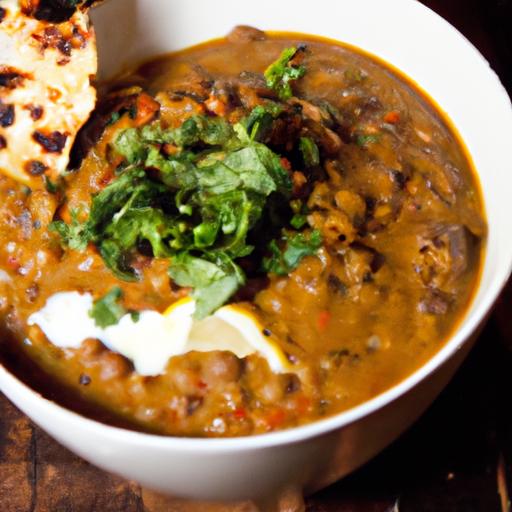
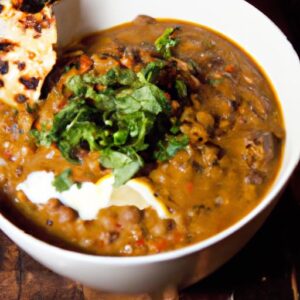
This dish is a showstopper when served steaming hot with a dollop of butter on top.Pair it with soft naan, tandoori roti, or fragrant basmati rice.Dal Makhani Magic
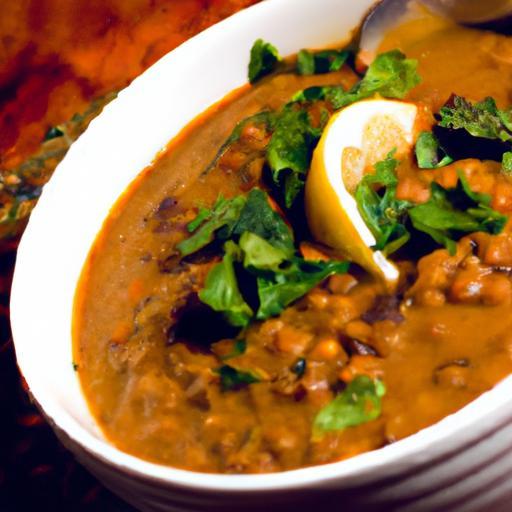
For a splash of color and freshness, garnish with finely chopped fresh coriander, a drizzle of cream, and a wedge of lemon on the side to brighten the palate. Accompany with a side of tangy onion salad or cucumber raita for a balanced meal.Dal Makhani Magic

| Nutrient | Per Serving |
|---|---|
| Calories | 350 kcal |
| Protein | 18 g |
| Carbohydrates | 45 g |
| Fat | 12 g |
To explore more classic North Indian delights that pair beautifully with Dal Makhani magic, check out our North Indian Curries recipe guide. For an in-depth look into lentils’ nutritional benefits,visit The British Nutrition Foundation.Dal Makhani Magic
Q&A
Q&A: Dal Makhani Magic – Creamy Lentils Rich in Flavor and History
Q1: What makes Dal Makhani so special among lentil dishes?
A1: Dal Makhani stands out as of its luscious creaminess and deeply layered flavors. Unlike many lentil dishes, it’s slow-cooked for hours, allowing whole black urad lentils and kidney beans to meld together with butter, cream, and a symphony of spices. This painstaking process transforms humble pulses into a velvety, rich feast that’s comfort in every bite.Dal Makhani Magic
Q2: Where does Dal Makhani come from?
A2: Dal Makhani hails from the Punjab region of India and Pakistan, where dairy-rich, hearty dishes thrive. it was popularized in the mid-20th century but draws on centuries-old cooking traditions. Its name-‘Makhani’ meaning buttery-captures its essence perfectly, reflecting the indulgent, slow-cooked magic that defines this dish.Dal Makhani Magic
Q3: What ingredients give Dal Makhani its signature taste?
A3: The star ingredients are whole black urad dal (black gram lentils) and rajma (kidney beans), simmered in a base of tomatoes, garlic, ginger, and a blend of aromatic spices like cumin, garam masala, and red chili powder. But what truly defines its silky texture and richness is generous dollops of butter and cream added near the end of cooking.Dal Makhani Magic
Q4: Why does Dal Makhani require so much cooking time?
A4: The long, slow simmering-often 8 hours or more-is more than tradition; it’s chemistry. This extended cooking softens the tough skin of whole lentils and beans, allowing them to burst with flavor and release starch, thickening the gravy naturally. The result is an irresistibly creamy, hearty dish that speeds of modern cooking can’t replicate.Dal Makhani Magic
Q5: Can Dal Makhani be made healthy without losing its essence?
A5: Absolutely! While traditional Dal Makhani is indulgent, you can balance health and taste by using less butter and cream or substituting cream with cashew paste for richness. Incorporating fresh tomatoes and using pressure cooking to retain nutrients also helps. The lentils themselves are a powerhouse of protein and fiber,making Dal makhani a nutritious choice.Dal Makhani Magic
Q6: How is Dal Makhani traditionally served?
A6: Dal Makhani is a beloved centerpiece of Punjabi meals, traditionally served piping hot with soft butter naan, steamed basmati rice, or tandoori roti. It’s often garnished with a swirl of cream and a sprinkle of fresh coriander, adding freshness to its creamy warmth. It’s perfect for celebrations or cozy family dinners.Q7: What makes Dal Makhani a symbol of cultural heritage?
A7: Beyond its rich taste and texture, Dal Makhani embodies the spirit of Punjabi hospitality and culinary artistry. It represents patience, care, and the joy of sharing. Passed down through generations, it connects people to their roots, reminding us how food can be both nourishment and storytelling.Dal Makhani Magic
Q8: How can a home cook recreate the ‘magic’ of Dal Makhani?
A8: Patience is key! Start with quality whole black lentils and kidney beans, soak them overnight, and don’t rush the simmering process. Use fresh, fragrant spices and finish with real butter and cream for authentic richness. A heavy-bottomed pan or slow cooker helps maintain even heat,coaxing out those deep flavors and silky textures that make Dal Makhani truly magical.Dal Makhani Magic
To Conclude
As the velvety embrace of Dal Makhani graces your palate, you’re not just savoring a dish-you’re tasting centuries of tradition simmered to perfection. This creamy medley of lentils and spices carries the stories of ancient kitchens, royal tables, and humble homes alike. Whether enjoyed with a fragrant naan or steaming basmati rice, Dal Makhani is more than a meal; it’s a flavorful journey through history that continues to warm hearts and bring people together. So next time you dish up a bowl of this iconic comfort food, remember: you’re partaking in a timeless magic that celebrates both heritage and the art of cooking.Dal Makhani Magic