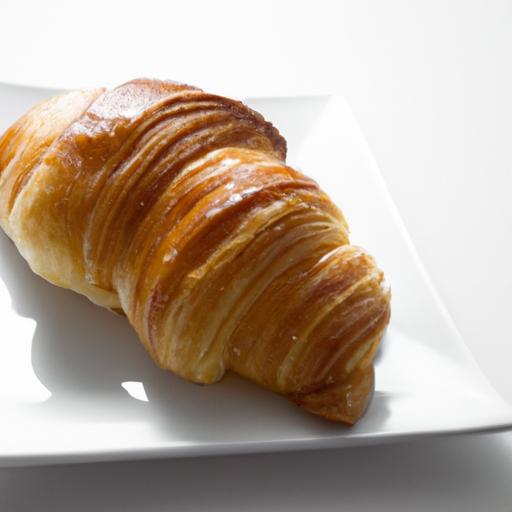

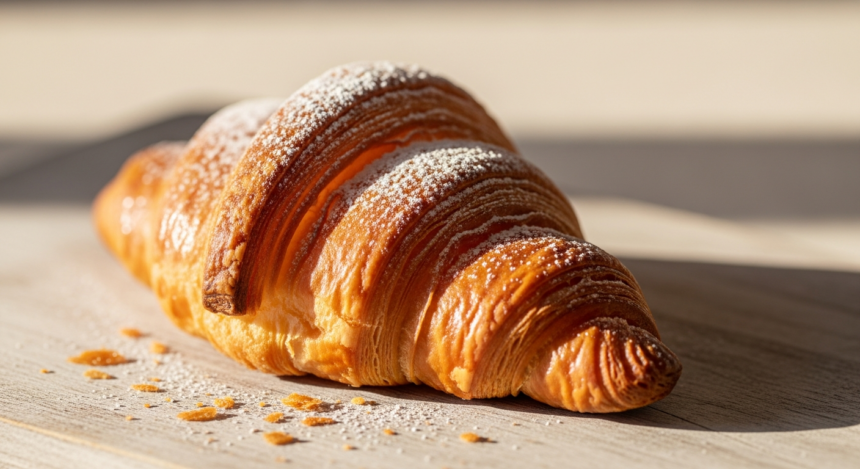
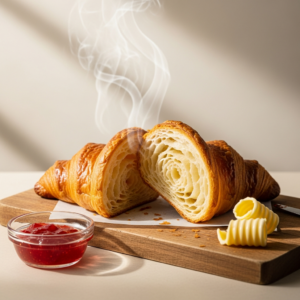
 Ther’s a certain magic in the delicate layers of a perfectly baked croissant-the crisp, golden crust giving way to a tender, buttery interior that melts effortlessly on the tongue. Achieving this flaky perfection is both an art and a science, a dance between precise technique and patience. In “Flaky Perfection: Mastering the Ultimate Croissant Recipe,” we’ll unravel the secrets behind this beloved French pastry, guiding you step-by-step through the process of creating croissants that rival those of any Parisian boulangerie. Whether you’re a seasoned baker or a curious novice,prepare to embark on a journey that transforms simple ingredients into a symphony of texture and flavor,unlocking the timeless joy of baking the ultimate croissant.
Flaky perfection begins with appreciating the delicate balance of butter, flour, and technique that transforms simple ingredients into layers of buttery goodness. Crafting the ultimate croissant isn’t just baking-it’s mastering a centuries-old art where science meets patience, resulting in a masterpiece with every flaky, golden bite.
Prep and Cook Time
preparation: 4 hours (including resting and chilling)
Active hands-on time: 1 hour 15 minutes
Baking time: 15-20 minutes
Total time: Approximately 5 hours
Yield
Makes 12 classic-sized croissants
Difficulty Level
Advanced: Patience and precision are key for achieving flawless dough lamination and flaky layers.
Ingredients
- 4 cups all-purpose flour, sifted
- 1/2 cup whole milk, cold
- 1/2 cup water, cold
- 1/4 cup granulated sugar
- 2 teaspoons fine sea salt
- 2 teaspoons active dry yeast
- 3/4 cup unsalted butter, chilled and cut into flat slabs
- 1 large egg (for egg wash)
Understanding the Science Behind Flaky Layers
Creating those irresistible flaky layers hinges on the principle of dough lamination-alternating thin sheets of dough with cold butter to trap air and steam during baking. When heat hits, the butter melts, creating pockets that lift and separate these layers, producing the iconic lofty texture. Using cold ingredients especially keeps the butter solid enough to maintain distinct layers before baking.
Quality butter is your unsung hero-it must have a high fat content (82% or more) and minimal water for maximum flakiness. Simultaneously occurring, choosing lower-protein flour provides tenderness so your croissants don’t turn chewy but rather crumble with an elegant crispness. Yeast fermentation gently aerates the dough, adding subtle flavor complexity while ensuring a light crumb.
Selecting the Finest Ingredients for Authentic flavor
Opt for European-style unsalted butter, known for its rich, creamy texture and vibrant yellow color. It lends a beautiful mouthfeel and depth to every flaky layer. Fresh yeast or high-quality instant yeast ensures a natural rise without overpowering sourness. Cold whole milk helps enrich the dough with fats and natural sugars, enhancing caramelization during baking.
Season thoughtfully-refine your dough with just the right amount of sugar to balance subtle sweetness without compromising the buttery richness. Finely sifted flour prevents lumps and encourages even gluten development. Together, these choices create a croissant that’s fragrant, buttery, and decadently authentic.
Step by Step Techniques to Achieve Perfect Dough lamination
- Activate the yeast: In a small bowl, dissolve 2 teaspoons of yeast and 1 teaspoon of sugar in cold water and milk. Let sit for 5-7 minutes until frothy.
- Mix the dough: In a large bowl, combine sifted flour, sugar, and salt. Gradually add the liquid mixture and knead until a smooth but firm dough forms-about 8 minutes by hand or 5 minutes with a stand mixer.
- First chill: Wrap dough tightly and refrigerate for 1 hour to relax gluten and cool.
- Prepare butter block: Shape cold butter between parchment paper into a perfect square,about 7 inches on each side. Chill until firm but pliable.
- Laminate: roll dough into a 10×10 inch square on a lightly floured surface.Place the butter block square in the center and fold dough edges over it, sealing wholly.
- First turn: Roll the dough into a long rectangle about 20 inches by 8 inches. Fold into thirds (a book fold). Chill 30 minutes.
- Second and third turns: Repeat the rolling and folding process two more times, chilling between each turn. This process creates the signature flaky layers.
- Shape croissants: Roll out dough to a 20×10 inch rectangle. Cut long triangles (about 5 inches wide at base). Roll each from base to tip, gently stretching the dough as you roll to create tension.
- Proofing: Place shaped croissants on parchment-lined baking sheets. Proof at room temperature (about 75°F) for 2 hours until nearly doubled in size.
- Egg wash and bake: Brush croissants with an egg wash (1 egg beaten with 1 tablespoon water). Bake in a preheated 400°F oven for 15-20 minutes or until golden and puffed.
Troubleshooting Common Croissant Challenges for Consistent Results
Issue: Croissants are dense and heavy. Fix: Ensure yeast is fresh and active; don’t skip resting times in chilling steps. Overworked dough can overdevelop gluten-stop kneading as soon as the dough is smooth.
Issue: Butter leaks out during baking.Fix: Always keep your butter and dough cold. If your kitchen is warm, chill dough between turns longer. Incorrect folding or uneven butter thickness causes seepage-always keep your butter block even and sealed inside the dough.
Issue: Croissants spread flat in the oven. Fix: Proper proofing is critical-proof to the point of gentle doubling but not overproofed. Also, scoring the base of each croissant slightly before rolling helps control shape.
Issue: Croissants lack flakiness. Fix: Focus on turning the dough exactly three times to build layers. Use high-fat european butter and avoid using too much flour when rolling.
Chef’s Notes & Tips for Success
- Make Ahead: Croissants can be shaped and frozen before proofing. thaw in the fridge overnight, then proof and bake as usual for fresh results.
- Ingredient Substitutions: For a richer flavor, replace half the milk with heavy cream. Avoid margarine or low-fat butter as they lack the fat content for lamination.
- flavor variations: Add almond paste or chocolate inside for pain au chocolat. Brush with simple syrup post-bake for a glossy, sweet crust.
- Temperature Control: Keep all ingredients cold, especially during summer, to prevent butter melting prematurely.
Serving Suggestions
Present croissants warm from the oven with a pat of whipped butter or a smear of homemade raspberry preserves. Garnish plates with fresh mint or powdered sugar for an inviting finish. Pair with a robust cup of espresso or a velvety latte to enhance the buttery richness. For an indulgent brunch, serve alongside smoked salmon, cream cheese, and capers for a French-inspired treat.

| Nutrient | Per Croissant |
|---|---|
| Calories | 280 kcal |
| Protein | 6 g |
| Carbohydrates | 28 g |
| Fat | 15 g |
For a deeper dive into the chemistry of lamination, visit the Exploratorium’s science of bread layering. Also,explore related baking techniques in our Artisan Pastry Dough Tips article to elevate your patisserie skills even further.
Q&A
Q&A: Flaky Perfection – Mastering the Ultimate Croissant Recipe
Q1: What’s the secret behind a truly flaky croissant?
A: The magic lies in the butter and the folding technique. Layers of cold, high-quality butter folded meticulously into soft dough create those iconic, delicate sheets. The key is to keep everything chilled and to handle the dough gently-warm butter or overworked dough will turn your croissants chewy, not flaky.Q2: How significant is the type of butter used?
A: Extremely critically important! european-style butter, with its higher fat content and rich, creamy flavor, gives croissants that irresistible taste and tenderness. The butter should also be cold but pliable enough to laminate perfectly without breaking through the dough.
Q3: Can I make croissants without a rolling pin or special tools?
A: Absolutely! While a rolling pin helps achieve even layers, you can also use a clean wine bottle or any smooth cylindrical object. Patience and technique are far more crucial than fancy tools-remember, croissant making is an art that thrives on care and rhythm.Q4: Why do croissants need to rest between folds?
A: Resting is essential to keep the butter cold and the gluten relaxed. When the dough warms up, the butter softens and can seep out, ruining that perfect layering. Rest periods in the fridge allow the dough to chill, making the next fold and roll smooth and triumphant.
Q5: How long does it take to make croissants from start to finish?
A: Good things take time-expect about 24 to 36 hours,including chilling and proofing.While the hands-on prep might be just a few hours, the resting and rising stages are crucial for flavor and texture development. Planning ahead is part of the mastery!
Q6: What’s the best way to proof croissants?
A: Keep them in a warm (around 75°F/24°C), humid environment away from direct sunlight. proofing lets the yeast work its magic, producing that airy rise and tender crumb.A slightly warm oven with a pan of hot water below can create the perfect atmosphere.
Q7: How can I tell when my croissants are perfectly baked?
A: Look for a deep golden-brown crust that crackles lightly when touched, with unmistakable layers visible at the ends. When you tap the bottom, it should sound hollow. and, of course, that heavenly buttery aroma is your ultimate alarm.
Q8: Any tips for adding twists to classic croissants?
A: Go beyond butter! try almond paste for frangipane croissants, sprinkle chocolate inside for pain au chocolat, or brush the baked croissants with a honey glaze. But always respect the dough’s integrity-additions should enhance, not overpower.
Q9: Can croissants be frozen?
A: Yes! You can freeze shaped or baked croissants. For shaped ones, freeze on a tray first, then transfer them to a bag-bake straight from frozen, extending proofing time slightly. For baked croissants, reheat gently to bring back flakiness.
Q10: What common mistakes should I avoid?
A: Don’t rush the chilling stages; warmth is the enemy of flaky layers. Avoid using low-fat or warm butter, skipping folds, or baking at too low a temperature. Also, resist over-proofing-the dough should be puffed but not doubled. precision and patience make perfect croissants!
Future outlook
As you embark on your journey to croissant mastery, remember that patience and precision are your finest ingredients. Each fold and turn brings you closer to that golden, flaky perfection-a delicate balance of buttery layers that dance on the palate. With every batch, you’re not just baking pastries; you’re crafting edible art that tells a story of tradition, technique, and passion. So roll up your sleeves, embrace the process, and soon enough, your kitchen will be filled with the irresistible aroma of freshly baked croissants-a true testament to your dedication and the timeless joy of baking.