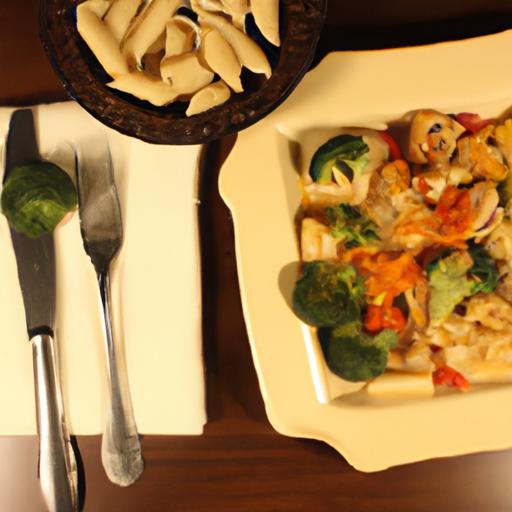

There’s something utterly magical about pasta-the way its tender strands or delicate shapes cradle rich sauces,transforming simple ingredients into a comforting masterpiece. While store-bought varieties can be convenient,nothing quite compares to the satisfaction of crafting perfect pasta from scratch. In this guide, we’ll embark on a culinary journey that demystifies the art of homemade pasta, breaking it down into easy, step-by-step instructions. Whether you’re a seasoned cook or a curious beginner, prepare to roll up your sleeves, unleash your creativity, and discover how simple ingredients can come together to create pasta that sings with freshness and flavour. Let’s turn your kitchen into an authentic Italian trattoria and master the craft of perfect pasta-one doughy strand at a time.
Crafting Perfect Pasta: A Step-by-Step Homemade Guide
Crafting perfect pasta at home brings an unmatched sense of accomplishment and flavor that elevates any meal.Rooted deeply in Italian tradition, homemade pasta transforms simple ingredients into a masterpiece of texture and taste. This guide will inspire you to embrace the art of fresh pasta, revealing secrets from selecting the ideal ingredients to mastering dough softness, shaping finesse, and flawless cooking methods.
Prep and Cook Time
- Preparation: 30 minutes
- Resting Dough: 30 minutes
- Cooking: 3-5 minutes
- Total time: approximately 1 hour 10 minutes
yield
Serves 4 hungry pasta lovers or 6 as a lighter course.
Difficulty Level
Medium – Ideal for home cooks ready to elevate their kitchen skills.
Ingredients
- 2 cups all-purpose flour, sifted
- 3 large egg yolks (for richness)
- 1 large whole egg
- 1 tbsp extra virgin olive oil
- 1 tsp fine sea salt
- 1-2 tbsp water, if needed, for dough consistency
Instructions
- Combine the dry ingredients: On a clean surface, mound the sifted flour and create a deep well in the center. Sprinkle the sea salt over the flour to evenly season your dough.
- Whisk the eggs and oil: In a small bowl, lightly beat the whole egg and yolks with the olive oil until uniform. pour slowly into the well in the flour.
- Incorporate flour gently: Using a fork, start pulling flour from the inner walls of the well into the eggs, mixing slowly to avoid cracks. Once combined to a shaggy dough, begin kneading with your hands.
- Knead to perfection: Knead vigorously for 8-10 minutes until the dough feels smooth, elastic, and slightly tacky but not sticky. Add water sparingly, only if the dough is too dry.
- Rest the dough: Wrap tightly in plastic wrap and allow it to rest at room temperature for 30 minutes. This step relaxes gluten for easier rolling and shaping.
- roll out the dough: Divide dough into 2 portions. On a lightly floured surface or pasta machine, roll each portion into thin sheets about 1/16-inch thick. For best results, start on the thickest setting and gradually thin.
- Shape your pasta: Choose your pasta shape-tagliatelle ribbons, ravioli pockets, or farfalle bows. Use a sharp knife or pasta cutter to trim edges cleanly. For stuffed varieties, spoon filling evenly and crimp edges securely to prevent leaks.
- Cook pasta to al dente: Bring a large pot of salted water to a rolling boil. Drop fresh pasta gently and stir to avoid sticking. Fresh pasta cooks quickly-usually 2 to 4 minutes. Taste frequently until you achieve tender bite.
- Drain and serve: Reserve some pasta water for sauce emulsification, then drain pasta using a slotted spoon or colander. combine immediately with your favorite sauce to lock in moisture and flavor.
Tips for Success When Crafting Perfect Pasta
- flour choice Matters: Opt for “00” flour or finely sifted all-purpose flour to achieve silky dough. High gluten flours can make pasta tough.
- Eggs Are Your Flavor Boost: Using more yolks adds richness and a golden hue.
- Kneading Is Key: Don’t rush this step; proper gluten development creates that chewier mouthfeel you crave.
- Rest Dough Undisturbed: This significantly improves rollability and prevents shrinkage during cooking.
- Work Quickly When Shaping: Fresh dough can dry out-cover sheets with a damp towel to keep pliable.
- Cooking Time Varies: Thinner pasta cooks faster; always taste test early to avoid mushiness.
- Make Ahead Tip: Dry formed pasta on a rack or parchment can be stored for up to 24 hours; fresh pasta freezes beautifully if laid flat in airtight containers.
Serving Suggestions
Celebrate your homemade pasta with classic pairings that complement its fresh texture. Toss wide ribbons like tagliatelle in a simple garlic and olive oil sauce with freshly shaved Parmesan and a sprinkle of cracked black pepper. For ravioli, pair with sage browned butter sauce and toasted pine nuts to add aromatic warmth and crunch.
Garnish plates with fresh basil leaves,edible flowers,or a dusting of lemon zest to add vibrant color and brighten each bite. A glass of chilled Pinot Grigio or light red Chianti will complete your authentic Italian experience beautifully.

| Nutrient | Per Serving |
|---|---|
| Calories | 280 kcal |
| Protein | 9 g |
| Carbohydrates | 42 g |
| Fat | 7 g |
Explore more Italian classics with our homemade gnocchi recipe and dive deeper into pasta craftsmanship.
For further guidance on flour types and pasta science, visit the king Arthur Baking Company’s pasta dough guide.
Q&A
Q&A: Crafting Perfect Pasta – A Step-by-Step Homemade Guide
Q1: Why shoudl I make pasta from scratch instead of buying it pre-made?
A1: Homemade pasta isn’t just food-it’s an experience. Crafting your own dough lets you control the ingredients, tweak the flavors, and enjoy a fresher, more tender texture that store-bought pasta simply can’t match. Plus, the art of rolling and shaping connects you to centuries of culinary tradition, making every bite more meaningful.
Q2: What basic ingredients do I need to start making pasta at home?
A2: Classic pasta begins with a simple trio: flour, eggs, and a pinch of salt. Many recipes call for “00” flour-a finely milled Italian variety perfect for silky dough-but all-purpose flour works in a pinch. From there, it’s just patience, a bit of elbow grease, and maybe a sprinkle of semolina for texture.
Q3: How do I know when my pasta dough is “just right”?
A3: The perfect pasta dough should be smooth, elastic, and slightly tacky-not sticky. When pressed, it should spring back gently. If it crumbles or cracks, it needs more moisture.If it sticks excessively, a dusting of flour will help. Kneading is key-think of it as coaxing the dough toward its “goldilocks” zone.
Q4: Can I make different pasta shapes at home easily?
A4: Absolutely! Start simple with ribbons like fettuccine or pappardelle, which only require rolling and cutting. Feeling adventurous? Try shaping orecchiette with your fingers or twisting cavatelli on a board. Homemade pasta invites creativity-each shape is a little edible sculpture you crafted by hand.
Q5: Should I dry my fresh pasta or cook it right away?
A5: Fresh pasta is a fleeting delight best enjoyed immediately after rolling and cutting. Cooking it fresh preserves its tender texture and rich flavor. however, if you want to save it, you can dry it on a rack for several hours and store it-though fresh always wins in taste and texture.
Q6: What’s the secret to cooking homemade pasta perfectly?
A6: Fresh pasta cooks in mere minutes-frequently enough 1 to 3, depending on thickness. Use plenty of salted boiling water, and taste frequently to catch that perfect al dente bite. Overcooking is the enemy; the goal is tender, with just a slight chew, to showcase your handiwork.
Q7: Any tips for pairing sauces with homemade pasta?
A7: Light, simple sauces let your pasta shine. Fresh tomato and basil, garlic and olive oil, or a buttery sage sauce complement delicate noodles. Denser shapes like rigatoni can hold up to hearty ragùs or creamy Alfredo.Remember, the pasta is the star-choose sauces that elevate, not overpower.
Q8: Can I infuse flavors into my pasta dough?
A8: Definitely! incorporate herbs, spinach puree, beet juice, or even squid ink into the dough for vibrant colors and subtle tastes. These natural infusions turn plain pasta into a canvas of flavor and artistry-perfect for impressing guests or brightening up weeknight dinners.
Q9: How do I store leftover pasta dough?
A9: Wrap the dough tightly in plastic wrap to prevent drying, then refrigerate for up to 2 days. For longer storage, freeze it in an airtight bag for up to a month. When ready, let it thaw and come to room temperature before rolling out to keep it pliable and tender.Q10: What’s the most rewarding part about making pasta at home?
A10: Beyond the tasty meal lies a sense of accomplishment-the joy of creating something from scratch with your own hands. Each step, from mixing to rolling to twirling your fork, connects you to a timeless craft. Homemade pasta is love made edible, and every bite tells your story.
In Summary
As you master the art of crafting perfect pasta,each strand becomes more than just food-it transforms into a festivity of tradition,patience,and love. From mixing the dough to the final boil,every step invites you to connect with a timeless culinary craft. So next time you roll out your homemade ribbons or shape delicate orecchiette, remember: perfection lies not just in technique, but in the joy of creating something truly your own. Embrace the process,savor the journey,and let your kitchen become a haven where pasta dreams come alive-one bite at a time.