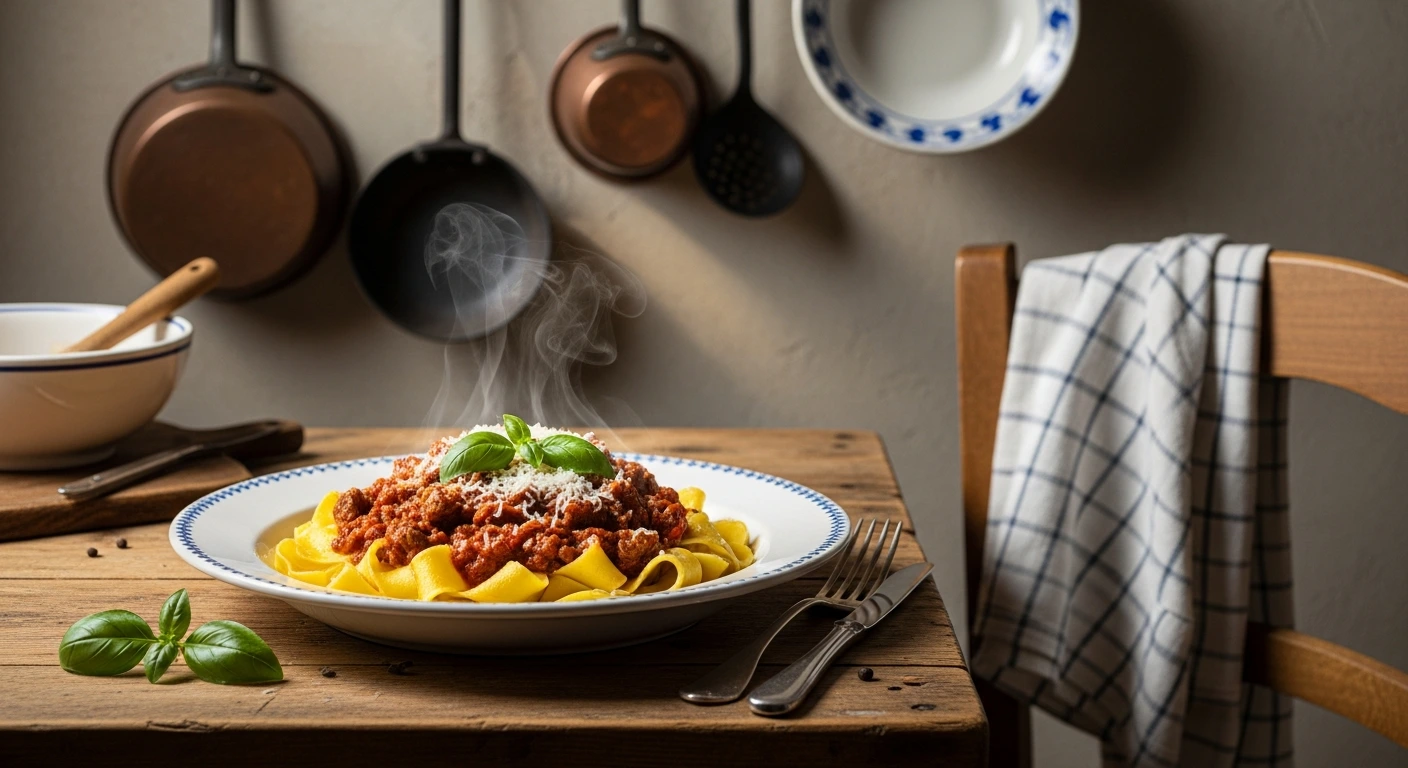

ThereS a certain magic in the way slow-cooked flavors meld together, transforming humble ingredients into a soul-satisfying feast. Enter classic beef ragu: a hearty, rich sauce that has traveled through generations and tables, carrying with it the warmth of tradition and the essence of Italian comfort food. When ladled generously over tender, ribbon-like pappardelle, this dish becomes a sublime experiance-each bite revealing layers of savory depth and silky pasta that melts in your mouth. In this article, we’ll explore the origins, the art of preparation, and the irresistible harmony of flavors that make beef ragu on pappardelle a timeless favorite worth savoring again and again.
Savor Classic Beef Ragu Served Over tender Pappardelle
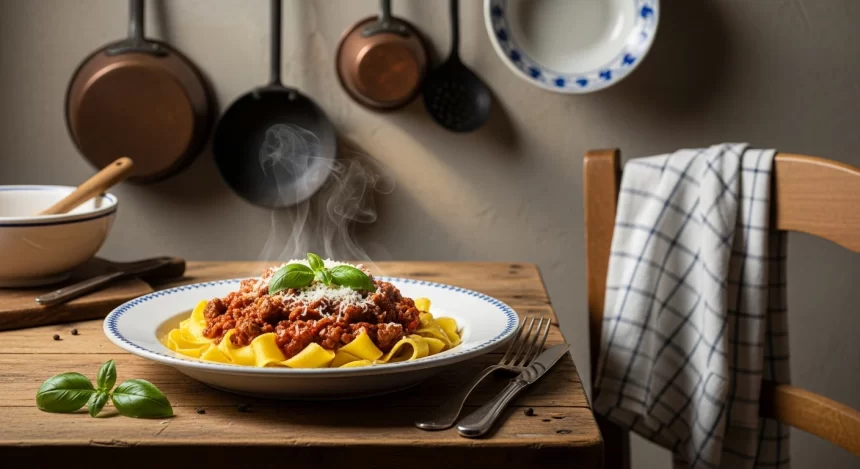
Savor classic beef ragu served over tender pappardelle,a timeless Italian favorite that effortlessly combines rustic tradition with rich,indulgent flavors. Originating from the heart of Tuscany, this dish has been a comforting staple in Italian households for centuries. The slow-simmered beef melds beautifully with a fragrant tomato base, and the wide ribbons of pappardelle perfectly cradle each savory bite.Whether you’re recreating a heartfelt family recipe or crafting your own culinary legacy, this dish invites you to savor every moment of cooking and every forkful of rich, soulful goodness.
Prep and Cook Time
- Prep Time: 20 minutes
- Cook Time: 2 hours 30 minutes
- Total Time: 2 hours 50 minutes
Yield
Serves 6 hearty portions
Difficulty Level
Medium – perfect for cooks looking to deepen their skills with slow-simmered sauces and fresh pasta techniques
Selecting the Perfect Cut of Beef for Ultimate Flavor
Choosing the right beef is essential to savor classic beef ragu served over tender pappardelle at its fullest depth. Opt for cuts that are rich in connective tissue and marbling like chuck roast, brisket, or short ribs. These cuts break down beautifully over a long, slow simmer, transforming into melt-in-your-mouth tenderness and imparting a rich, gelatinous texture to the sauce. Avoid lean steaks-instead, embrace the cuts that lend character, flavor, and body to this dish. Look for well-marbled meat with a deep red color for the best outcome.
Crafting the Sauce: Key Ingredients and Techniques
The essence of this ragu lies in a perfectly layered sauce that begins with a soffritto: finely diced onions,carrots,and celery,gently sautéed until fragrant and golden. Browning the beef deeply before simmering unlocks complexity, while wine deglazes the pan, lifting those caramelized fond flavors. Succulent canned san Marzano tomatoes or fresh plum tomatoes form the vibrant base, simmered low and slow with herbs like bay leaves, rosemary, and a touch of crushed red pepper for balance. Patience is crucial here; a long simmer softens the beef and melds flavors, giving the sauce its signature luscious, velvety texture.
Mastering Pappardelle: Tips for Perfectly Tender Pasta
Fresh pappardelle is the ideal companion, its broad, flat ribbons designed to catch and hold onto every spoonful of rich ragu.When rolling out your dough,aim for an even thickness of about 1/16 inch to ensure tenderness without becoming fragile. Use semolina or a combination of all-purpose and “00” flour for optimal elasticity. After cutting, allow the noodles to dry slightly before cooking in well-salted boiling water-about 2 to 3 minutes if fresh, until just tender but still with a slight bite. Toss the drained pasta promptly into the sauce, adding a splash of pasta water to marry the components seamlessly. This technique brings life to the dish, for a perfectly coated, chewy, and satisfying bite every time.
Ingredients
- 2 lbs beef chuck roast, cut into 1½-inch cubes
- 2 tbsp olive oil
- 1 large onion, finely diced
- 2 medium carrots, finely diced
- 2 celery stalks, finely diced
- 4 cloves garlic, minced
- 1 cup dry red wine (Chianti recommended)
- 1 can (28 oz) San Marzano tomatoes, crushed
- 2 tbsp tomato paste
- 2 bay leaves
- 1 sprig fresh rosemary
- ½ tsp crushed red pepper flakes
- Salt and freshly ground black pepper, to taste
- 1 lb fresh pappardelle pasta
- Grated Parmigiano-Reggiano, for serving
- Fresh basil or flat-leaf parsley, for garnish
Instructions
- Prepare the beef: Pat beef cubes dry with paper towels to ensure a good sear. Season generously with salt and pepper.
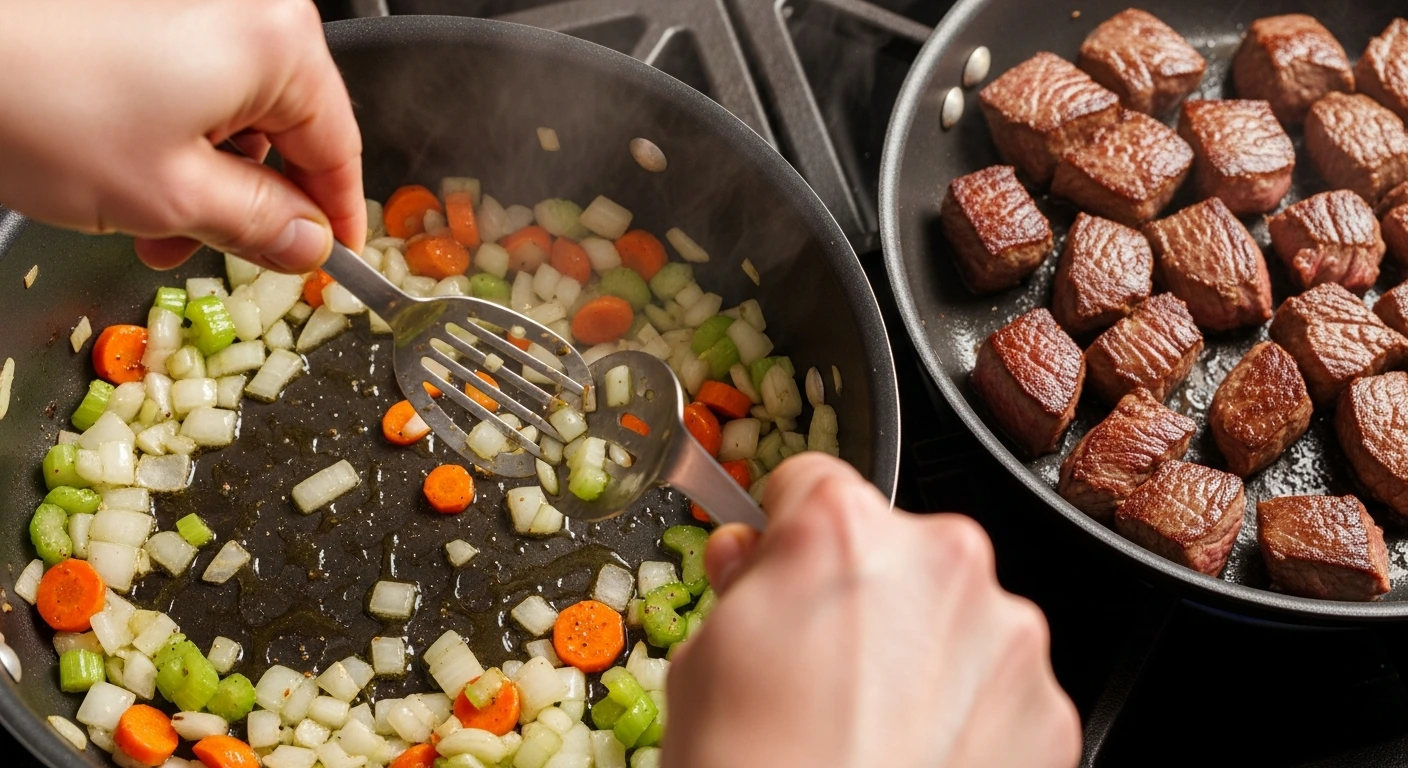
- Sear the beef: Heat olive oil in a heavy-bottomed pot over medium-high heat. Add beef in batches, avoiding overcrowding. Sear until deeply browned on all sides, about 5-7 minutes per batch. Remove and set aside. Classic Beef Ragu
- Sauté the soffritto: Reduce heat to medium. Add onions, carrots, and celery to the pot. Cook, stirring occasionally, until softened and golden, about 8 minutes. Classic Beef Ragu
- Add garlic and tomato paste: Stir in garlic and tomato paste; cook another 2 minutes until fragrant and paste deepens in color.
- deglaze with wine: Pour in the red wine, scraping the bottom of the pot to lift browned bits. Let simmer until wine is reduced by half, about 8 minutes.
- Combine ingredients: Return beef to the pot. Add crushed tomatoes, bay leaves, rosemary, and crushed red pepper. Stir to combine.
- Simmer low and slow: Bring to a gentle simmer, then cover partially and reduce heat to low. Cook for 2 to 2½ hours, stirring occasionally, until beef is tender and sauce is thickened.
- Adjust seasoning: Remove bay leaves and rosemary sprig. Taste and adjust salt and pepper. If sauce is too acidic, add a pinch of sugar.
- Cook the pappardelle: Bring a large pot of salted water to a boil. Add fresh pappardelle and cook for 2-3 minutes until al dente. Reserve ½ cup pasta water before draining. Classic Beef Ragu
- Toss pasta and sauce: Combine pasta and beef ragu in the pot or a wide serving bowl. Add pasta water gradually to loosen and marry sauce with the pasta.
- Serve immediately: Plate generously, garnish with grated parmigiano-Reggiano and fresh herbs.
Chef’s Notes
- For a vegetarian twist, substitute beef for hearty mushrooms like portobello or shiitake, maintaining the rich tomato base.
- Allow the ragu to rest overnight for intensified flavor; gently reheat before serving.
- Fresh pasta is best, but dried pappardelle can be used; just extend cooking time accordingly.
- If the sauce becomes too thick during simmering, stir in additional broth or water. Classic Beef Ragu
- Save leftovers to create a flavorful ragu lasagna or fill ravioli for a new meal experience.
Serving Suggestions
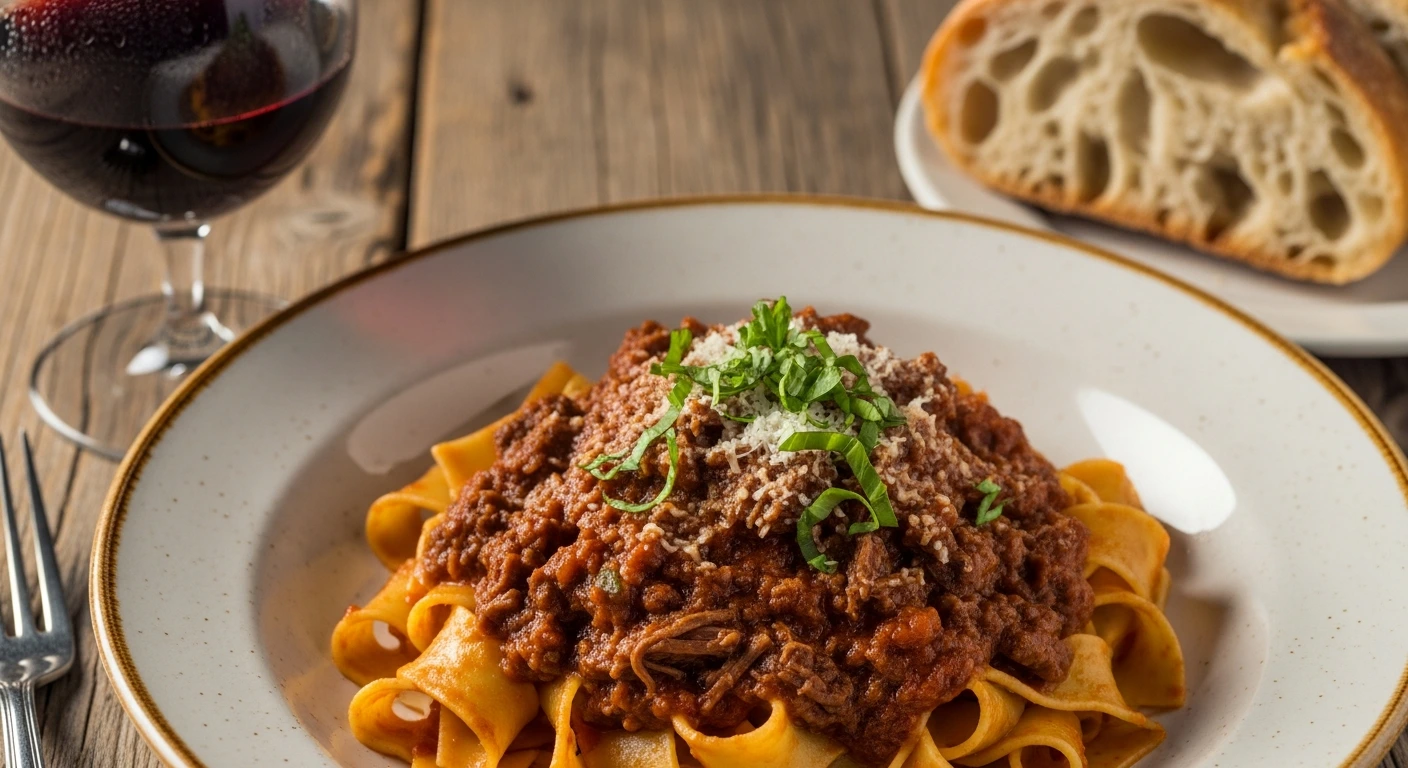
Serve your beef ragu hot atop delicate ribbons of tender pappardelle for a truly elevated experience.Finish with a generous shower of Parmigiano-Reggiano, a drizzle of high-quality extra virgin olive oil, and a sprinkle of freshly chopped basil or parsley to impart freshness and color. Pair with a robust Tuscan red wine and a crisp green salad with lemon vinaigrette to cut through the richness. For an elegant touch, offer crusty, grilled focaccia alongside to soak up every last luscious drop. Classic Beef Ragu
| Nutritional Data (per serving) | Calories | Protein | Carbs | Fat |
|---|---|---|---|---|
| Beef Ragu with Pappardelle | 620 | 45g | 45g | 26g |

For those inspired to explore more from Italian cuisine, don’t miss our detailed article on how to make fresh pasta from scratch. Dive into authentic flavors and techniques! Classic Beef Ragu
Learn more about the culinary history and nutritional benefits of slow-cooked beef dishes here. Classic Beef Ragu
Q&A
Q&A: Savor Classic beef Ragu Served Over Tender Pappardelle
Q1: what makes a classic beef ragu truly authentic?
A1: A classic beef ragu is all about slow-cooked, tender beef simmered in a rich, aromatic tomato sauce infused with garlic, onions, herbs, and a splash of red wine. The key is patience-allowing flavors to meld over hours until the meat almost melts in your mouth, creating a deeply comforting and hearty dish. Classic Beef Ragu
Q2: Why is pappardelle the perfect pasta choice for beef ragu?
A2: Pappardelle, with its broad, flat ribbons, acts like a velvety canvas that cradles the thick, meaty ragu sauce beautifully. Its tender yet sturdy texture ensures every forkful delivers a harmonious balance of pasta and sauce, amplifying the rustic Italian soul of the dish. Classic Beef Ragu
Q3: Can you suggest any wine pairing to elevate the dining experience?
A3: Certainly! A robust red wine such as Chianti, Barolo, or a Sangiovese complements the rich, savory notes of the beef ragu. Their fruity acidity and tannins cut through the sauce’s richness, cleansing the palate and enhancing each bite. Classic Beef Ragu
Q4: What are some tips for making the beef ragu extra flavorful?
A4: start with good-quality beef cuts like chuck or brisket for tenderness. Brown the meat thoroughly to create a deep caramelized flavor, and don’t rush the simmering process-low and slow cooking is essential. Adding a touch of fresh rosemary or bay leaves and a splash of cream at the end can elevate depth and silkiness.Q5: How can home cooks personalize their beef ragu dish?
A5: Feel free to experiment by adding mushrooms for earthiness, a pinch of chili flakes for heat, or even a hint of nutmeg for warmth.For the pasta, fresh homemade pappardelle can turn the meal into a special occasion, while grated parmesan or Pecorino on top adds a savory finishing touch. Classic Beef Ragu
Q6: Is beef ragu served over pappardelle suitable for special occasions or everyday meals?
A6: Absolutely both! While its rich, indulgent flavors make it a stellar choice for celebrations or dinner parties, its simplicity and wholesome ingredients also make beef ragu a comforting, satisfying weeknight dinner that warms the soul. Classic Beef Ragu
Q7: What side dishes complement beef ragu with pappardelle?
A7: Rustic sides like garlic bread, a fresh arugula salad with lemon vinaigrette, or roasted seasonal vegetables pair wonderfully. Their subtle brightness and textures provide a lovely contrast to the hearty ragu.Q8: Can this dish be made ahead of time?
A8: Yes! Beef ragu frequently enough tastes even better the next day, as the flavors deepen upon resting. Make the ragu in advance, reheat gently, and freshly cook your pappardelle prior to serving for a swift yet remarkable meal. Classic Beef Ragu
The Way Forward
As the rich aroma of slow-simmered beef ragu melds with the tender embrace of pappardelle, each bite becomes a celebration of time-honored tradition and culinary craftsmanship. Whether enjoyed on a cozy weeknight or shared with loved ones at a festive gathering, this classic dish invites you to savor the depth of flavors that only patience and passion can create. So next time you seek comfort in a bowl, remember: sometimes, the simplest ingredients, lovingly prepared, tell the most unforgettable stories on our plates. Classic Beef Ragu