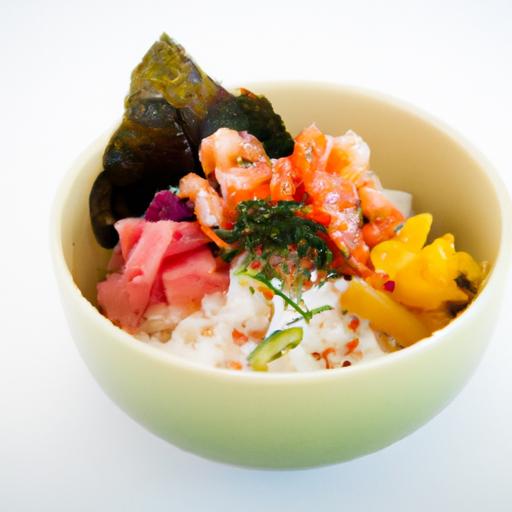

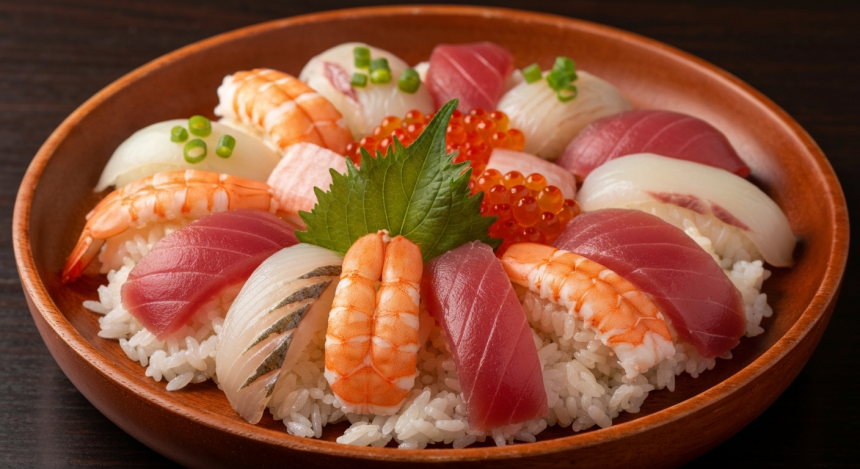
In the vibrant tapestry of Japanese cuisine, few dishes tell a story as colorful and inviting as Chirashizushi. More than just a meal, this ”scattered sushi” bowl is a harmonious party of flavors, textures, and traditions artfully arranged to delight both the eyes and the palate. From its origins rooted in festive gatherings to its modern reinventions on bustling city streets, Chirashizushi offers a uniquely approachable yet exquisitely nuanced sushi experience. Join us as we unravel the secrets behind this edible mosaic, exploring the artful balance of ingredients, cultural importance, and culinary creativity that make Chirashizushi a beloved jewel in Japan’s gastronomic crown.
Chirashizushi is a vibrant celebration of Japanese culinary artistry, a dish where colorful ingredients harmonize atop seasoned sushi rice, creating a feast for both the eyes and palate. Rooted deeply in tradition, this scattered sushi bowl embodies the spirit of festivity and family gatherings, dating back to the Edo period when it was commonly enjoyed during special occasions like Hinamatsuri (the Doll festival). Its layered textures and flavors evoke the meticulous care and joy that Japanese cuisine is known for, making it a timeless favorite to master at home.
Prep and Cook Time
- Preparation: 25 minutes
- Cooking: 20 minutes
- Total Time: 45 minutes
Yield
Serves 4 generous portions
Difficulty level
Medium – Perfect for home cooks ready to explore authentic Japanese flavors with accessible ingredients.
Ingredients
- 2 cups sushi rice, rinsed until water runs clear
- 2 1/2 cups water for cooking rice
- 1/3 cup rice vinegar
- 3 tbsp sugar
- 1 tsp salt
- 200g sashimi-grade salmon, thinly sliced
- 150g cooked shrimp, peeled and chopped
- 2 sheets nori, shredded into thin strips
- 1 small cucumber, julienned
- 1 ripe avocado, sliced
- 2 eggs (for Japanese-style tamagoyaki), beaten
- 1 tbsp mirin
- 1 tbsp soy sauce
- Pickled ginger, to garnish
- Wasabi, to serve
- 1 tbsp toasted sesame seeds
- optional: thinly sliced shiitake mushrooms, sautéed
Instructions
- Prepare the Sushi Rice: Rinse 2 cups sushi rice under cold water until the water runs clear to remove excess starch. Drain.
- Cook the Rice: In a rice cooker or pot, add rinsed rice and 2 1/2 cups water. Cook on the appropriate setting or simmer covered on low heat for 15 minutes. Let it rest covered for 10 minutes after cooking.
- Season the rice: In a small saucepan, gently heat 1/3 cup rice vinegar with 3 tbsp sugar and 1 tsp salt until dissolved. do not boil. Transfer cooked rice into a large wooden or non-metallic bowl and gently fold in the vinegar mixture with a wooden spatula. Use a fanning motion to cool the rice quickly, giving it that perfect glossy texture.
- Make Tamagoyaki: Whisk the eggs with mirin and soy sauce.Heat a small rectangular or non-stick pan over medium heat. Pour a thin layer of egg mixture, let it set partially, then roll it to one side. Repeat with remaining egg to form layered omelet. Slice into thin strips and set aside.
- Prepare Toppings: Slice sashimi-grade salmon, chop shrimp, julienne cucumber, slice avocado thinly, and shred nori. If using shiitake mushrooms, sauté until tender and lightly seasoned.
- Assemble the Chirashizushi: Spread the seasoned sushi rice evenly in a serving bowl. Artfully scatter salmon,shrimp,tamagoyaki,cucumber,avocado,nori,and mushrooms on top. Sprinkle with toasted sesame seeds.
- Garnish and Serve: Add pickled ginger and a small dab of wasabi on the side. Serve immediately to enjoy the fresh flavors and delicate textures.
Tips for Success
- Rice Texture: Perfect sushi rice is slightly sticky but each grain remains distinct. Avoid overmixing when seasoning with vinegar.
- Ingredient Freshness: Always source sashimi-grade fish from a trusted supplier to ensure safety and flavor authenticity.
- Tamagoyaki Variations: Add a touch of dashi powder or grated carrots to eggs for extra umami and color.
- Make-ahead: Sushi rice is best consumed the same day but can be refrigerated for up to 24 hours; bring to room temperature before serving.
- Vegetarian Option: Replace seafood with grilled shiitake, blanched asparagus, and pickled daikon ribbons.
Serving Suggestions
Present your chirashizushi bowl on a wide, shallow plate or traditional wooden sushi platter. Garnish with vibrant edible flowers like shiso blossoms or microgreens for a stunning visual pop. Pair with chilled sake or green tea to elevate the experience. Use colorful ceramic chopsticks and small dipping bowls for soy sauce to complete the traditional vibe.
| Nutrient | Per Serving |
|---|---|
| Calories | 450 kcal |
| Protein | 28 g |
| Carbohydrates | 56 g |
| Fat | 12 g |
Learn more about perfecting sushi rice to enhance your chirashizushi experience. For deeper cultural insights on traditional Japanese cuisine, visit Japan guide – Japanese Food Culture.

Q&A
Chirashizushi Unveiled: The Art of Scattered Sushi Bowls – Q&A
Q1: What exactly is Chirashizushi?
A1: Chirashizushi,often dubbed the “scattered sushi,” is a vibrant and visually captivating Japanese dish featuring sushi rice artfully adorned with a colorful array of fresh sashimi,vegetables,and garnishes. Unlike traditional sushi rolls or nigiri, Chirashizushi is served as a bowl or tray where ingredients are spread out, creating a stunning mosaic of flavors and textures.
Q2: How does Chirashizushi differ from other types of sushi?
A2: Unlike nigiri or maki rolls that emphasize precise hand-formed servings, Chirashizushi invites a more relaxed and artistic approach. It’s less about uniform pieces and more about the joyful scattering of ingredients atop seasoned rice. This allows for a broader variety of toppings and a dynamic visual impact, capturing the essence of both simplicity and abundance.
Q3: Where did Chirashizushi originate?
A3: Chirashizushi traces its roots back to ancient Japan, believed to have originated during festive occasions and celebrations. It was a practical yet elegant way to present a feast, showcasing seasonal ingredients in a visually stunning manner. Over time, it evolved into a beloved dish that honors tradition while embracing creativity.
Q4: What are the key components of a traditional Chirashizushi bowl?
A4: At its core, the foundation is perfectly seasoned sushi rice-vinegared and slightly sweet.This is topped with an assortment of fresh sashimi (like salmon, tuna, shrimp), tamagoyaki (Japanese omelet), cucumber slices, pickled vegetables, ikura (salmon roe), and sometimes edible flowers or shiso leaves. The arrangement is meant to celebrate color and contrast, making each bowl a feast for the eyes and palate.
Q5: Can Chirashizushi be customized for dietary preferences?
A5: Absolutely! One of Chirashizushi’s charms is its versatility. While traditionally centered on seafood, vegetarian versions with marinated mushrooms, tofu, and colorful veggies are equally delightful. The art lies in balancing flavors and textures, ensuring each ingredient complements the others beautifully.
Q6: What makes Chirashizushi an art form rather than just a meal?
A6: Chirashizushi transcends simple nourishment by transforming food into a canvas. The purposeful scattering-each piece thoughtfully placed-creates harmony and movement reminiscent of a painter’s brushstrokes. It invites the diner to experience not just taste, but the aesthetic pleasure of food as visual poetry.
Q7: How can someone try making Chirashizushi at home?
A7: Start with mastering sushi rice-rinse it until clear,cook with care,and season with a blend of rice vinegar,sugar,and salt.Next, select fresh, high-quality toppings. Arrange them thoughtfully, balancing color, texture, and flavor. Don’t hesitate to experiment with seasonal ingredients or personal favorites. The beauty of Chirashizushi lies in its freedom and expression.
Q8: Are there any cultural rituals or occasions associated with Chirashizushi?
A8: Chirashizushi is often enjoyed during festivals such as Hinamatsuri (Girls’ Day) and other celebratory events in japan, symbolizing prosperity and happiness. Its festive appearance and hearty abundance make it synonymous with joy, family gatherings, and traditions passed through generations.Q9: Why is Chirashizushi gaining popularity outside Japan?
A9: In a world craving fresh,vibrant,and customizable dishes,Chirashizushi offers both simplicity and sophistication. Its visually stunning presentation paired with healthful ingredients appeals to modern food lovers seeking an authentic yet adaptable sushi experience. Plus, its casual, ”scatter and celebrate” ethos fits perfectly with today’s dining culture.
Q10: what’s the best way to enjoy Chirashizushi?
A10: Dive in with your eyes first-appreciate the colors, textures, and arrangement. Then savor each bite, mixing the savory tang of seasoned rice with the freshness of the toppings. there’s no “right” way to eat Chirashizushi; its scattered nature encourages playful combinations and shared enjoyment. It’s a dish to be experienced joyfully, bite by colorful bite.
The Way Forward
Whether enjoyed in a bustling Tokyo izakaya or crafted lovingly at home, chirashizushi offers a vibrant snapshot of Japanese culinary artistry-where simplicity meets elegance in a single bowl. This scattered sushi, with its colorful medley of fresh ingredients, not only delights the palate but also tells a story of tradition, seasonality, and celebration.As you explore the art of chirashizushi, you uncover more than a dish; you discover a canvas that invites creativity and a deeper appreciation for Japan’s rich food culture. So next time you crave sushi, consider the scattered charm of chirashizushi-a beautiful, flavorful harmony waiting to be savored one bite at a time.