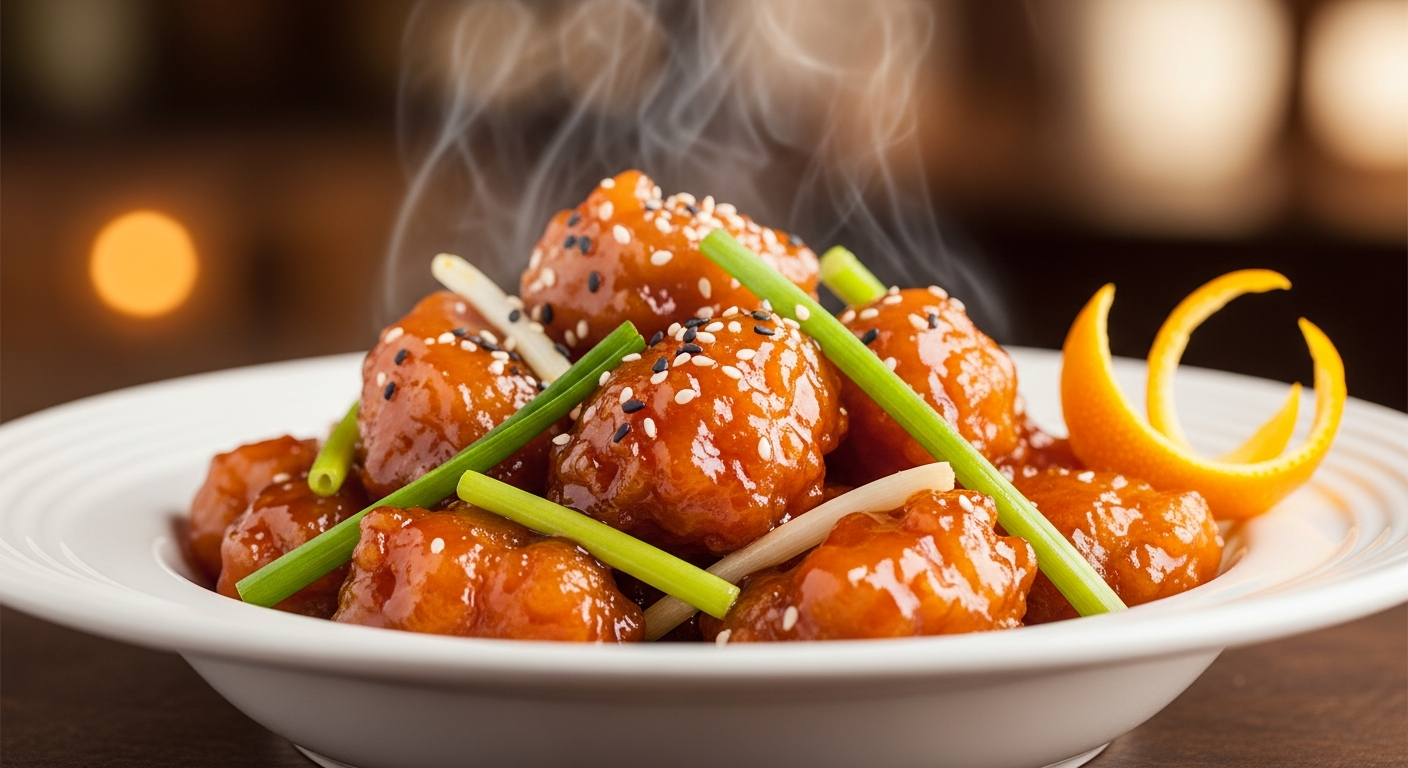

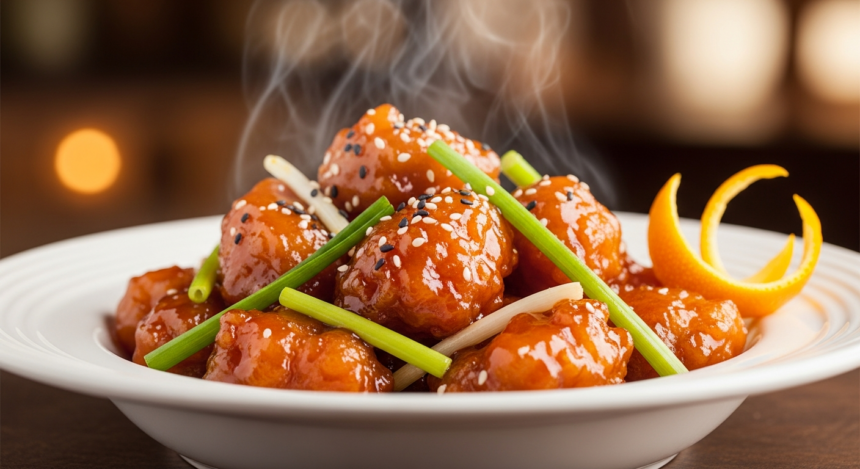
In the vibrant world of global cuisine, few dishes capture the creativity quite like Chinese orange chicken. This zesty, sweet, and tangy delight has won over taste buds far beyond its origins, becoming a beloved staple on menus worldwide. But behind its crispy, glossy glaze lies a rich tapestry of history, culture, and culinary artistry waiting to be uncovered. Join us as we peel back the layers of this iconic dish in “The Zesty Tale of Chinese Orange Chicken: Flavor Unveiled,” where tradition meets innovation, and every bite tells a flavorful story.
Chinese orange chicken is a beloved dish that harmoniously combines vibrant flavors with a satisfying crunch, captivating palates across the globe. This recipe’s fusion of sweet, tangy, and umami notes creates an irresistible taste experience, inspired by its American-Chinese origins yet rooted in traditional culinary techniques. Discovering the secrets behind this dish not only ignites your kitchen creativity but also leads to mastering its signature crispy texture and zestful orange glaze that elevates every bite.
Prep and Cook Time
Preparation Time: 20 minutes
Cooking Time: 25 minutes
Total Time: 45 minutes
Yield
Serves 4 generous portions
Difficulty Level
Medium – perfect for cooks ready to master frying and sauce glazing techniques
Ingredients
- For the chicken:
- 1 lb boneless, skinless chicken thighs, cut into bite-sized pieces
- 3/4 cup cornstarch
- 1/2 cup all-purpose flour, sifted
- 2 large eggs, beaten
- 1 tsp kosher salt
- 1/2 tsp freshly ground black pepper
- Vegetable oil, for deep frying (about 4 cups)
- For the orange glaze:
- 1 cup freshly squeezed orange juice (about 2 large oranges)
- 2 tbsp orange zest, finely grated
- 1/3 cup granulated sugar
- 2 tbsp rice vinegar
- 3 tbsp soy sauce (low sodium preferred)
- 1 tbsp hoisin sauce
- 1 tsp freshly grated ginger
- 2 cloves garlic, minced
- 1 tsp sesame oil
- 1 tbsp cornstarch mixed with 2 tbsp cold water (for slurry)
Instructions
- Prepare the chicken coating: In a shallow bowl, combine cornstarch, all-purpose flour, salt, and pepper. In another bowl, beat the eggs.Dip chicken pieces first into the eggs, then dredge them thoroughly in the flour-cornstarch mixture, pressing gently to adhere the coating.
- Heat oil: In a deep skillet or wok, heat vegetable oil to 350°F (175°C). Use a kitchen thermometer for accuracy, ensuring a perfectly crispy fry.
- Fry the chicken: Fry the coated chicken pieces in small batches, avoiding overcrowding. cook until golden brown and cooked through, about 5-6 minutes per batch.Transfer to a wire rack or paper towel-lined plate to drain excess oil.
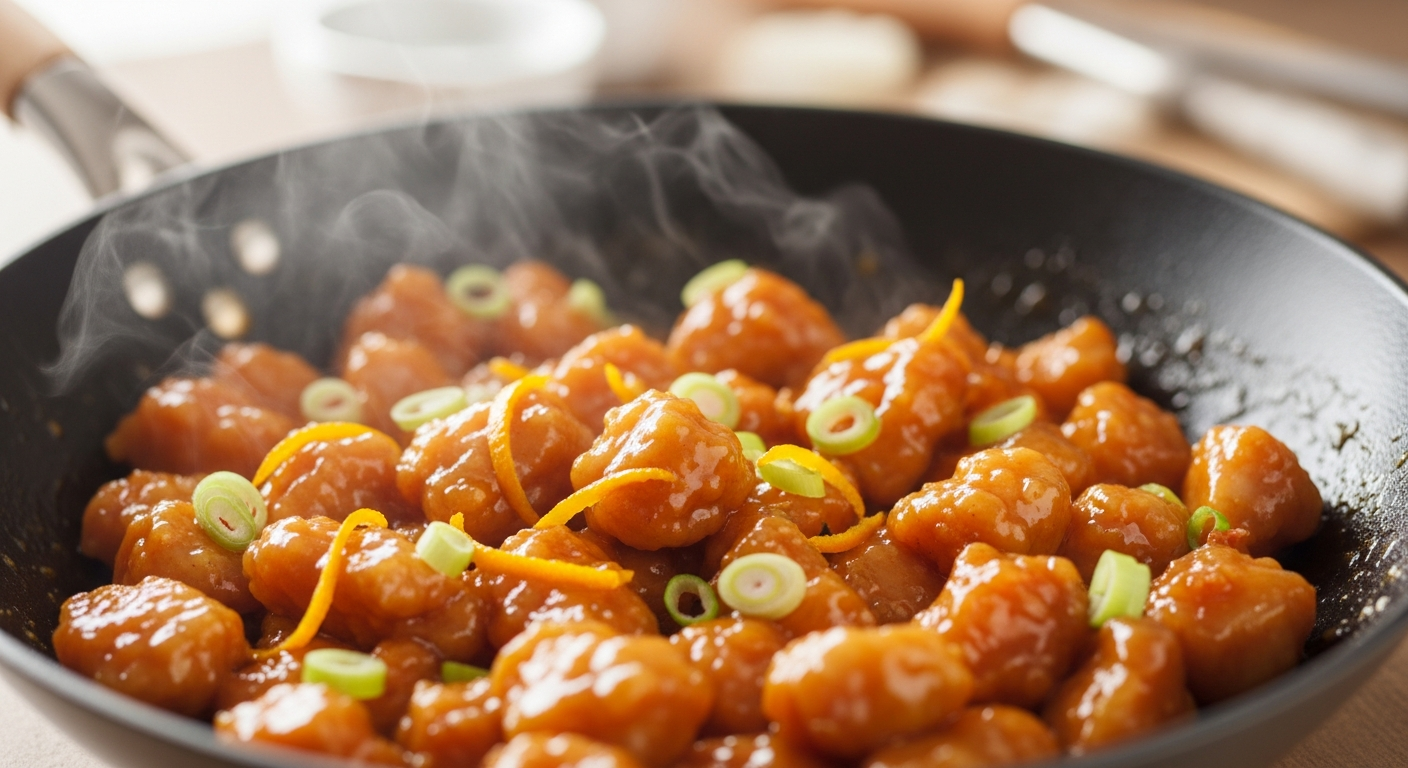
- Prepare the orange glaze: In a medium saucepan over medium heat, combine orange juice, orange zest, sugar, rice vinegar, soy sauce, hoisin sauce, ginger, garlic, and sesame oil. Bring to a simmer, stirring occasionally.
- Thicken the sauce: Stir the cornstarch slurry into the simmering sauce. Continue cooking until the glaze thickens to a glossy, syrupy consistency, about 2-3 minutes.
- Toss chicken in glaze: Add the fried chicken pieces to the saucepan, gently tossing to coat each piece evenly with the orange glaze.
- Serve immediately: Transfer to a serving platter and garnish as desired.
Chef’s Notes: Tips for Success
- for the crispiest coating, pat chicken pieces dry with paper towels before dipping to ensure the flour mixture adheres properly.
- maintaining oil temperature is crucial; too low makes chicken greasy, too high burns the crust.
- Fresh orange zest enhances the bright citrus aroma – avoid dried zest for this recipe’s vibrant punch.
- Leftover orange glaze can be refrigerated for up to 3 days; gently reheat before tossing with fried chicken.
- To lighten the dish, bake chicken pieces coated in the same way at 425°F (220°C) for 20-25 minutes, flipping halfway through, though frying remains best for authentic texture.
- Experiment with adding a pinch of Chinese five-spice powder to the flour mixture for subtle warmth.
Serving Suggestions
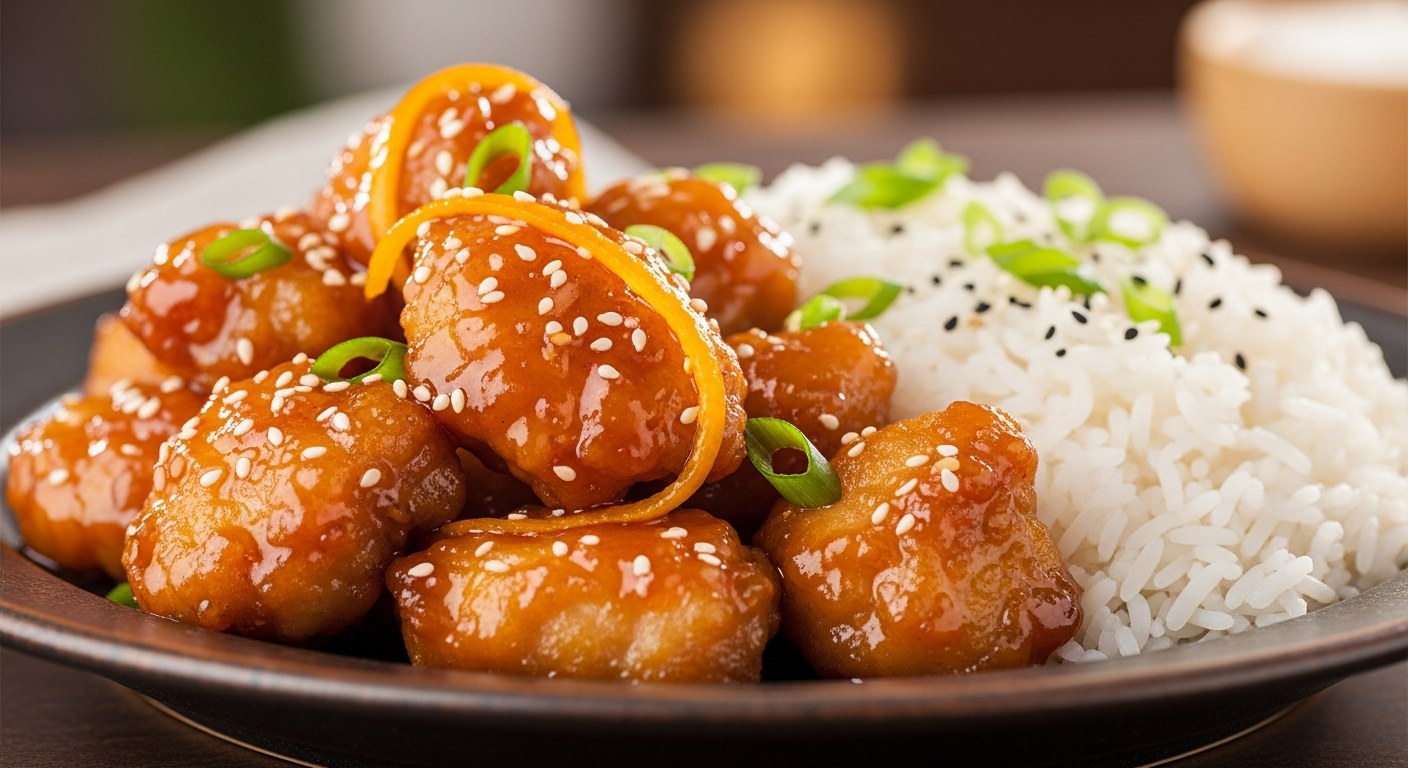
Serve this zesty delight over a bed of steamed jasmine rice or fluffy fried rice to soak up every drop of glaze. Garnish with thinly sliced scallions, a sprinkle of toasted sesame seeds, and a few segments of fresh orange to enhance visual appeal and zestful aroma. A crisp side of steamed bok choy or stir-fried snow peas brings fresh balance, making the meal both colorful and nutritionally well-rounded.

Anatomy of the Flavor Profile: Sweet, Tangy, and Umami Harmony
The magic of Chinese orange chicken lies in its intricate layering of flavors. The sweetness from granulated sugar and fresh orange juice plays a balancing act against the tanginess of rice vinegar and citrus zest, while soy sauce and hoisin impart deep, savory umami notes. This synergy creates an irresistibly bright yet comforting sauce that dances on the palate. Incorporating fresh ginger and garlic introduces aromatic warmth, rounding out the complexity and enhancing the dish’s depth.
Mastering the Perfect Crispy Coating for Authentic Texture
Achieving that hallmark crunch depends on technique and ingredients.The combination of cornstarch and all-purpose flour forms a light, crackly crust that crisps beautifully without becoming heavy. Double-dipping chicken pieces in egg and then the flour mix ensures an even and adherent breading.Frying in small batches at the ideal temperature locks in moisture while achieving golden crispiness – the cornerstone of authentic Chinese orange chicken texture.
Essential Ingredients and Tips for an Irresistible Orange Glaze
freshly squeezed orange juice and finely grated zest are non-negotiable for authentic zest and aroma-bottled juice lacks the brightness this recipe demands. The glaze balances sweetness, acidity, and saltiness through careful proportioning of sugar, rice vinegar, and soy sauce. incorporating hoisin sauce enhances richness and umami, while a touch of sesame oil lends a subtle nuttiness. Technique matters here as much as ingredients: thickening the glaze with a cornstarch slurry until glossy ensures it clings beautifully to the fried chicken, creating a luscious coating with every bite.
| Nutrient | Per Serving |
|---|---|
| calories | 480 kcal |
| Protein | 35 g |
| Carbohydrates | 38 g |
| Fat | 20 g |
For further inspiration on complementary Asian sauces, explore our in-depth guide on the best Chinese sauces for home cooking. For an official overview of Chinese food history and cultural context, visit Britannica’s detailed Chinese cuisine resource.
Q&A
Q&A: The Zesty Tale of Chinese Orange Chicken: flavor Unveiled
Q1: What exactly is Chinese Orange Chicken?
A1: Chinese Orange Chicken is a vibrant dish featuring crispy battered chicken pieces tossed in a tangy, sweet, and citrusy orange sauce. It’s a beloved favorite in many Chinese-American restaurants, offering a perfect harmony of zest and crunch that delights the palate.
Q2: Where did Chinese Orange Chicken originate?
A2: While inspired by traditional Chinese cooking techniques, chinese Orange Chicken is primarily a creation of Chinese-American cuisine. It emerged as a way to cater to Western tastes,marrying authentic frying methods with a bright,sweet glaze that highlights orange-an iconic citrus fruit in Chinese symbolism.Q3: What gives Orange Chicken its signature flavor?
A3: The magic lies in the sauce-a lively blend of fresh orange zest and juice,soy sauce,ginger,garlic,and a hint of chili for subtle warmth. This concoction balances sweetness with acidity, creating a zesty punch that enrobes each crispy bite.
Q4: How is the chicken prepared to achieve its crunch?
A4: the chicken is typically marinated, then coated in a seasoned batter or cornstarch before deep-frying. This technique locks in moisture while producing a satisfyingly crisp exterior that contrasts beautifully with the glossy, sticky orange sauce.
Q5: Are there regional variations of Orange Chicken?
A5: Absolutely! While the most famous version is the American-chinese style, incorporating sweetness and tang, some Chinese regions incorporate more savory or spicy elements. In some adaptations, caramelized sugar or additional spices deepen the flavor profile, showcasing local tastes.
Q6: What makes orange Chicken a beloved comfort food?
A6: Orange Chicken delights multiple senses-the bright aroma of citrus, the inviting crunch of fried chicken, and the balance of sweet and tangy flavors. It’s a dish that feels indulgent yet refreshing, making it a go-to for gatherings and a nostalgic retreat for many.
Q7: Can Orange Chicken be made healthier without losing its essence?
A7: Yes! Baking or air-frying the chicken reduces oil use, while adjusting the sauce to use natural sweeteners and fresh ingredients maintains that zesty brightness. Incorporating citrus zest and juice directly from fresh oranges keeps the flavor vivid and authentic.
Q8: What drinks or sides pair best with Orange Chicken?
A8: Rice is the classic accompaniment, soaking up the flavorful sauce. Steamed or stir-fried vegetables add freshness and texture contrast. For drinks,a crisp jasmine tea or a lightly sweetened citrus soda complements the dish’s vibrancy perfectly.Q9: Why is the orange such a symbolic choice for this dish?
A9: In Chinese culture, oranges symbolize good fortune and prosperity, especially during festivals like Lunar New Year. Using orange in the dish not only provides flavor but also carries cultural importance, blending taste with tradition.
Q10: How can home cooks best recreate that authentic Orange Chicken zing?
A10: Focus on fresh ingredients-grated orange zest,freshly squeezed juice,and quality soy sauce form the sauce’s heart. Don’t shy away from balancing sweetness and acidity, and aim for a crispy coating on the chicken.With practice, home kitchens can echo the vibrant, zesty spirit of this iconic dish.
In Summary
as the last bite of Chinese orange chicken lingers on your palate, the story behind this zesty delight unfolds like a flavorful tapestry-woven from rich culinary traditions, bold innovation, and a perfect balance of sweet and tangy notes. More than just a dish, orange chicken is a testament to the art of flavor fusion, bridging cultures and satisfying cravings worldwide. So, the next time you savor those crispy, citrus-kissed morsels, remember you’re not just tasting a meal-you’re experiencing a vibrant tale of taste that continues to evolve with every delicious bite.