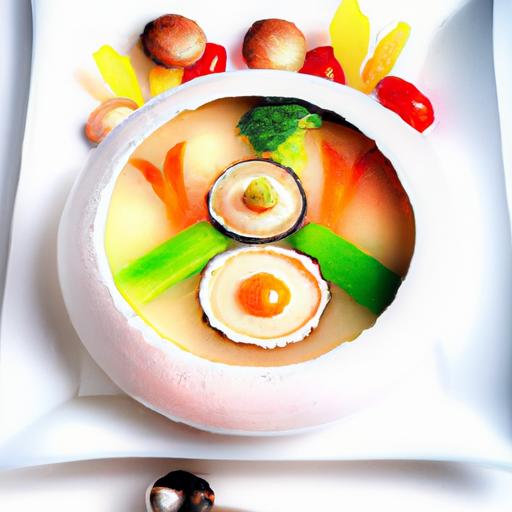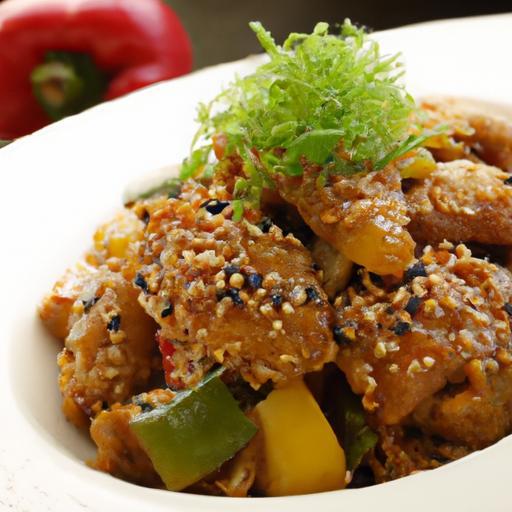

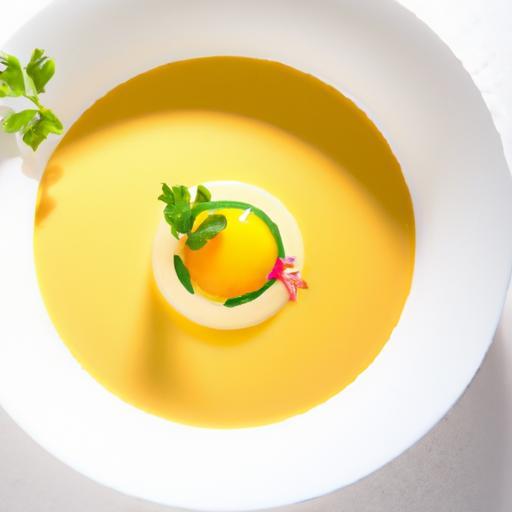
In the heart of Japan’s culinary tapestry lies a dish that whispers elegance with every spoonful-Chawanmushi. Frequently enough overlooked beyond its delicate, unassuming appearance, this silky steamed egg custard is a masterclass in subtlety and tradition. “Chawanmushi Unveiled: Japan’s Silky Steamed Egg Delight” invites you on a sensory journey through the origins,artistry,and flavors of this beloved classic. From its smooth, whisper-soft texture to the umami-rich treasures hidden within, discover how this humble cup holds centuries of history and a world of taste waiting to be savored.
Chawanmushi, a traditional Japanese steamed egg custard, is a engaging delight that enchants with its silky-smooth texture and subtle umami layers. Originating from the Kansai region, this delicacy is a party of simple ingredients harmoniously blended and steamed to perfection. My first experience with chawanmushi was in a cozy Kyoto ryokan, where the warm custard whispered stories of Japan’s culinary heritage. Unlocking the art of crafting this dish at home means embracing the balance of flavor and technique, resulting in a comforting, elegant dish perfect for any occasion.
Prep and Cook Time
- Planning: 15 minutes
- Cooking: 20 minutes
- Total: 35 minutes
Yield
Serves 4 individual portions
difficulty Level
Medium – requires attention to steaming and egg mixture consistency
Ingredients
- 3 large eggs, gently beaten
- 2 cups dashi stock (preferably homemade or store-bought good quality)
- 1 tsp soy sauce (light)
- ½ tsp mirin
- ¼ tsp salt
- 4 shiitake mushrooms, thinly sliced
- 100g chicken thigh, small bite-sized pieces
- 8 small cooked shrimp, peeled and deveined
- 4 gingko nuts (optional)
- Chopped mitsuba or green onion for garnish
- Yuzu zest for a fresh aromatic touch (optional)
Instructions
- Prepare the dashi stock. For best results, use kombu and bonito flakes to extract a fragrant, umami-rich base. If using store-bought, warm gently to room temperature.
- Beat the eggs gently. Avoid creating bubbles by stirring slowly until fully combined. Strain the eggs through a fine sieve to ensure extra smoothness.
- Combine the eggs and dashi. Mix in soy sauce, mirin, and salt. Stir gently to integrate without frothing.
- Prepare steaming cups. Distribute chicken, shrimp, shiitake, and gingko nuts evenly into four heatproof cups or ramekins.
- Pour the egg mixture carefully. Use a ladle to pour the custard mixture over the toppings – filling about ¾ of each cup.
- Cover each cup. Use aluminum foil or a small lid to prevent condensation from dripping into the custard during steaming.
- Steam on low heat. Place cups in a steamer set over simmering water (not boiling), cover with a lid, and steam for 15-20 minutes. Check doneness by gently shaking the cup; the custard should be set but still jiggle softly.
- Remove and garnish. Add fresh chopped mitsuba or green onions and a sprinkle of yuzu zest for a citrusy brightness before serving.
Tips for Success When Mastering Chawanmushi at Home
- Temperature control is essential. Steaming too vigorously creates bubbles and ruins the silky texture.Low and slow is key.
- strain the egg mixture twice. This ensures a perfectly smooth custard.
- customize fillings. Experiment with crab meat, kamaboko (fish cake), or seasonal vegetables like asparagus for textural contrast.
- Make-ahead option: Prepare custards up to the steaming step and refrigerate. Steam freshly when ready to serve.
- Quality dashi stock dramatically improves the taste. Consider making yoru own or purchasing premium dashi powder like Kikkoman’s recipe suggestions.
serving Suggestions and Pairing Ideas to Elevate Your Experience
Present your chawanmushi in elegant ceramic cups accompanied by lacquer trays to heighten the traditional aesthetic. Garnish with a small sprig of mitsuba or a thin slice of yuzu peel to add color contrast and freshness. Pair this custard with a delicate miso soup or a side of simmered vegetables for a light, harmonious meal.
For beverages, chilled sake or a lightly brewed green tea complements the custard’s subtle umami profile. if serving at a dinner party, offer small sashimi plates alongside to contrast textures and intensify the japanese culinary experience.
| Nutrient | Per Serving |
|---|---|
| Calories | 150 kcal |
| Protein | 12 g |
| Carbohydrates | 4 g |
| Fat | 8 g |

Q&A
Q&A: Chawanmushi Unveiled – Japan’s Silky Steamed Egg Delight
Q1: What exactly is Chawanmushi?
A1: Chawanmushi, literally meaning “steamed in a tea cup,” is a delicate Japanese savory custard. It’s a velvety blend of eggs and dashi broth, gently steamed to create a smooth, silky texture that melts in your mouth like a savory cloud. Often studded with morsels of shiitake mushrooms, shrimp, chicken, or ginkgo nuts, it’s a humble dish that whispers elegance with every bite.
Q2: How does Chawanmushi differ from Western steamed egg dishes?
A2: While Western steamed eggs might resemble soft custards or quiches, Chawanmushi’s secret lies in its delicate ratio of ingredients and the use of dashi-a fish and seaweed broth that imbues the custard with umami-rich depth. Unlike heavier Western versions, Chawanmushi is light, savory, and subtly complex, offering a taste profile that’s both gentle and profoundly satisfying.
Q3: What makes the texture of Chawanmushi so unique?
A3: The magical silkiness comes from low-temperature steaming and a careful balance of egg to liquid. Steamed slowly in a lidded cup, the mixture coagulates without curdling, resulting in a custard that’s smooth and tender-unlike any ordinary boiled or baked egg dish. It’s the culinary equivalent of a whisper: soft, refined, and utterly graceful.
Q4: Is Chawanmushi typically served hot or cold?
A4: Traditionally, Chawanmushi is served warm, fresh from the steamer, so you can savor its gentle fragrance and soft texture at its peak. However, in modern cuisine, chilled versions have emerged, especially during summer months, offering a refreshing twist while preserving its silky charm.Q5: Can Chawanmushi be customized?
A5: Absolutely! While classic recipes include ingredients like shrimp,chicken,kamaboko (fish cake),and shiitake mushrooms,regional variations and personal preferences inspire endless creativity. Some chefs add seasonal vegetables or swap proteins to reflect the changing landscape of Japan’s rich culinary tapestry.
Q6: How should one eat chawanmushi to fully appreciate it?
A6: Approach Chawanmushi with patience and reverence. Use a small spoon to scoop the custard gently,allowing the flavors to unfold slowly on your tongue. Notice the interplay between the soft texture and bursts of flavor from the hidden treasures within-each bite a subtle symphony of tastes and textures.
Q7: Why is Chawanmushi considered a comfort food in Japan?
A7: Its gentle warmth, nourishing ingredients, and smooth consistency make Chawanmushi a soothing dish, especially during colder months or when you crave something light yet wholesome. It’s a humble comfort that carries tradition, memories, and a sense of home, connecting generations through its simple yet profound deliciousness.
Whether your a curious foodie or a lover of Japanese cuisine, Chawanmushi invites you to experience a silky, savory secret-one delicate spoonful at a time.
To Conclude
As you close the lid on your journey through the delicate world of chawanmushi, you’ve uncovered more than just a recipe-you’ve touched a piece of Japan’s culinary poetry. This silky, savory custard is more than an appetizer; it’s a harmonious blend of texture and subtle flavors that celebrates simplicity with every spoonful.Whether enjoyed in a quiet tea house or recreated in your own kitchen, chawanmushi invites you to savor the artistry of patience and the beauty of tradition, proving that sometimes, the softest dishes leave the most lasting impressions.