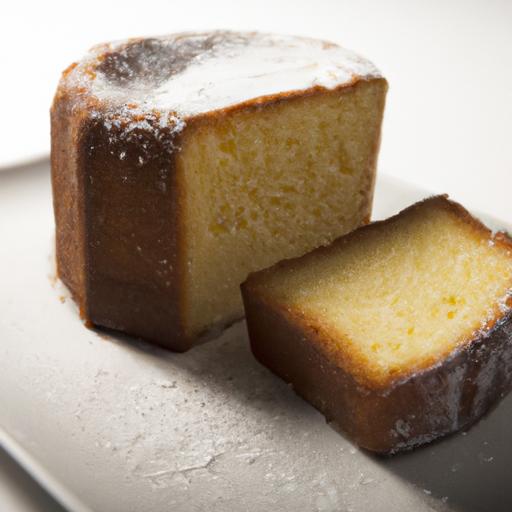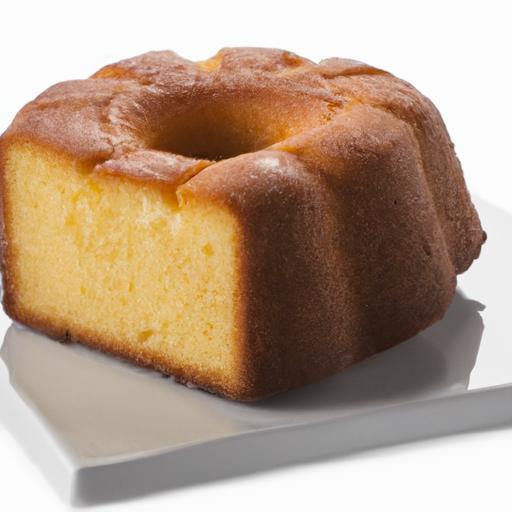

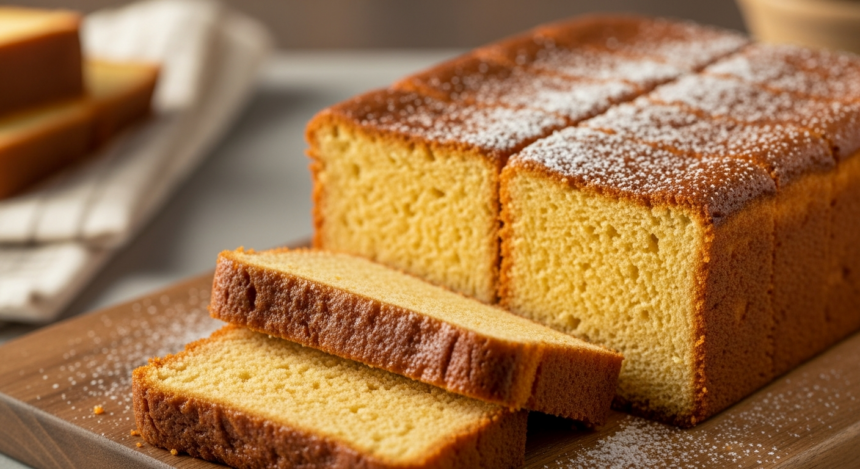
 In the world of desserts, few treats embody the perfect balance of simplicity and elegance quite like Castella cake. This soft, sweet Japanese delicacy, with its golden crust and pillowy texture, has quietly won the hearts of pastry lovers around the globe. Originating centuries ago from Portuguese influences and lovingly adapted by Japanese artisans, Castella is more than just a cake-it’s a symbol of cultural harmony and culinary craftsmanship. If you’ve ever wondered how to recreate this melt-in-your-mouth masterpiece in your own kitchen, join us as we unravel the secrets of mastering Castella cake, blending tradition with technique to bring a slice of Japan’s sweetest indulgence to your table.
Mastering Castella Cake: A Soft,Sweet Japanese Treat Recipe
Mastering Castella Cake opens the door to a centuries-old Japanese delicacy that beautifully blends simplicity and elegance. This soft, sweet cake, originally inspired by Portuguese pães de Castela, has become a beloved comfort food in Japan, famed for its delicate crumb and moist texture that melts on your tongue. Whether shared with family or enjoyed as a peaceful afternoon snack with tea, Castella transcends mere dessert to become an experience of warmth and tradition.
Prep and Cook Time
- Prep Time: 20 minutes
- Cook Time: 50 – 60 minutes
- Total Time: 1 hour 10 minutes
Yield
One 9×3-inch loaf cake, serving 8-10 slices
Difficulty Level
Medium – requires precise folding and baking technique but rewarding for both beginners and seasoned bakers.
Essential Ingredients for Achieving the Perfect softness and Sweetness
- 6 large eggs – separated, at room temperature
- 1 cup granulated sugar – divided (3/4 cup + 1/4 cup)
- 1/2 cup bread flour – sifted for lightness
- 1 tablespoon honey – adds subtle sweetness and moisture
- 2 tablespoons warm milk - helps bloom the honey
- 1 teaspoon vanilla extract (optional)
Step by Step Techniques to Bake a Fluffy and Moist Castella
- Preheat the oven to 320°F (160°C). Line a 9×3-inch loaf pan with parchment paper, ensuring it covers the sides for easy removal.
- Bloom honey: In a small bowl, whisk together the honey and warm milk until smooth and set aside.
- Whisk egg yolks and sugar: In a large mixing bowl, beat the egg yolks with ¾ cup granulated sugar until the mixture turns pale and slightly thickened, about 3-4 minutes.
- Add honey mixture and vanilla: Stir the honey-milk blend and vanilla extract gently into the egg yolk mixture.
- Whip egg whites: In a separate clean bowl, beat the egg whites on medium speed until foamy.Gradually add the remaining ¼ cup sugar, then increase speed to high and beat until stiff, glossy peaks form.
- Fold flours into yolk batter: Sift bread flour over the egg yolk mixture. Using a rubber spatula, fold carefully until just combined to preserve airiness.
- Incorporate egg whites: Add one-third of the whipped egg whites to the yolk batter to lighten it, then gently fold in the remainder until a smooth, uniform batter forms. Avoid overmixing to keep the batter fluffy.
- Pour batter into pan: Transfer the batter to the prepared loaf pan. Tap gently on the counter to release air bubbles.
- Bake with care: Place in the preheated oven and bake for 50-60 minutes. Around 40 minutes in, lightly cover the top with foil if it browns too quickly to prevent burning.
- cool gradually: Remove from oven and promptly invert the cake pan onto a cooling rack to prevent shrinkage and retain moisture. Onc slightly cool, unwrap the parchment and let the cake cool fully before slicing.
Tips and Tricks for Customizing Flavors Without losing Tradition
- Flavor Variations: Add a teaspoon of matcha powder during the flour sifting step for a vibrant green tea Castella.
- Honey Substitutions: Light corn syrup can mimic moisture but may lose subtle floral notes.for a richer taste, use dark honey sparingly.
- Texture Troubleshooting: If your cake turns dense or heavy, ensure egg whites are whipped stiffly and folding is gentle but thorough.
- Make-ahead: Castella keeps well wrapped at room temperature for 3 days and improves in flavor after resting overnight.
- Baking Pan: Using a high-sided rectangular pan is key for traditional shape and texture. Avoid thin or non-insulated pans.
- Presentation Upgrade: Once cooled, wrap the cake in plastic wrap and refrigerate; chill before serving for a refreshing firm texture.
Serving Suggestions
This soft, sweet Castella cake pairs beautifully with green tea or black coffee. For an elegant touch, slice evenly and plate with fresh berries or a dusting of powdered sugar. Serve with a dollop of lightly whipped cream or a drizzle of honey for added indulgence. Wrapped in a cloth napkin,Castella makes an ideal gift or carry-along snack for picnics and afternoon tea gatherings.

| Nutrient | Per Serving (1 slice) |
|---|---|
| Calories | 140 kcal |
| Protein | 4 g |
| carbohydrates | 25 g |
| Fat | 3 g |
For more authentic Japanese baking inspiration, explore our article on Japanese Roll Cake Recipe. For detailed insights on egg whites and meringue techniques critical to achieving perfect Castella texture,check out this guide from Serious Eats.
Q&A
Q&A: Mastering Castella Cake - A Soft, Sweet Japanese Treat Recipe
Q1: What is Castella cake, and why is it so beloved in japan?
A1: Castella, or “Kasutera” in Japanese, is a light and airy sponge cake with a moist, tender crumb and a subtly sweet flavor. Originally brought to Japan by Portuguese merchants in the 16th century,this cake has been adapted and perfected over centuries. It’s beloved for its simplicity, delicate texture, and the comforting warmth it brings with every bite-a true symbol of Japanese confectionery craftsmanship.
Q2: What makes Castella different from other sponge cakes?
A2: Unlike many Western sponge cakes,Castella relies on just four main ingredients: eggs,sugar,bread flour,and mizuame (a type of Japanese sugar syrup) or honey.Its magic lies in the meticulous whisking technique that incorporates air gently but thoroughly, and the slow baking process that creates a smooth, fine crumb with a characteristic golden brown top.This combination produces a cake that’s moist but firm enough to slice into perfect rectangles.
Q3: Why is the cake so moist and springy?
A3: The secret to Castella’s moistness is the balance of egg whites and yolks beaten separately to achieve the right texture and volume. Incorporating mizuame or honey not only sweetens the cake but also helps retain moisture, giving it that springy bite. Additionally, baking the cake in a low-temperature oven with gentle heat ensures it cooks evenly without drying out.
Q4: Is there a traditional way to serve Castella?
A4: Traditionally, Castella is served simply, in thin rectangular slices, frequently enough alongside green tea or matcha. Its understated sweetness complements the slight bitterness of the tea perfectly. In Japan, it’s enjoyed as an everyday snack but also gifted during special occasions, symbolizing hospitality and refinement.
Q5: Can I experiment with flavors in Castella cake?
A5: Absolutely! While classic Castella shines in its simplicity, modern twists include adding matcha powder for a grassy note, brown sugar for deeper caramel undertones, or even yuzu zest for a citrusy brightness. Each variation maintains the cake’s signature texture while introducing delightful new dimensions.
Q6: What tools or tips should I keep in mind when making Castella at home?
A6: Use a fine mesh sieve to sift flour for that velvety crumb,and invest in a quality electric mixer to achieve perfect egg white peaks. Line your baking pan with parchment paper to prevent sticking, and cover the cake with foil while baking to ensure an even golden crust. Patience is key-taking your time with each step ensures the best results.
Q7: how long does Castella keep, and how should it be stored?
A7: Castella stays moist and fresh for about 3-4 days at room temperature when wrapped tightly in plastic wrap. For longer storage, refrigerate it, but bring it back to room temperature before serving to enjoy its full softness. Avoid freezing, as it can compromise the delicate texture.
Q8: Where can I find authentic Castella cake outside Japan?
A8: Many Japanese bakeries worldwide craft their own Castella, especially in cities with vibrant Japanese communities. You can also find excellent packaged versions in Asian supermarkets. Though, nothing beats the experience of baking your own-both the process and taste offer a slice of Japan’s culinary heritage right in your kitchen.
Feel inspired? Mastering Castella is not just about baking a cake-it’s about embracing a centuries-old tradition that celebrates patience,precision,and simple,perfect sweetness. Ready your whisk and oven, and bring a little Japanese warmth into your home!
Future Outlook
As you embark on your journey to master Castella cake, remember that this beloved Japanese treat is more than just a dessert-it’s a delicate balance of art and tradition, simplicity and patience. With each fluffy slice, you’re not only tasting the sweet harmony of honey and eggs but also savoring centuries of cultural heritage baked into every crumb.Whether you choose to share it with friends over tea or enjoy a quiet moment of indulgence, your homemade Castella will surely bring a touch of softness and sweetness to any day. So tie on your apron, trust the process, and let this gentle sponge cake become your new favorite edible masterpiece. Happy baking!