
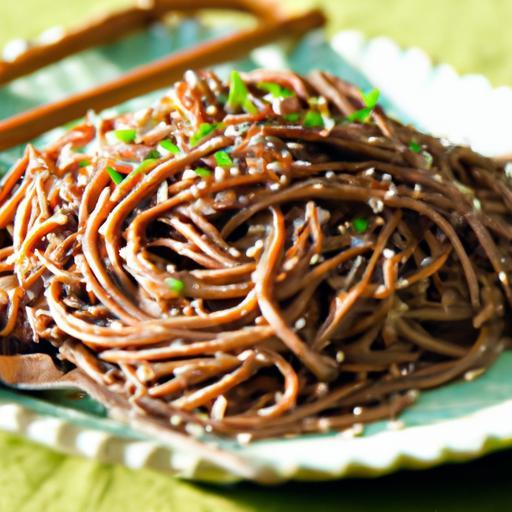
In a world where culinary traditions weave together stories of culture, history, and innovation, buckwheat noodles stand out as a humble yet unusual ingredient. From the misty mountains of Japan to the bustling streets of Eastern Europe, these dark, nutty strands have long been celebrated for their unique flavor and versatile charm. More than just a gluten-free choice, buckwheat noodles carry with them centuries of tradition and a global array of flavorful dishes that showcase their adaptability and depth. Join us as we embark on a flavorful journey around the world, uncovering the distinctive ways buckwheat noodles bring comfort, creativity, and culture to tables everywhere.
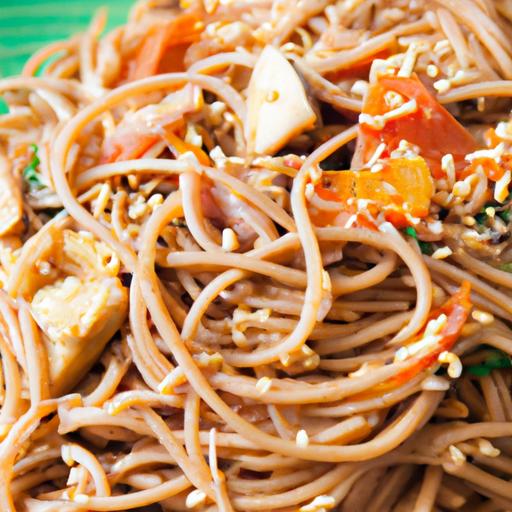
Buckwheat noodles bring a unique harmony of earthy flavor and hearty texture that instantly transports you to the vibrant culinary landscapes of Asia and Europe. Rich in protein, fiber, and essential minerals, these noodles are a nutritional powerhouse that not only satisfy your taste buds but also nourish your body.Drawing from my years of experience as a Culinary Content Creator and Food Stylist,I’m excited to share a recipe that beautifully showcases the versatility and wholesome goodness of buckwheat noodles.
Prep and Cook Time
- Preparation: 15 minutes
- Cooking: 10 minutes
- Total Time: 25 minutes
Yield
Serves 4 generous portions
Difficulty Level
Easy
Ingredients
- 8 oz (225 g) buckwheat noodles,preferably fresh or high-quality dried soba noodles
- 2 tbsp sesame oil
- 3 cloves garlic,finely minced
- 1 tbsp fresh ginger,grated
- 1 medium carrot,julienned
- 1 cup shiitake mushrooms,sliced
- 2 green onions,thinly sliced
- 1 red bell pepper,thinly sliced
- 3 tbsp low-sodium soy sauce
- 1 tbsp rice vinegar
- 1 tbsp honey or maple syrup
- 1 tsp chili flakes (optional,for a gentle kick)
- 1 tbsp toasted sesame seeds,for garnish
- Fresh cilantro leaves,for garnish
Instructions
- Cook the buckwheat noodles: Bring a large pot of water to a rolling boil. add the noodles and cook according to package instructions (usually 4-6 minutes for fresh, 6-8 for dried). Stir gently to prevent sticking. drain and rinse under cold water to stop cooking and set aside.
- Prepare the sauce: In a small bowl, whisk together soy sauce, rice vinegar, honey, and chili flakes (if using). Set aside.
- Sauté aromatics and vegetables: Heat sesame oil in a large skillet or wok over medium-high heat. Add garlic and ginger, sautéing until fragrant, about 1 minute. Add shiitake mushrooms,carrot,and red bell pepper. Sauté until vegetables are tender-crisp, about 4-5 minutes.
- Combine noodles and sauce: Add the cooked buckwheat noodles to the skillet, then pour in the prepared sauce. Toss gently but thoroughly to coat noodles and vegetables evenly without breaking the noodles. Heat through for 2 minutes.
- Finish with fresh elements: Remove from heat and sprinkle in green onions and half the toasted sesame seeds.Toss lightly.
- Plate and garnish: Serve instantly on warm plates,garnished with the remaining sesame seeds and fresh cilantro leaves for an aromatic and colorful finish.
Tips for Success
- Use high-quality buckwheat noodles: Since buckwheat noodles vary in flour ratios, choose those labeled 100% buckwheat or soba with minimal wheat for best texture and nutrition.
- Rinse noodles after cooking: This stops cooking and removes excess starch, preventing gummy noodles.
- Customize vegetables: swap mushrooms for snap peas, add bok choy, or toss in roasted tofu for a protein boost.
- Avoid overcooking the noodles: Buckwheat noodles become mushy quickly, so keep cooking times precise.
- Make it ahead: Prepare the sauce ahead and keep noodles cooked and drained separately; toss right before serving.
Serving Suggestions
For an authentic experience, serve these buckwheat noodles alongside a fresh cucumber salad or spicy kimchi for a bold contrast. Pair with a chilled green tea or a bright, citrus-infused sparkling water to elevate your meal.Garnishing with crushed peanuts or a drizzle of chili oil adds wonderful layers of texture and heat, inviting an interactive dining experience that’s as beautiful as it is delicious.

| Nutrient | Per Serving |
|---|---|
| Calories | 320 kcal |
| Protein | 12 g |
| Carbohydrates | 55 g |
| Fat | 7 g |
Discover more ways to incorporate buckwheat into your kitchen with our collection of buckwheat-inspired dishes. For a deep dive into the health benefits of buckwheat, visit Healthline’s expert guide.
Q&A
Q&A: Buckwheat Noodles - Delicious Dishes from Around the World
Q1: What exactly are buckwheat noodles?
A1: Buckwheat noodles are a type of noodle made primarily from buckwheat flour, a gluten-free seed that’s not related to wheat despite its name. Famous for their nutty flavor and slightly chewy texture, these noodles have been embraced by various cultures for centuries.
Q2: Why are buckwheat noodles special compared to regular wheat noodles?
A2: Beyond their distinctive earthy taste,buckwheat noodles pack a nutritional punch-they’re high in protein,fiber,and essential minerals like manganese and magnesium. Plus, their gluten-free nature makes them a delicious alternative for those with gluten sensitivities.
Q3: Which countries are best known for buckwheat noodle dishes?
A3: Japan, Korea, and Russia have championed buckwheat noodles in their culinary arsenals. Japan’s soba, Korea’s memil guksu, and Russia’s grechnevaia kasha-inspired dishes all showcase the versatility of buckwheat.
Q4: What are some iconic buckwheat noodle dishes from around the world?
A4:
- Japan: Soba noodles served chilled with dipping sauce or hot in flavorful broth.
- Korea: Memil guksu, often enjoyed cold with spicy sauces or in warm soups.
- Russia: While not always noodle-based, buckwheat groats are central, but in some regions, buckwheat pancakes or noodles appear in rustic dishes.
- China: In the mountainous regions, buckwheat noodles are a staple, frequently enough stir-fried or served with local vegetables and broths.
Q5: how can I cook buckwheat noodles at home without them falling apart?
A5: Buckwheat noodles are tender but can become mushy if overcooked.Boil them briefly-usually 3 to 5 minutes-then rinse under cold water immediately to stop cooking and wash away excess starch. This keeps them firm and ready for any recipe.
Q6: What are some creative ways to enjoy buckwheat noodles beyond traditional recipes?
A6: The nutty profile of buckwheat noodles pairs well with bold flavors. Try them in a sesame peanut sauce with crunchy veggies, toss with roasted mushrooms and fresh herbs, or even chill them with a zesty citrus-soy dressing for a refreshing salad.
Q7: Are buckwheat noodles good for a healthy diet?
A7: Absolutely! They’re low in fat, rich in antioxidants, and gluten-free. Their slow-digesting carbs help keep blood sugar stable, making them a smart choice for energy-conscious eaters and those managing dietary restrictions.
Q8: Where can I find good quality buckwheat noodles?
A8: Specialty Asian markets frequently enough carry authentic soba and Korean buckwheat noodles, while organic food stores and online retailers offer gluten-free buckwheat pasta blends. Just check the ingredient list-some soba noodles blend buckwheat with wheat flour, so if you need gluten-free, make sure it’s 100% buckwheat.
Embracing buckwheat noodles opens a flavorful gateway to global kitchens, combining nourishment with tradition and creativity. Whether slurped hot on a chilly night or twirled cold in a summer salad,these humble noodles invite you to savor a worldly bite with every forkful.
Closing Remarks
From the hearty bowls of Japanese soba to the vibrant, spice-kissed plates of Korean naengmyeon and the rustic charm of Eastern European buckwheat pasta, these versatile noodles invite us on a global culinary journey. Whether enjoyed hot or cold, simple or richly adorned, buckwheat noodles offer more than just nourishment-they’re a testament to tradition, culture, and the endless creativity of cooking. So next time you’re seeking a dish that’s both wholesome and globally inspired, let buckwheat noodles guide your taste buds around the world, one delicious bite at a time.