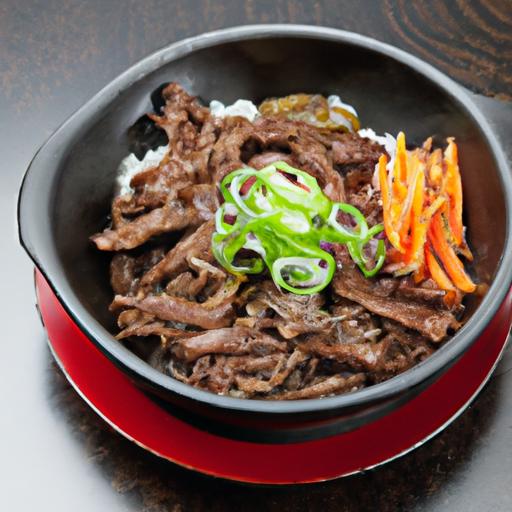

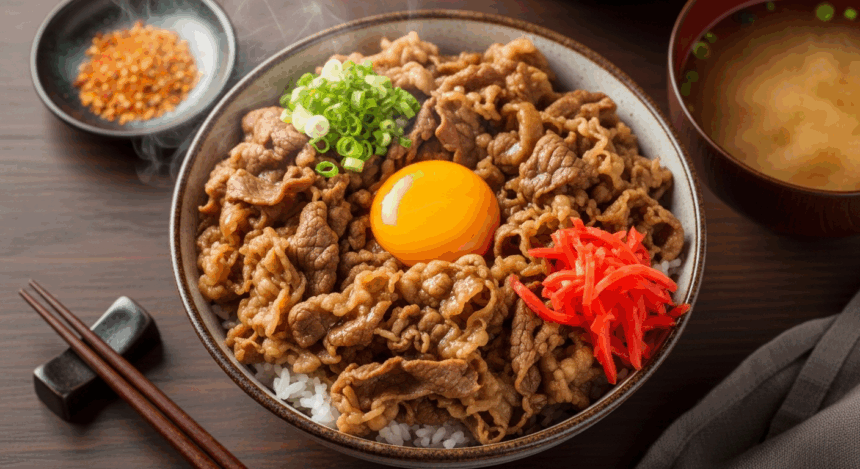
In the bustling heart of Japan’s culinary landscape lies a humble yet irresistible dish that has captured the appetites and imaginations of food lovers worldwide: Gyudon. More than just a bowl of steaming rice crowned with tender slices of beef,Gyudon is a flavorful narrative steeped in tradition,culture,and simplicity.This savory staple, frequently enough dubbed Japan’s ultimate comfort food, offers a fascinating glimpse into the country’s history and evolving palate. Join us as we dive into the rich story behind Gyudon – uncovering its origins, uncovering the secrets of its distinctive taste, and exploring why this unassuming beef bowl continues to reign supreme in kitchens and fast-food counters across Japan and beyond.
Gyudon Wonders begins with a warm,inviting aroma of simmered beef and onions,creating a savory harmony that has delighted Japanese households for generations. This iconic beef bowl, cherished for its comforting simplicity and rich umami depth, originated during Japan’s Meiji era.it merged Western-inspired beef consumption with traditional Japanese rice bowls, becoming a beloved fast-food staple that offers nourishment and nostalgia in every bite.
Prep and Cook Time
- Planning: 10 minutes
- Cooking: 15 minutes
- Total: 25 minutes
Yield
Serves 4 hearty bowls
Difficulty Level
Easy – perfect for beginners eager to dive into authentic japanese home cooking
Ingredients
- 500g thinly sliced beef ribeye (or sirloin, ideally very thin for tenderness)
- 2 medium onions, thinly sliced
- 3 tbsp soy sauce (preferably a dark, full-bodied type)
- 3 tbsp mirin (Japanese sweet rice wine)
- 2 tbsp sake (Japanese rice wine)
- 1 cup dashi stock (homemade or instant dashi powder dissolved in water)
- 2 tsp sugar
- Steamed white rice, for serving
- Pickled ginger (beni shoga), for garnish
- Chopped scallions, for garnish
- Optional: raw or soft-poached egg (onsen tamago) for extra richness
Instructions
- prepare the dashi stock: If not using instant dashi, simmer kombu and bonito flakes in water for 10 minutes and strain. Keep warm.
- Sauté onions: In a medium skillet over medium heat, add a splash of oil and gently cook the thinly sliced onions until translucent and soft, about 5-7 minutes. Stir occasionally to prevent browning.
- Add liquids and flavorings: Pour in dashi stock, soy sauce, mirin, sake, and sugar. Stir gently and bring the mixture to a gentle simmer.
- Simmer beef: Quickly add sliced beef in small batches, spreading it evenly. Simmer on low heat until the beef changes color and is tender, roughly 3 to 5 minutes. avoid overcooking to maintain juiciness.
- Assemble the bowls: Scoop steaming hot white rice into bowls. Spoon the savory beef and onion mixture over the rice, drenching it in the flavorful broth.
- Garnish and serve: Top with vibrant pickled ginger,chopped scallions,and optionally,a soft-poached egg for luscious creaminess.
Tips for Success
- Choose quality beef: Opt for marbled cuts sliced as thin as possible for melt-in-your-mouth texture.
- control sweetness: Adjust sugar and mirin to your preference, balancing the savory soy and dashi tones.
- Make ahead: Prepare the beef mixture and keep warm; reheat gently to serve over freshly cooked rice.
- For richer broth: Add a splash of beef or chicken broth alongside dashi for deeper flavor.
- Vegetarian twist: Substitute beef with thinly sliced shiitake mushrooms, keeping the same savory base.
Serving Suggestions
Present your Gyudon Wonder in classic Japanese donburi bowls to accentuate its homestyle charm. Pair with a crisp cucumber and wakame salad or miso soup to balance the savory richness. A drizzle of shichimi togarashi (Japanese seven-spice) adds a subtle kick and dimension. For authentic flair, serve alongside hot green tea and a side of tamagoyaki (rolled omelette) to complete the experience.
| Nutrient | Per Serving |
|---|---|
| Calories | 480 kcal |
| Protein | 28 g |
| Carbohydrates | 45 g |
| Fat | 18 g |

Explore more about traditional Japanese dishes in our Japanese cuisine Guide and deepen your culinary journey. For a deeper dive into the history of Japan’s beloved meals, visit Japan Guide: Japanese Food Culture.
Q&A
Q&A: Gyudon Wonders – The Savory Story Behind Japan’s Beef Bowl
Q1: What exactly is Gyudon,and why is it such a beloved dish in Japan?
A1: gyudon,which translates to “beef bowl,” is a simple yet deeply flavorful dish consisting of thinly sliced beef and onions simmered in a subtly sweet soy-based sauce,served over piping hot steamed rice. Its widespread popularity stems from its comforting taste, quick preparation, affordability, and the way it perfectly captures the essence of home-style Japanese cooking. It’s more than just a meal-it’s a warm hug in a bowl.
Q2: Where did gyudon originate, and how did it evolve?
A2: Gyudon’s roots trace back to the Meiji era (late 19th century), a transformative period when Japan opened its doors more fully to Western culture and dietary influences.As beef consumption became more common, Japanese cooks adapted Western-style meat dishes into their culinary vocabulary, creating Gyudon as a uniquely Japanese take on beef-and-rice fare. over time, fast-food chains like Yoshinoya popularized Gyudon nationwide, making it a staple quick meal that bridges traditional flavors with modern convenience.
Q3: What makes the flavor profile of Gyudon so distinctive?
A3: The magic lies in its balance-savory dashi stock, rich soy sauce, sweet mirin or sugar, and tender beef combine to create umami-packed depth without overwhelming richness. The thinly sliced beef allows the sauce to penetrate fully, while the subtle sweetness tempers the salty notes, creating a harmonious dance of flavors. A sprinkle of pickled ginger or a soft raw egg adds layers of brightness and creaminess that keep every bite interesting.
Q4: How has Gyudon influenced Japanese food culture beyond just being a dish?
A4: Gyudon has become emblematic of Japan’s fast-paced lifestyle without sacrificing tradition. It represents a culinary crossroads-comfort food for busy workers, students, and families alike. The dish also showcases Japan’s ingenuity in making simple ingredients shine, inspiring chefs worldwide to experiment with minimalism and umami-rich profiles. It’s a cultural icon in a bowl that champions both accessibility and authenticity.
Q5: Can Gyudon be enjoyed outside Japan, and are there variations?
A5: Absolutely! Gyudon has found fans across the globe, with many Japanese restaurants and fast-food outlets offering it internationally.Variations may include adding mushrooms, extra vegetables, or swapping beef for pork or chicken to suit local tastes. Nonetheless of tweaks,the essence remains: tender meat simmered in savory-sweet sauce atop steaming rice.Each variation is a appetizing homage to the original,ensuring that the Gyudon story continues to captivate taste buds worldwide.
Q6: What’s the best way to enjoy Gyudon at home?
A6: To savor Gyudon authentically,start with quality thinly sliced beef,or substitute with ground beef if necessary. Simmer it gently with onions, dashi, soy sauce, and mirin to let the flavors meld. Serve it hot over freshly steamed rice and top with beni shoga (pickled ginger), a raw or soft-poached egg, and a sprinkle of green onions if you like. The key is balancing savory, sweet, and umami notes while keeping the textures tender and comforting. Paired with a warm bowl of miso soup, you have a complete, soul-soothing meal in minutes.
Gyudon is more than a quick bite-it’s a savory story woven through Japanese history, culture, and everyday life. Whether enjoyed at a bustling chain or crafted lovingly at home, every bowl invites you to taste the wonder of Japan’s humble beef bowl.
The Conclusion
From its humble origins as a quick,nourishing meal for busy workers to its status as a beloved comfort food served across Japan and beyond,gyudon truly embodies the art of simplicity and flavor. Each steaming bowl tells a story-not just of tender slices of beef and simmered onions, but of cultural traditions, evolving palates, and the timeless joy found in an everyday delight. Whether enjoyed at a bustling city eatery or recreated in a cozy home kitchen, gyudon invites us to savor more than just a dish; it offers a delicious glimpse into the heart of Japanese cuisine and its enduring charm.As you take your next bite, remember that beneath its unassuming surface lies a rich, savory saga waiting to be discovered bite by bite.