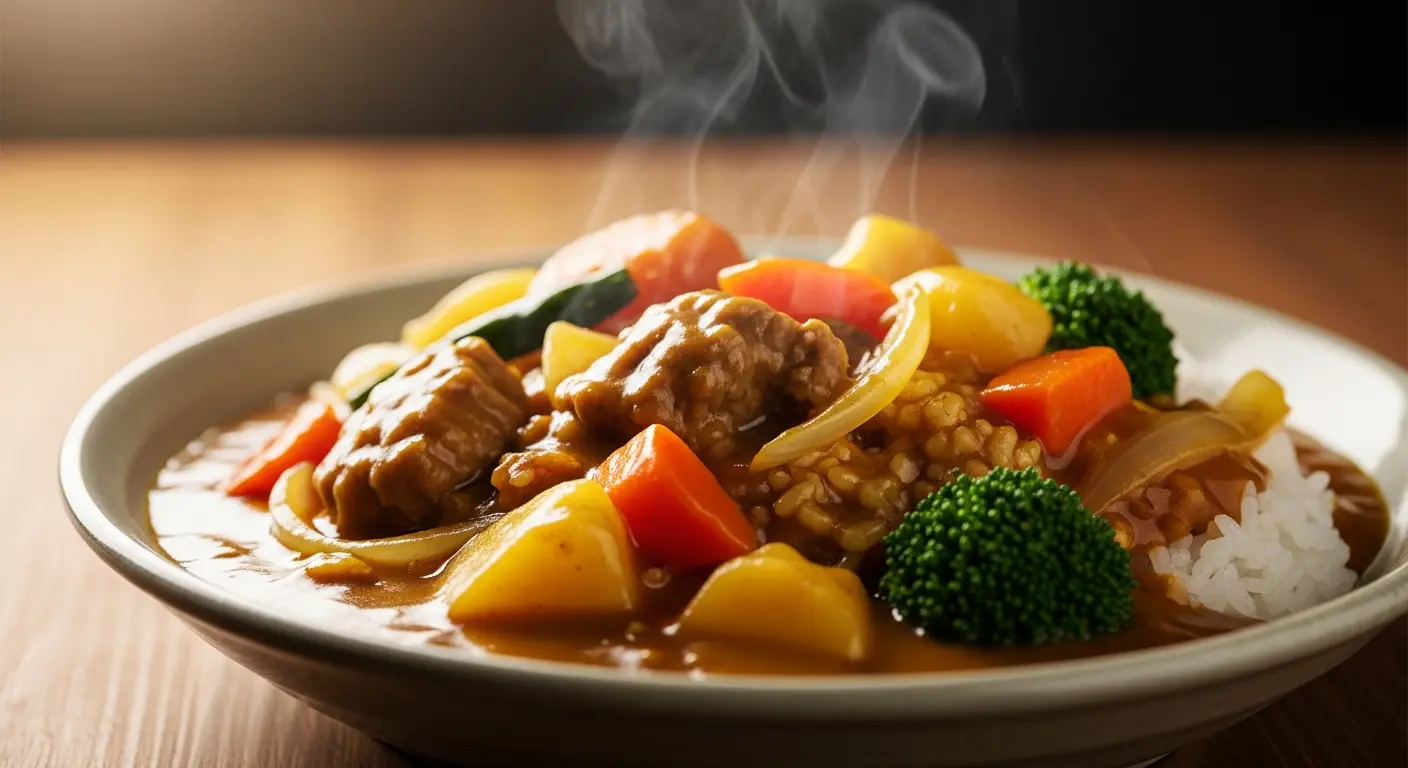

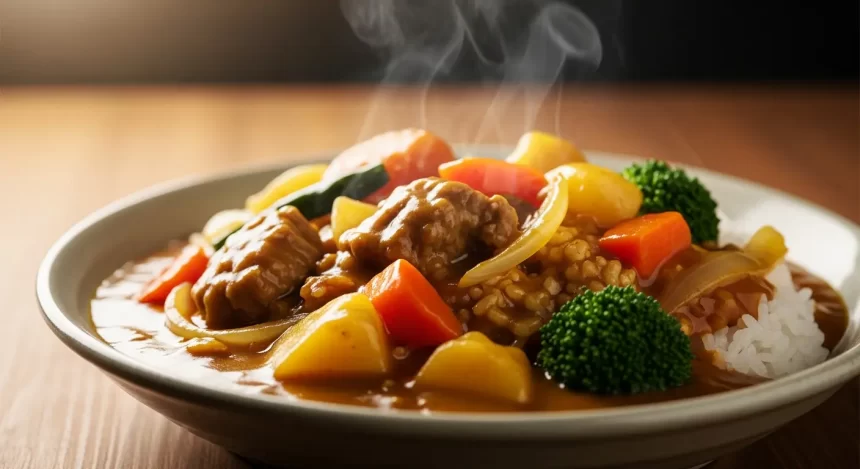
Japan’s culinary landscape is a treasure trove of flavors, but few dishes capture the heart of home cooking quite like Japanese curry. Rich, comforting, and deeply satisfying, this beloved dish carries a story that goes beyond its savory layers. Unlike its spicier Indian or Thai cousins, Japanese curry offers a unique balance of sweet, umami, and mild heat – a flavor profile that has made it a staple on dinner tables across the country. In this step-by-step guide, we’ll unravel the secrets behind authentic japanese curry, from choosing the perfect ingredients to mastering the slow-simmered sauce that defines its character.Authentic Japanese Curry Whether your a seasoned foodie or a curious beginner, prepare to embark on a flavorful journey that will transform the way you experience curry forever.Authentic Japanese Curry
Unlock the secrets of Authentic Japanese Curry by delving into the fascinating origins and unique culinary roots that shape this beloved dish. Japanese curry, or kare, is much more than just a stew; it’s a symbol of cultural fusion and comfort that has evolved since its introduction in Japan during the late 19th century, brought by the British Navy. Unlike its spicier South Asian cousins, Japanese curry developed a mellow, savory profile perfectly suited to Japanese tastes, combining ingredients and techniques that create a rich, hearty meal loved at home and in restaurants alike.Authentic Japanese Curry
Prep and Cook Time
- Preparation Time: 20 minutes
- Cooking Time: 45 minutes
- Total time: 1 hour 5 minutes
Yield
Serves 4 generous portions
Difficulty Level
Medium – Perfect for confident home cooks looking to master authentic techniques
Essential Ingredients for Creating Rich and Flavorful Curry
- 300g beef chuck or pork shoulder, cut into 1-inch cubes
- 2 medium onions, thinly sliced
- 2 medium carrots, peeled and chopped into chunks
- 2 medium potatoes, peeled and diced
- 3 cups chicken broth or homemade dashi for extra umami
- 3 tbsp butter
- 4 tbsp all-purpose flour
- 2 tbsp curry powder (Japanese style, mild preferred)
- 1 tbsp garam masala
- 1 tsp turmeric
- 1 tsp grated fresh ginger
- 2 cloves garlic, minced
- 1 tbsp soy sauce
- 1 tbsp honey or mirin
- 1 apple, grated (adds natural sweetness)
- Salt and freshly ground black pepper, to taste
- Steamed Japanese short-grain rice, for serving
Mastering the Art of Curry Roux: Techniques and Tips
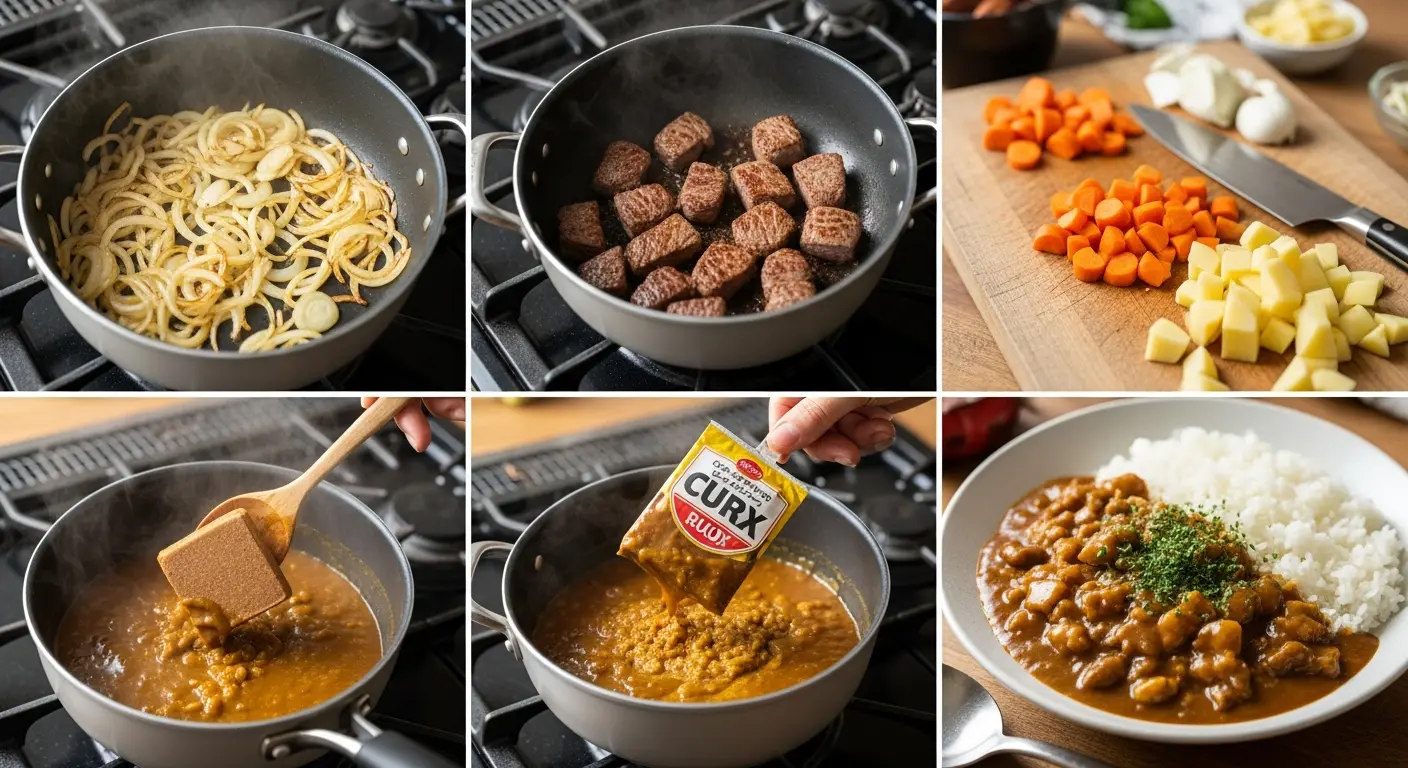
- Make the roux: In a heavy-bottomed skillet, melt 3 tablespoons butter over medium-low heat. Sprinkle in 4 tablespoons all-purpose flour gradually, stirring constantly wiht a wooden spoon or whisk to prevent lumps. Cook until the mixture turns a warm golden brown with a nutty aroma, about 5-7 minutes.Authentic Japanese Curry
- Layer spices slowly: Add 2 tablespoons curry powder, 1 tablespoon garam masala, and 1 teaspoon turmeric to the roux.Stir thoroughly to blend the spices evenly, allowing them to toast lightly without burning for 1-2 minutes. This will enhance depth and complexity.Authentic Japanese Curry
- Sauté the aromatics: In a large pot, heat a little oil and sauté thinly sliced onions until caramelized and golden, about 15 minutes.Add garlic and ginger next, cooking until fragrant.
- Brown the meat: Add your chosen cubed beef or pork, browning on all sides to seal in flavor. This step creates savory umami that elevates your curry.Authentic Japanese Curry
- Add vegetables: Toss in chopped carrots and potatoes, stirring gently to combine.Authentic Japanese Curry
- Simmer with broth: Pour in 3 cups chicken broth or dashi, bring to a boil, then reduce heat. Cover and simmer gently for 30-40 minutes until meat is tender.
- Incorporate roux and sweetness: whisk in the prepared curry roux gradually into the pot. Add grated apple, soy sauce, and a drizzle of honey or mirin for balance. Simmer another 10 minutes, stirring occasionally until the sauce thickens to a luscious consistency.Authentic Japanese Curry
- Season and finish: Taste and adjust seasoning with salt and pepper.Authentic Japanese Curry For a richer, silkier curry, stir in a knob of butter or a splash of cream if desired.Authentic Japanese Curry
chef’s Notes: Tips for Success
- Vegetarian option: replace meat with hearty vegetables like eggplant,mushrooms,or tofu and use vegetable broth in place of chicken broth.
- Make ahead: Japanese curry tastes even better the next day as flavors deepen; store in an airtight container and gently reheat.
- Adjust thickness: If too thick, thin with stock or water; if too thin, mix a teaspoon of cornstarch with cold water and gently simmer to thicken.
- Spice levels: Easily customize by increasing curry powder or adding chili flakes for warmth without overwhelming the signature mildness.
- Roux storage: Make extra roux and refrigerate for up to a week or freeze in portions to save time for next cooking sessions.Authentic Japanese Curry
Perfecting Your Curry Experience with Ideal Pairings and Presentation
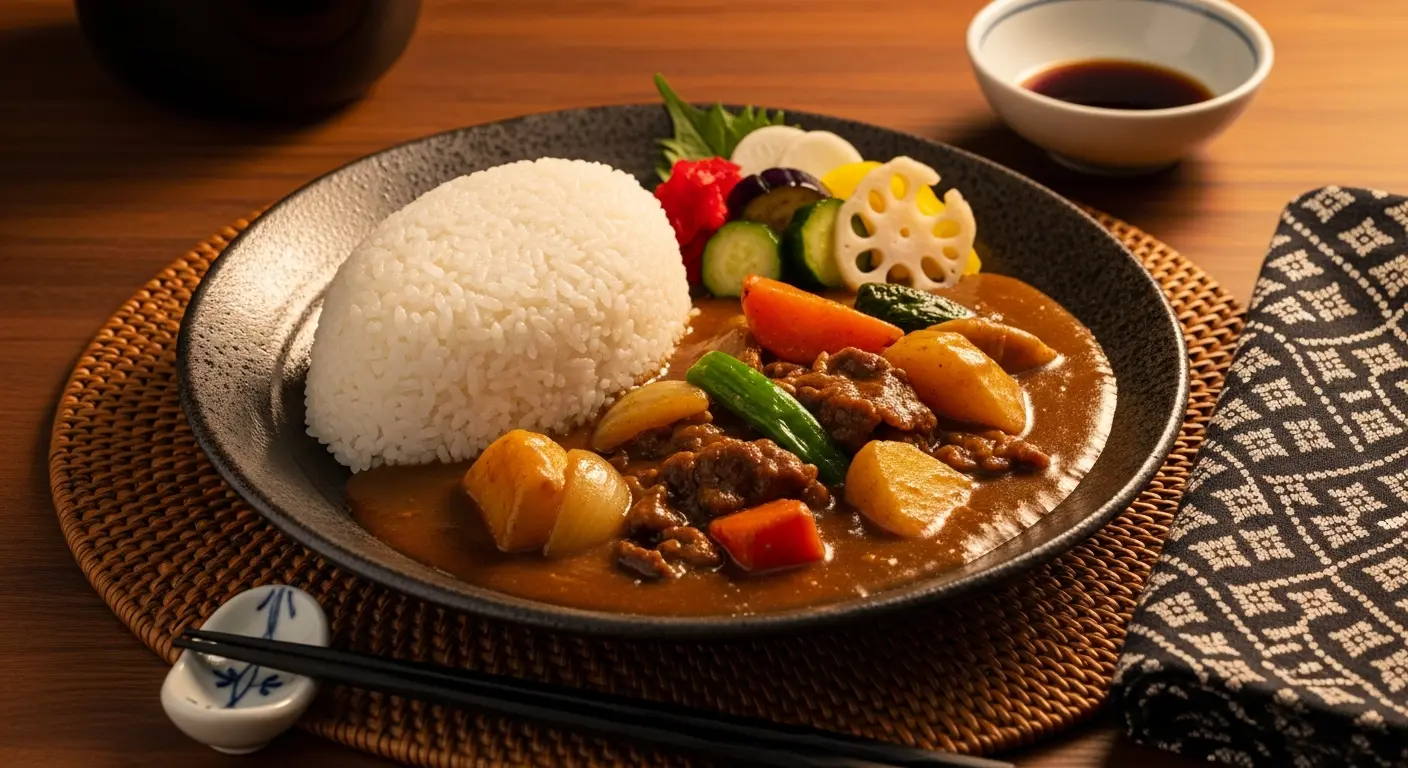
Present this golden-hued curry in wide, shallow bowls over steaming mounds of perfectly cooked Japanese short-grain rice (uruchimai). The fluffy rice soaks up the velvety sauce for each comforting mouthful. Garnish with a sprinkle of finely chopped scallions or fresh parsley for a pop of color. For authentic accompaniments, add fukujinzuke (sweet pickled vegetables) or rakkyo (pickled shallots) on the side, offering a refreshing contrast.
Consider serving with a crisp, chilled Japanese beer or a mild green tea to cleanse the palate between bites, enhancing the overall savoriness and aromatic layers of this dish. For an elegant touch, a small bowl of fresh salad with a light sesame dressing pairs beautifully without overpowering the curry.

| Nutrient | Per Serving |
|---|---|
| Calories | 480 kcal |
| protein | 30 g |
| Carbohydrates | 50 g |
| fat | 15 g |
For more inspiration on traditional Japanese dishes, explore our Japanese Home Cooking Guide. Learn about the history and subtle flavor nuances of other iconic meals.
Deepen your understanding of curry’s global journey and intricate spice blends at Encyclopaedia Britannica on Curry.
Q&A
Q&A: Unlock the Secrets of Authentic Japanese curry – A Step-by-step Guide
Q1: What makes Japanese curry different from other types of curry?
A1: Japanese curry is uniquely comforting and thick, with a mild yet deeply savory flavor profile. Unlike the frequently enough spicier Indian or Thai curries, japanese curry focuses on a harmonious blend of sweetness, umami, and gentle warmth, creating a dish that feels like a warm hug in a bowl. The use of a roux base – a mix of butter, flour, and curry powder – gives it that signature smooth and luscious texture.Authentic Japanese Curry
Q2: Why is the roux so essential in making authentic Japanese curry?
A2: The roux is the secret backbone of authentic Japanese curry. It acts as a thickening agent and flavor enhancer, marrying spices and broth into a velvety sauce. The careful browning of the roux lends depth and richness, transforming simple ingredients into a complex, savory symphony. Skipping this step means losing the curry’s hallmark creaminess and balance.
Q3: What ingredients are traditionally used in Japanese curry?
A3: Traditional Japanese curry typically stars tender chunks of meat (usually beef,chicken,or pork),hearty vegetables like potatoes,carrots,and onions,and a subtle blend of spices. Apple or honey might be added for sweetness, and soy sauce or Worcestershire sauce brings an umami boost. The beauty lies in simplicity and balance-no overpowering heat,just layered flavors.Authentic Japanese Curry
Q4: How do you achieve the perfect consistency for Japanese curry sauce?
A4: achieving the ideal consistency is all about patience and technique. Start by making the roux until it’s deep golden brown, then gradually whisk in broth to avoid lumps. Simmer gently to allow the sauce to thicken naturally as the ingredients soften. The final texture should be thick enough to coat rice but still spoonable,like a comforting blanket over your bowl.Authentic Japanese Curry
Q5: Can Japanese curry be customized for dietary preferences?
A5: Absolutely! Japanese curry is wonderfully adaptable. Vegetarians can swap meat for tofu, mushrooms, or additional root vegetables. For a lighter version, use chicken breast or lean pork and go easy on the roux. Gluten-sensitive cooks can prepare a gluten-free roux using alternative flours. the essence is preserving that rich, balanced flavor no matter the dietary tweaks.Authentic Japanese Curry
Q6: What’s the best way to serve authentic Japanese curry?
A6: Traditionally, Japanese curry is served piping hot over a bed of fluffy white rice, allowing the sauce to soak delightfully into each grain. It’s often accompanied by pickled vegetables like fukujinzuke or rakkyo to add a crisp, tangy contrast. For a crispy twist, try it with katsu (breaded fried cutlets) on top-katsu curry is a beloved variation that brings texture and heartiness.Authentic Japanese Curry
Q7: Any tips for a beginner attempting Japanese curry at home?
A7: Start with good-quality curry powder and fresh ingredients-your curry’s magic begins there. Don’t rush the roux; let it develop color slowly over low heat for maximum flavor. Taste as you go and adjust sweetness or saltiness with a pinch of sugar, soy sauce, or even a splash of coffee for depth. And remember, curry improves with time, so leftovers often taste even better!Authentic Japanese Curry
Unlocking authentic Japanese curry is less about complex recipes and more about understanding the dance between texture, flavor, and patience. With this guide and a willing palate, you’re ready to embark on a delicious culinary adventure that brings a cherished slice of Japan right to your kitchen.Authentic Japanese Curry
The conclusion
Unlocking the secrets of authentic Japanese curry is more than just mastering a recipe-it’s about embracing a culinary tradition that blends rich flavors, cultural history, and heartfelt comfort. With each step carefully outlined in this guide, you now have the tools to recreate that warm, savory magic right in your own kitchen. Whether you’re a seasoned cook or a curious beginner, remember that the true essence of Japanese curry lies in patience, quality ingredients, and a touch of personal flair. So, don your apron, gather your spices, and let this beloved dish transport you to the bustling streets of Japan-one delicious spoonful at a time. Happy cooking!Authentic Japanese Curry