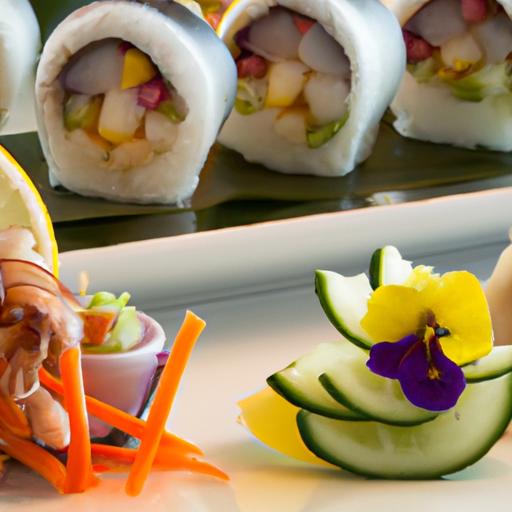

In the world of culinary artistry, sushi stands as a vivid testament to the harmony of flavor, texture, and visual elegance. Yet, beyond the delicate balance of fresh ingredients lies an often overlooked masterpiece: the presentation. Mastering sushi plate presentation transforms each bite into a multisensory journey, where every element is thoughtfully arranged to delight not only the palate but also the eyes. This article dives into the art of sushi plating,revealing techniques and secrets that elevate a simple dish into an exquisite work of edible art-proving that with sushi,beauty truly is on the inside and out.
Mastering sushi plate presentation is an art that begins with choosing the perfect plate and arrangement to transform each bite into a visual feast.The right ceramics, colors, and textures elevate your sushi display, inviting diners to savor every piece with their eyes first. Crafting an irresistible sushi layout combines thoughtfulness, creativity, and balance – here’s how to bring those elements to life in your culinary creations.
Prep and Cook Time
- Prep Time: 30 minutes
- Cook Time: 15 minutes
Yield
- Serves 4 - Perfect for an intimate gathering or family meal
Difficulty level
- Medium – ideal for those with basic sushi making skills looking to up their presentation game
Ingredients
- 2 cups sushi rice, cooked and seasoned
- 8 sheets nori (seaweed)
- 200g fresh sashimi-grade salmon, sliced thinly
- 150g fresh tuna, sliced thinly
- 1 avocado, thinly sliced
- 1 small cucumber, julienned
- 2 tablespoons tobiko (flying fish roe)
- 2 teaspoons black sesame seeds
- Pickled ginger and wasabi, for serving
- Edible flowers (like nasturtium or shiso flowers)
- fresh microgreens for garnish
- Soy sauce, for dipping
Instructions
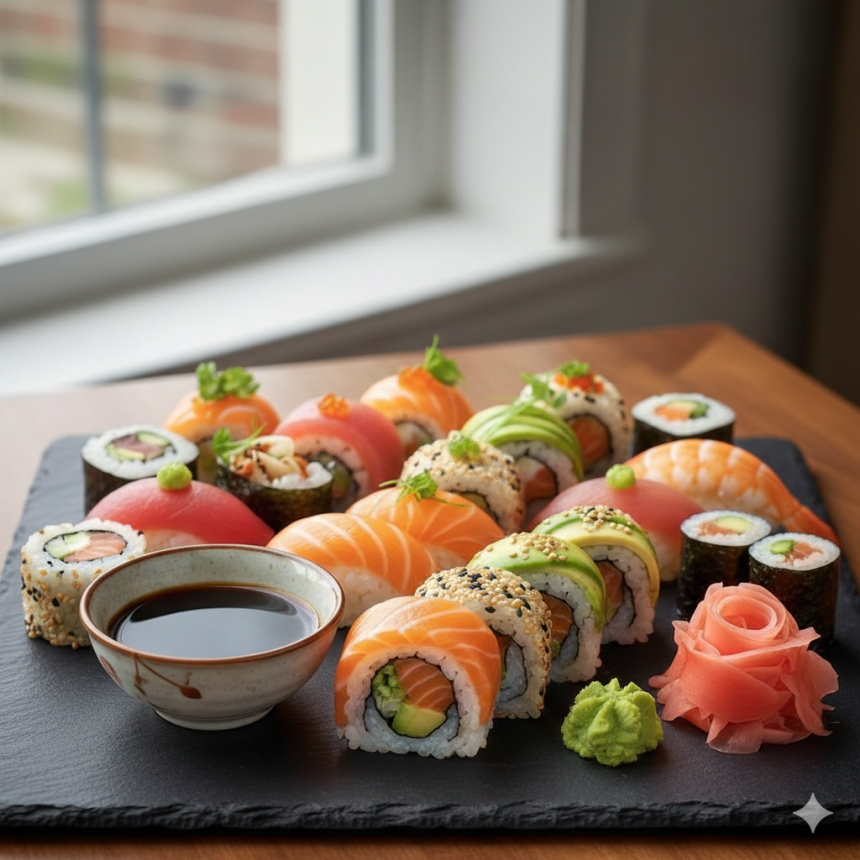
- Select Your Plate Wisely: Choose a flat, minimal ceramic plate or bamboo tray in neutral tones like slate grey, white or soft beige. This creates the perfect backdrop that makes your sushi colors pop without overwhelming the eye.
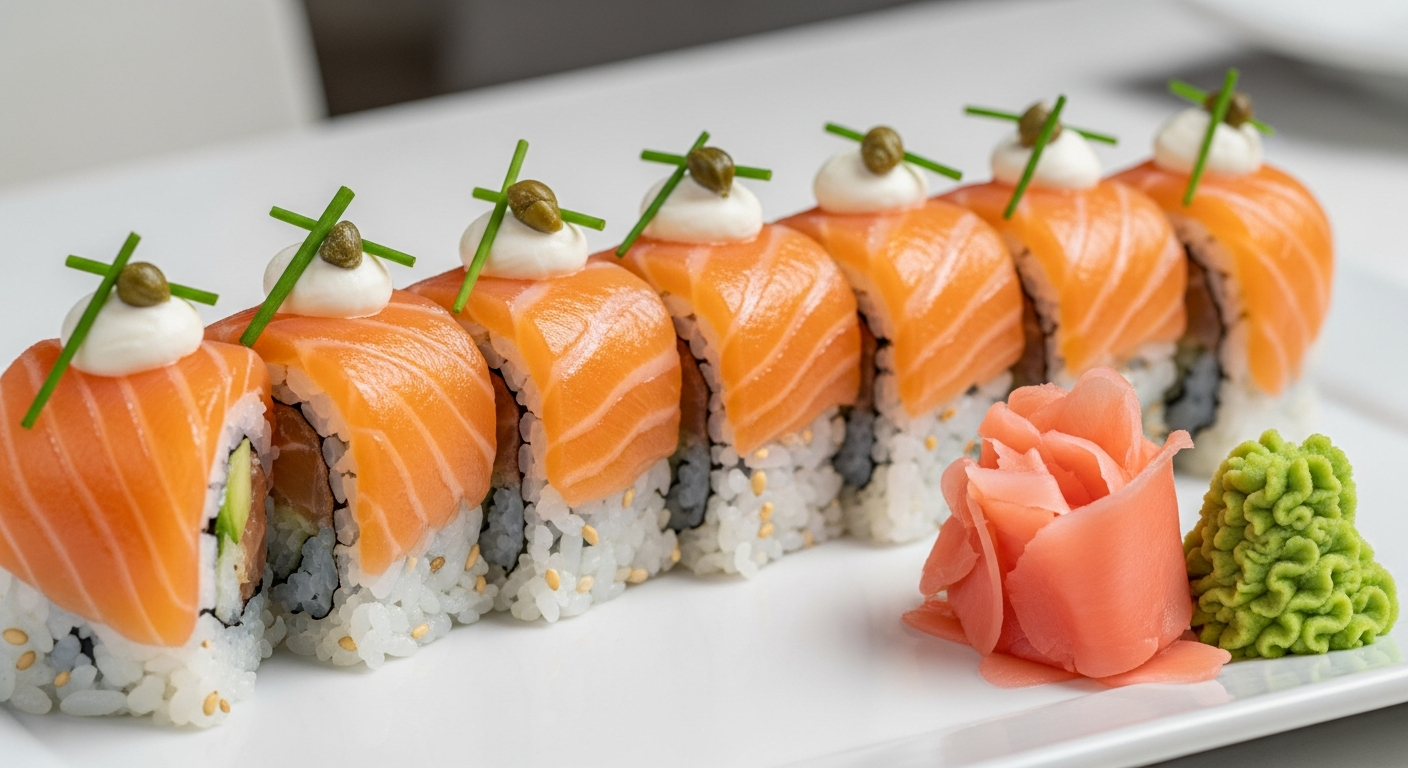
- Arrange Textural and Color Contrasts: Alternate vibrant salmon orange, deep ruby tuna, and cool green avocado along the plate. Use sushi rolls and sashimi in varied shapes to contrast softness with bite-sized firmness.
- Space Thoughtfully: Leave breathing room between pieces-about one inch apart-to showcase each item individually and avoid clutter. Use asymmetric placement to guide the eye across the plate naturally.
- Incorporate Edible garnishes: Lightly scatter black sesame seeds and bright orange tobiko for delicate texture contrast and a burst of color. Nestle microgreens and edible flowers strategically for freshness and elegance.
- Add Flavor-Enhancing Touches: Place small dollops of wasabi and pickled ginger artfully on the side, balancing brightness and simplicity. Consider a thin line of soy sauce poured or placed in a small dipping bowl with a minimalist design.
- Final Touches: Before serving, wipe any smudges from the plate edge. For extra flair, lightly spray a subtle mist of water on cucumber or avocado slices to keep them glossy and fresh.
Tips for Success
- Use matte plates when you want vibrancy to stand out and glossy plates for a sleek, modern look.
- Balance your colors using the color wheel-pair complementary hues like the warm orange of salmon with green avocado for maximum visual impact.
- If fresh edible flowers are unavailable, substitute with thinly sliced shiso leaves for fragrance and depth.
- To keep sushi cool and fresh during plating,briefly chill your serving plates beforehand in the fridge.
- Practice portion control by limiting to 6-8 pieces per person-this promotes a refined and elegant dining experience without overwhelming the table or palate.
Serving Suggestions
Present your sushi with small ceramic soy sauce dishes placed near each setting for personal dipping. Complement the display with a chilled sake carafe or a light Japanese green tea. For a tactile delight, offer chopsticks resting on delicate holders shaped like bamboo or koi fish. accompany your sushi spread with a simple bowl of miso soup or seaweed salad for a balanced and inviting meal atmosphere.
| Nutrient | Per Serving |
|---|---|
| Calories | 320 |
| Protein | 22g |
| Carbohydrates | 34g |
| Fat | 8g |

For more insights on perfecting sushi techniques, explore our detailed sushi rolling guide. For culinary inspiration beyond sushi, check out Serious Eats, a trusted source for expert food styling and recipes.
Q&A
Q&A: Mastering Sushi Plate Presentation – Art on every Bite
Q1: Why is sushi plate presentation considered an art form?
A1: Sushi is more than just food; its a visual and sensory experience. Each piece is meticulously crafted to balance color, texture, and form, turning the plate into a canvas. The presentation enhances anticipation and appreciation, making every bite a masterpiece in flavor and aesthetics.
Q2: What are the key elements to focus on when presenting sushi on a plate?
A2: Balance, harmony, and contrast are vital. consider the colors-vibrant reds, greens, and whites should complement each other. Texture variation adds interest, and the arrangement should guide the eye naturally across the plate. Minimalism often works best, letting each piece shine without overcrowding.
Q3: How vital is the choice of plate or serving vessel in sushi presentation?
A3: The plate is your stage-it sets the tone. Customary ceramic plates with subtle hues highlight the sushi’s colors, while wooden or slate boards evoke natural simplicity. The plate size should frame the sushi without overwhelming or cramping it, enhancing the overall experience.
Q4: Can nature inspire sushi plating techniques?
A4: Absolutely! Sushi plating often draws from natural motifs-waves, blossoms, and seasons. Edible garnishes like shiso leaves or delicate wasabi flowers mimic flora, and arrangement styles can echo the flow of rivers or the symmetry of petals. This connection to nature deepens the dining experience.
Q5: How can beginners practice sushi plate presentation at home?
A5: Start with a clean, simple layout-space sushi pieces evenly and use fresh garnishes sparingly for color. Experiment with different plate shapes and sizes, and pay attention to balance and symmetry. Photograph your creations to refine your eye over time. Remember, presentation is a form of storytelling: each plate tells a flavor tale.
Q6: What role does seasonality play in sushi presentation?
A6: Seasonality is crucial-it influences ingredient selection and visual themes. Spring rolls might feature pale greens and cherry blossoms, while autumn plates incorporate deep oranges and rustic leaves. Using seasonal elements not only enhances freshness but creates a connection between the diner and nature’s rhythms.
Q7: How do chefs ensure that sushi presentation doesn’t overshadow taste?
A7: Presentation sets expectations, but taste seals the deal. Expert chefs focus on harmony-flavors, textures, and aesthetics work in concert. Plating is designed to enhance, not distract. Every decoration is edible or subtle enough not to compete with the sushi itself, ensuring the artistry complements the cuisine’s essence.
Q8: What is a common mistake to avoid in sushi plate presentation?
A8: Overcrowding the plate is a classic misstep. Too many pieces or overly elaborate garnishes can muddle the visual story and overwhelm the diner. Simplicity with intentional accents often makes a stronger impact, allowing each piece to be appreciated fully.
Mastering sushi plate presentation transforms a meal into an immersive party of art, culture, and flavor-capturing beauty on every bite.
Future Outlook
As you embark on your journey to master sushi plate presentation, remember that each dish is more than just a meal-it’s a canvas where tradition meets creativity. Every slice of fish, every grain of rice, and every garnish is a brushstroke contributing to a story told through color, texture, and balance. By honing your eye for detail and embracing the artistry behind plating, you transform simple bites into unforgettable experiences. In the world of sushi, presentation is not merely a final touch-it is indeed an essential ingredient that elevates every bite into a work of edible art. So, let your creativity flow and watch as your sushi plates become masterpieces that delight both the palate and the eye.