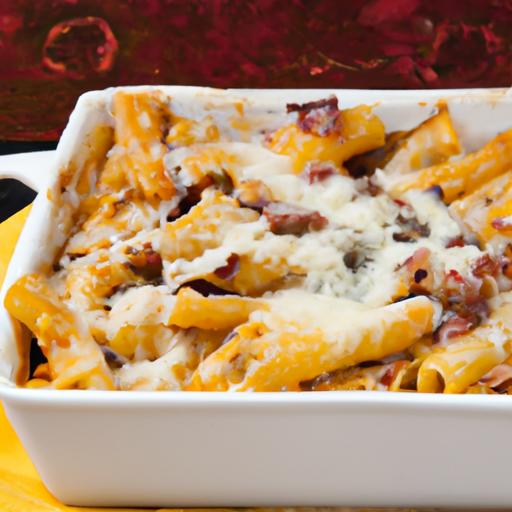

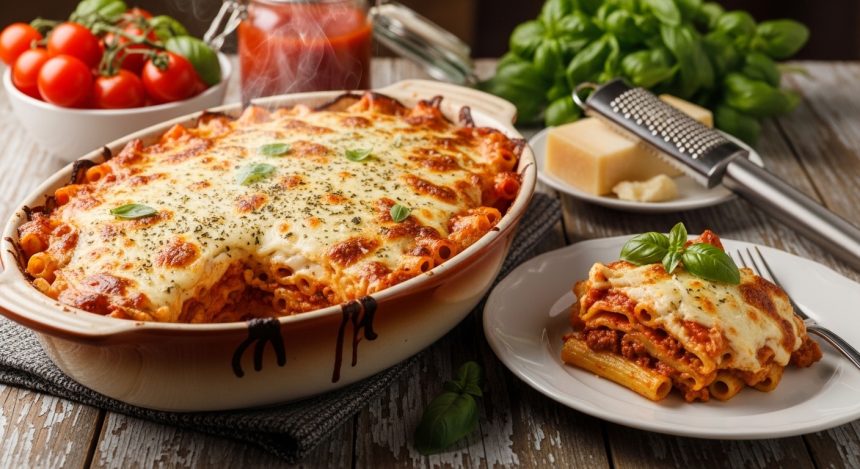
There’s something undeniably comforting about the golden, bubbling crust of a perfectly baked pasta dish-the kind that beckons you from the oven with savory aromas and promises of hearty satisfaction. Welcome to the world of Pasta al Forno, where al dente noodles meet rich sauces, melted cheeses, and a kiss of oven-fired magic.in this ultimate guide to baked pasta bliss, we’ll explore the history, essential techniques, and irresistible variations of this beloved Italian classic. Whether you’re a kitchen novice or a seasoned cook, prepare to unlock the secrets to creating your own tray of warm, cheesy perfection that’s sure to become a family favorite. Let’s dive into the art of transforming simple ingredients into a bubbling masterpiece that’s much more than just dinner-it’s an experience.
Pasta al Forno: Choosing the Perfect Pasta Shapes for Baked Dishes
Pasta al Forno is a beloved Italian classic that combines tender pasta with rich sauces, melted cheeses, and crispy baked edges. Selecting the ideal pasta shape is crucial to achieving that comforting balance of creamy interior and golden exterior,making every forkful a delight. Whether you favor macaroni’s cozy nooks or the tubular embrace of rigatoni, understanding pasta shapes sets the stage for baked pasta bliss.
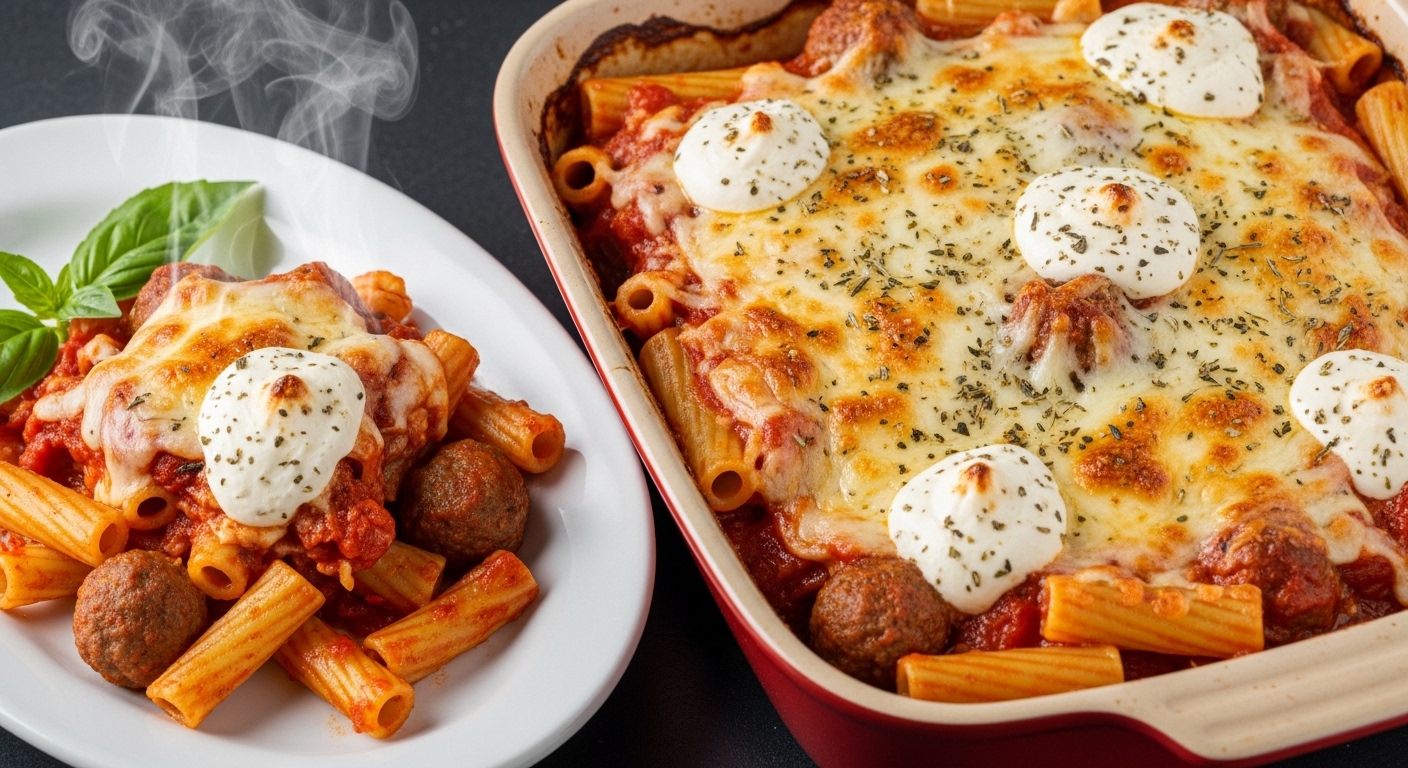
Prep and Cook Time
- Preparation: 20 minutes
- Cooking: 40 minutes
- Total Time: 1 hour
Yield
- Serves 6 generous portions
Difficulty Level
- Medium – Perfect for home cooks eager to elevate classic comfort food
Ingredients
- 400g rigatoni or penne pasta
- 3 cups marinara or Bolognese sauce
- 2 cups shredded mozzarella cheese
- 1 cup grated Parmesan cheese
- 1 cup ricotta cheese
- 2 tbsp olive oil
- 1 small onion, finely chopped
- 2 garlic cloves, minced
- salt and freshly ground black pepper, to taste
- Fresh basil leaves for garnish
Instructions
- Preheat your oven to 375°F (190°C). Lightly grease a 9×13 inch baking dish with olive oil to prevent sticking.
- Cook the pasta in salted boiling water until it’s just shy of al dente - about 1-2 minutes less than package instructions. Drain and toss with a drizzle of olive oil to avoid clumping.
- Prepare your sauce base: In a sauté pan, heat olive oil over medium heat. Add onion and garlic,sautéing until translucent and fragrant,about 5 minutes. Pour in your marinara or Bolognese sauce, simmer gently for 10 minutes to meld flavors. Season with salt and pepper.
- Combine pasta and sauce: transfer the cooked pasta into a large bowl.Add half of the sauce, stirring gently until every piece is coated.
- Layering time: Spread a thin layer of sauce on the bottom of your baking dish. Add half the pasta mixture evenly over the sauce.Dollop ricotta cheese sparingly over the layer, then sprinkle a generous handful of shredded mozzarella and Parmesan.
- Repeat the layering: Add remaining pasta, top with the remaining sauce and finish with the rest of your mozzarella and Parmesan cheese for that coveted golden crust.
- Bake uncovered for 25-30 minutes until the cheese bubbles and turns a beautiful golden brown. for extra crispiness, broil the last 2-3 minutes-but watch carefully to avoid burning.
- Rest before serving: allow the Pasta al Forno to cool for 5-10 minutes. This lets the layers settle and makes slicing easier.
Chef’s Notes: Mastering Sauce Selection and Layering Techniques
Choosing the right sauce sets the tone for your baked masterpiece. Thicker, hearty sauces like Bolognese cling beautifully to ridged pasta shapes like rigatoni, filling each cavity with meaty goodness. For lighter options, smooth marinara or creamy béchamel work just as well. When layering, remember that less is more-too much sauce can make the dish soggy, while too little leaves it dry. Use ricotta or béchamel to introduce creamy pockets, and balance with sharper cheeses like Parmesan to enhance depth.
Cheese Varieties That Melt Into Golden Perfection
Mozzarella remains king for ooey-gooey melts,but mixing cheeses is the secret to complexity. ricotta adds luscious creaminess without overpowering,while Parmesan provides savory sharpness and helps form that golden crust. For adventurous cooks, consider adding provolone or fontina for nutty undertones. Always shred your cheese fresh if possible; pre-shredded options ofen contain anti-caking agents that can hinder melt quality.
Baking Tips and Tricks for Crispy, Gooey Results
For unbeatable contrasts, bake your Pasta al Forno uncovered to encourage evaporation, which crisps edges and intensifies flavor.Use an oven-safe dish with shallow sides to expose more pasta surface for browning. A light brush of olive oil on the top layer before baking boosts caramelization. To get perfectly gooey interiors with a delightful crisp top, monitor baking times closely-overbaking can dry out your creation. Lastly, resting your pasta post-bake sets the structure, making for clean, elegant slices.
Serving Suggestions
Present your Pasta al Forno with vibrant garnishes to brighten the hearty dish. Sprinkle fresh basil or oregano leaves atop, adding a pop of color and fresh aroma. A drizzle of good-quality extra virgin olive oil or a few red pepper flakes can elevate the presentation and flavor.Serve alongside a crisp green salad or roasted vegetables to balance richness with refreshing textures.
| nutrient | Amount (per serving) |
|---|---|
| Calories | 460 kcal |
| Protein | 22g |
| Carbohydrates | 50g |
| Fat | 16g |

for more Italian baked pasta inspiration, check out our Classic Lasagna Recipe. Learn about pasta shapes and history from the International Pasta Organization.
Q&A
Q&A: Pasta al Forno - The Ultimate Guide to Baked Pasta Bliss
Q1: What exactly is Pasta al Forno?
A1: pasta al forno, literally meaning “pasta from the oven” in Italian, is a soul-warming baked pasta dish layered with rich sauces, melted cheeses, and sometimes meats or vegetables. Think of it as a cozy casserole that brings pasta, sauce, and cheese together in perfect, bubbly harmony-comfort food elevated to gourmet territory.
Q2: How is Pasta al Forno different from regular pasta dishes?
A2: Unlike stovetop pasta that’s mixed and served instantly, pasta al Forno involves assembling cooked pasta with sauce and other ingredients, then baking it in the oven. This process creates a luscious crust on top and allows flavors to meld deeply, turning each bite into a textured, gooey, and profoundly satisfying experience.
Q3: What types of pasta work best for baking?
A3: Tube-shaped or ridged pastas like penne,rigatoni,ziti,and even short macaroni are perfect because their cavities trap sauce and cheese,making every mouthful bursting with flavor. Avoid very thin or delicate pastas that might turn mushy after baking.
Q4: Which sauces are traditional in pasta al Forno?
A4: The classic combination involves a hearty tomato-based ragù-think slow-simmered meat sauces-or a creamy béchamel layered under and over the pasta. Many recipes also blend mozzarella,parmesan,and ricotta for melty richness that struts a perfect cheesy balance.
Q5: Can Pasta al Forno be made vegetarian or vegan?
A5: Absolutely! Swap meat ragù for roasted vegetables, mushrooms, or lentils in a tomato sauce, and use plant-based cheeses or homemade cashew creams to recreate that luscious texture for vegan-friendly baked pasta bliss.
Q6: How do you assemble and bake Pasta al Forno?
A6: Start by pre-cooking your pasta just shy of al dente, then mix it with your chosen sauce and fillings. Layer everything in a baking dish-pasta, sauce, cheese-and top generously with shredded cheese or breadcrumbs for a crisp golden crust.Bake at around 350°F (175°C) until bubbling and browned, typically 25-40 minutes.
Q7: Any insider tips for achieving the perfect baked pasta?
A7: Yes! Don’t overcook your pasta initially; it’ll finish cooking in the oven, absorbing those divine sauces. Also, let the baked dish rest for about 10 minutes after coming out of the oven-this helps it set and makes serving easier. mix textures and flavors creatively: a sprinkle of fresh herbs or a touch of spicy chili flakes can elevate the dish spectacularly.
Q8: What cultural importance does Pasta al Forno hold?
A8: Rooted deeply in Southern Italian and Sicilian traditions, Pasta al Forno is a celebratory dish frequently enough reserved for holidays, family gatherings, or special Sunday dinners. It embodies the Italian spirit of conviviality and comfort, transforming humble ingredients into a festive feast for the senses.
Q9: How can one personalize their Pasta al Forno recipe?
A9: The beauty of Pasta al Forno is in its versatility! Experiment with fillings like sausage, eggplant, or spinach, swap cheeses, or infuse sauces with different herbs and spices. Whether you crave something rustic and hearty or light and veggie-packed, there’s a Pasta al Forno waiting to match your mood.
Q10: Where can beginners find reliable pasta al forno recipes to start their baking adventure?
A10: Start with classic Italian cookbooks or trusted food blogs specializing in Mediterranean cuisine. Look for recipes featuring clear ingredient lists and cooking times, and don’t be afraid to watch a few video tutorials to see the layering and baking processes in action-because once you master the basics, the only limit is your creativity!
Future Outlook
Whether you’re a seasoned cook or a curious foodie, mastering Pasta al Forno opens up a world where comfort meets creativity in every golden, bubbling bite. Armed with this ultimate guide,you’re ready to transform simple ingredients into a soulful symphony of textures and flavors straight from the oven. So, gather your favorite cheeses, sauces, and pastas, and let your kitchen become a haven of baked pasta bliss. Because when it comes to Pasta al Forno, every dish is more than a meal-it’s a celebration of warmth, tradition, and endless tasty possibilities.Buon appetito!