
Crispy Delight: How to Make Perfect Agedashi Tofu at Home
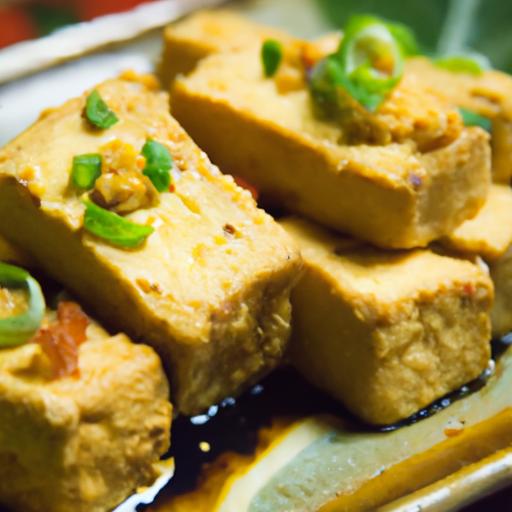
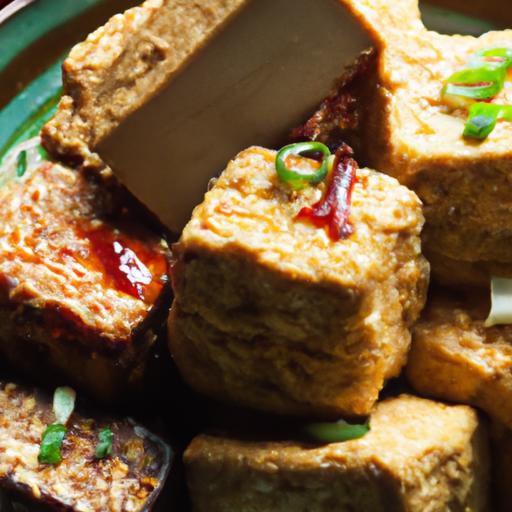
There’s a special kind of magic in the crackle of perfectly fried tofu-golden, crispy on the outside yet tender and silky within. Agedashi tofu, a beloved classic of Japanese cuisine, captures this enchanting contrast in every bite, soaking up savory dashi broth and delicate soy nuances. This deceptively simple dish invites both beginners and seasoned cooks to explore the art of balance: the right coating, the ideal frying temperature, and a broth that sings with umami. Join us as we unravel the secrets behind making perfect agedashi tofu at home-turning humble soy curds into a crispy delight that’s sure to impress at any table.
Crispy Delight is all about achieving the perfect balance of texture and flavor in homemade Agedashi Tofu. This beloved Japanese dish captivates with its light, crunchy exterior and silky interior, harmonized by a fragrant dashi sauce that elevates every bite. Whether you’re a seasoned cook or a curious kitchen adventurer, mastering the art of selecting tofu, crafting a delicate batter, and frying to golden perfection will transform your culinary repertoire.
Prep and Cook Time
- Preparation: 20 minutes
- Cooking: 15 minutes
- Total Time: 35 minutes
yield
Serves 4 as an appetizer or side dish
Difficulty Level
Medium – requires attention to detail but easily mastered with practice
Ingredients
- 400g (14 oz) silken tofu, firm or medium-firm, well-drained
- 1 cup potato starch (or cornstarch for crispiness)
- 1/2 cup all-purpose flour, sifted
- 1 cup cold water
- Vegetable oil for deep frying
- For the dashi sauce:
- 1 1/2 cups dashi stock (see tips for homemade or store-bought)
- 3 tbsp soy sauce
- 2 tbsp mirin
- 1 tsp sugar
- Garnishes: grated daikon, finely sliced green onions, and bonito flakes (katsuobushi)
Instructions
- Select the ideal tofu: Carefully remove the tofu from packaging and wrap it in a clean kitchen towel. Place a weighted plate over it and let it drain for 15-20 minutes to remove excess moisture. This step is crucial for ultimate crispiness as excess water prevents proper frying.
- Prepare the batter: In a mixing bowl, gently combine the cold water, sifted flour, and potato starch. The batter should be thin enough to lightly coat the tofu without heaviness. For an airy crunch, keep the batter cold throughout the process.
- cut and coat the tofu: Slice the drained tofu into evenly sized cubes (about 1 ½ inch). Lightly dust the tofu cubes with potato starch before dipping them into the batter. This extra layer helps create a lovely crispy crust.
- Heat the oil: heat vegetable oil in a deep pan to 350°F (175°C). Use a thermometer for accuracy to ensure golden perfection without sogginess.
- Fry the tofu: Carefully lower each battered cube into the hot oil. Fry in small batches to avoid temperature drops. Cook for 3-4 minutes or until the tofu turns a appetizing golden brown. Use a slotted spoon to remove the tofu and drain on a wire rack or paper towels.
- Prepare the dashi sauce: In a small saucepan, combine dashi stock, soy sauce, mirin, and sugar. Heat gently just until the sugar dissolves-avoid boiling to preserve delicate flavors.
- Plate and garnish: Spoon the warm dashi sauce into shallow bowls, place crispy tofu cubes on top, and finish with grated daikon, sliced green onions, and a sprinkle of bonito flakes for authentic flavor and presentation.
Tips for Success
- Choose the right tofu: Firm or medium-firm silken tofu offers the perfect balance-soft and creamy inside, yet sturdy enough to hold up during frying.
- Batter cold, oil hot: Always use ice-cold water for the batter and ensure the oil temperature is maintained between 350-360°F to keep the coating crisp.
- Dashi perfection: Homemade dashi using kombu and bonito flakes offers the richest flavor,but high-quality instant dashi powder is a convenient alternative.
- Make-ahead tip: Prepare the dashi sauce in advance and refrigerate. Reheat gently before serving to keep the brightness intact.
- Variation: for a gluten-free version, substitute all-purpose flour with rice flour or additional potato starch.
Serving Suggestions
Agedashi Tofu shines when served immediately, steaming and crispy, nestled in fragrant dashi sauce. Pair it with steamed jasmine rice or alongside a crisp cucumber salad for a refreshing contrast. Garnishes like finely sliced shiso leaves or a light drizzle of chili oil can add visual appeal and tantalize the palate. A small bowl of pickled ginger on the side will cleanse the palate between bites, enhancing the deep umami experience.

| Nutritional Info (per serving) | Calories | Protein | Carbs | Fat |
|---|---|---|---|---|
| Agedashi Tofu with Dashi Sauce | 210 kcal | 12 g | 15 g | 11 g |
For a deeper dive into the origins and variations of Agedashi Tofu, check out our complete guide to tofu dishes. For authoritative information on dashi stock, visit the Just One Cookbook’s guide to dashi.
Q&A
Q&A: Crispy Delight – How to Make Perfect Agedashi Tofu at Home
Q1: What exactly is Agedashi Tofu?
Agedashi Tofu is a classic Japanese dish featuring silky-soft tofu cubes, lightly dusted and deep-fried to crispy perfection, then served in a savory dashi-based broth. It’s a harmonious balance of crunchy exterior and delicate, custardy interior-comfort food with elegant simplicity.Q2: What type of tofu works best for Agedashi Tofu?
Silken or soft tofu is traditionally used to achieve that melt-in-your-mouth texture inside. However, for ease of handling and frying, many home cooks prefer firm or medium-firm tofu wrapped gently in paper towels to remove excess moisture while preserving softness.
Q3: How do I avoid the tofu breaking apart when frying?
Handle the tofu very gently! Press the tofu to remove excess water but don’t squeeze it dry. Chill it in the fridge to help firm it up before cutting into even cubes. Use potato starch or cornstarch as a light coating to create a protective crispy shell. fry in hot oil (around 350°F/175°C) just until golden-don’t overcrowd the pan.
Q4: What’s the secret to the perfect agedashi broth?
The broth is a subtle, umami-packed mixture of dashi (Japanese stock made from kombu seaweed and bonito flakes), soy sauce, mirin (sweet rice wine), and a touch of sugar. The key is balance-enough seasoning to complement, but not overpower, the delicate tofu. Always warm the broth gently before serving.
Q5: Can I make a vegetarian or vegan version?
Absolutely! Swap the traditional dashi made with bonito flakes for a kombu and shiitake mushroom dashi to keep that rich umami flavor without animal products. Use tamari or a vegan soy sauce alternative to complete the dish.
Q6: Any tips for serving Agedashi Tofu like a pro?
Serve immediately to enjoy the contrast of crispy tofu and warm broth. Garnish generously with freshly grated daikon radish, chopped green onions, a sprinkle of bonito flakes (or toasted seaweed for vegan), and a drizzle of chili oil or yuzu zest for a fragrant pop.
Q7: How can I get creative with this dish?
Experiment with toppings: try tempura flakes for extra crunch, pickled ginger for zing, or even a spoonful of grated ginger in the broth. You can also infuse the dashi with citrus or spice elements to customize to your palate. The crispy tofu also shines on its own as a snack with dipping sauces.
Q8: Is Agedashi Tofu arduous to master at home?
With a little care and patience, not at all! The technique is straightforward, and the fresh, wholesome ingredients make this an inspiring dish to cook. Once you nail the crispy coating and balanced broth, you’ll find yourself craving this comforting bite again and again.
Insights and Conclusions
As the golden, crispy cubes of agedashi tofu reach your plate, their delicate crunch giving way to a silky, tender heart, you’ve mastered more than just a recipe-you’ve unlocked a timeless Japanese classic that transforms humble ingredients into a delightful symphony of texture and flavor. With this guide in hand, your kitchen becomes a gateway to savoring the perfect balance of umami-rich broth and crispy tofu, inviting both tradition and creativity to your table. so next time you crave a comforting bite that’s as elegant as it is simple, remember: the secret to agedashi tofu lies not just in the technique, but in the joy of crafting every crispy, savory piece yourself. Happy cooking!