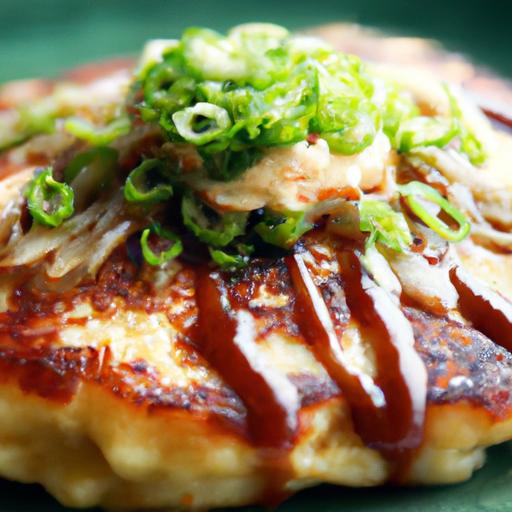

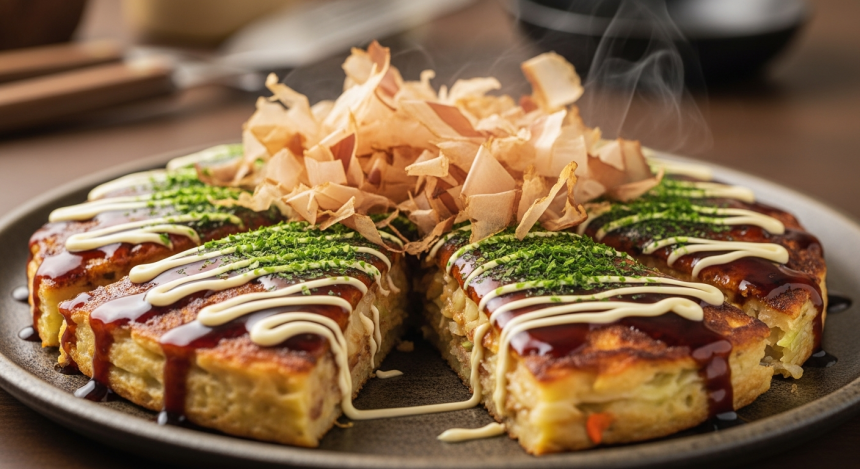
Imagine a dish that’s part pancake,part savory stir-fry,and wholly customizable to your taste buds-a culinary canvas where cabbage,seafood,pork,and a medley of flavors come together in a sizzling harmony. Welcome to the world of Okonomiyaki, Japan’s beloved savory pancake that transcends simple ingredients to create a feast of texture, taste, and tradition. In this article, we’ll dive into the art of mastering Okonomiyaki, uncovering the secrets behind its perfect batter, authentic toppings, and the skillful techniques that make each bite irresistibly delightful. Whether you’re a seasoned home cook or a curious foodie, prepare to embark on a delicious journey through one of japan’s most iconic comfort foods.
Mastering okonomiyaki is a journey into the heart of Japanese street food culture,where versatility meets flavor in each crispy,fluffy bite.Originating from Osaka, this savory pancake is beloved for its unique texture and customizable toppings, making it a joyful canvas for culinary creativity. Whether you’re opting for the classic pork belly or adventurous seafood toppings, selecting the freshest and highest quality ingredients will elevate your homemade okonomiyaki to authentic perfection.
Prep and Cook Time
- Preparation: 20 minutes
- Cooking: 15-20 minutes per pancake
- Total Time: 35-40 minutes
Yield
- Serves 4 (4 medium pancakes)
Difficulty Level
- Medium - requires attention to batter consistency and cooking technique
Ingredients
- 1 cup all-purpose flour, sifted
- 2/3 cup dashi stock (or water for a lighter flavor)
- 2 large eggs
- 2 cups finely shredded cabbage
- 4 oz thinly sliced pork belly or bacon
- 4 green onions, finely chopped
- 1/4 cup tenkasu (tempura scraps)
- 1 tbsp pickled ginger (beni shoga), chopped
- Okonomiyaki sauce (store-bought or homemade)
- Japanese mayonnaise
- Aonori (dried seaweed flakes)
- Katsuobushi (bonito flakes)
- Vegetable oil, for cooking
- Optional: grated yam or nagaimo for extra fluffiness
Instructions
- Prepare the batter: In a large bowl, whisk together the sifted flour and dashi stock until smooth and lump-free. The batter should be slightly thick but pourable.
- Incorporate eggs and veggies: Beat the eggs lightly, then fold them into the batter. Add shredded cabbage,green onions,tenkasu,and pickled ginger. Gently mix to combine, ensuring the cabbage stays fluffy and clumps don’t form. For an even lighter pancake,consider folding in about 2 tbsp grated yam at this stage.
- Heat your griddle or non-stick skillet: Over medium heat, add a thin layer of vegetable oil and let it warm until shimmering but not smoking.
- Form the pancake: Pour approximately one cup of batter onto the griddle, shaping into a 7-inch circle.Press down gently with a spatula for even thickness,but avoid compacting the batter to retain fluffiness.
- Add pork belly slices: Immediately arrange pork belly strips on top of the batter. after about 4-5 minutes, when the edges begin to set, carefully flip the pancake so the pork cooks against the griddle, allowing it to crisp up beautifully.
- Cook thoroughly: Continue cooking for another 5-7 minutes, lowering the heat slightly if the pancake browns too fast. The goal is a golden crust outside with a soft, airy interior.
- flip onc more (optional): Flip back quickly to the pancake side for 1-2 minutes to heat through and help the pork render fat evenly.
- Transfer and garnish: slide the okonomiyaki onto a plate. Generously brush with okonomiyaki sauce, add a zigzag of creamy Japanese mayonnaise, and sprinkle with aonori and katsuobushi. Watch the bonito flakes dance with heat-an enchanting sign your pancake is ready to devour.
Tips for Success
- Batter consistency matters: If the batter feels too thick,add a splash more dashi or water. A thinner batter allows cabbage to stay crisp, contributing to that coveted fluffy texture.
- Use fresh cabbage: Finely shred fresh, crunchy cabbage rather than pre-packaged slaw for best flavor and texture.
- Temperature control: A moderate medium heat avoids rapid burning and ensures the inside cooks fully without sacrificing exterior crispness.
- Customize toppings: Experiment with grilled shrimp,squid,mochi,or cheese to craft innovative variations-just be mindful of moisture content which may alter cooking times.
- Preheat your griddle well: A properly heated cooking surface reduces sticking and helps sear a golden crust instantly.
- Make ahead: You can prep the batter and chopped ingredients a few hours in advance; just keep chilled and stir gently before use.
Serving Suggestions
- Serve okonomiyaki piping hot on individual plates, paired with a side of tangy pickled vegetables or a fresh cucumber sunomono salad to balance richness.
- For extra indulgence, offer additional okonomiyaki sauce and Japanese mayonnaise at the table.
- Top with finely sliced nori strips or sprinkle toasted sesame seeds for added texture and aroma.
- Pair this dish with a chilled glass of sake or a light lager to complement the savory flavors.

| Nutrient | Per Serving |
|---|---|
| Calories | 420 kcal |
| Protein | 18 g |
| Carbohydrates | 45 g |
| Fat | 18 g |
For a deeper dive into traditional Japanese pancake techniques, explore our Japanese Cooking Tips article.To understand the cultural significance of okonomiyaki, visit Japan Guide: Okonomiyaki for an authoritative overview.
Q&A
Q&A: Mastering Okonomiyaki – A Delicious Japanese Pancake Recipe
Q1: What is okonomiyaki?
A1: Okonomiyaki is a savory Japanese pancake, often described as a customizable feast on a griddle. The name translates to “what you like,grilled,” reflecting its flexible ingredients and regional variations. Typically, it combines a batter of flour, grated yam or nagaimo, dashi or water, shredded cabbage, and an assortment of proteins and toppings.
Q2: What makes okonomiyaki different from Western pancakes?
A2: Unlike sweet Western pancakes made with sugar and served with syrup, Okonomiyaki is a hearty, umami-rich dish packed with vegetables, meats, and seafood. Its texture is crisp on the edges and tender inside, layered with savory sauces and mayonnaise to create a complex harmony of flavors.
Q3: Do I need special ingredients to make authentic Okonomiyaki?
A3: While some ingredients are unique-like Okonomiyaki flour or dashi stock-you can usually find suitable substitutes in an Asian market or online. Essential components include shredded cabbage, eggs, and a good pancake batter base.For the iconic finish, okonomiyaki sauce and Japanese mayo are key, as are bonito flakes and aonori (seaweed flakes) for garnish.
Q4: How do I choose the right fillings?
A4: The beauty of Okonomiyaki lies in its versatility. traditional fillings include pork belly slices, shrimp, squid, or even cheese. vegetarians can opt for mushrooms, corn, or tofu.The rule of thumb is to balance textures and flavors – something meaty, something crunchy, and lots of fresh cabbage.
Q5: What’s the secret to cooking Okonomiyaki perfectly?
A5: The secret is patience and medium heat.Pour the batter mixed with fillings onto a greased skillet or griddle, then press it gently to form a thick pancake. Cook slowly, allowing the inside to set without burning the outside. Flip once carefully, then cook until golden and crisp. A well-cooked Okonomiyaki should have a crispy crust and a fluffy, moist interior.
Q6: How do I serve and enjoy Okonomiyaki?
A6: Serve hot off the griddle with a generous drizzle of Okonomiyaki sauce – a sweet, tangy, and savory condiment – and a zigzag of Japanese mayonnaise. Sprinkle with bonito flakes and aonori for an authentic finish that dances in the heat.It’s best eaten immediately, using chopsticks or a small spatula to cut portions.
Q7: Can I make Okonomiyaki ahead of time?
A7: While Okonomiyaki tastes best fresh, you can prepare the batter and filling mix in advance. Avoid cooking too early because the crispy texture and complex flavors diminish upon reheating.If needed, reheat gently on a skillet to regain some crispness before serving.
Q8: Any tips for beginners wanting to master Okonomiyaki?
A8: Start simple-with basic cabbage and pork belly-to grasp the batter consistency and cooking timing. Use a non-stick pan and medium heat to avoid burning. Practise flipping with a wide spatula or two spatulas for stability. And don’t be afraid to experiment with ingredients! Okonomiyaki is all about personal creativity and delight.
Mastering Okonomiyaki is a delicious journey into Japanese home cooking. With each pancake flipped, you blend tradition and personal flair, creating plates of comfort that are as much fun to make as they are to eat. Enjoy the art of “what you like, grilled”!
Key takeaways
As you’ve flipped your final Okonomiyaki and savored that perfect blend of crispy edges and savory fillings, you’re no longer just a novice cook-you’re a true master of this iconic Japanese pancake. Remember, the beauty of Okonomiyaki lies not only in its flavors but in its endless flexibility; from traditional cabbage and pork belly to adventurous toppings and sauces, each creation tells your own delicious story. So, keep experimenting, keep tasting, and most importantly, keep sharing this culinary art with friends and family. With every bite, you’re celebrating a beloved slice of Japan’s vibrant food culture-one pancake at a time. Happy cooking and いただきます!