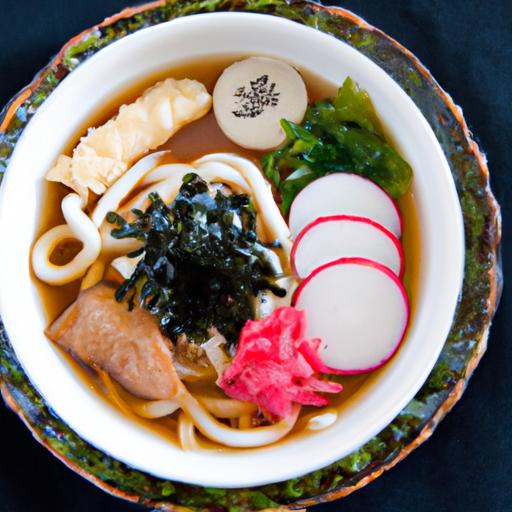

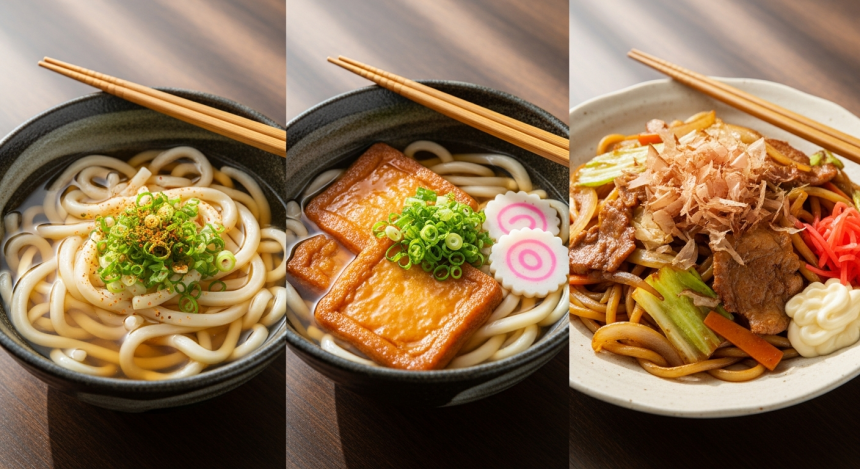
In teh vast and vibrant world of Japanese cuisine, few dishes embody comfort and tradition quite like udon. These thick, chewy noodles have been a beloved staple for centuries, evolving into countless regional styles and flavors that tell stories of culture, seasonality, and culinary artistry. Among the myriad ways to enjoy udon, three styles stand out for their distinctive ingredients and mouthwatering appeal: Kake, kitsune, and Yaki.Each offers a unique window into Japan’s rich food heritage, from the simple elegance of a steaming bowl of broth to the savory indulgence of stir-fried noodles. Join us as we journey through the textures, tastes, and traditions of udon unveiled-discovering why kake, Kitsune, and Yaki are not just meals, but experiences waiting to be savored.
Udon Unveiled invites you on a culinary journey to savor the soul-soothing warmth of Japanese udon styles ranging from the subtle depths of Kake Udon broth to the intricate textures of Yaki Udon stir fry. Each style embodies distinct traditions yet shares an accessible simplicity that comforts and delights. Let’s explore how to create these iconic dishes that bring Japan’s rich flavors and cultural charm straight to your kitchen.
Prep and Cook Time
- Preparation: 15 minutes
- Cooking: 25 minutes
- Total Time: 40 minutes
Yield
Serves 4 hearty portions
Difficulty Level
Easy to Medium - perfect for adventurous home chefs exploring traditional Japanese flavors.
Ingredients
- Udon noodles – 400g fresh or frozen
- Dashi stock - 6 cups (see Chef’s notes for homemade option)
- Kombu (kelp) - 10cm piece
- Katsuobushi (bonito flakes) – 1 cup
- Soy sauce – 3 tbsp
- Mirin – 2 tbsp
- Sugar – 1 tsp
- Aburaage (fried tofu pouch) – 4 pieces, sliced horizontally (for Kitsune Udon)
- Vegetable oil – 1 tbsp
- Scallions – thinly sliced, for garnish
- Shichimi togarashi (Japanese seven-spice powder) - optional, for serving
- Carrot – 1 medium, julienned (for Yaki Udon)
- Napa cabbage – 1 cup, chopped (for Yaki Udon)
- Soy sauce (additional, for stir-fry) – 2 tbsp
- Sesame oil – 1 tsp
- Garlic – 2 cloves, minced (for Yaki Udon)
- Protein choice (optional) – sliced chicken breast, beef, or tofu (150g)
Instructions
- Prepare the dashi stock: Soak the kombu in 6 cups of cold water for 30 minutes. Heat gently without boiling, then remove kombu just before the water boils. Add katsuobushi, turn off heat, and steep 5 minutes. Strain through a fine sieve to clear the stock.
- Make the Kake Udon broth: return dashi to pot,stir in soy sauce,mirin,and sugar over medium heat.Adjust sweetness and saltiness to taste. Keep warm.
- Prepare aburaage for Kitsune topping: Boil aburaage briefly to remove excess oil, drain, then simmer in a mix of 1/3 cup dashi, 2 tbsp soy sauce, 2 tbsp mirin, and 1 tsp sugar for 10 minutes untill tender and flavorful.
- Cook udon noodles: Boil noodles in plenty of water according to package instructions until tender but firm. Drain and rinse under cold water for Yaki Udon or keep warm for soup-based dishes.
- For Yaki Udon: Heat vegetable oil in a wok or large skillet over medium-high heat. Sauté garlic briefly until fragrant. Add protein (if using) and cook until opaque. Toss in carrot and napa cabbage; stir-fry until veggies soften but retain crunch (3-4 minutes).
- Add drained udon noodles to the wok.Stir constantly, coating noodles with oil and distributing vegetables and protein evenly. Season with 2 tbsp soy sauce and 1 tsp sesame oil. Stir-fry for another 2-3 minutes until noodles are heated through and slightly caramelized.
- Assemble bowls: For Kake and Kitsune Udon, ladle hot broth into bowls, add noodles, then top kake simply with scallions or add prepared aburaage to create Kitsune Udon. Sprinkle with shichimi togarashi for a spicy kick if desired.
Chef’s Notes & tips for Success
- Dashi base: Opt for instant dashi granules if pressed for time; authentic broth deeply enriches the udon experience but instant works well for beginners.
- Aburaage substitution: Easily found at Asian markets frozen or vacuum-packed; if unavailable, try thinly sliced fried tofu pouches infused with broth to mimic texture.
- Udon noodles: Fresh udon offers the silky chewy texture traditional to Japanese cuisine. Frozen is a close second - avoid dried for best results.
- Yaki Udon variations: Experiment with seafood, mushrooms, or seasonal vegetables to customize stir-fry flavors and textures.
- Make-ahead: Broth can be prepared up to 3 days in advance and refrigerated. Reheat gently to retain its delicate flavor.
Serving Suggestions
Present each udon style in deep ceramic bowls to keep broth hot longer and showcase the glistening noodles. Garnish Kake Udon with fresh scallions and a few drops of aromatic sesame oil.For kitsune Udon, rest the glossy, braised aburaage diagonally across the noodles, adding texture and sweetness. Yaki Udon shines with a sprinkle of toasted sesame seeds and finely sliced nori strips for an umami boost.
Pair your udon dishes with a light Japanese tea, such as sencha or hojicha, to cleanse the palate between bites. For a complete meal, add a side of tempura vegetables or pickled ginger.
| Nutrition per Serving | Calories | Protein (g) | Carbs (g) | Fat (g) |
|---|---|---|---|---|
| Kake Udon | 310 | 12 | 55 | 4 |
| Kitsune Udon | 360 | 15 | 57 | 7 |
| Yaki udon (with chicken) | 420 | 28 | 50 | 9 |
For a deeper dive into Japanese noodle culture,feel free to visit Japan Guide’s Udon Overview. Meanwhile, you can explore our detailed comparison of ramen and udon noodles for culinary inspiration.

Q&A
Q&A: Udon Unveiled – exploring Kake, Kitsune, and Yaki Styles
Q1: What exactly is udon, and why has it captured so many hearts worldwide?
A: Udon is a beloved Japanese noodle made from thick, chewy wheat flour strands. Its versatility and comforting texture have made it a culinary icon, offering a blank canvas that absorbs broths, sauces, and toppings with delightful harmony. From bustling tokyo street stalls to serene countryside ryokans, udon invites everyone into a deliciously warm embrace.
Q2: Among the many udon dishes, what makes the Kake style stand out?
A: Kake udon is the essence of simplicity and purity-imagine steaming hot udon noodles served in a clear, savory broth made from dashi, soy sauce, and mirin. It’s the foundational bowl that celebrates subtlety, letting the wheat’s natural sweetness and the broth’s umami sing together.Perfect for those seeking comfort in a humble yet profoundly satisfying meal.
Q3: Kitsune udon sounds intriguing-what’s the story behind it?
A: Kitsune udon is named after the fox (“kitsune” in Japanese), known in folklore for its fondness for fried tofu. This style features luscious, golden-brown aburaage (fried tofu pockets) simmered until tender, resting atop a bowl of steaming udon noodles in savory broth. The tofu’s sweet, slightly smoky flavor adds a rich contrast, making it a favorite for its playful name and cozy taste.
Q4: How does Yaki udon differ from the typical noodle soup experience?
A: Yaki udon flips the script-it’s a stir-fried udon dish that delivers sizzling,savory satisfaction. Thick noodles are tossed with soy sauce,vegetables,and sometimes meats or seafood,all cooked on high heat to develop a smoky,caramelized flavor. This style is vibrant and textural, perfect for those craving a noodle dish with a bit of a punch and a satisfying chew.
Q5: Can you mix and match these styles, or is it best to try them individually?
A: While each style shines in its own right, culinary creativity knows no bounds! Some chefs blend the warm comfort of Kake broth with fried tofu from Kitsune, or serve Yaki udon with a side of Kake-style dipping sauce. Exploring each style individually is a delightful way to appreciate their unique qualities, but mixing elements can also lead to exciting new udon adventures.
Q6: What shoudl first-timers keep in mind when diving into these udon varieties?
A: Savor with your senses-listen to the slurp, inhale the steamy aroma, and relish the interplay of textures. Don’t be afraid to add traditional condiments like shichimi (seven-spice), grated ginger, or sliced green onions to customize your bowl. Udon is not just food; it’s a culture, a comfort, and a party of simple ingredients elevated to art.
Q7: Where would you recommend experiencing authentic Kake, Kitsune, or Yaki udon?
A: japan’s udon heartlands-like Kagawa Prefecture, known as “Udon Prefecture”-offer countless authentic experiences. In Tokyo or Osaka, tiny neighborhood shops serve up traditional bowls with decades of history. For those abroad, seek out Japanese eateries dedicated to regional specialties; their passion ensures every slurp transports you closer to the udon origins.
Q8: Any tips for making these udon styles at home?
A: Absolutely! Start with fresh or frozen udon noodles for the ideal chewy texture. For Kake, focus on crafting a balanced dashi broth-kombu and bonito flakes are your friends.In kitsune, gently simmer aburaage with a sweet soy glaze before topping your noodles. For Yaki udon, high heat and swift stir-frying keep noodles deliciously firm. Keep it simple, respect ingredients, and enjoy the process-it’s half the fun!
Concluding Remarks
As our culinary journey through the comforting world of udon comes to a close, it’s clear that these humble noodles carry far more than simple satisfaction in every slurp. From the soothing simplicity of Kake’s clear broth to the sweet, savory whispers woven into Kitsune’s golden aburaage, and the bold, sizzling spirit of Yaki’s stir-fried delight, each style offers a unique story steeped in tradition and innovation. Whether you’re craving warmth on a chilly day or seeking a flavorful adventure, udon invites you to savor not just a meal, but a rich tapestry of culture and craftsmanship. So next time you fork those thick, chewy strands, remember-you’re tasting more than food; you’re experiencing a timeless japanese treasure, lovingly unveiled one bowl at a time.