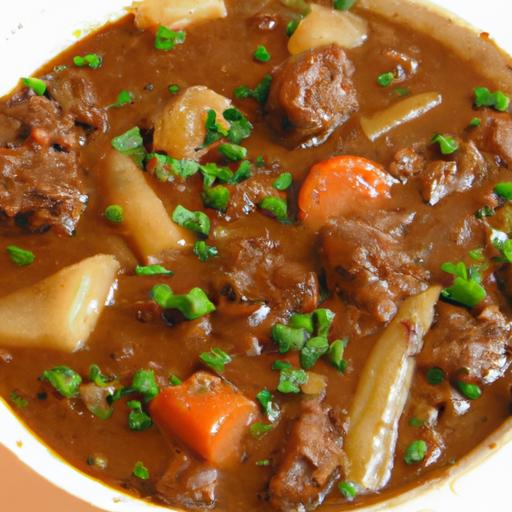

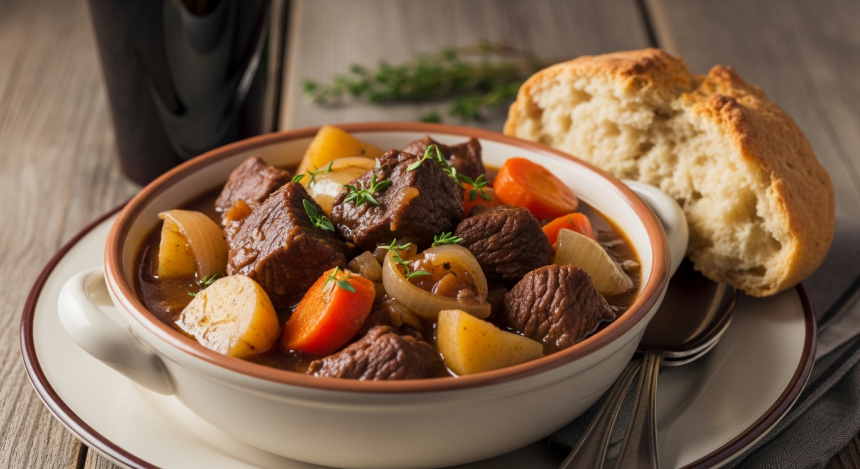
There’s something undeniably soul-warming about a steaming bowl of hearty Irish beef stew-a dish that has comforted generations through chilly days and long, cozy evenings. Rooted in the rich culinary traditions of Ireland, this classic comfort food combines tender chunks of beef, earthy root vegetables, and fragrant herbs, simmered slowly to create a symphony of flavors that nourish both body and spirit.Whether enjoyed by a roaring hearth or on a casual weeknight, Irish beef stew invites you to savor the simple pleasures of wholesome ingredients and timeless cooking. In this article, we’ll explore the origins, essential components, and tips for mastering your own pot of this beloved stew, ensuring each spoonful brings the warmth and heartiness that have made it an enduring favorite worldwide.
Hearty Irish Beef Stew delivers a soulful, warming experience that is perfect for chilly evenings and family gatherings alike. This iconic dish, rooted deeply in Ireland’s rich culinary tradition, balances robust, tender beef with an aromatic blend of classic seasonings and fresh herbs, creating layers of rich flavor that transform simple ingredients into a beloved comfort food.Drawing from years of culinary craftsmanship, this recipe celebrates the art of slow simmering, coaxing every molecule of goodness from the ingredients into a hearty, velvety stew that comforts from the inside out.
Prep and Cook Time
- Planning: 25 minutes
- Cooking: 2 hours 30 minutes
- Total Time: 2 hours 55 minutes
yield
Serves 6 generous portions
Difficulty Level
Medium
Ingredients
- 2 lbs beef chuck, cut into 2-inch cubes
- 1/4 cup all-purpose flour, sifted
- 3 tbsp olive oil or beef drippings
- 1 large onion, finely chopped
- 4 cloves garlic, minced
- 3 large carrots, peeled and cut into thick chunks
- 4 medium Yukon Gold potatoes, peeled and quartered
- 2 cups quality beef stock
- 1 cup Guinness stout or dry Irish stout (optional, but recommended)
- 2 tsp fresh thyme leaves, chopped
- 2 tsp fresh rosemary, finely chopped
- 1 tsp dried marjoram
- 1 bay leaf
- Salt and freshly ground black pepper, to taste
- 2 tbsp fresh flat-leaf parsley, roughly chopped, for garnish
Instructions
- Prepare the beef: Lightly toss the beef cubes in the sifted flour, shaking off any excess. This step helps thicken the stew later and creates an appealing crust during browning.
- Brown the beef: Heat the olive oil or beef drippings in a large heavy-bottomed pot over medium-high heat. Add the beef in batches to avoid overcrowding and sauté until each piece is golden brown all over, about 5 minutes per batch. Remove and set aside.
- Sauté the aromatics: In the same pot, reduce the heat to medium, and sauté chopped onions until soft and translucent, approximately 7 minutes. Stir in the minced garlic and cook for another minute until fragrant.
- Deglaze the pot: Pour in the Guinness stout, scraping the bottom with a wooden spoon to lift all those caramelized bits. This adds a deep maltiness to the stew’s flavor profile.
- Combine key ingredients: Return the browned beef to the pot along with the beef stock, thyme, rosemary, marjoram, and bay leaf. Stir well and bring to a gentle simmer.
- Slow simmer gently: cover the pot partially and let the stew simmer on low heat for 1 hour 45 minutes to 2 hours, stirring occasionally. This slow cooking method breaks down the beef fibers, ensuring a melt-in-your-mouth texture.
- Add vegetables: Incorporate the carrots and potatoes, which will cook during the final 30-40 minutes of simmering. continue to cook until the vegetables are tender but still hold their shape.
- Season and finish: Taste and adjust seasoning with salt and pepper. Remove the bay leaf. Sprinkle fresh parsley over the stew just before serving to add a burst of vibrant color and freshness.
Chef’s Notes & Tips for Success
- Choosing the right beef: Opt for well-marbled chuck or brisket cuts,as their connective tissue melts down during slow cooking for an irresistibly tender and flavorful result.
- For gluten-free adaptation: Substitute the flour with cornstarch or rice flour for coating the beef, ensuring a naturally thickened stew.
- Make ahead: stews taste even better the next day as flavors deepen. Prepare a day in advance, refrigerate, and gently reheat before serving.
- Vegetable variations: Try adding parsnips or turnips for additional earthy complexity.
- Enhance richness: A splash of heavy cream stirred in just before serving can create an unctuous, velvety finish if desired.
serving Suggestions and tips to Elevate Your classic Irish Beef Stew Experience
Serve your hearty Irish beef stew in rustic, deep bowls to showcase its comforting, chunky texture and warm color palette. Pair with a crusty artisan bread or traditional soda bread to soak up the luscious gravy. Garnish with a sprinkle of freshly chopped flat-leaf parsley or a few tender sprigs of thyme for a fresh herbal note. A side of buttery mashed potatoes or steamed green cabbage complements the richness beautifully,balancing heart with freshness.
For those who enjoy a traditional touch, a pint of Irish stout or a dry red wine like Cabernet Sauvignon offers a lovely pairing, enhancing the stew’s robust flavors. for a vibrant presentation, consider serving with a light green salad dressed simply with lemon and olive oil to contrast the stew’s richness.

| Nutrition per Serving | Amount |
|---|---|
| Calories | 440 kcal |
| Protein | 38 g |
| Carbohydrates | 28 g |
| Fat | 18 g |
Ready to explore more comforting stews? Check out our Classic Beef Stew with Root Vegetables for another heartwarming option. For more on the art of slow-cooked beef,consider visiting BBC Good Food’s guide on cooking the perfect beef stew.
Q&A
Q&A: Hearty Irish Beef Stew – A Classic Comfort Food Recipe
Q1: What makes Irish beef stew so comforting and classic?
A1: Irish beef stew embodies warmth and tradition with tender chunks of beef, earthy root vegetables, and a rich, savory broth. It’s the kind of meal that hugs you from the inside, perfect for chilly days or whenever you crave a taste of home-cooked goodness. The slow simmering melds flavors beautifully, making each bite soulful and deeply satisfying.
Q2: Which cuts of beef work best for this stew?
A2: Tough,flavorful cuts like chuck or brisket are ideal because they become meltingly tender after slow cooking. These cuts absorb the stew’s hearty flavors while releasing their own rich beefiness over time, creating that luscious, velvety texture classic to Irish stew.
Q3: What vegetables are traditional in an Irish beef stew?
A3: Classic Irish stew features root vegetables such as potatoes,carrots,parsnips,and onions. Turnips or swedes sometimes make an appearance, adding subtle sweetness and earthy depth. These hearty vegetables soak up the stew’s savory juices, balancing the meat’s richness.
Q4: How do you achieve that perfect thick and flavorful stew consistency?
A4: The secret lies in slow cooking and patience. As the stew simmers gently, the beef releases gelatin, thickening the broth naturally. Some cooks add a sprinkle of flour or a slurry of cornstarch to perfect the consistency, but the key is a long, slow cook that lets flavors marry and the liquid reduce slightly for a luscious, spoon-coating sauce.
Q5: Are there any traditional flavor enhancers in Irish beef stew?
A5: Absolutely! Fresh thyme,bay leaves,and sometimes a splash of Guinness or stout add depth and a slight bitterness that contrasts beautifully with the meat’s richness. Garlic, black pepper, and a pinch of salt round out the flavor profile, keeping it simple but soul-satisfying.
Q6: Can I make this stew ahead of time?
A6: Yes! irish beef stew frequently enough tastes even better the next day, as the flavors have more time to mingle and deepen. It’s a perfect make-ahead meal that reheats beautifully,making it a comforting weeknight dinner or a crowd-pleaser for gatherings.
Q7: What should I serve with Irish beef stew for a complete meal?
A7: Crusty bread or traditional soda bread is perfect for soaking up the savory gravy. A side of steamed greens or a simple salad can add a fresh, vibrant contrast to the hearty stew, balancing the meal with a burst of color and crunch.
Q8: Is Irish beef stew suitable for slow cookers?
A8: Definately! Slow cookers are a fantastic way to develop those deep, tender flavors with minimal fuss. Simply brown the beef first,add all ingredients,and cook on low for 6-8 hours. The result is a hands-off, melt-in-your-mouth classic comfort dish.
Q9: How can I add a modern twist to this traditional recipe?
A9: Try incorporating root vegetables like sweet potatoes or adding a dash of smoked paprika for warmth and complexity. A touch of fresh parsley or even horseradish sauce on the side can brighten the dish without losing its comforting Irish soul.
Q10: What’s the best occasion to enjoy Irish beef stew?
A10: Any day you crave warmth and heartiness! It’s especially marvelous on cold winter evenings, during St. Patrick’s Day celebrations, or when you want to cook something that feels timeless and grounding-like a tasty edible hug from Ireland’s rich culinary heritage.
Final Thoughts
As the rich aroma of tender beef, earthy root vegetables, and fragrant herbs fills your kitchen, you know you’re about to experience more than just a meal – you’re embracing a timeless Irish tradition. This hearty beef stew, with its deep, comforting flavors and satisfying texture, offers more than nourishment; it provides a warm embrace on a chilly day and a connection to generations of home cooks who perfected this classic dish. Whether served alongside crusty soda bread or enjoyed on its own, this recipe invites you to slow down, savor each bite, and celebrate the simple pleasures found in a bowl of true Irish comfort. So go ahead, gather your ingredients and let the simmering magic begin; your taste buds-and your soul-will thank you.