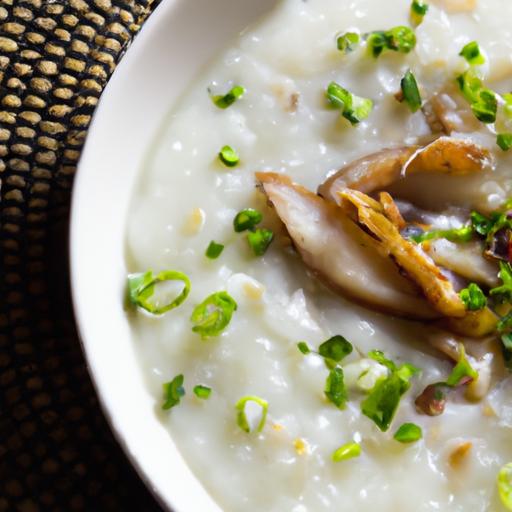

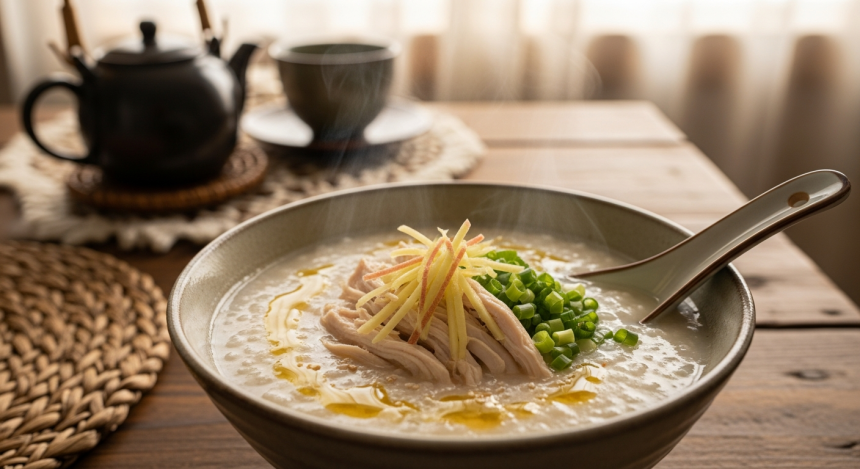
There are some dishes that do more than simply fill the stomach-they warm the heart and soothe the soul. Chicken rice porridge, or okayu, is one such culinary embrace, a humble bowl where simplicity meets nourishment in perfect harmony. Rooted in Asian kitchens for centuries, okayu offers more than just sustenance; it carries stories of homecomings, gentle mornings, and healing moments. In this exploration of soulful comfort, we delve into the origins, cultural meaning, and timeless appeal of chicken rice porridge-unpacking why this unassuming dish continues to captivate palates and provide solace across generations.
Experience the Soulful Comfort of chicken Rice porridge
chicken rice porridge,a timeless dish beloved across Asia,invites us into a world where warmth meets nourishment in every spoonful. Rooted deeply in Japanese, Chinese, and Southeast Asian culinary traditions, this comforting porridge transcends mere food-it’s a soothing balm for the soul during illness, chilly mornings, or moments in need of gentle indulgence. My first encounter with chicken rice porridge was on a rainy afternoon when a close friend served it piping hot, the fragrant aroma filling the room and instantly evoking a sense of cozy care and connection.
Prep and Cook Time
- Preparation: 10 minutes
- Cooking: 45 minutes
Yield
- 4 hearty servings
Difficulty Level
- Easy
Ingredients
- 1 cup jasmine rice, rinsed and drained
- 6 cups water or low-sodium chicken broth
- 1 large boneless, skin-on chicken thigh
- 2 slices fresh ginger, thinly sliced
- 3 garlic cloves, crushed
- 2 green onions, chopped (separate white and green parts)
- 1 tsp sesame oil
- 1 tsp fish sauce or soy sauce
- Salt to taste
- Fresh ground white pepper, to garnish
- Optional garnishes: crispy fried shallots, fresh cilantro leaves, thinly sliced chilies, lime wedges
Instructions
- Toast the rice: in a medium pot, dry-toast the rinsed rice over medium heat for 2-3 minutes until it smells nutty. This step enhances the porridge’s depth of flavor.
- Add liquid and aromatics: Pour in the chicken broth or water,then add the ginger slices,garlic,and the white parts of the green onions.Stir gently.
- Cook the chicken: Nestle the chicken thigh into the simmering pot. Bring to a gentle boil, then reduce to a low simmer. Cover partially and let it cook for 30 minutes, stirring occasionally to prevent rice from sticking.
- Shred the chicken: Remove the chicken from the pot and let it cool slightly. Shred the meat off the bone, discard skin and bones, then return the chicken to the porridge.
- Refine the porridge: Continue to simmer uncovered for another 10-15 minutes, stirring frequently enough. The rice should break down into a creamy, comforting consistency that coats the spoon.
- Season and finish: stir in the sesame oil, fish sauce (or soy sauce), and salt to taste. Adjust texture by adding hot water if too thick.
- Serve with flair: Ladle the porridge into bowls, garnish with fresh green onion tops, a sprinkle of white pepper, and your choice of toppings such as crispy shallots or fresh herbs. Offer lime wedges and chili slices on the side for an extra zing.
Tips for Success
- Perfect texture: If you prefer a silkier porridge, blend half the cooked mixture with an immersion blender before adding the chicken back in.
- Rice swap: Short-grain rice also works well for a creamier texture, but jasmine rice provides a delicate fragrance.
- Flavor boost: add a dash of white pepper while serving to elevate the aroma and warmth.
- Make-ahead: Prepare the porridge base and shredded chicken separately. Combine and warm gently before serving.
- Protein variations: Try substituting chicken with poached fish or tofu for a vegetarian adaptation.
- Slow cooker option: Combine all ingredients (except seasonings) in a slow cooker and cook on low for 4-6 hours for no-fuss preparation.
Serving Suggestions for a Soulful Meal
Chicken rice porridge is a canvas for simplicity and personalization. Serve with sides like pickled vegetables,salted preserved eggs,or a sprinkling of toasted sesame seeds. Pair it with a light Asian green salad or steamed greens for added freshness. Hot jasmine tea or a mild ginger-infused tea beautifully complements the dish’s gentle flavors, enhancing the overall relaxing dining affair.

| Nutrient | Per serving |
|---|---|
| Calories | 280 |
| Protein | 18g |
| Carbohydrates | 35g |
| Fat | 6g |
Discover more comforting Asian dishes in our comforting asian soups collection. For an in-depth history of congee and its global variations, visit the Encyclopedia Britannica congee page.
Q&A
Q&A: Soulful Comfort - Exploring Chicken Rice Porridge (Okayu)
Q1: What exactly is Chicken Rice Porridge, or Okayu?
Okayu is a traditional Japanese rice porridge, frequently enough served as a gentle, nourishing meal. When prepared with tender chicken, it becomes a heartwarming dish known as Chicken Rice Porridge. Think of it as a silky, savory bowl of slow-cooked rice that’s soft enough to soothe your spirit and warm your body-a culinary hug in a bowl.
Q2: How does Okayu differ from other rice porridges, like congee?
While Okayu and congee share a similar base-rice cooked with ample water until soft-the texture and seasoning set them apart. Okayu tends to be simpler and lighter, often just plain rice and water or broth, creating a mild canvas. Congee, common across China and Southeast Asia, is usually thicker and richly seasoned with a variety of meats, herbs, and spices. Chicken Rice Porridge in Japan embraces subtlety, with delicate dashi flavors and the gentle addition of chicken.
Q3: Why is Chicken Rice Porridge considered a comfort food?
This dish’s soothing warmth and gentle flavors come together to comfort both body and soul. It’s a staple for those recovering from illness or seeking tranquility in food-soft, easy to digest, yet deeply satisfying.The tender chicken adds protein and heartiness without overwhelming delicate palates, making it the ultimate culinary remedy.
Q4: What ingredients are essential to make authentic Chicken Rice Porridge?
At its core, you’ll need short-grain Japanese rice, water or dashi broth, and chicken (usually thigh meat for juiciness). Seasonings are minimalist: a touch of salt,maybe a splash of soy sauce,and garnishes like chopped scallions,grated ginger,or a sprinkle of shiso leaves. These elements balance simplicity with bursts of freshness.
Q5: Can Okayu be customized to suit different tastes?
Absolutely! Though traditionally subtle, Chicken Rice Porridge welcomes creativity.Add mushrooms for earthiness, a dash of yuzu rind for citrus brightness, or top with a soft-boiled egg for richness. it adapts effortlessly-each bowl a unique embrace shaped by your cravings.
Q6: How is Chicken Rice Porridge traditionally served and enjoyed?
Simple and unpretentious, Okayu is often served in small bowls, inviting slow, mindful eating. Families pass it down in moments of care-after late nights, during chilly mornings, or when healing from a cold. Its soothing texture encourages gentle sipping and quiet reflection, turning each meal into a moment of soulful comfort.
Q7: What makes Chicken Rice Porridge a timeless dish in Japanese culture?
Its enduring appeal lies in its balance of nourishment and simplicity. Okayu transcends trends by focusing on wholesome ingredients and the comforting ritual of cooking rice slowly. It’s more than food-it’s a symbol of care, patience, and healing that has warmed generations.
Through this exploration of Chicken Rice Porridge, we uncover more than a meal-we discover a tradition steeped in kindness and calm, a culinary embrace crafted from humble grains and tender chicken, inviting all to find solace in a single, soulful bowl.
To Wrap It Up
As the warm bowl of chicken rice porridge settles gently into your hands, it’s clear that okayu is more than just a humble dish-it’s a comforting embrace from centuries past, a soothing pause in today’s hurried world.Whether craving solace during a chilly morning or seeking a gentle remedy for the soul, okayu offers nourishment that transcends the physical, inviting you to savor simplicity with every spoonful. In exploring the soulful comfort of this timeless Japanese staple, we uncover not only a recipe but a ritual-one that reminds us that sometimes, true healing lies in the quiet warmth of food made with care.